Journals
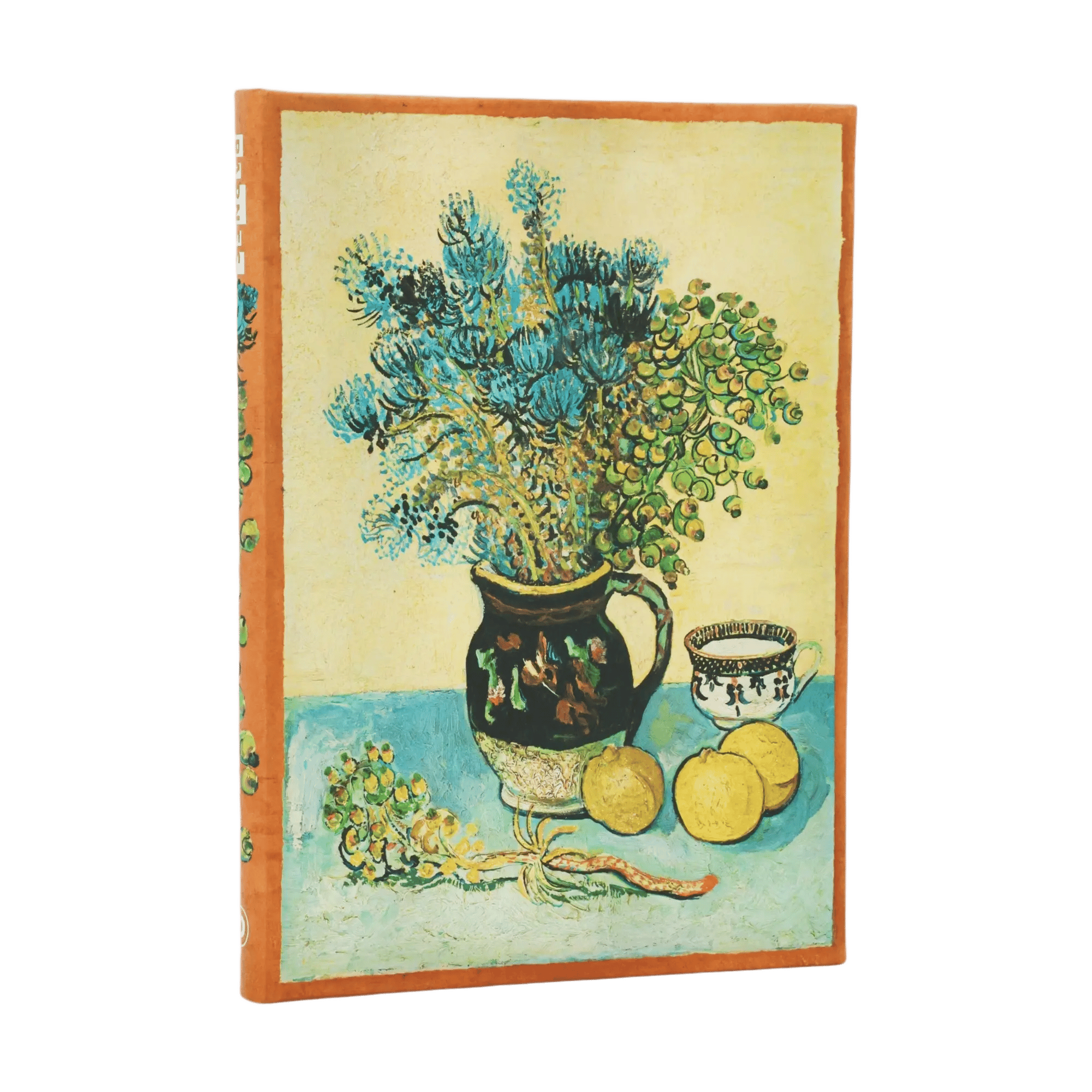
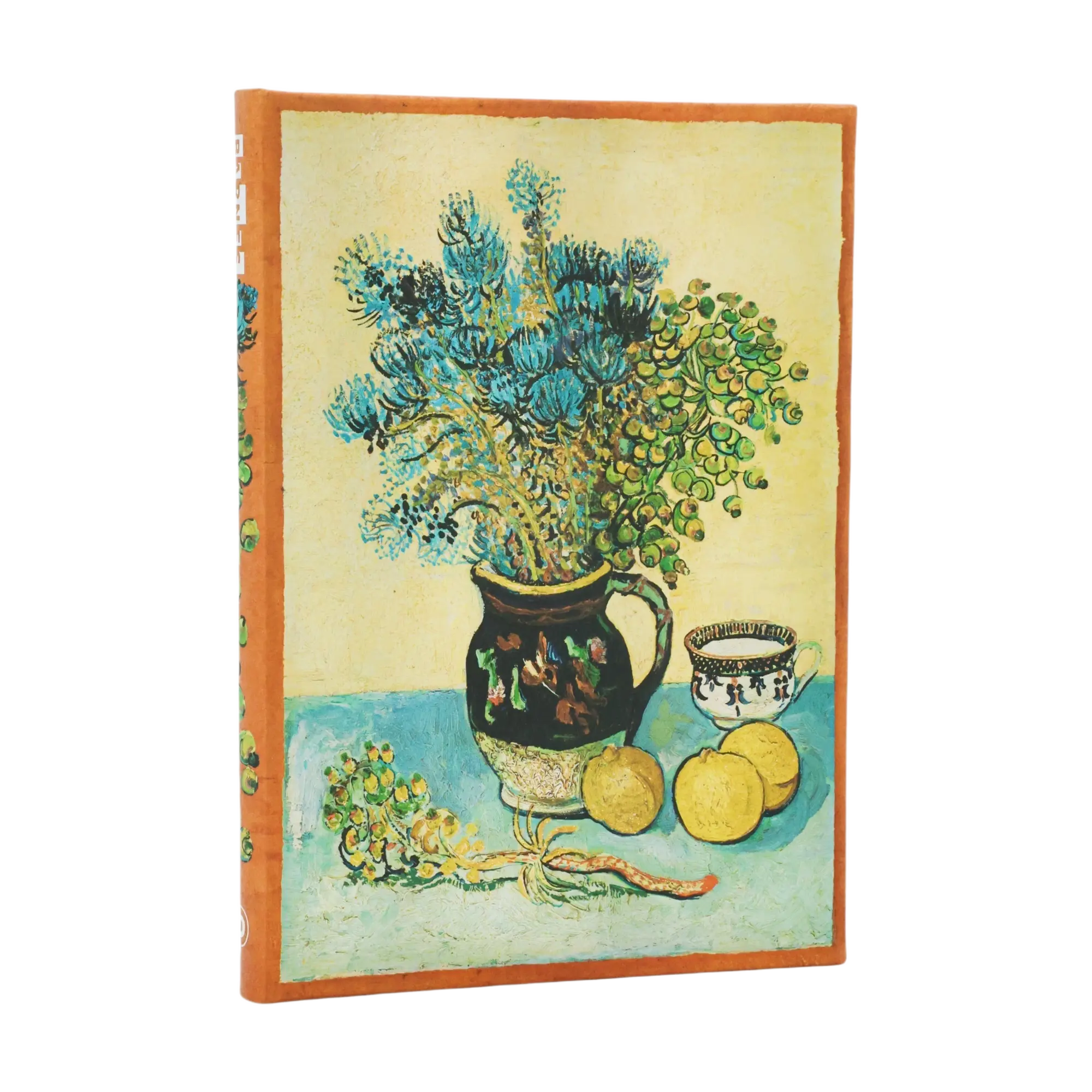
Van Gogh’s Still Life
Van Gogh’s Still Life
Item no. 9780349713373
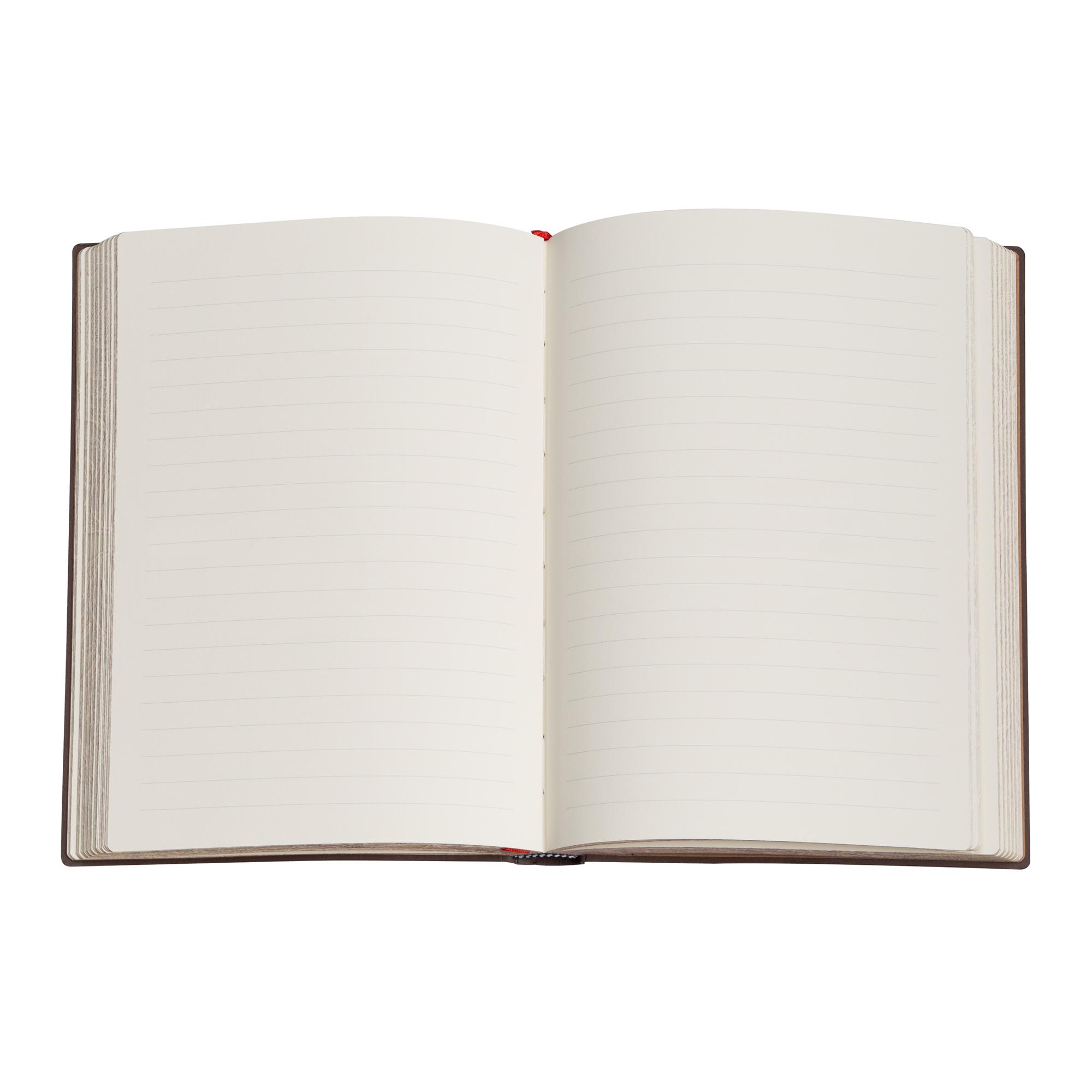
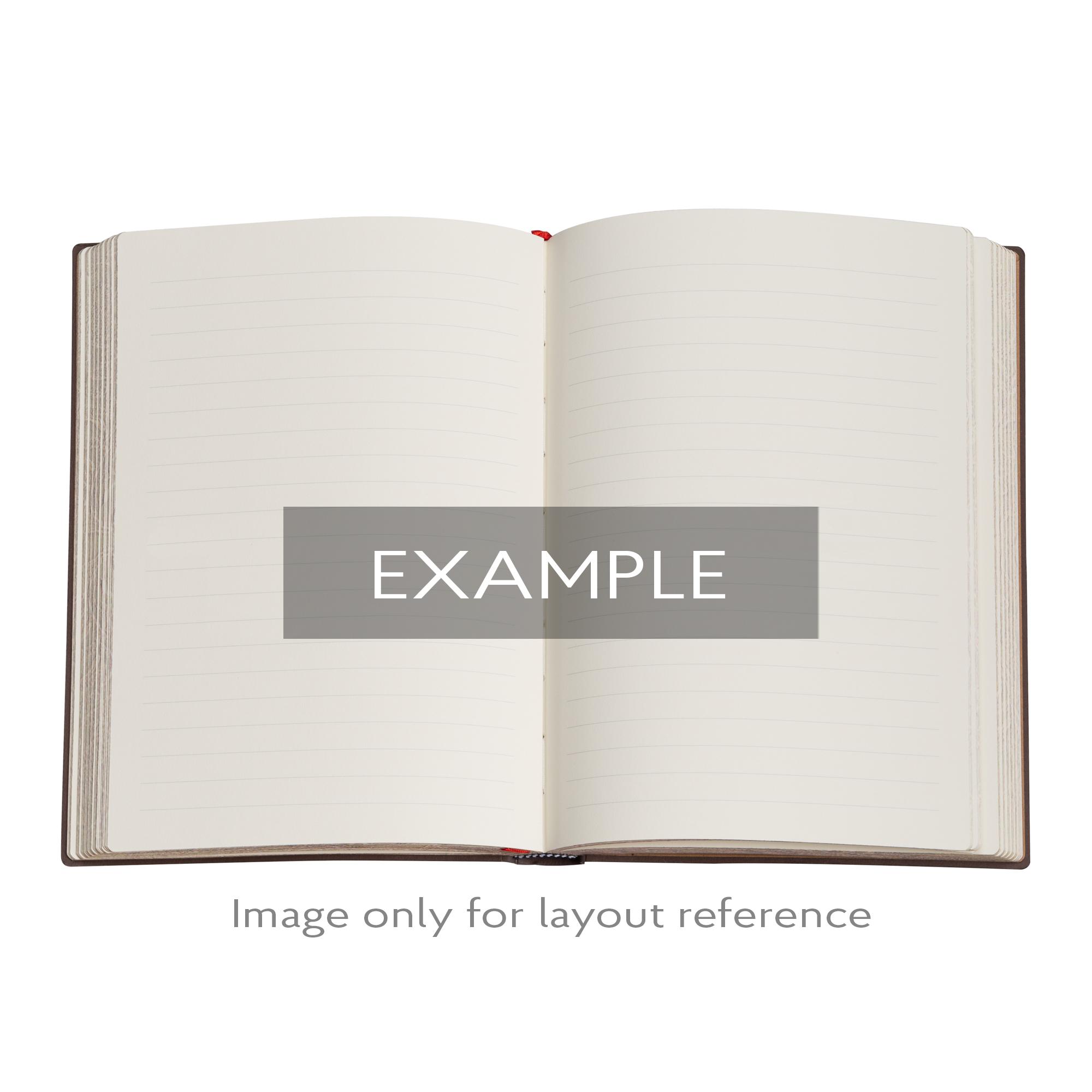
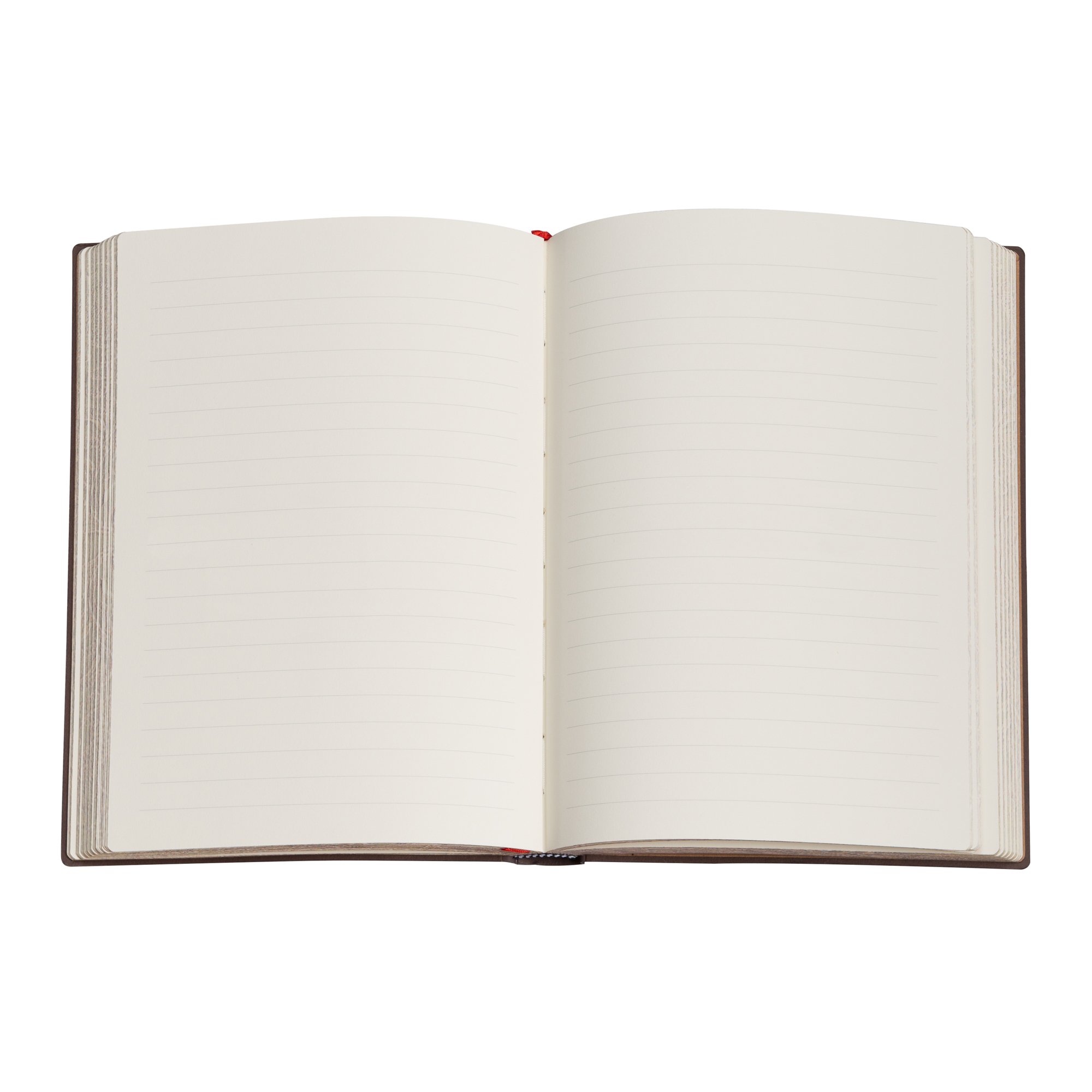
- Interior: Lined
- Closure: Elastic Band
- GSM (paper weight): 120 gsm
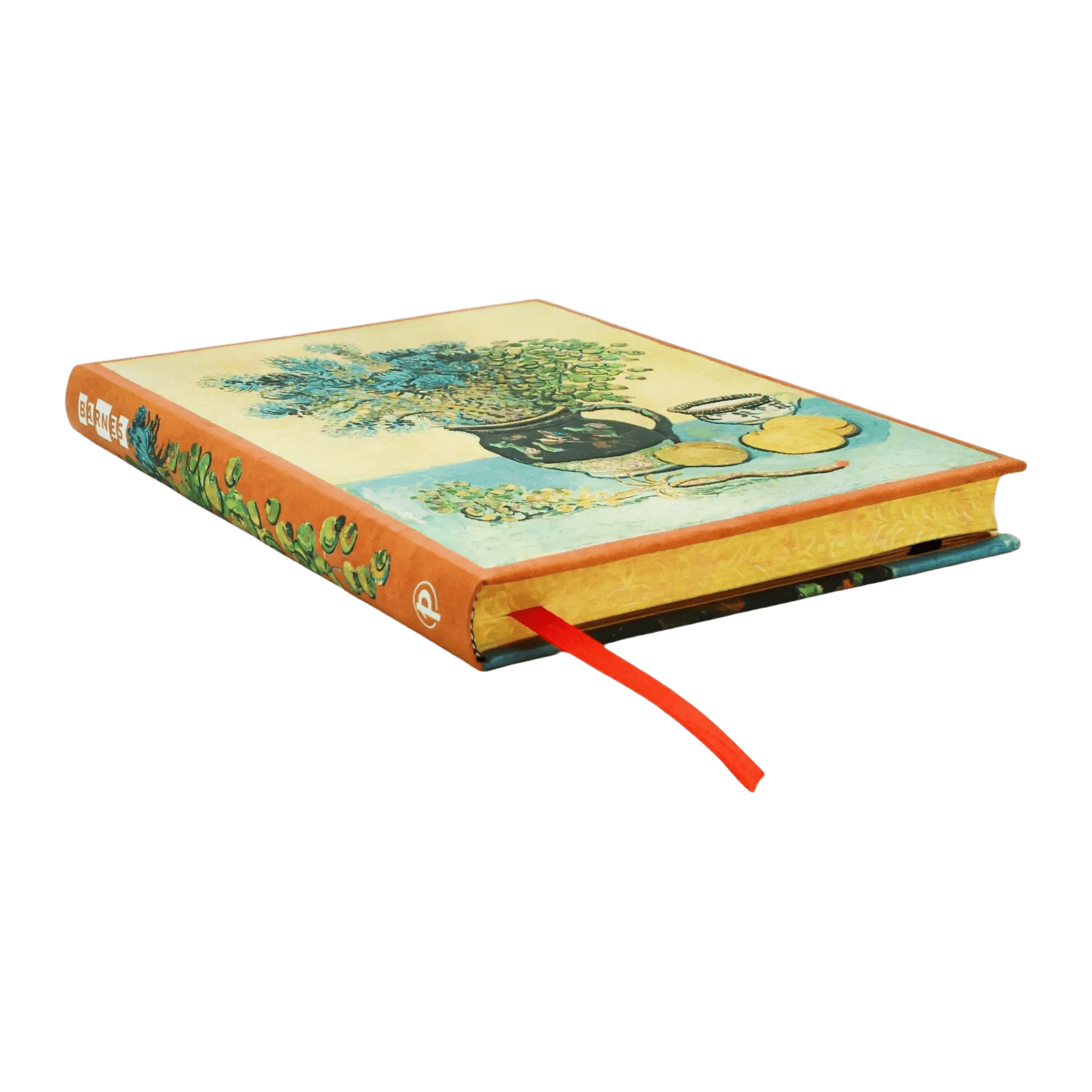
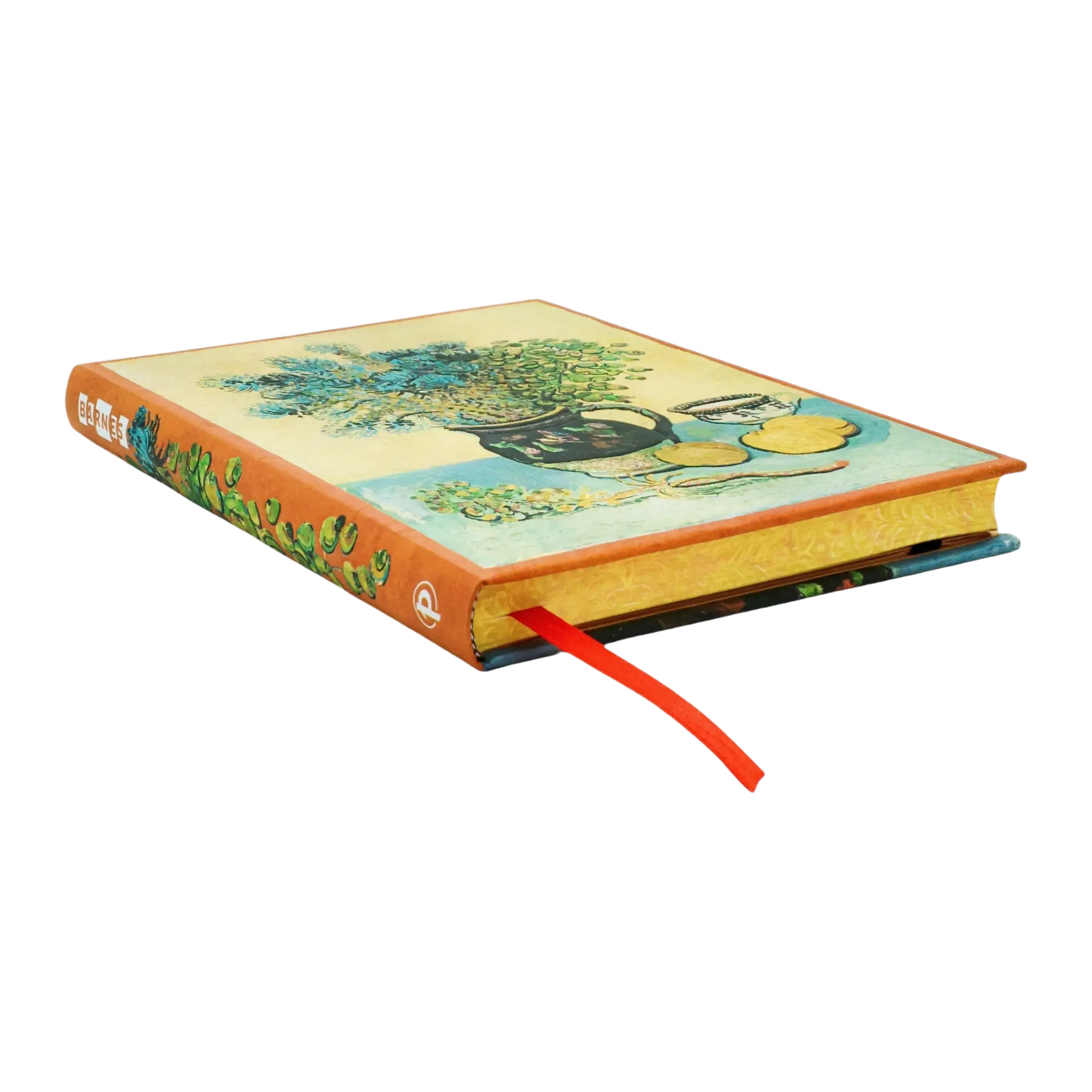
- Edge Printing: Yes
- Pouch Type: Memento Pouch
- Satin ribbon marker
- 100% recycled binder boards
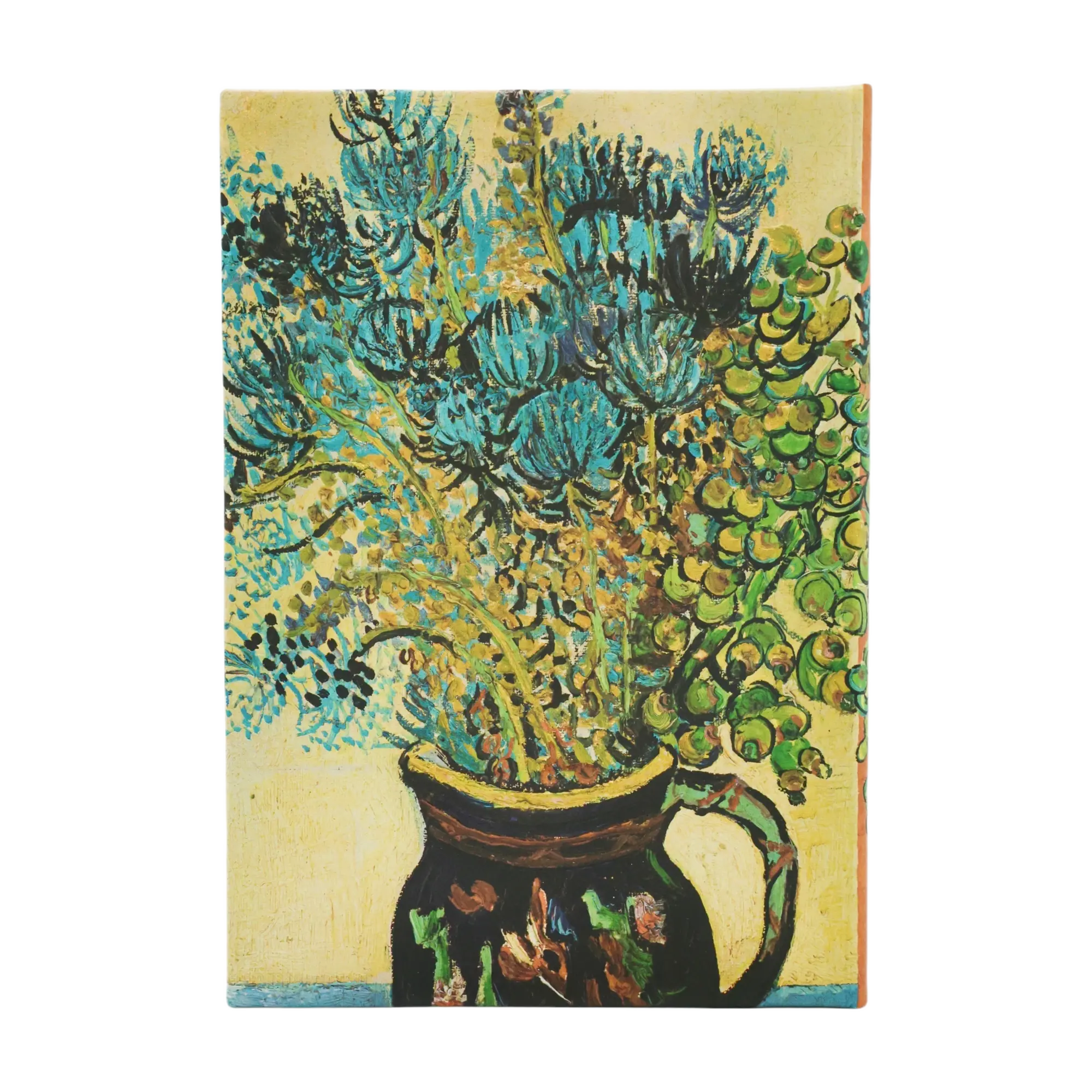
- Decorative printed cover paper
- Endpaper with credit and copyright information as well as historical background for the original artwork
- Threaded stitching and glue, as needed
- Acid-free sustainable forest paper
- Memento pouch
Considering the environmental impacts of doing business is important to us. That's why all of our paper is derived from sustainable forest pulp, our binder boards are made with 100% recycled materials and our paper is printed on acid-free, sustainable forest paper.
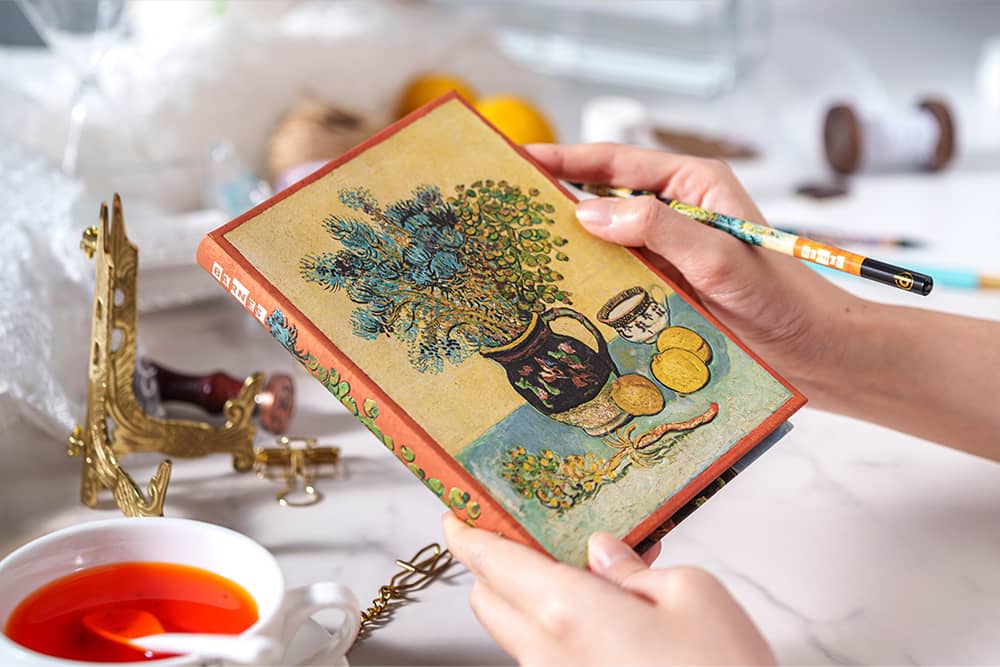
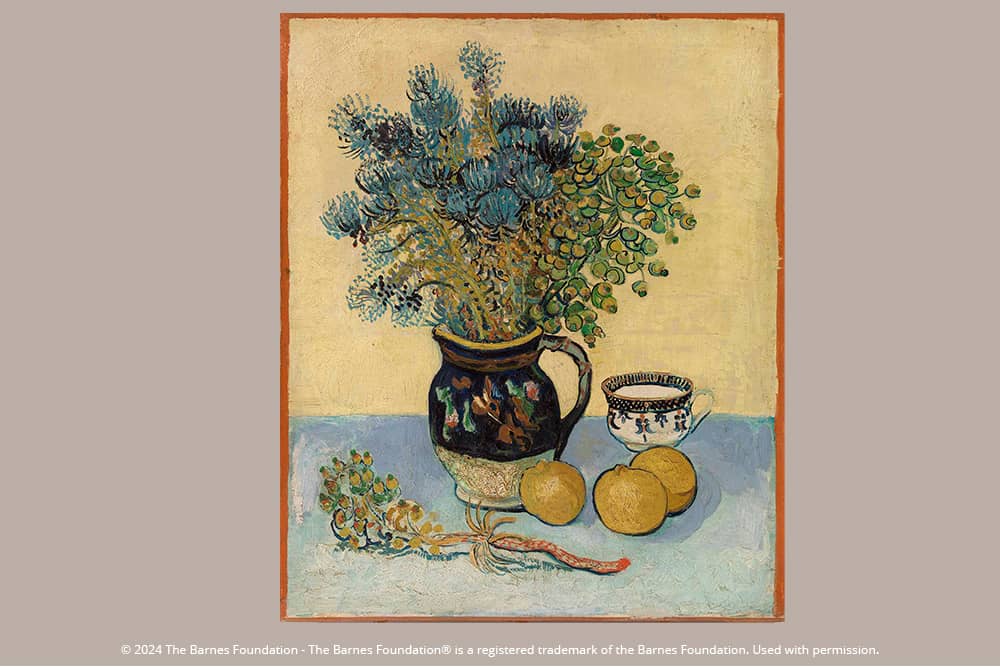
Dutch artist Vincent van Gogh (1853–1890) is remembered today as one of the most influential painters of all time. His use of expressive brushstrokes and bold colours contributed to the rise of expressionism in modern art.
Van Gogh was a prolific painter and created approximately 2100 artworks in just over a decade, most of them in the last two years of his life. Van Gogh flourished when surrounded by nature and created magnificent and uplifting works of art that showcased the natural world.
In February 1888, Van Gogh moved to the village of Arles in southern France in hopes of establishing an artistic retreat and commune. It was in Arles where his paintings became more brightly coloured and he fully embraced the renewing power of nature, depicting local olive groves, wheat fields, and flowers. Van Gogh was energized by his new environment, completing 200 paintings and more than 100 drawings and watercolours during his time there.
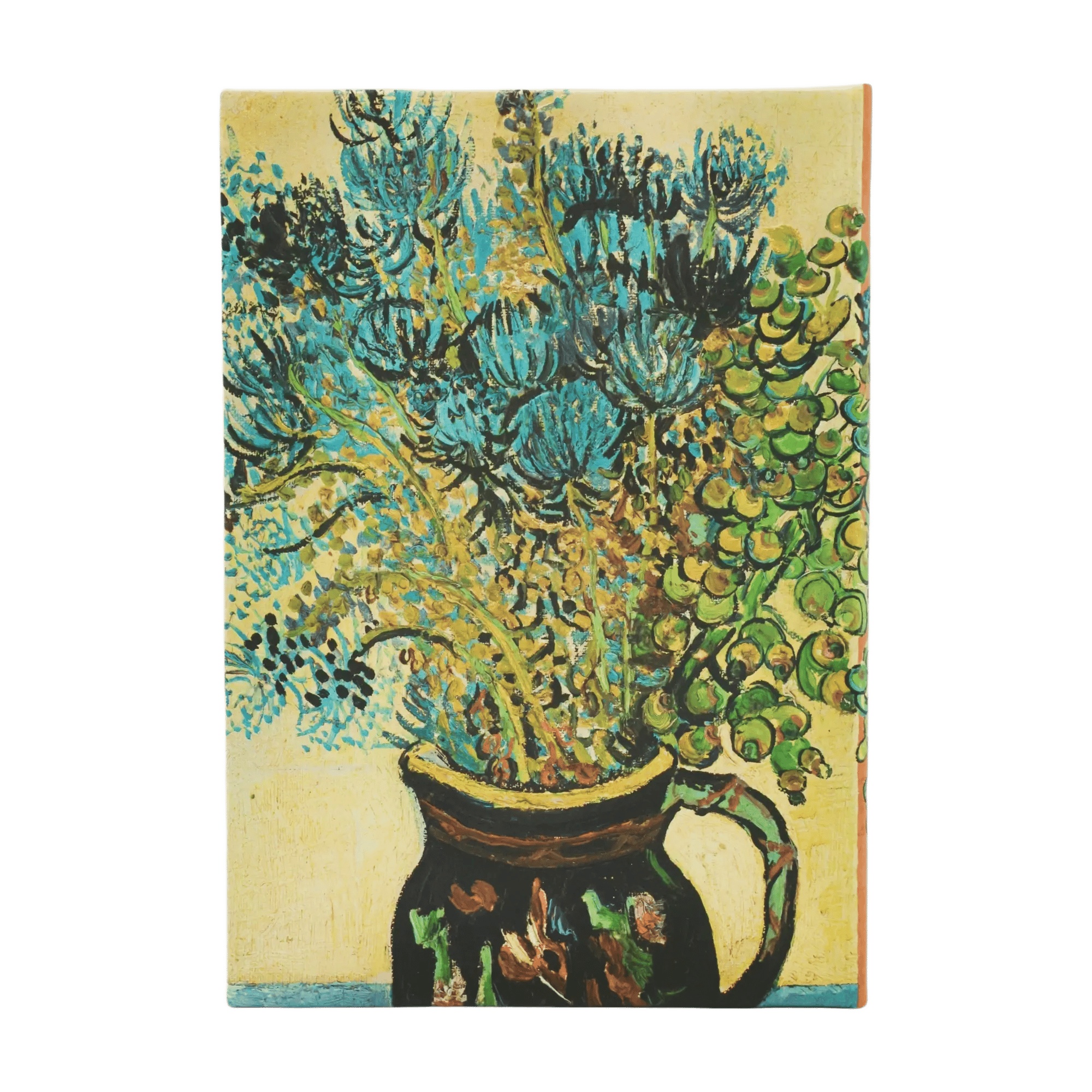
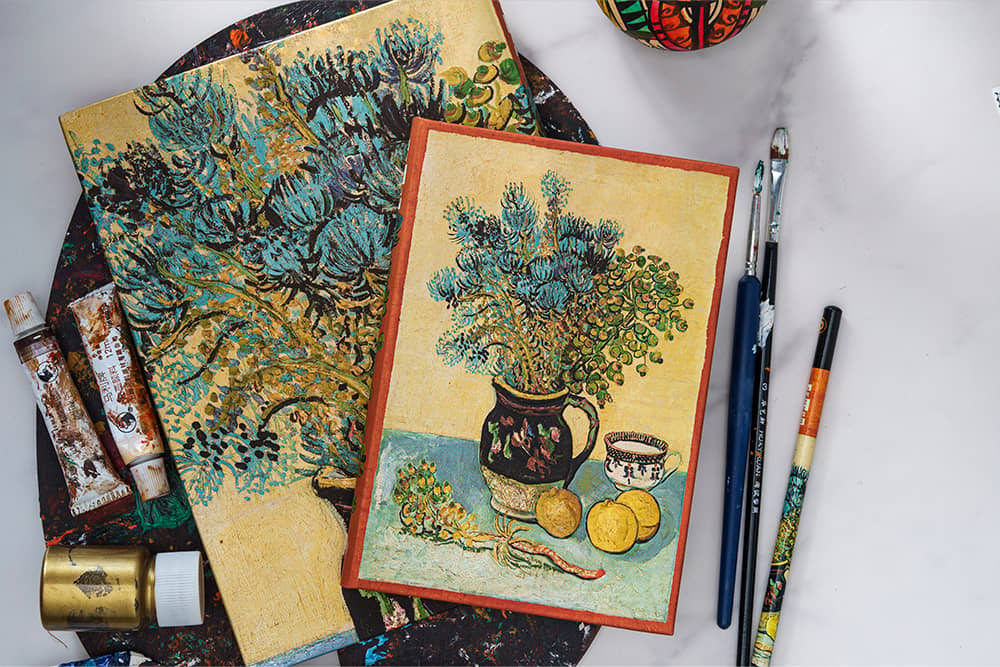
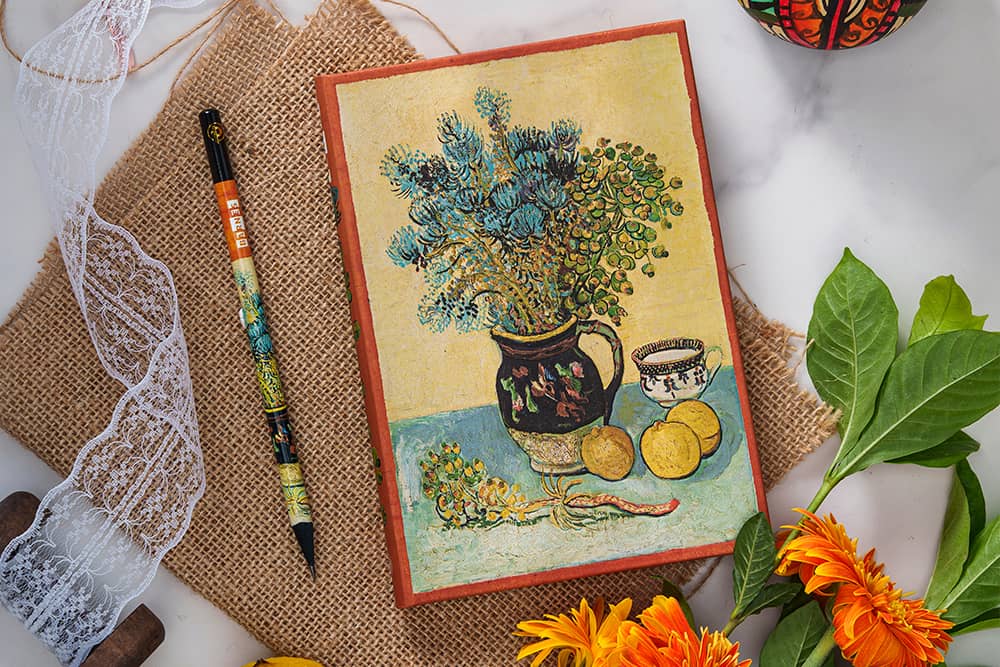
Van Gogh often called his still life pieces “colour studies.” By arranging flowers in different combinations and setting them against saturated fields of colour, he experimented with bold new chromatic relationships. Reproduced on this cover is the canvas Still Life (Nature morte), which he painted in May 1888, a few months after his move to the village. Several artworks from his Arles period feature the same objects depicted here – the blue majolica vase with painted decoration, filled with vibrant blue and yellow flowers, and the white teacup.
We are honoured to partner with the Barnes Foundation, an educational institution based in Philadelphia, to reproduce one of Van Gogh’s finest pieces of still life as part of our collaborative collection.
Need Help?
In case of any questions, check out our FAQs here. If you still can't find your answer, you can contact us at the link below.
Contact Us