
Journals
Inferno
Divine Comedy
Item no. 9781439772300
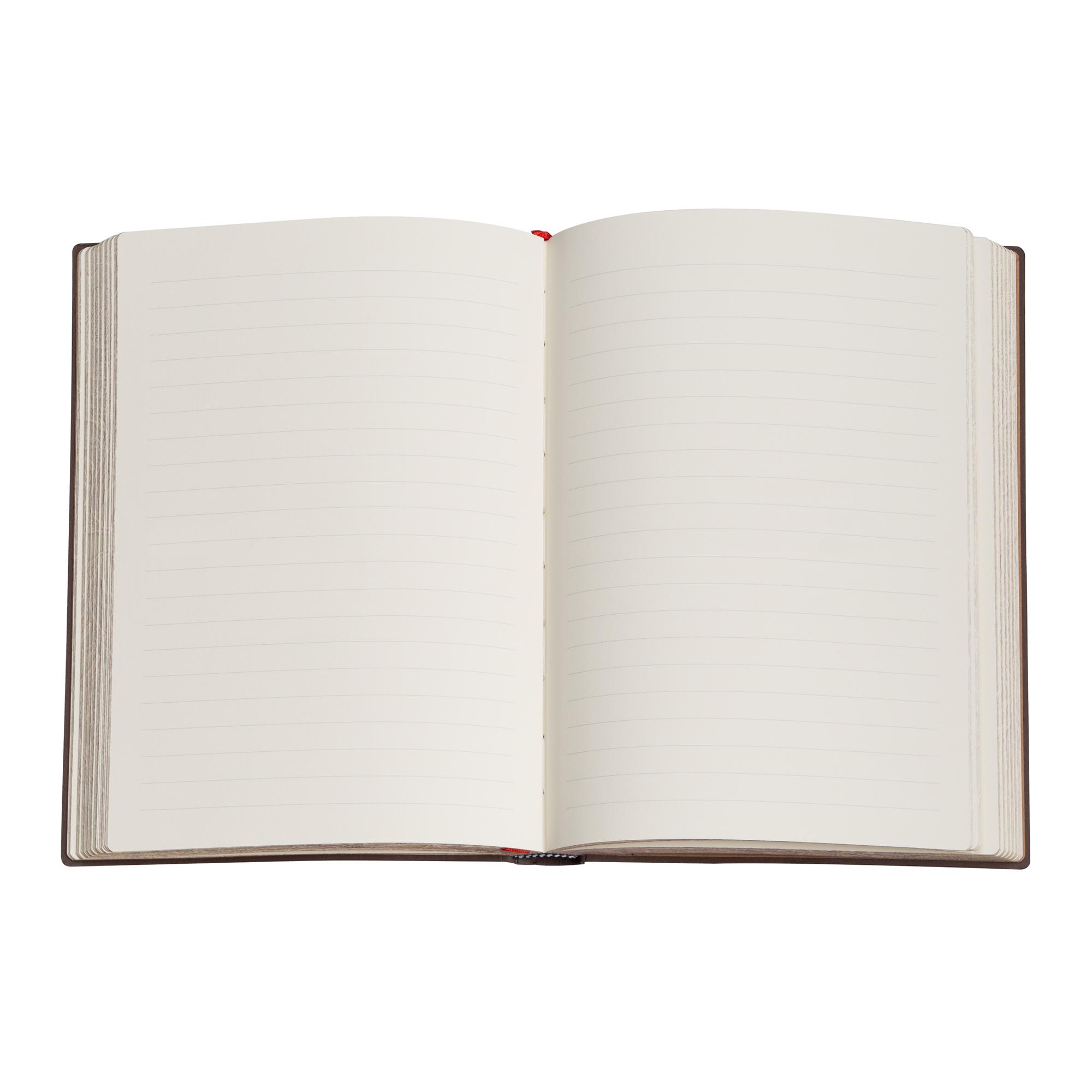
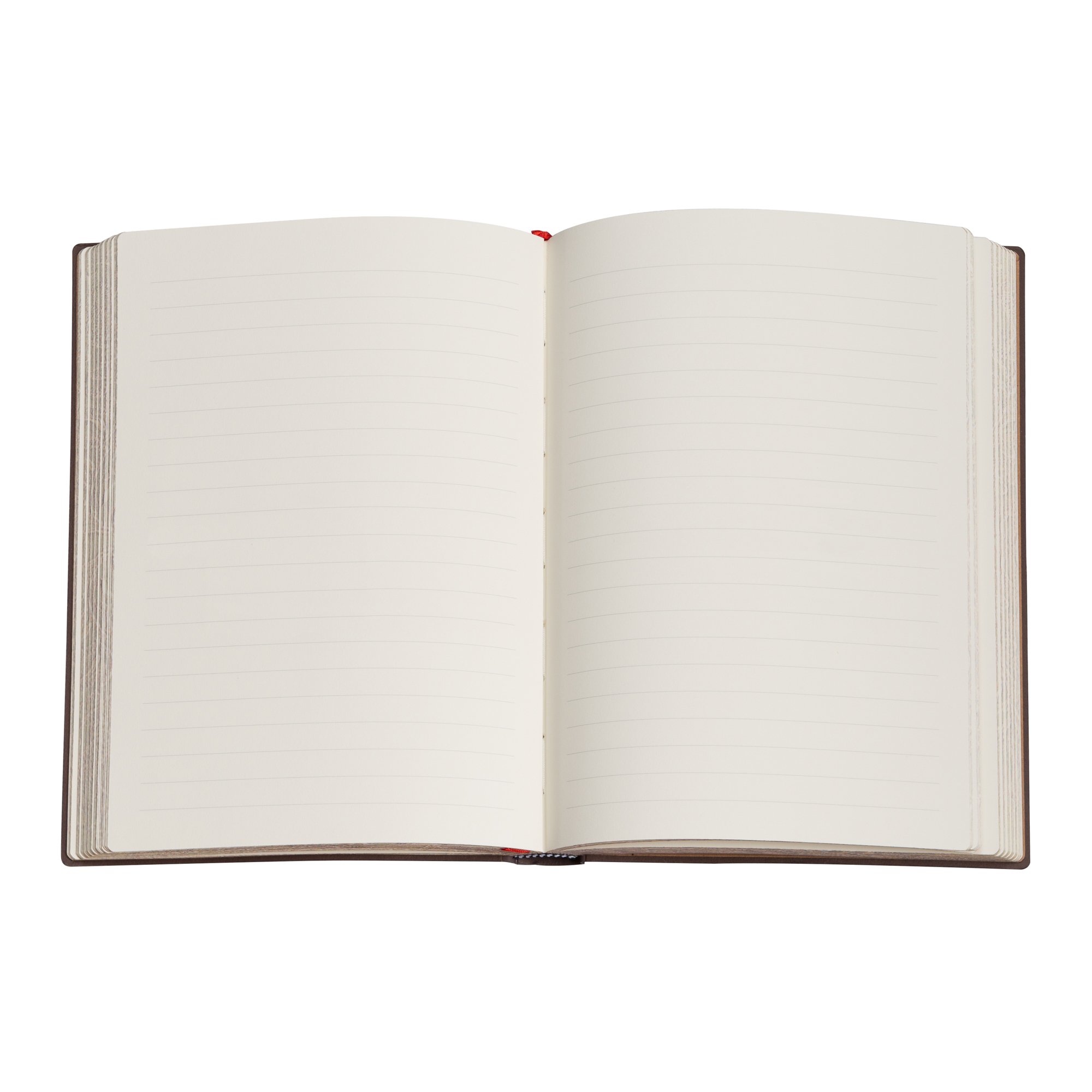
- Interior: Lined
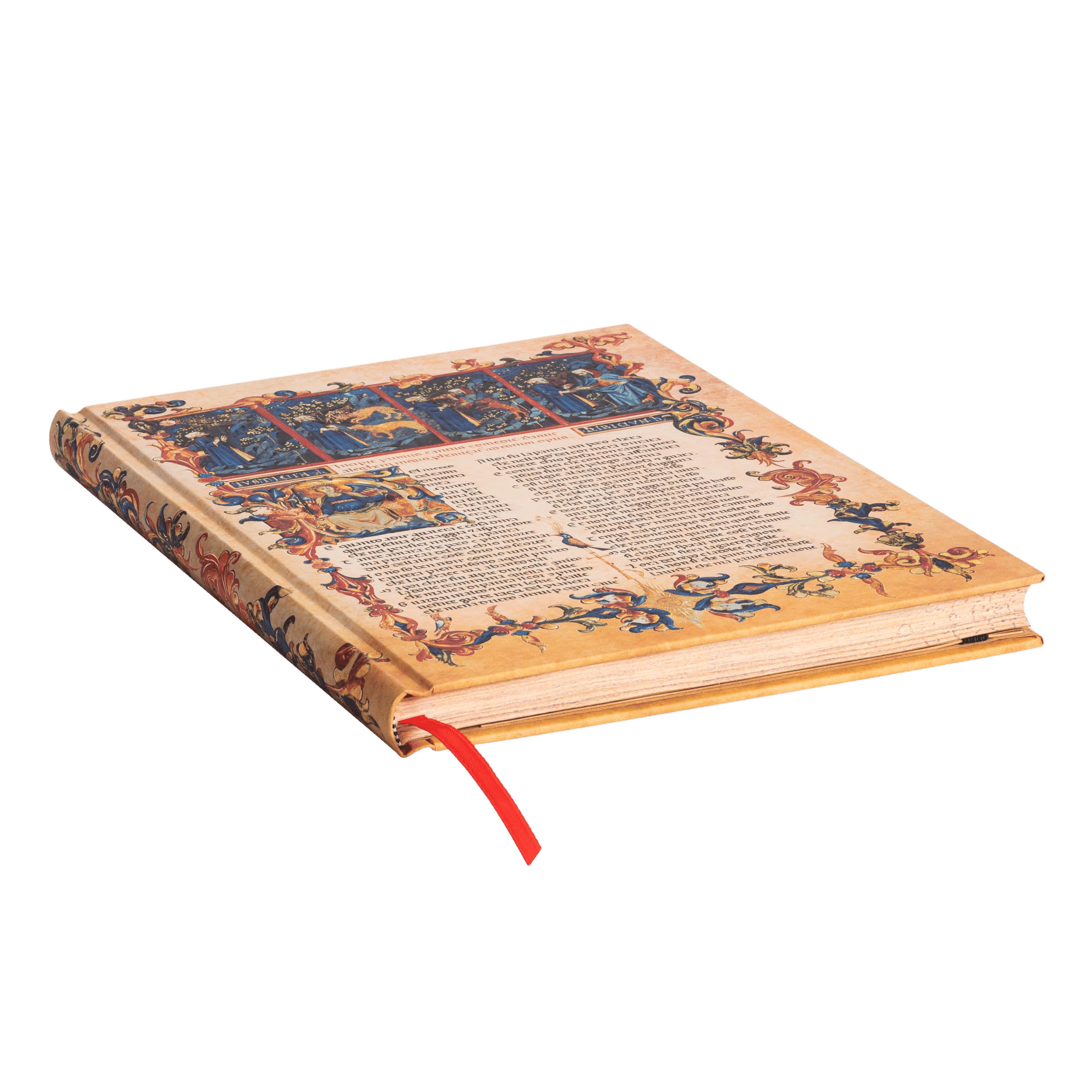
- Closure: Elastic Band
- GSM (paper weight): 120 gsm
- Edge Printing: Yes
- Pouch Type: Memento Pouch
- Satin ribbon marker
- 100% recycled binder boards
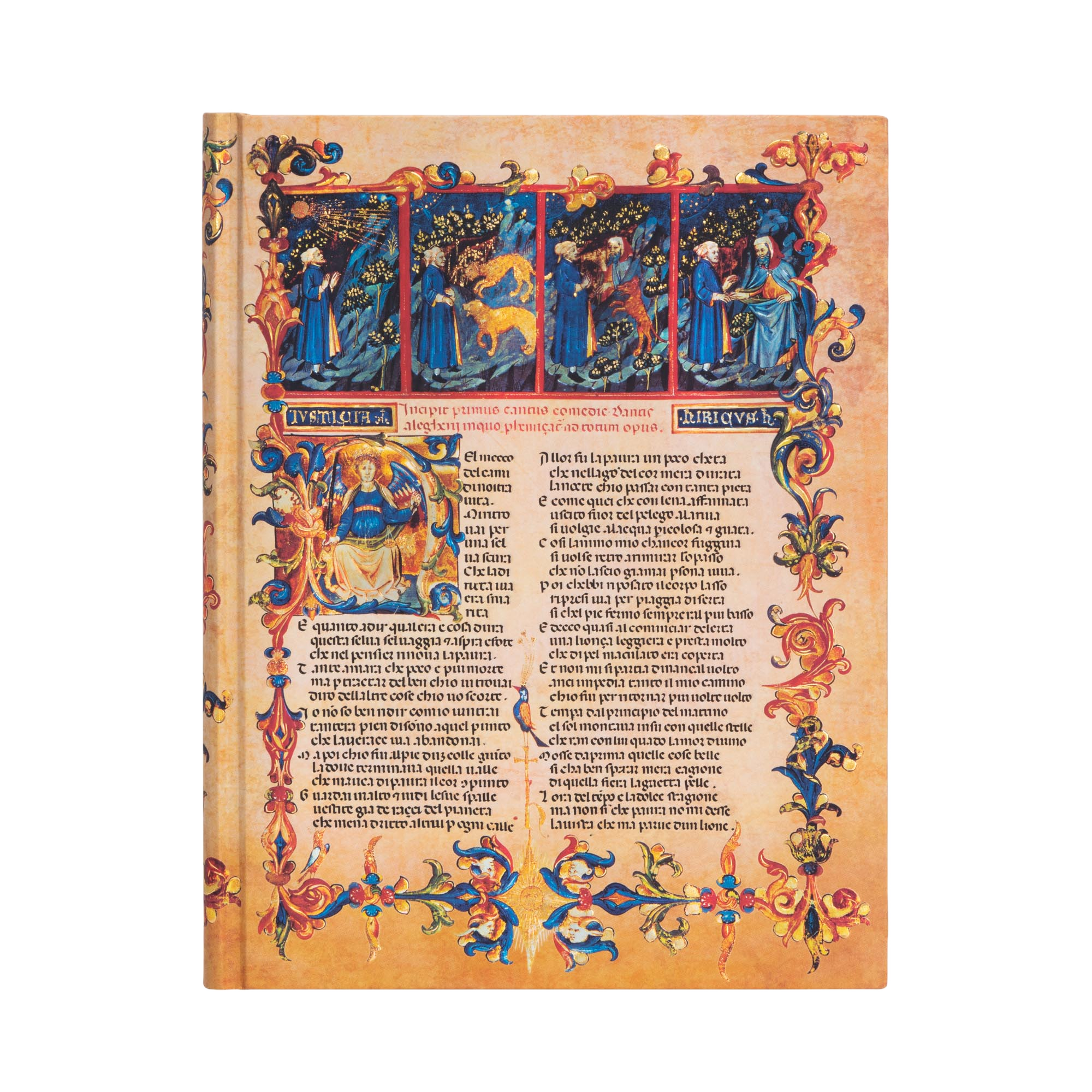
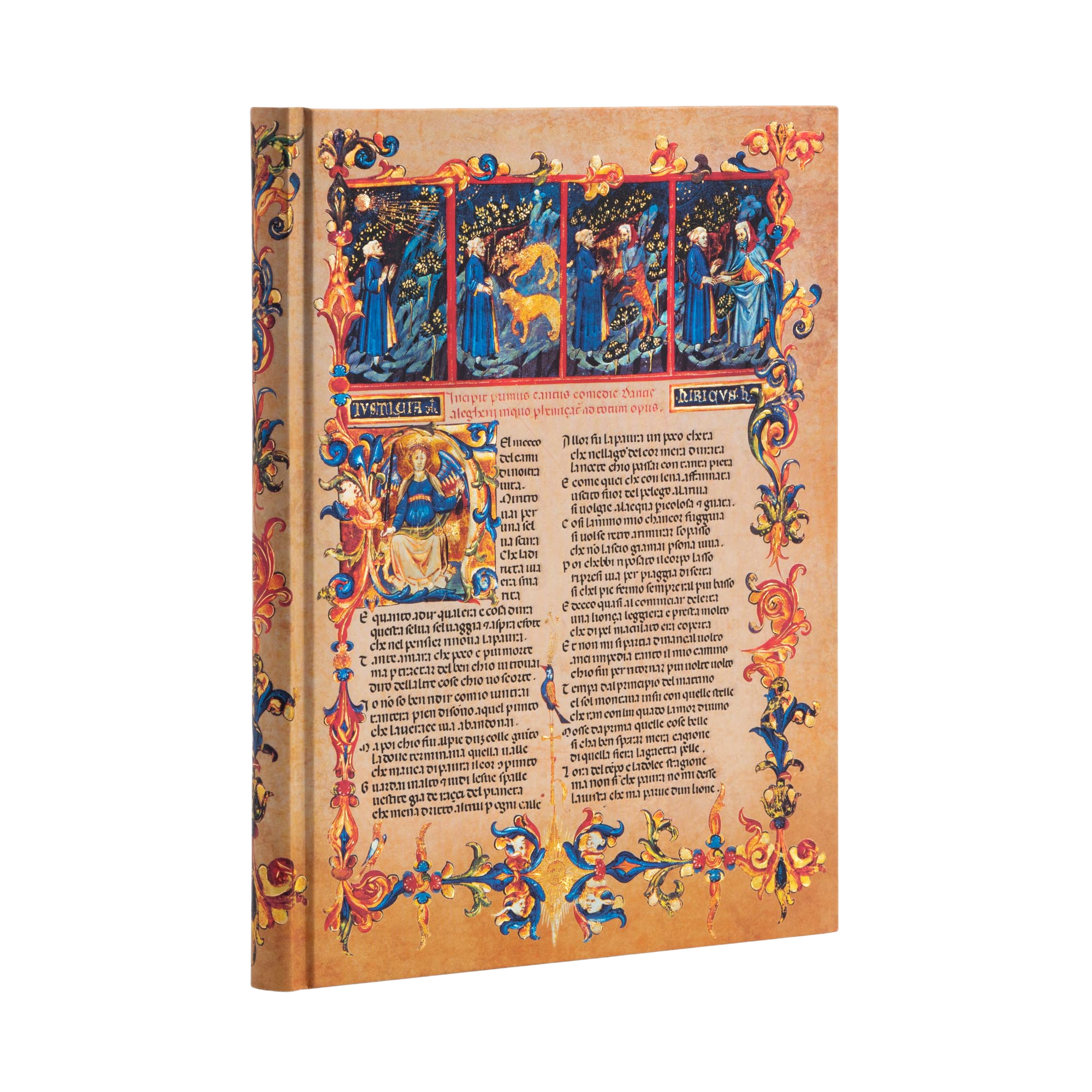
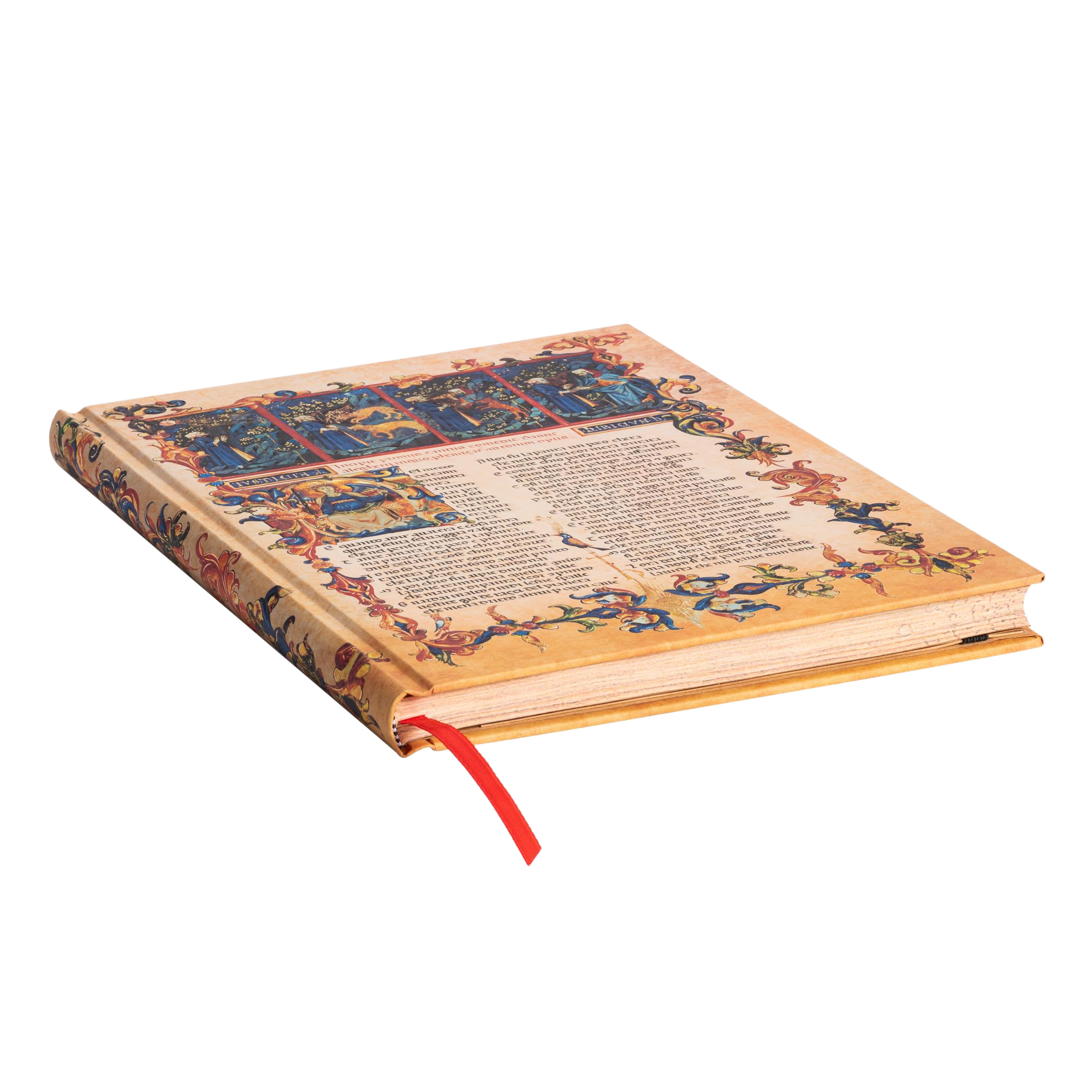
- Decorative printed cover paper
- Endpaper with credit and copyright information as well as historical background for the original artwork
- Threaded stitching and glue, as needed
- Acid-free sustainable forest paper
- Memento pouch
Considering the environmental impacts of doing business is important to us. That's why all of our paper is derived from sustainable forest pulp, our binder boards are made with 100% recycled materials and our paper is printed on acid-free, sustainable forest paper.
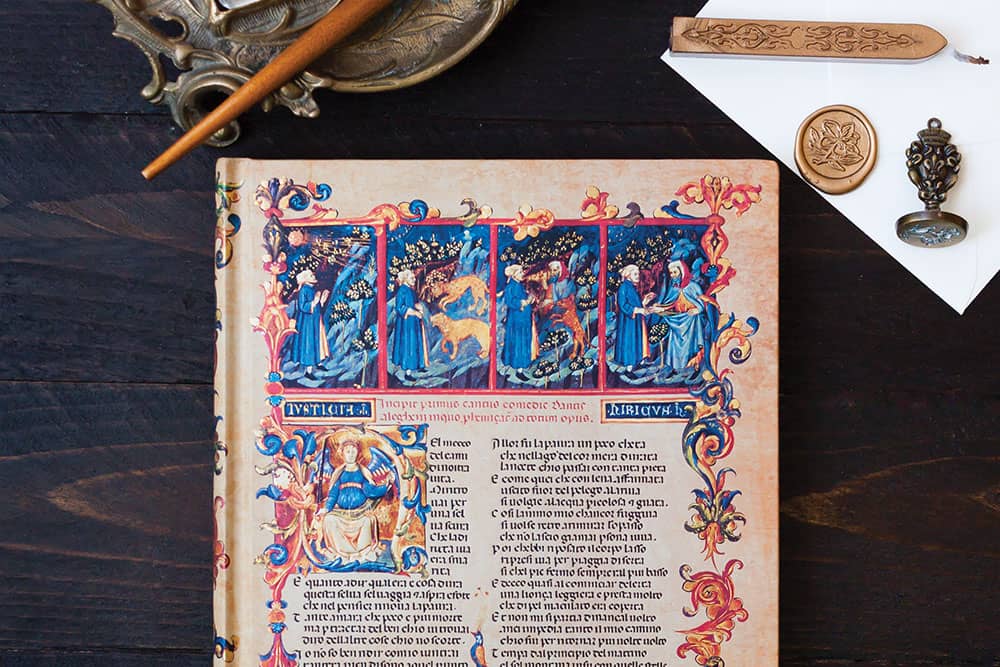
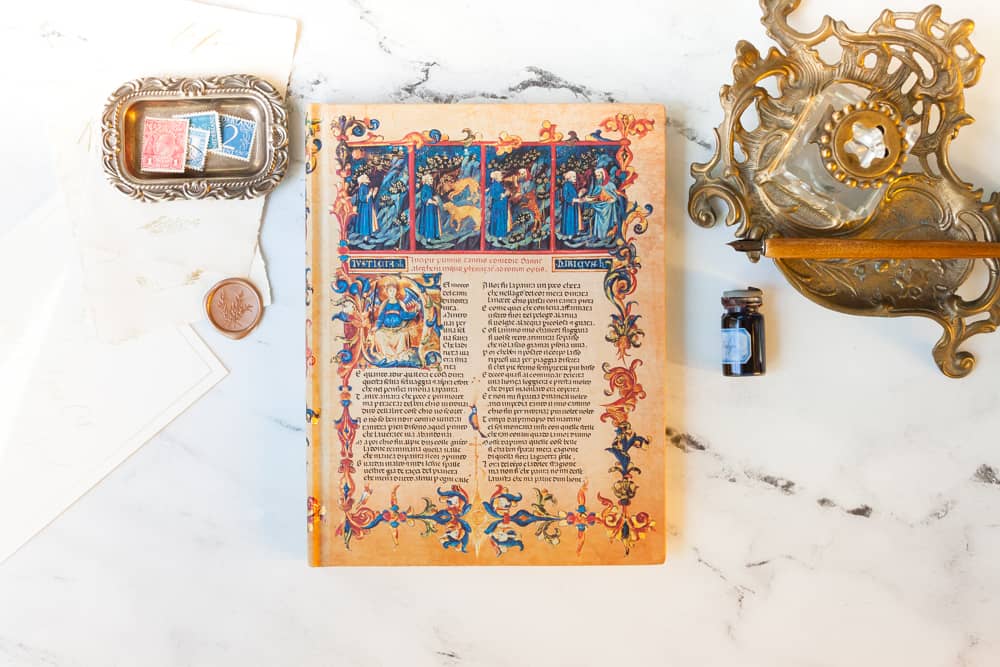
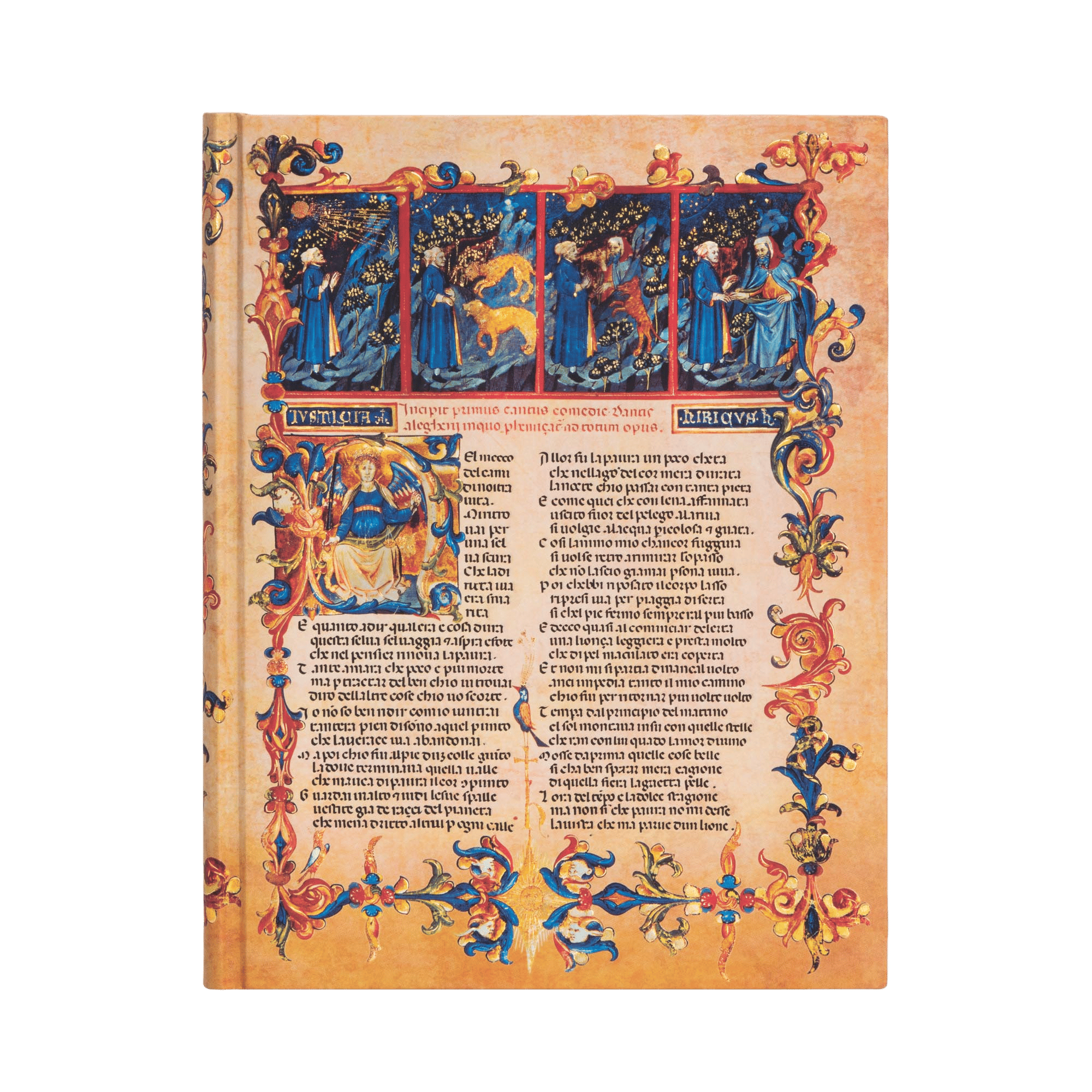
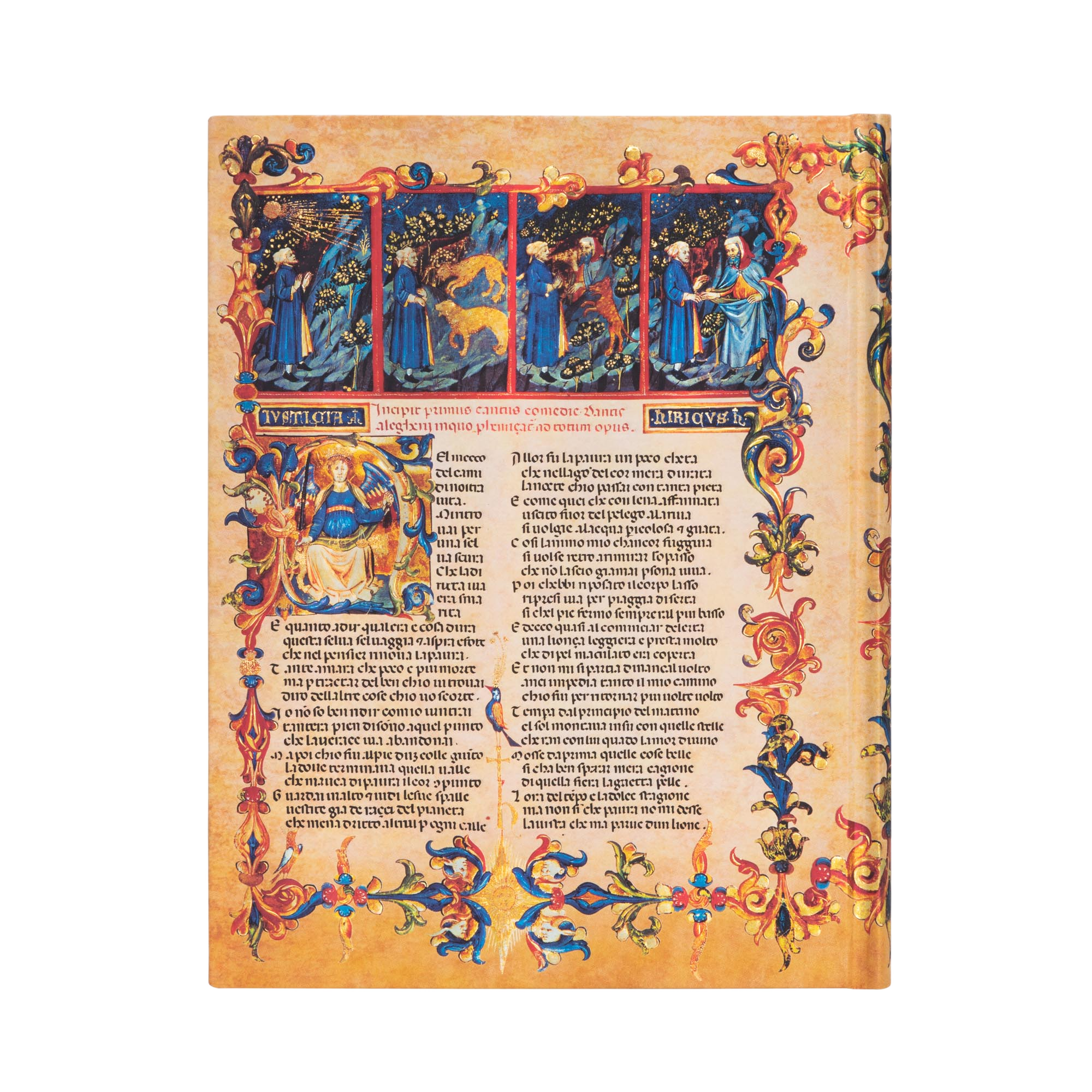
Dante’s Divine Comedy (or Divina Commedia) is widely considered to be not only the most important poem of the Middle Ages, but the all-time greatest work of Italian literature. High praise indeed, but when one considers the lasting impact this 14th-century narrative poem has had on art and culture, it is hard to deny it the honour.
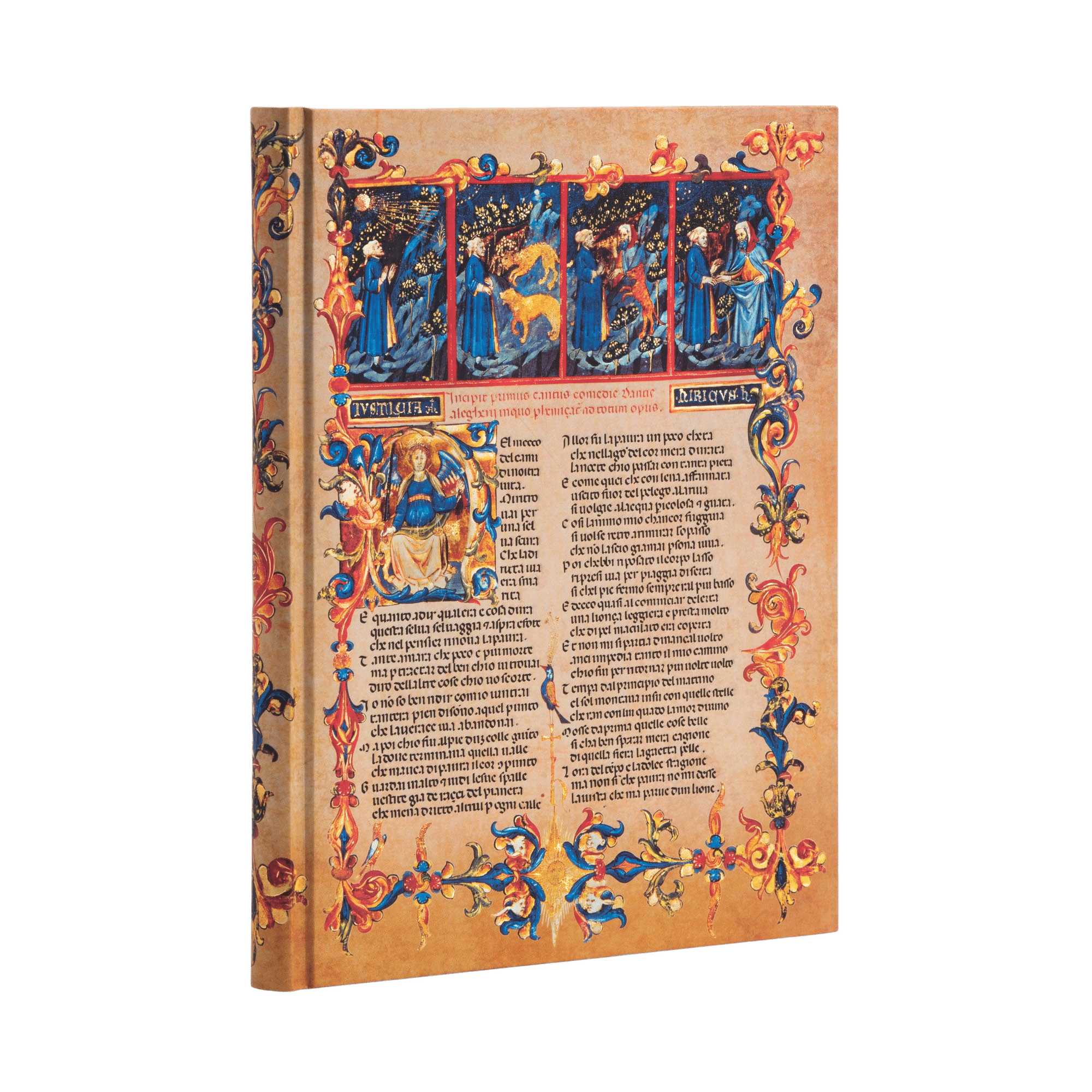
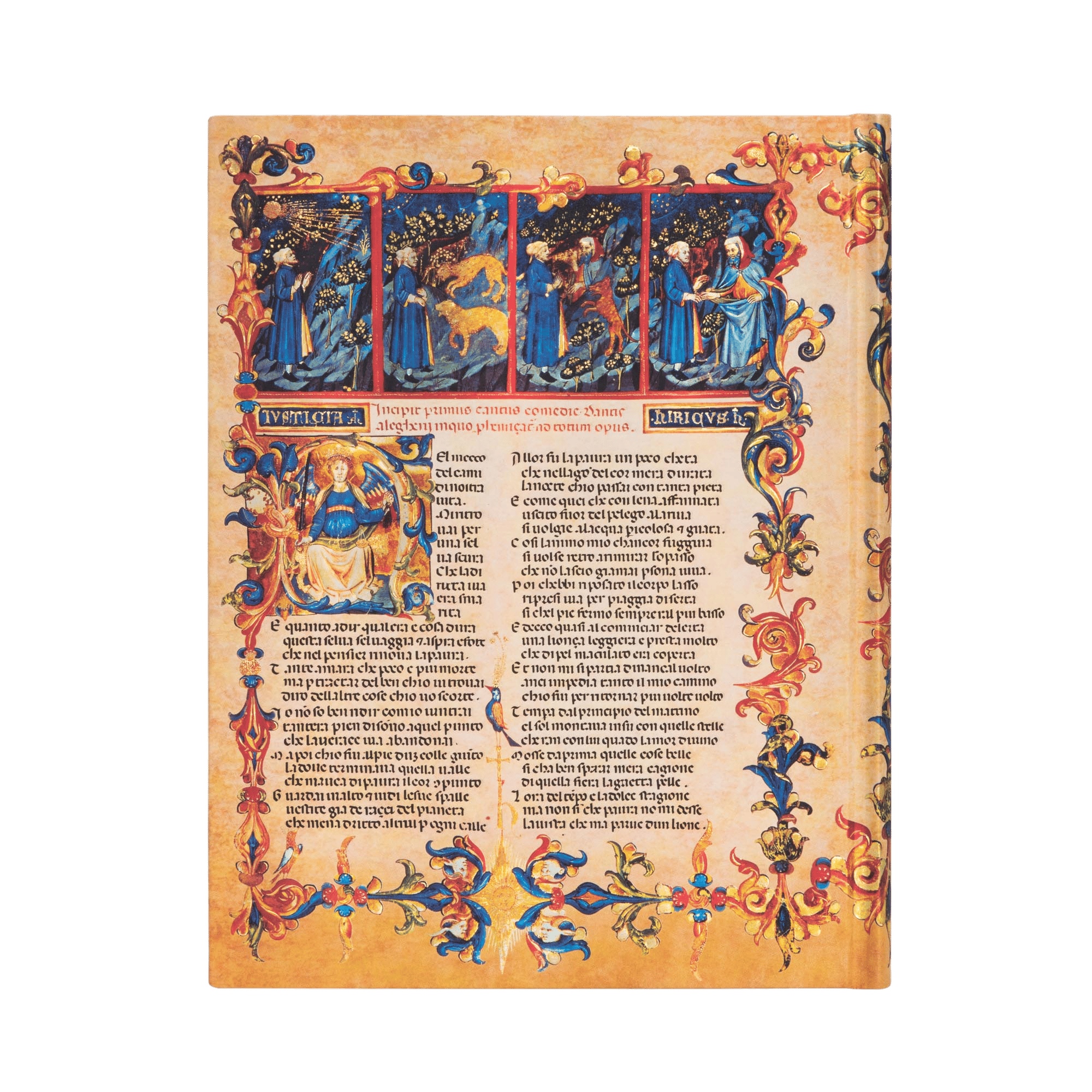
Dante Alighieri (1265–1321) composed this epic work over a period of 12 years, finally completing it in 1320. First titled by the author as Comedìa (“comedy,” as opposed to “tragedy,” the other common type of narrative theme in his day), the “Divina” was added by Giovanni Boccaccio in the 1500s. Dante divided the piece into three parts – Inferno, Purgatorio and Paradiso – and it is the first canto from Inferno that we have reproduced for this cover. Though no original manuscripts by Dante himself have survived, this is from a 14th-century manuscript copy, one of the earliest produced.
The Divine Comedy was instrumental in establishing the literature of Italy, and Dante’s depictions of Hell (Inferno), Purgatory and Heaven as part of the soul’s journey to God continue to inspire writers and artists today. His imaginative vision of the afterlife is emblematic of the medieval worldview and, though it was written as a religious poem, it has inspired writers and artists from all backgrounds in the centuries that followed. Because Dante wrote this in the common Tuscan dialect, rather than the high art language of Latin, his poem was more widely available to readers and helped to establish Tuscan as the standardized Italian language.
John Milton, Geoffrey Chaucer and Alfred Lord Tennyson all counted themselves as fans of the work, and so do we! We are thrilled to add this beautiful illuminated manuscript copy of Dante’s Divine Comedy to the Paperblanks collection.
Need Help?
In case of any questions, check out our FAQs here. If you still can't find your answer, you can contact us at the link below.
Contact Us