



Journals
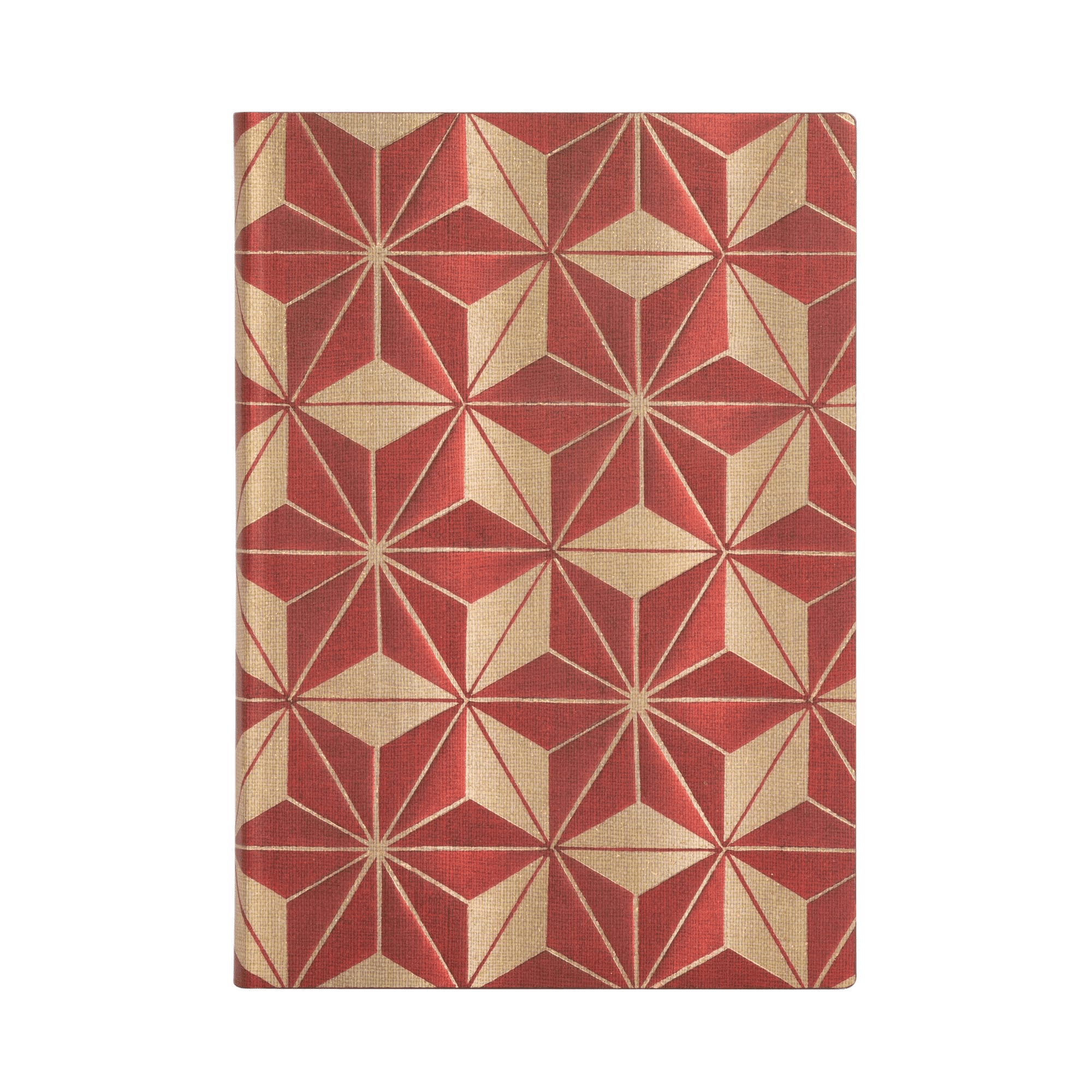
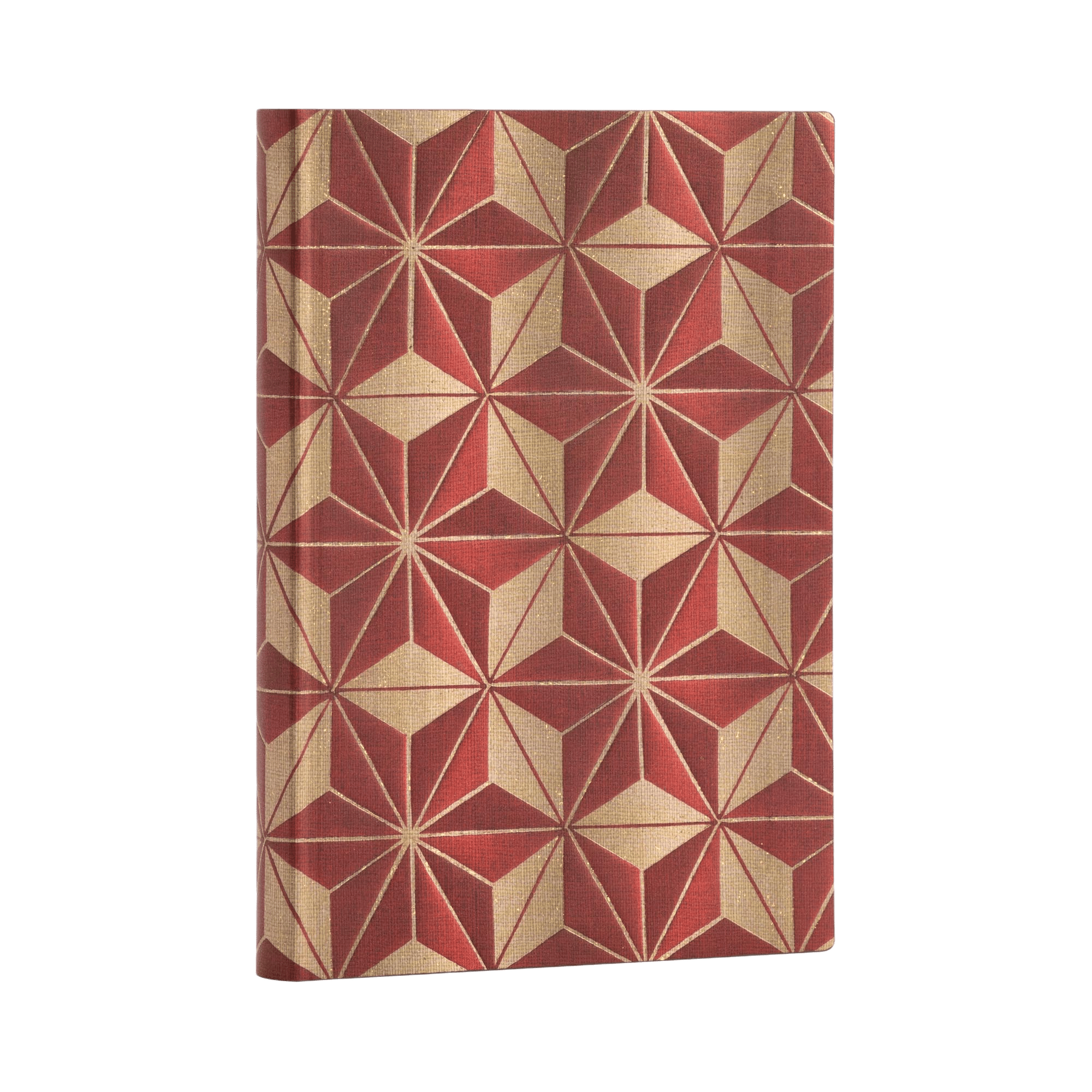
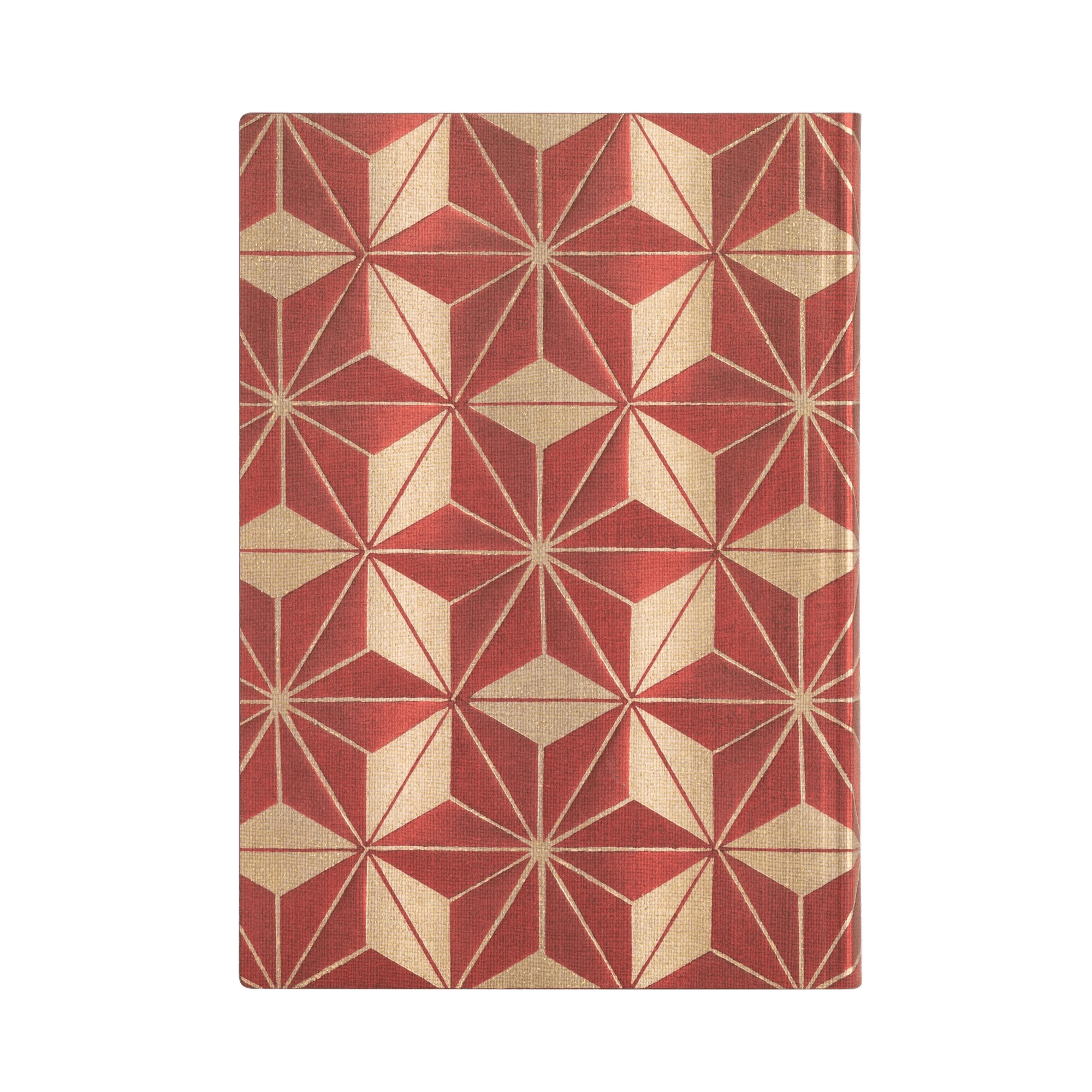
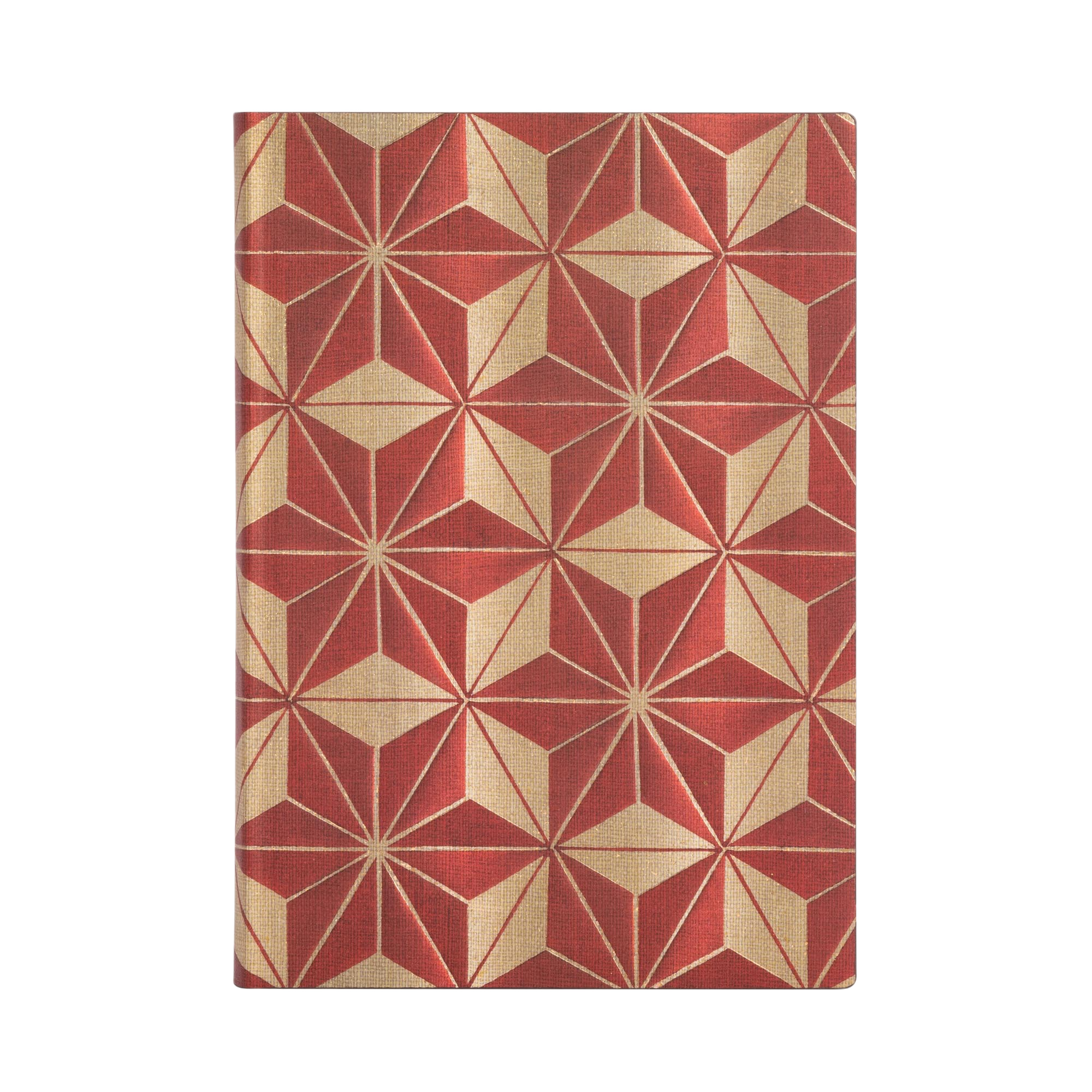
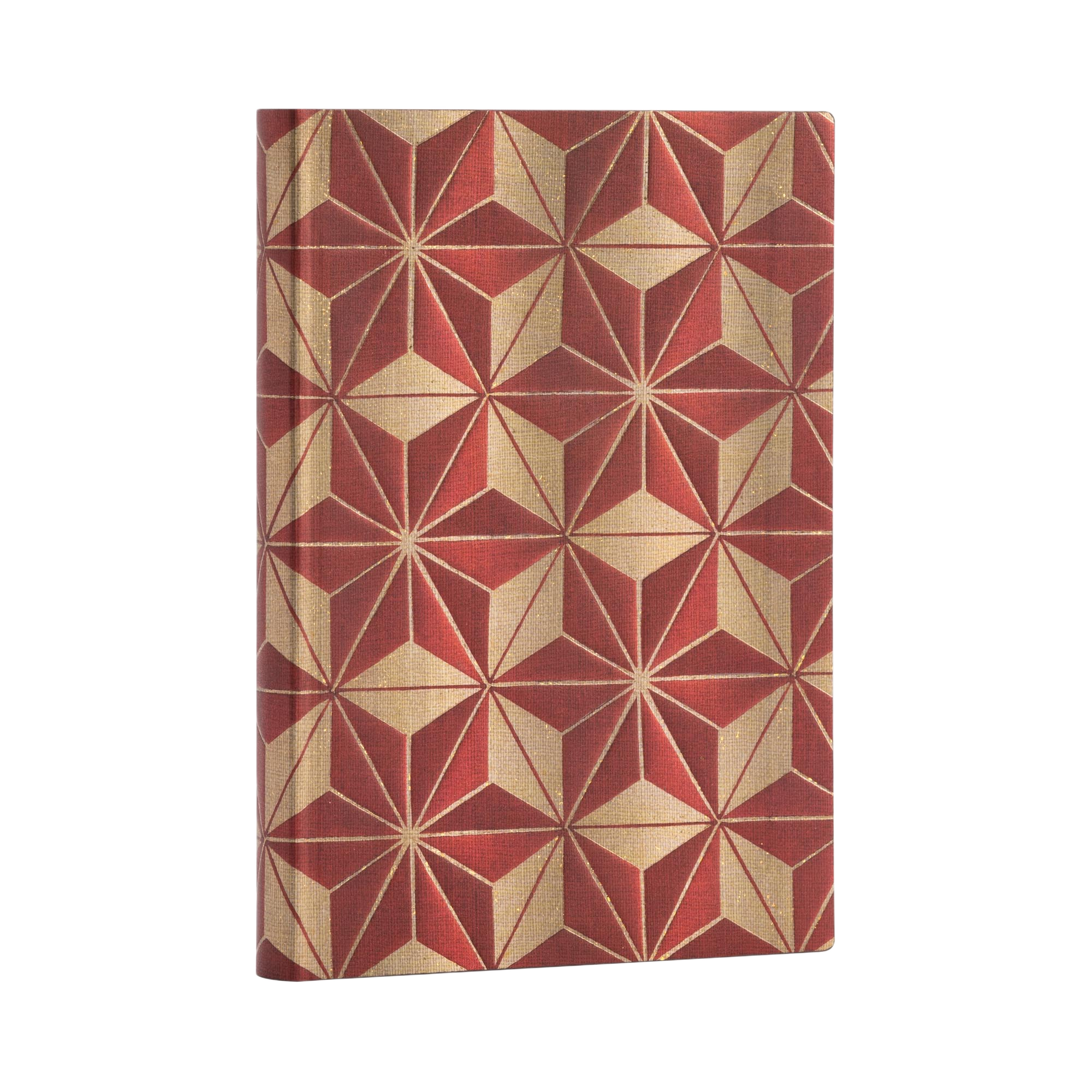
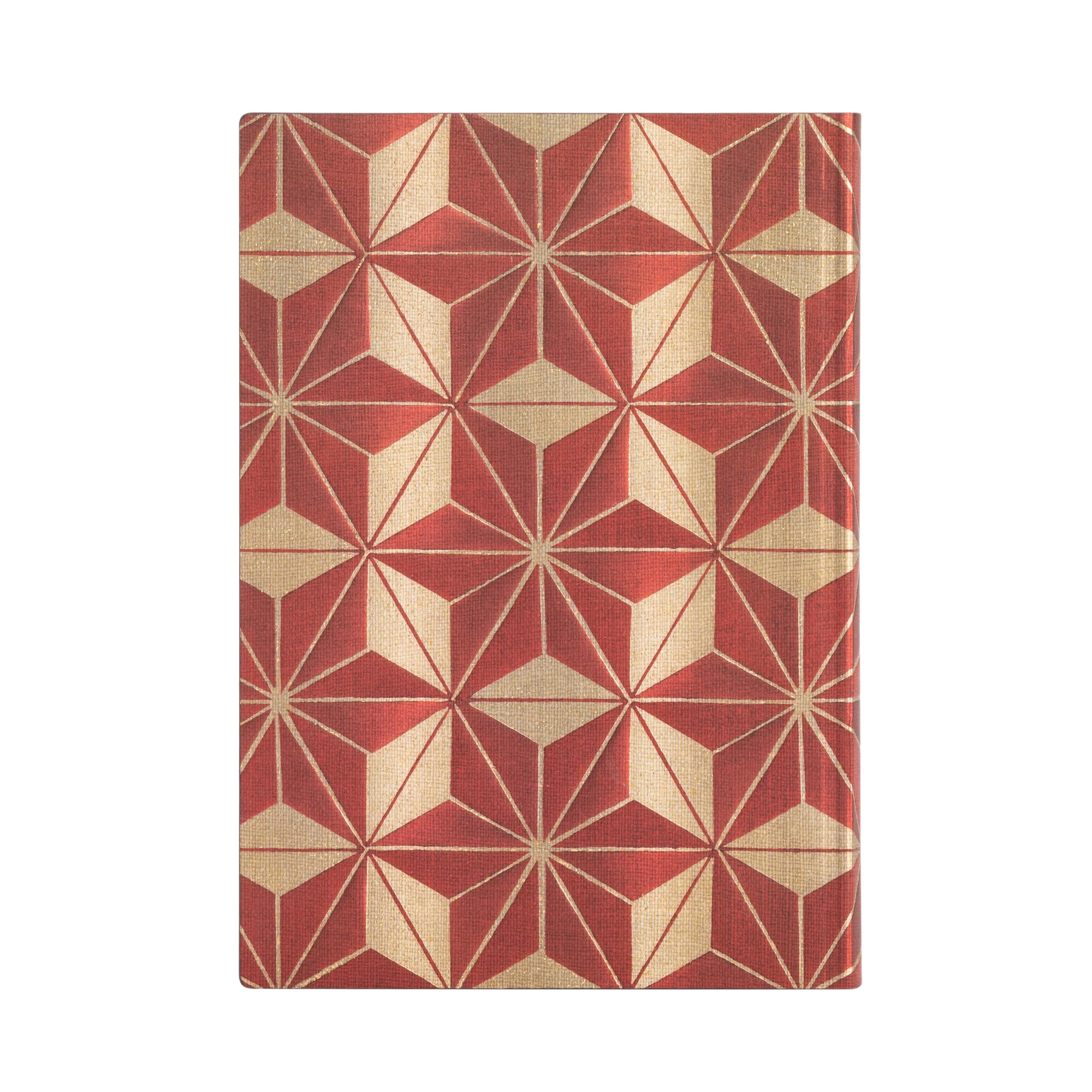
Hishi
Ukiyo-e Kimono Patterns
Item no. 9781439781029
- Interior: Lined
- Closure: No Closure
- GSM (paper weight): 100 gsm
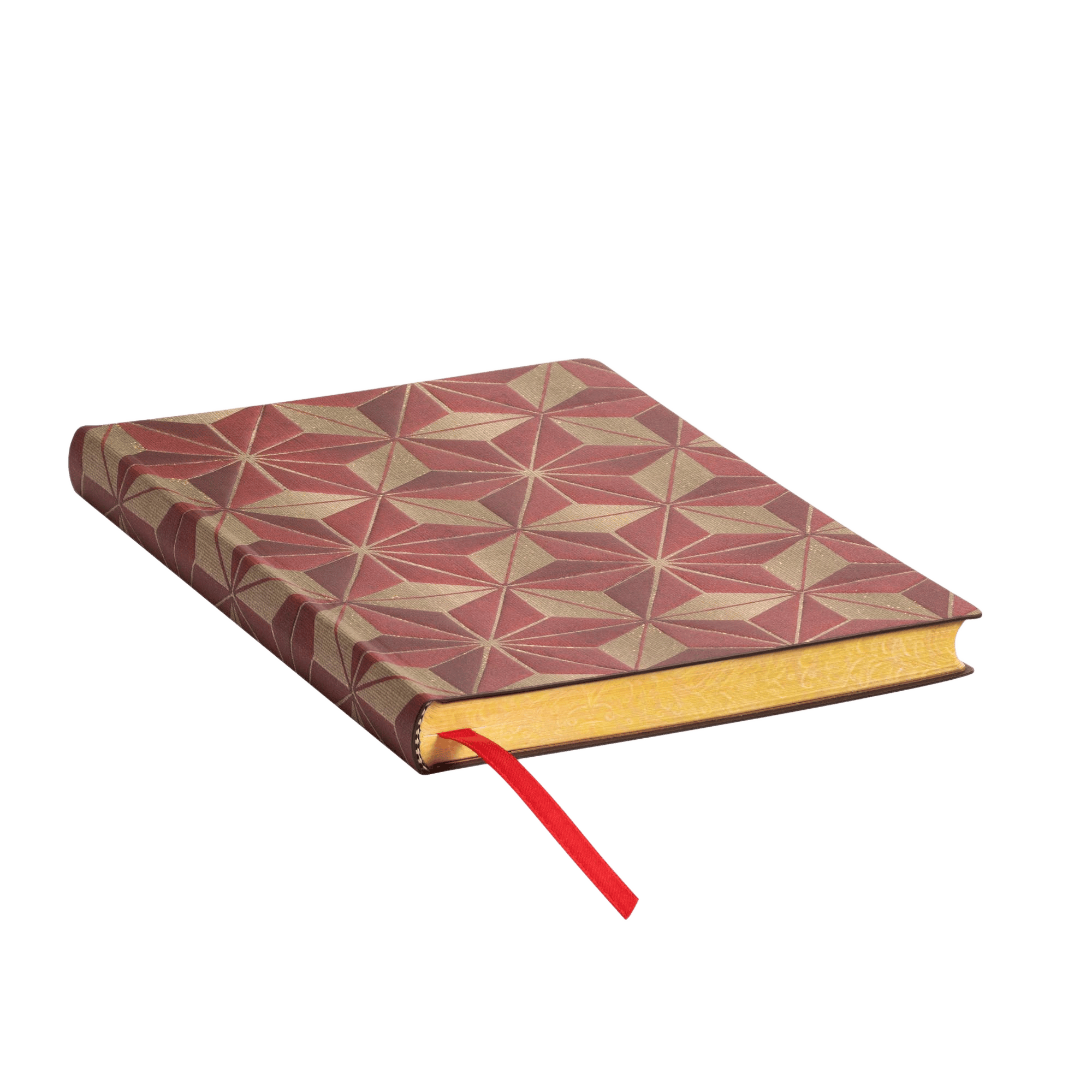
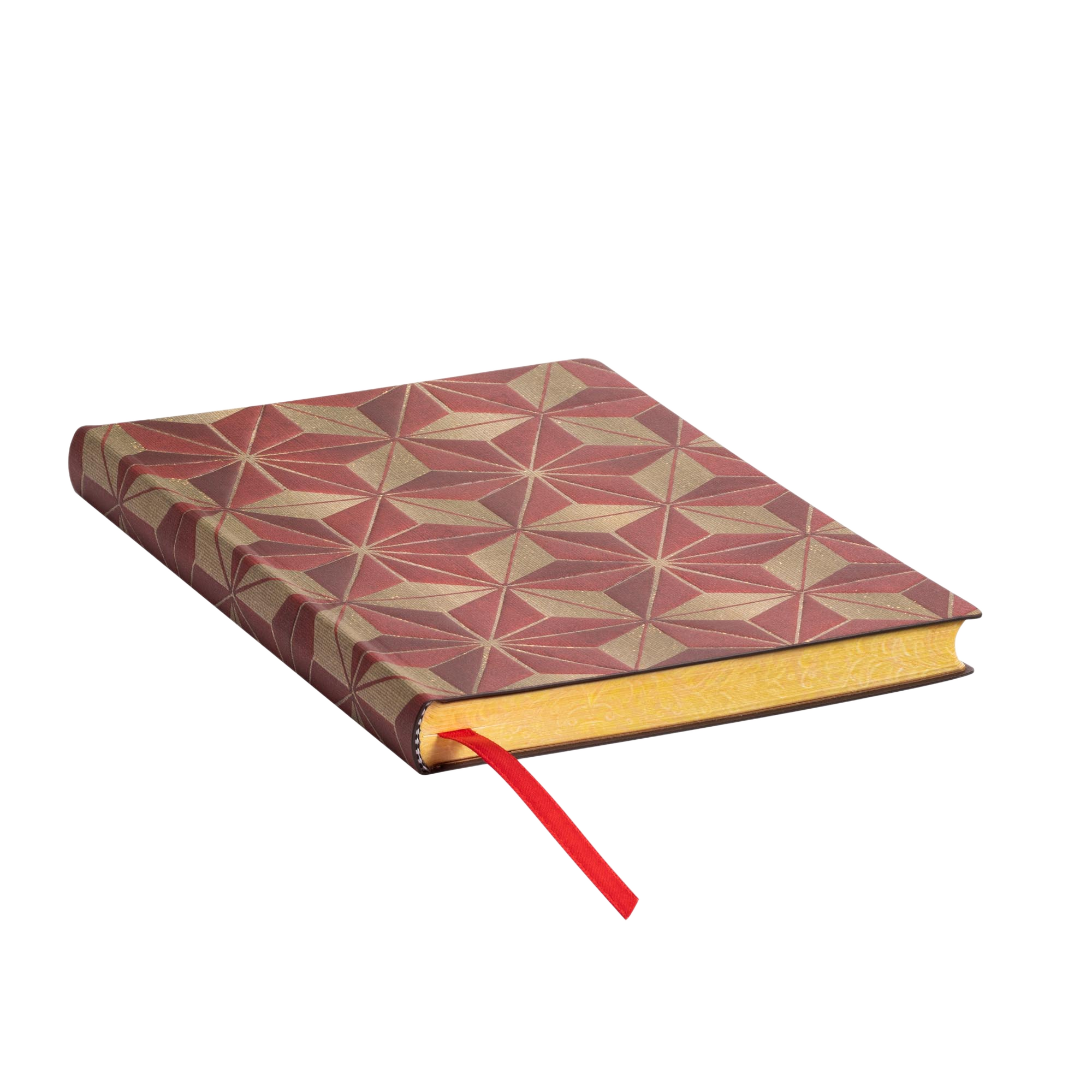
- Edge Printing: Yes
- Pouch Type: Back Cover Pouch
- Satin ribbon marker
- 100% recycled binder boards
- Decorative printed cover paper
- Endpaper with credit and copyright information as well as historical background for the original artwork
- Threaded stitching and glue, as needed
- Acid-free sustainable forest paper
- Memento pouch
Considering the environmental impacts of doing business is important to us. That's why all of our paper is derived from sustainable forest pulp, our binder boards are made with 100% recycled materials and our paper is printed on acid-free, sustainable forest paper.
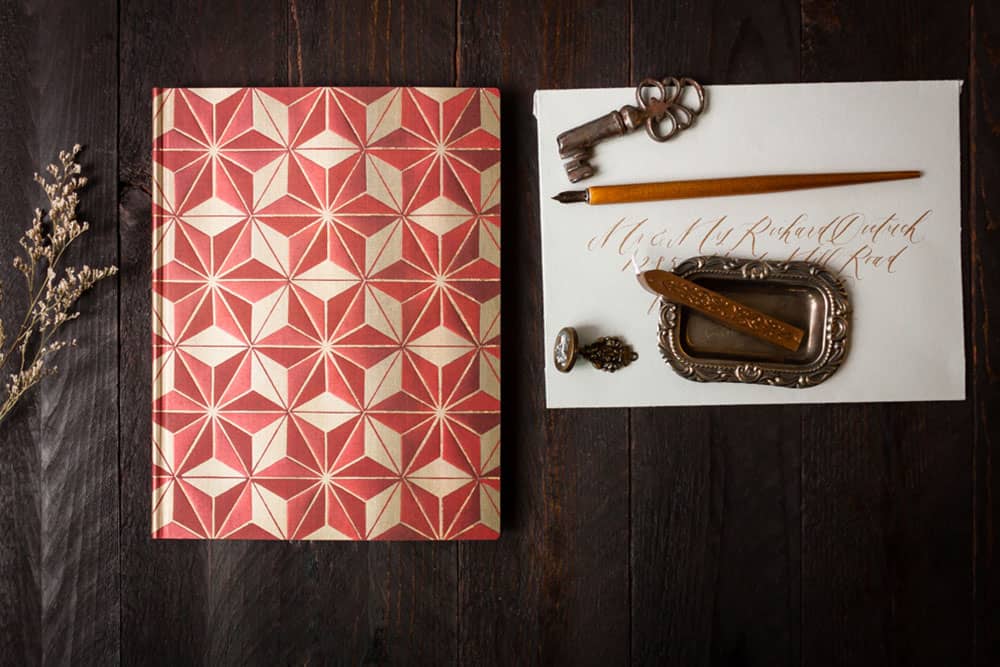
We discovered this pattern while touring an antique market in Japan many years ago and were immediately drawn to the possibilities held within the small paper swatch. At the market there was a man with mountains of incredibly old paper – not books, but actual sheets and sheets of loose paper. Enchanted by the potential, we dove into this pile and scoured the stacks for hours. We ended up finding a multitude of tiny squares of artwork which turned out to be sample patterns used by Japanese theatre companies in the 1900s. We learned these pieces were based on “ukiyo-e,” a type of woodblock prints originating from the 17th to 19th centuries.
Ukiyo-e, meaning “pictures of the floating world,” is an ancient art form capturing snippets of the everyday lives of the Edo period’s prosperous merchant class. This style is known for depicting the most indulgent aspects of the period, including kabuki actors, sumo wrestlers, beautiful women, travel scenes, and flora and fauna. This geometric Hishi pattern stems from this tradition and has been named for a Japanese term describing something that is diamond shaped.
The ukiyo-e style of art experienced a resurgence during the 1900s when theatre companies refashioned the designs to create patterns for their costumes which, in turn, were so beautiful and admired that they inspired everyday fashion and kimono trends. It is due to the long-lasting appeal of these designs that it is the technique the Western world most closely associates with Japanese artistic style. Hand-designed by the greatest craftsmen of the Edo period, these original designs and the reproductions they have inspired highlight the small details and lifestyle representations that were celebrated during the time.
Need Help?
In case of any questions, check out our FAQs here. If you still can't find your answer, you can contact us at the link below.
Contact Us