


Journals
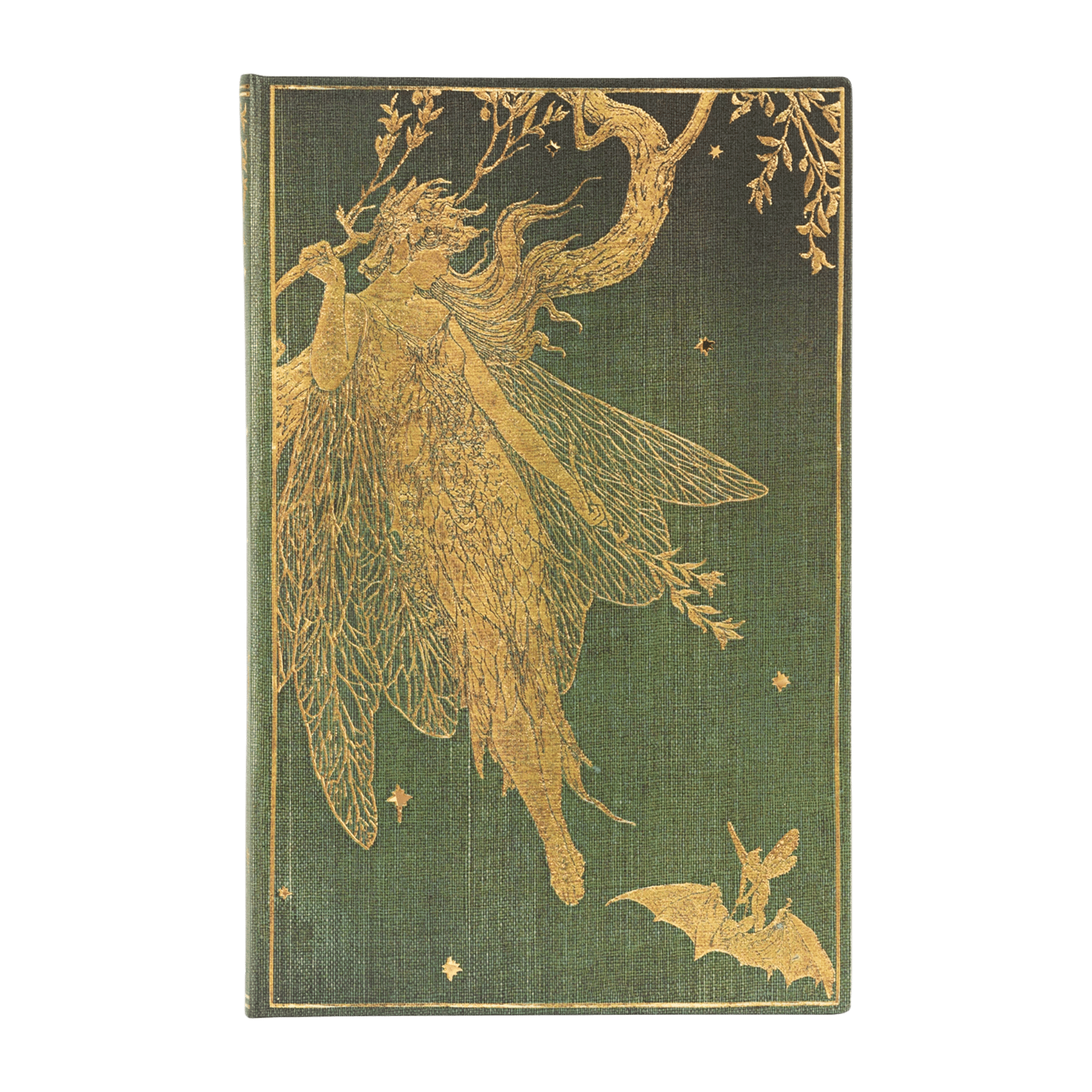
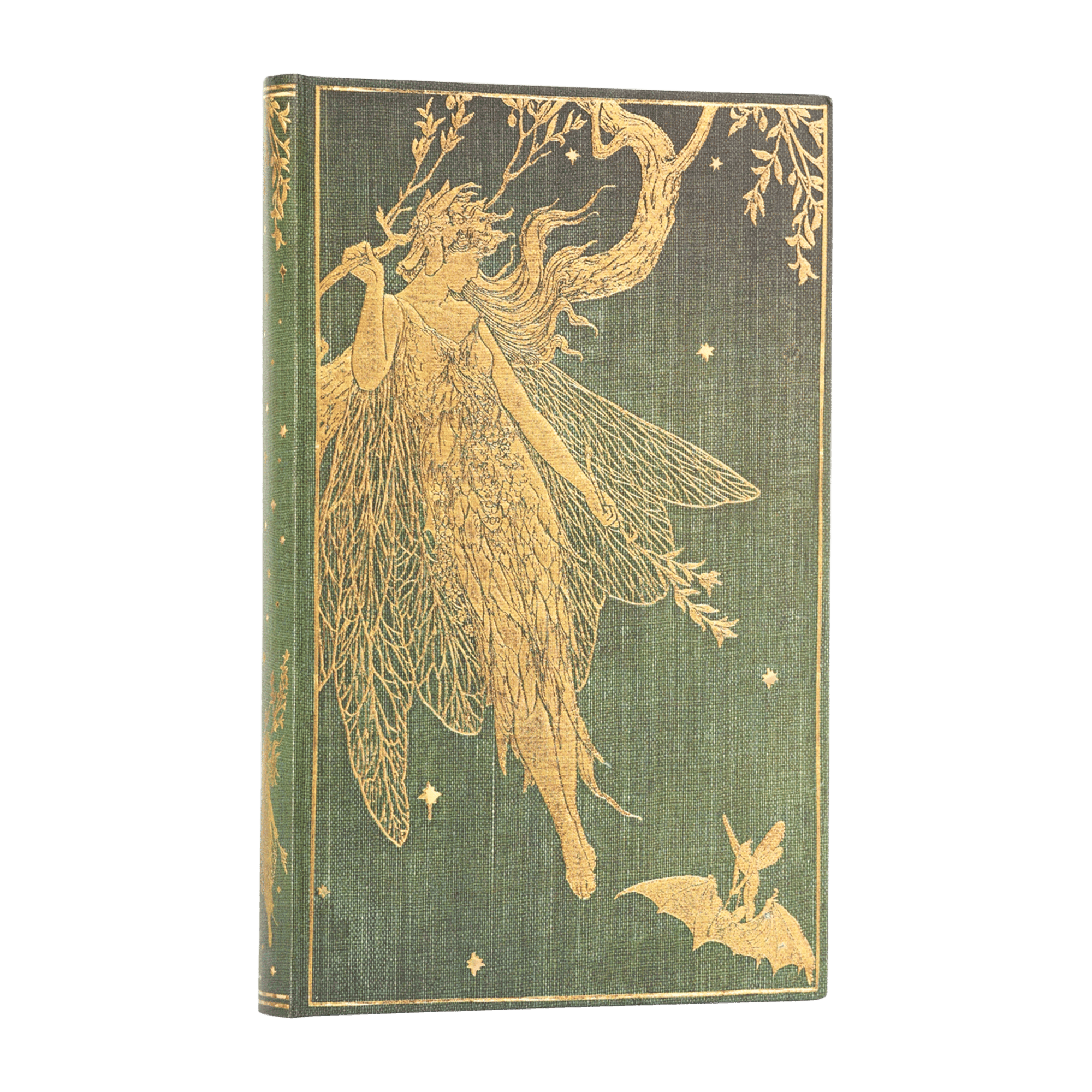
Olive Fairy
Lang’s Fairy Books
Item no. 9781439796450
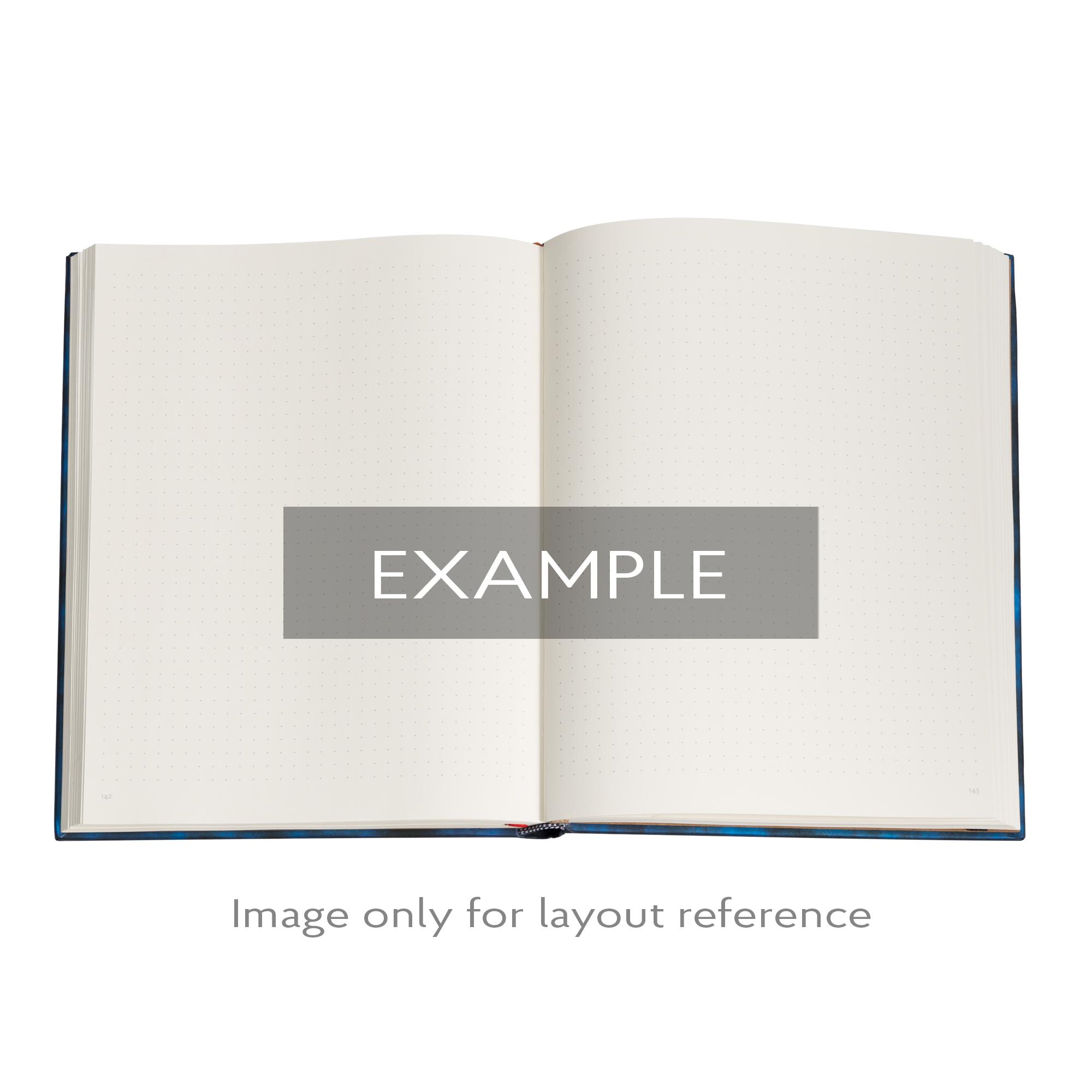
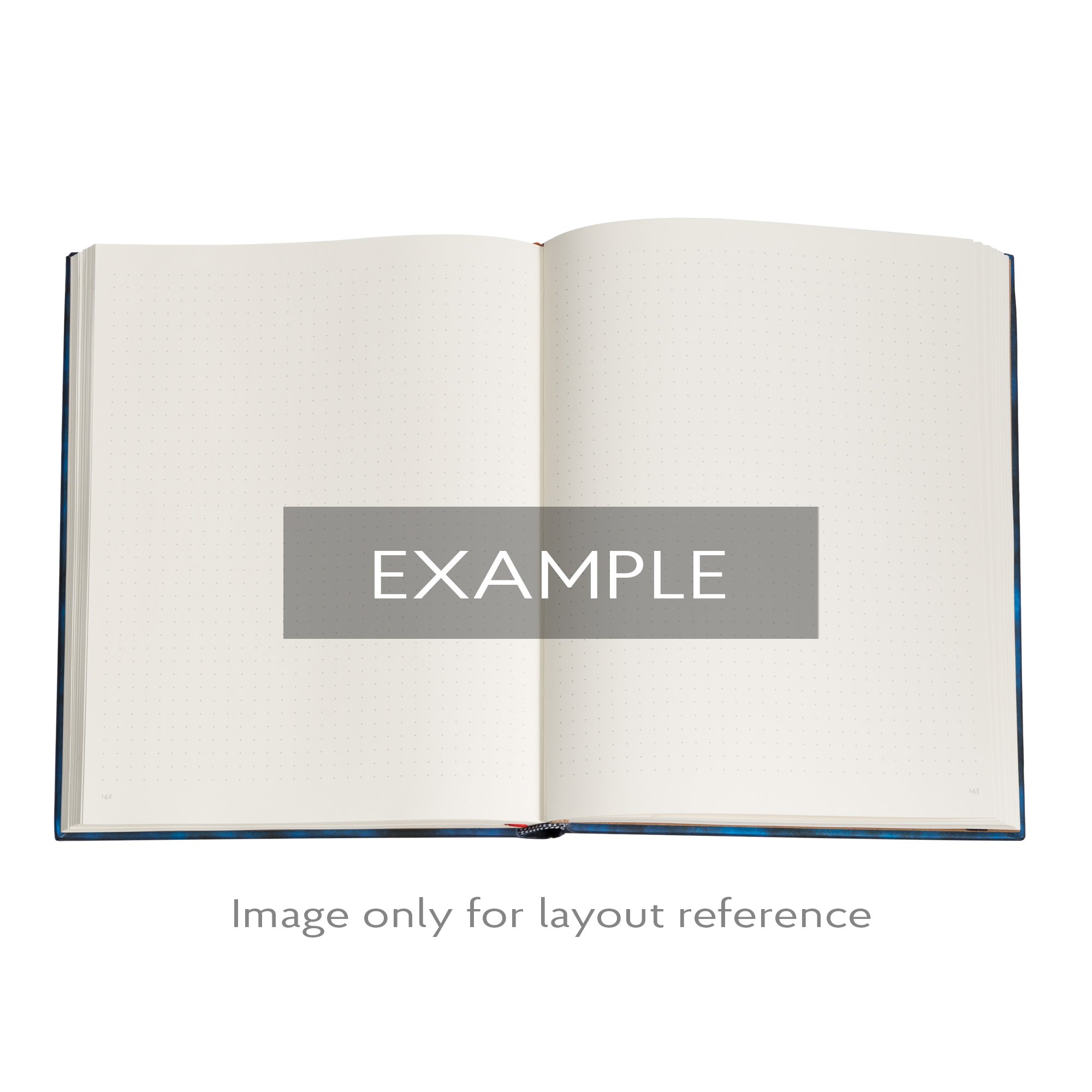
- Interior: Dot Grid
- Closure: Elastic Band
- GSM (paper weight): 120 gsm
- Edge Printing: No
- Pouch Type: Memento Pouch
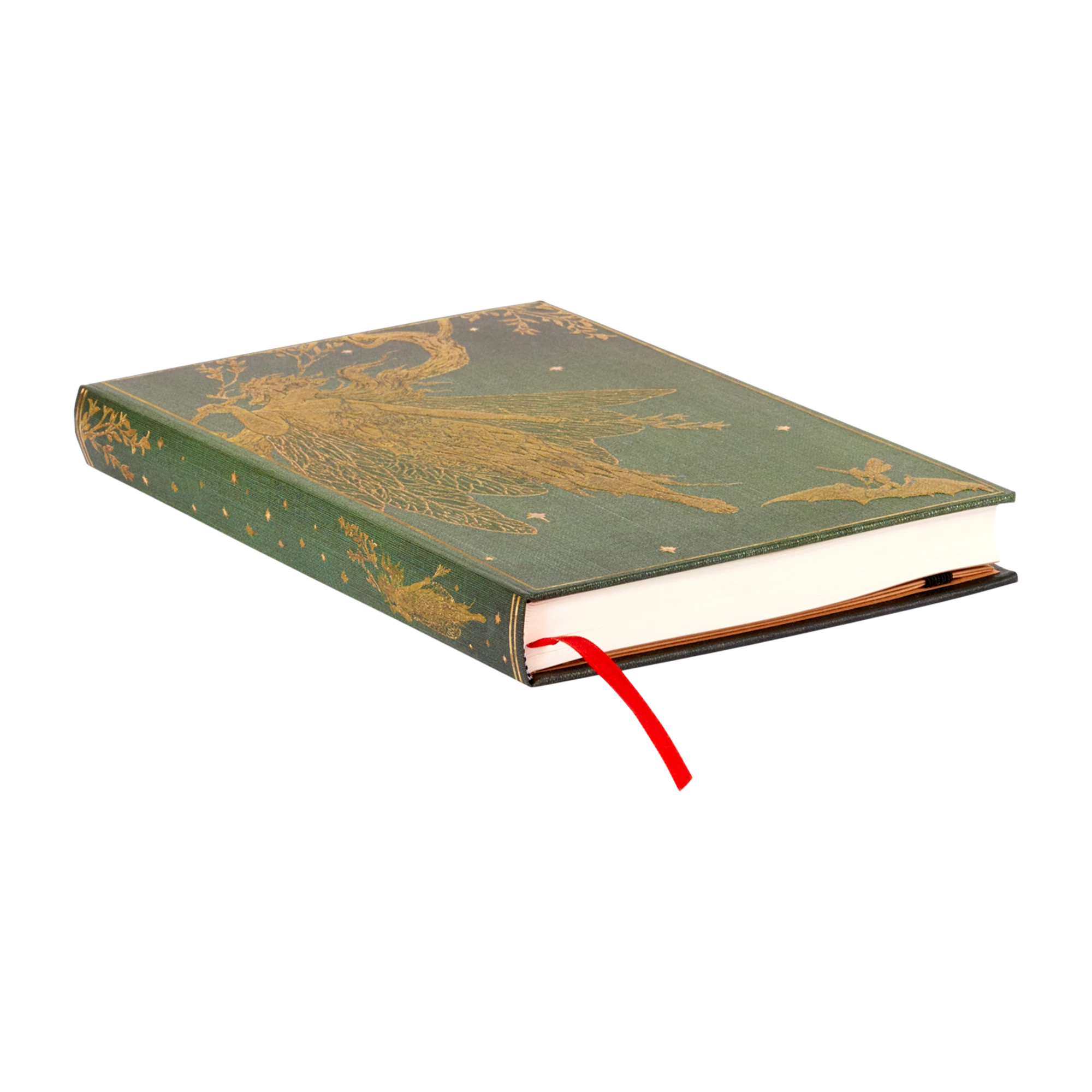
- Satin ribbon marker
- 100% recycled binder boards
- Decorative printed cover paper
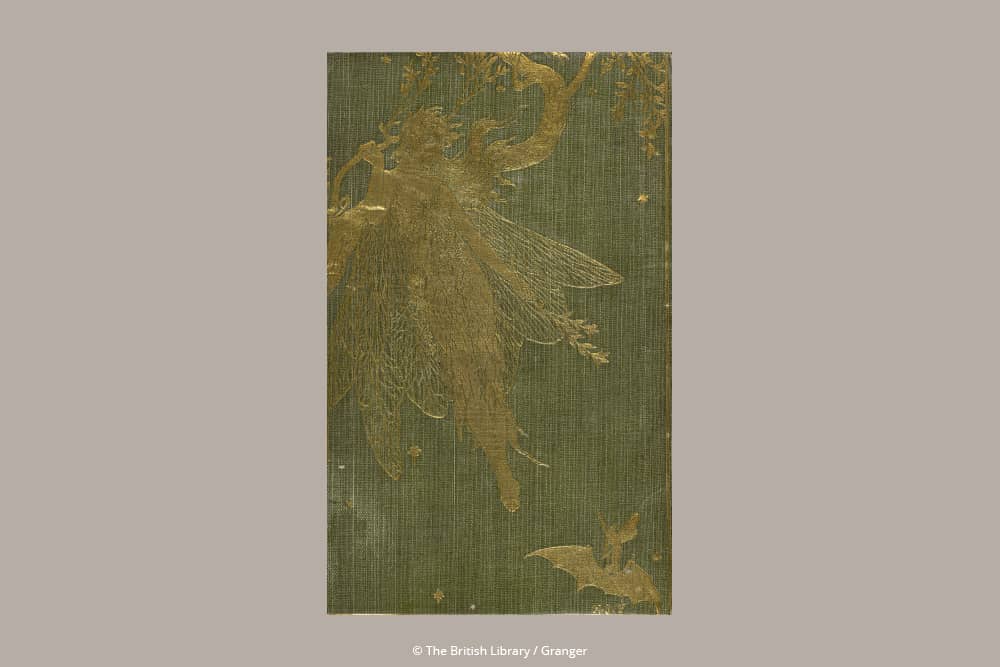
- Endpaper with credit and copyright information as well as historical background for the original artwork
- Threaded stitching and glue, as needed
- Acid-free paper
- Memento pouch
Andrew Lang (1844–1912) was a Scottish poet, novelist, literary critic and anthropologist, though he is best remembered as a collector of folk and fairy tales. Lang was greatly passionate about folklore, mythology and religion, and especially fascinated by mystical tales from other cultures.
It was this passion that led him to compile a collection of books known as Lang’s Fairy Books, which featured illustrations by Henry Justice Ford (1860–1941). Ford, a prolific and successful English artist and illustrator, captured the imagination of children around the world through his collaborations with not only Lang, but J.M. Barrie (Peter Pan), too.
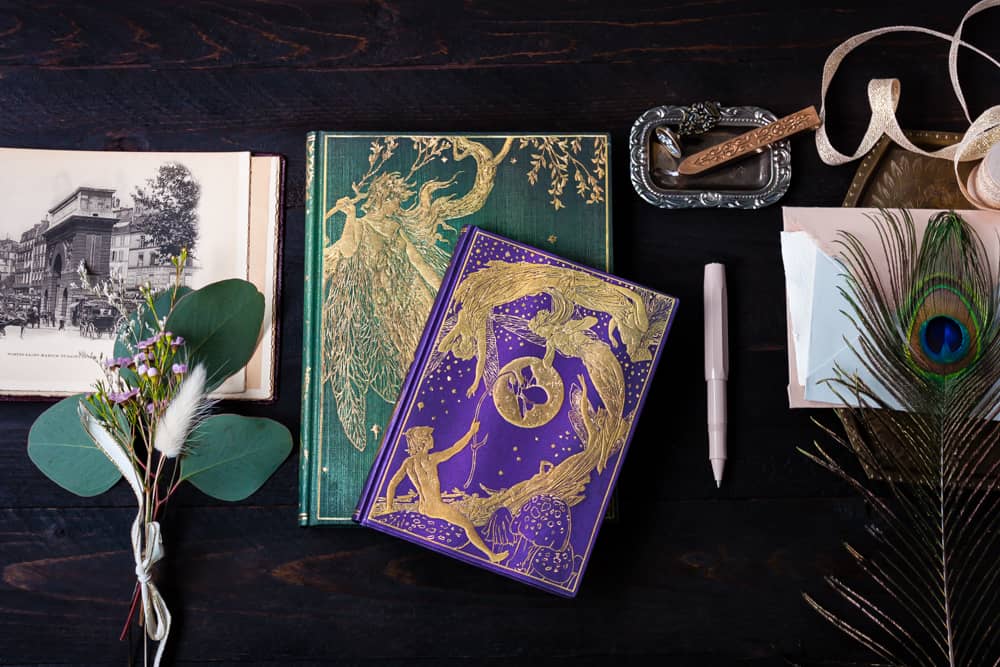
Lang and Ford’s Fairy Books became a sensation among British schoolchildren and were sold internationally. Lang selected and edited 25 collections in total, beginning with the Blue Fairy Book in 1889 and ending with The Strange Story Book in 1913. Of those 25 books, 12 became a special series known as Andrew Lang’s Fairy Books of Many Colours, with each book named for the colour of the featured fairy.
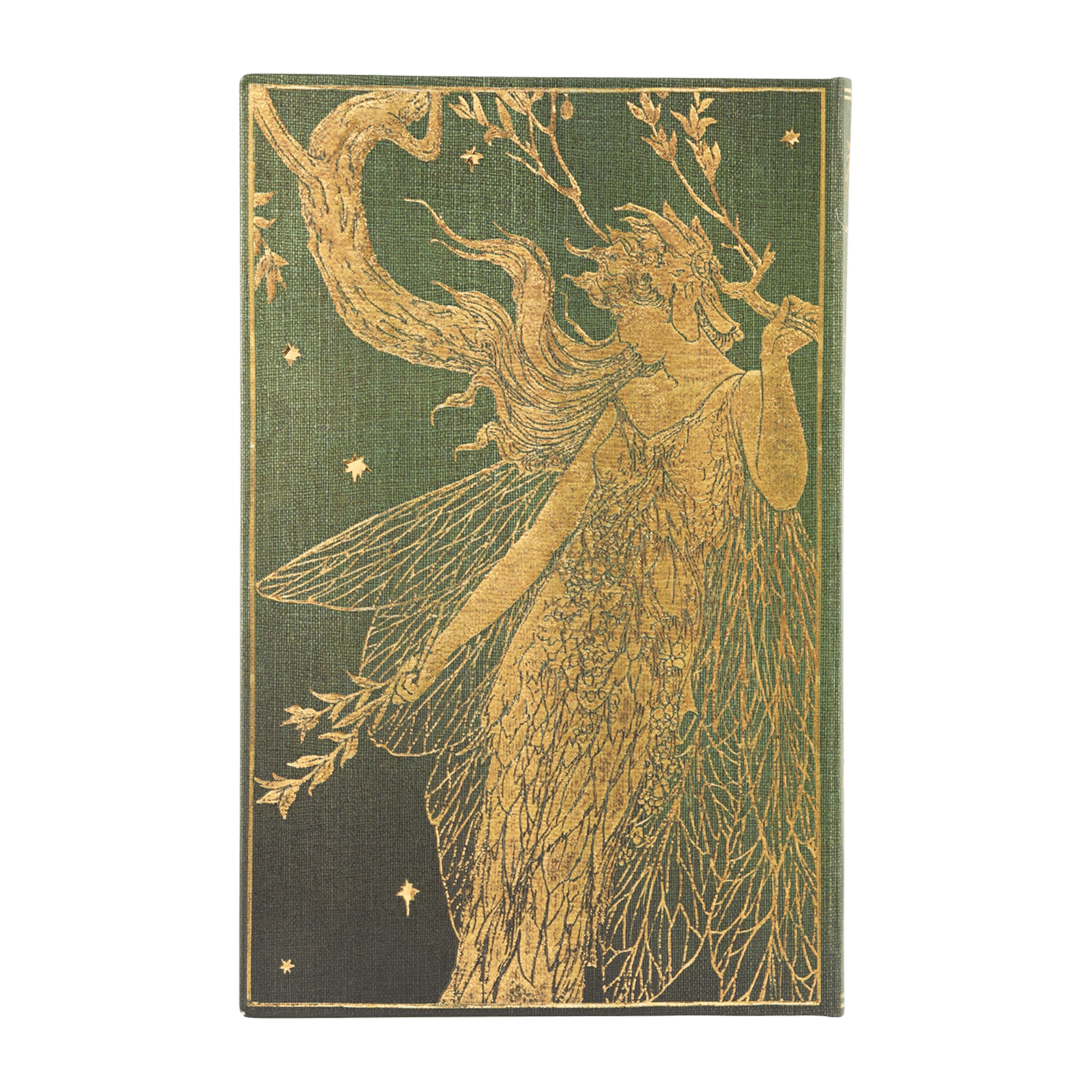
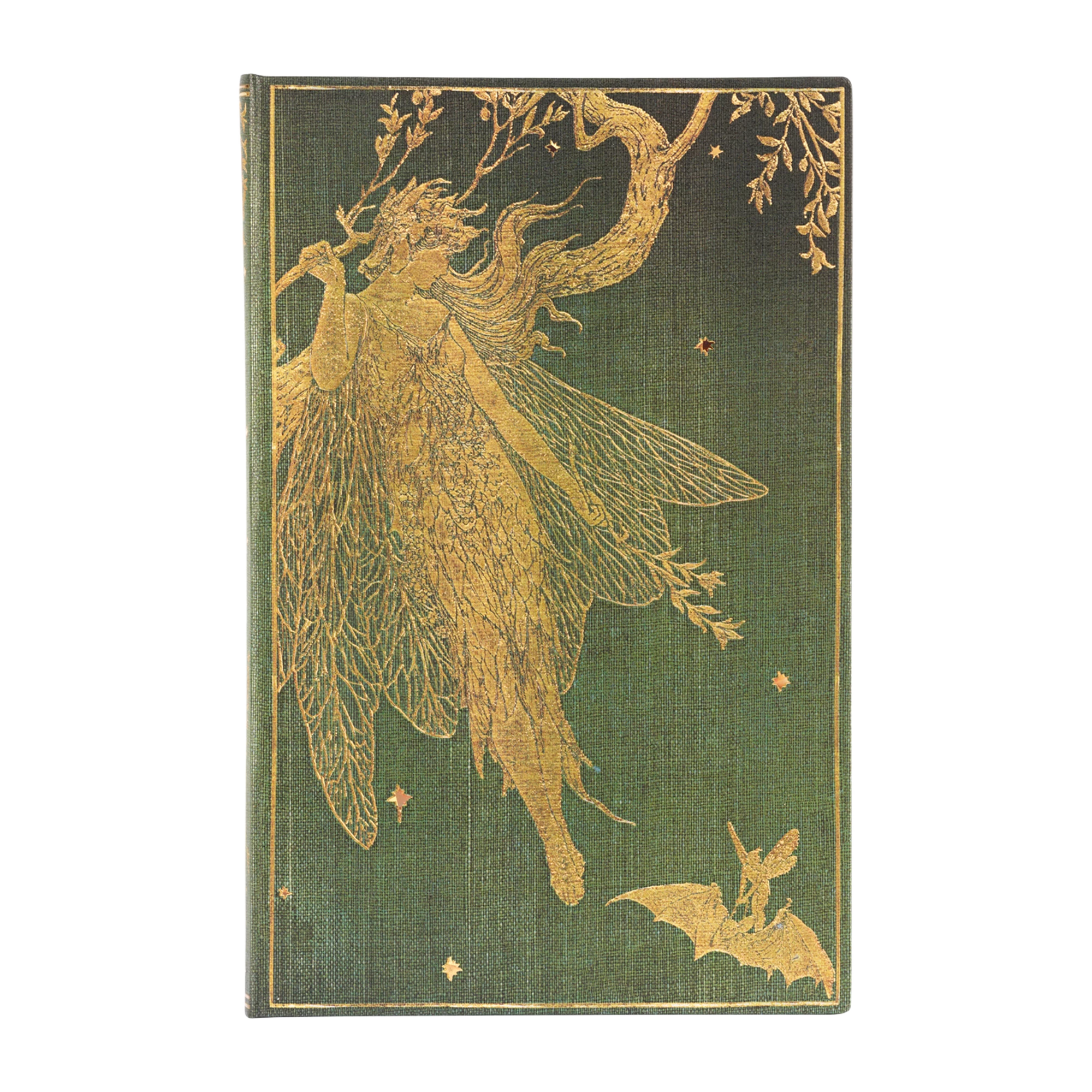
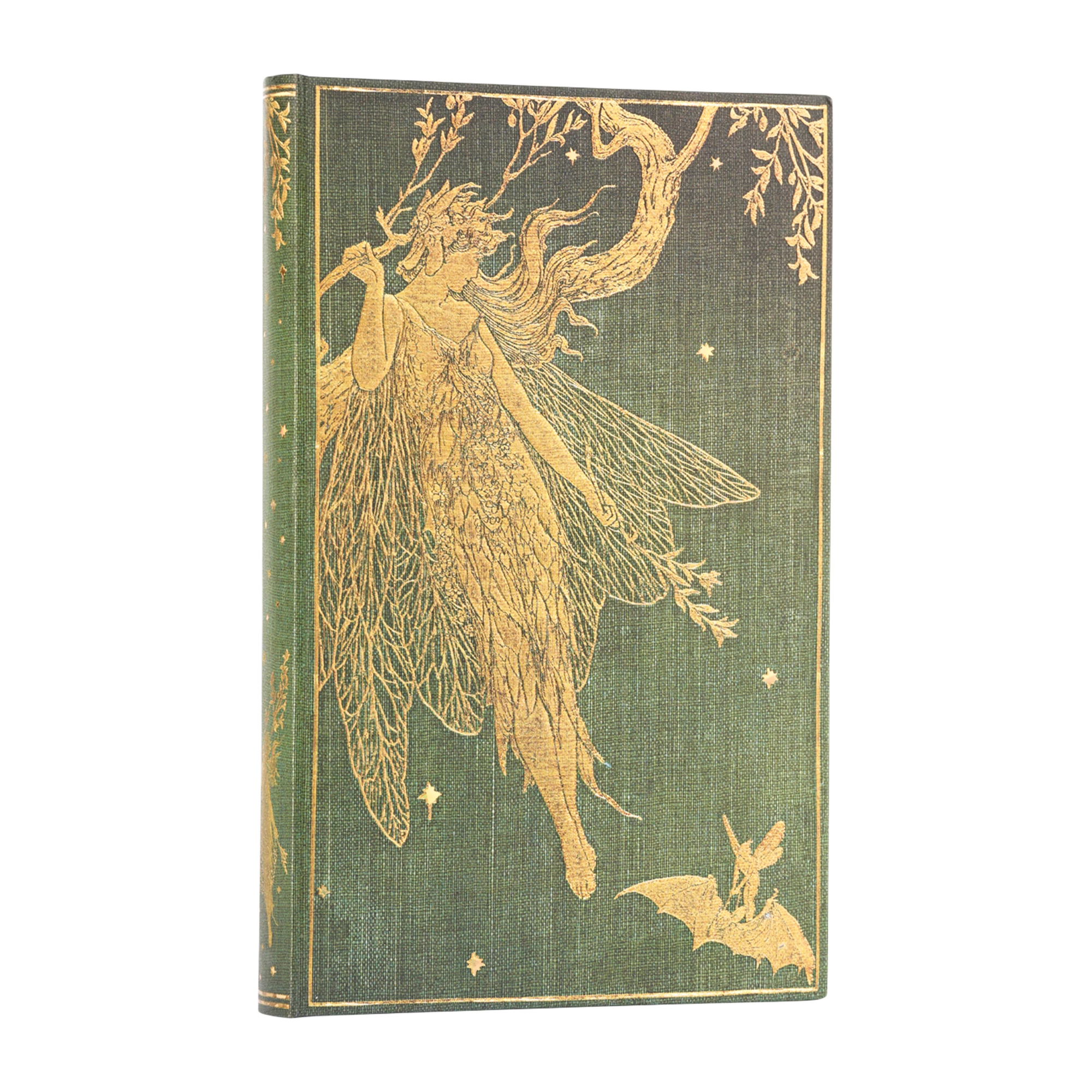
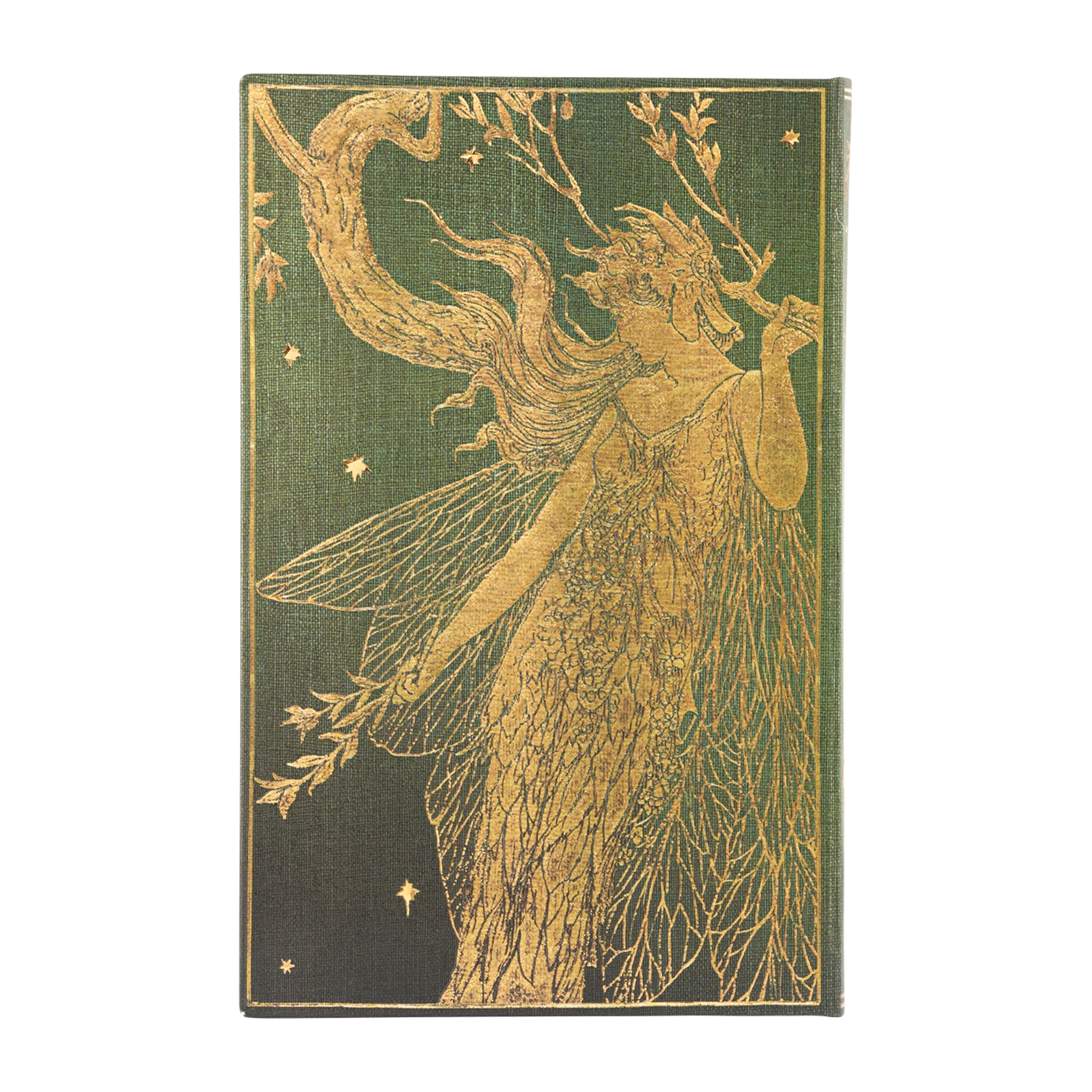
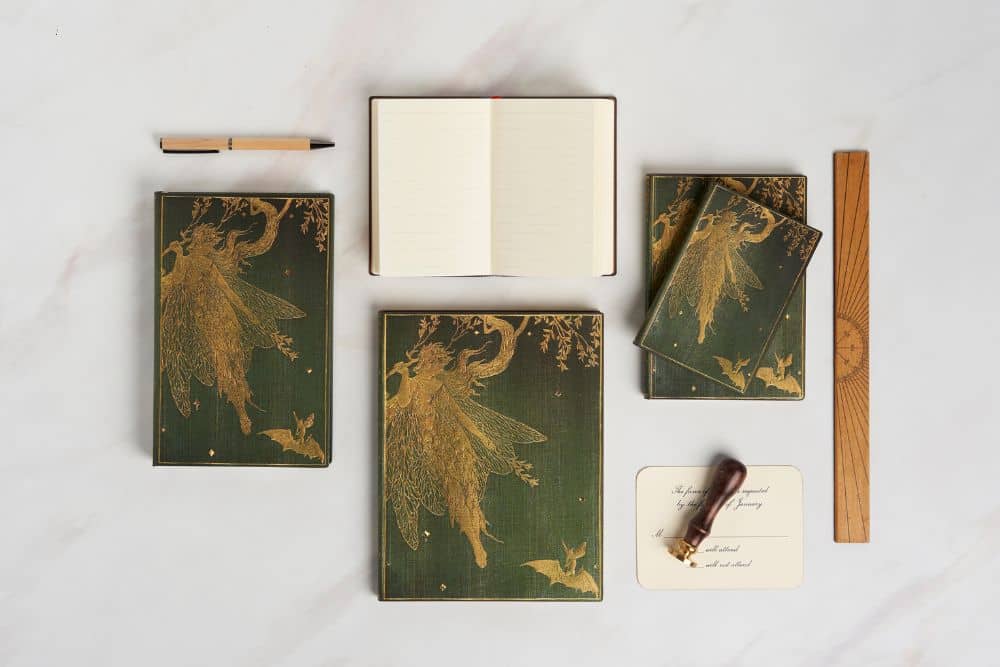
Our Olive Fairy journal reproduces the front cover of Lang’s Olive Fairy Book. Published in 1907, it included stories such as “The Golden-Headed Fish” and “The Prince and the Princess in the Forest.” The stories were gathered from places like Turkey, India, Denmark, Armenia and the Sudan. Here, Ford’s Olive Fairy illustration offers a botanical and almost insectile quality that gives her a sense of scientific realism as well as fey possibility.
May the Olive Fairy bring a hint of vintage whimsy to your writings.
Need Help?
In case of any questions, check out our FAQs here. If you still can't find your answer, you can contact us at the link below.
Contact Us