




Journals
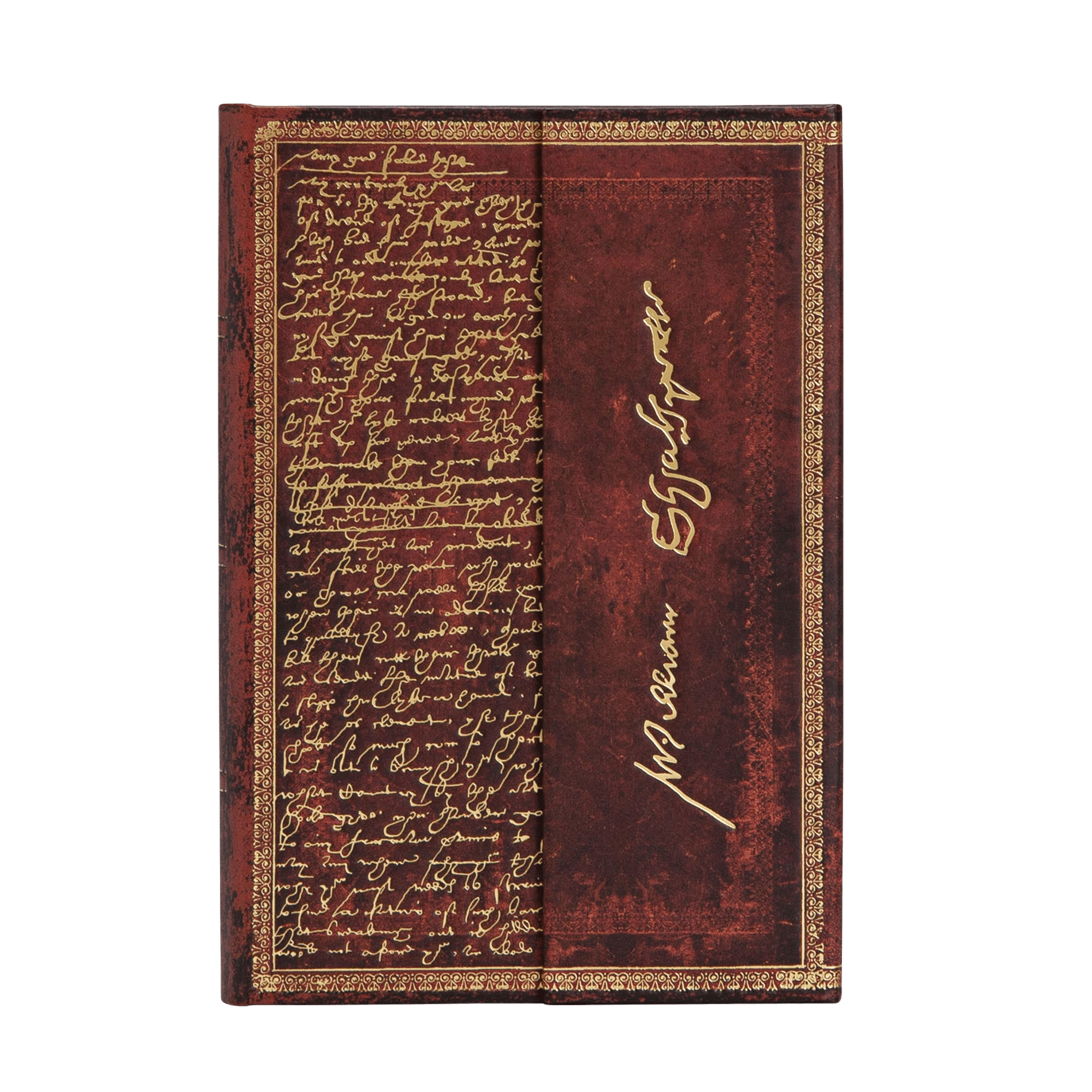
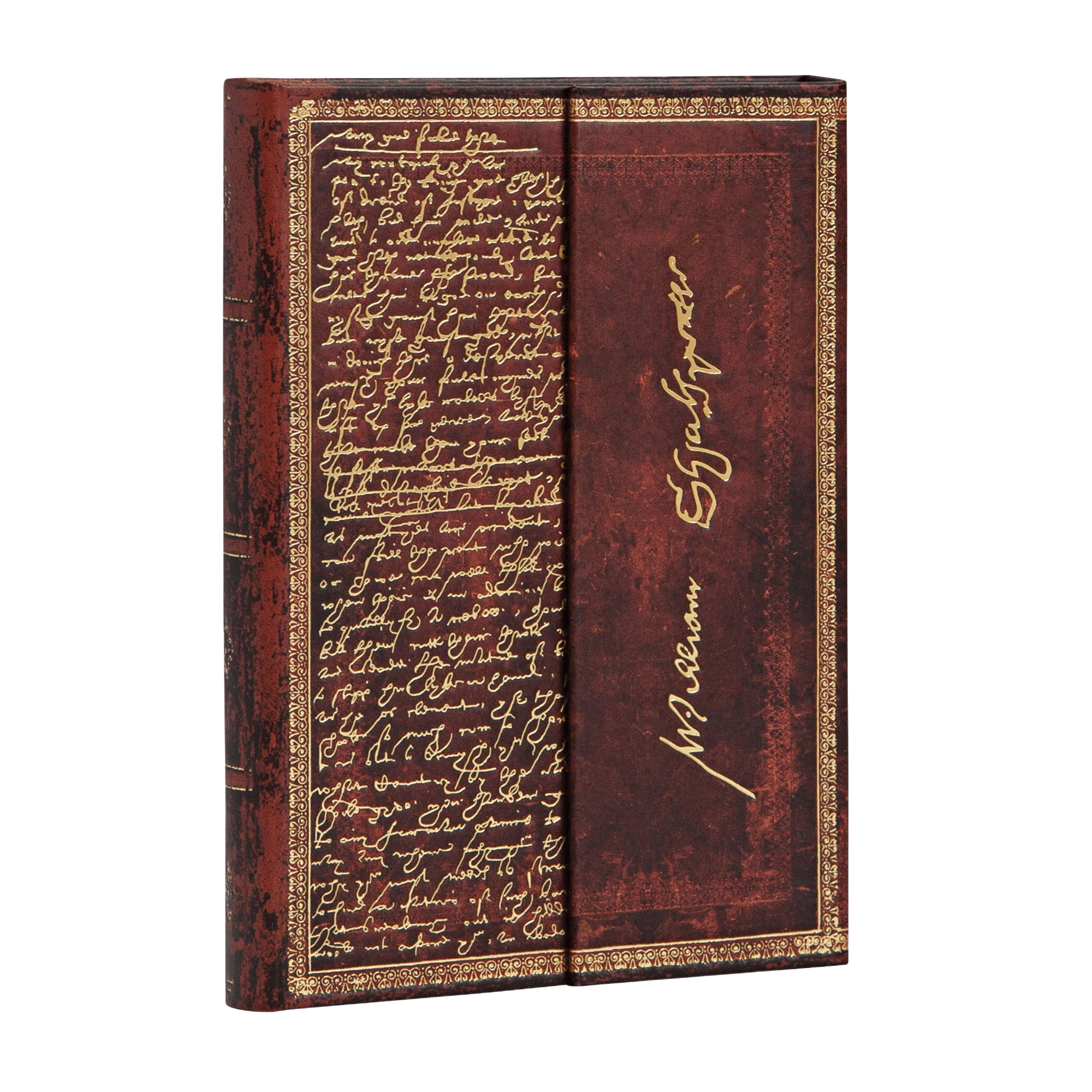
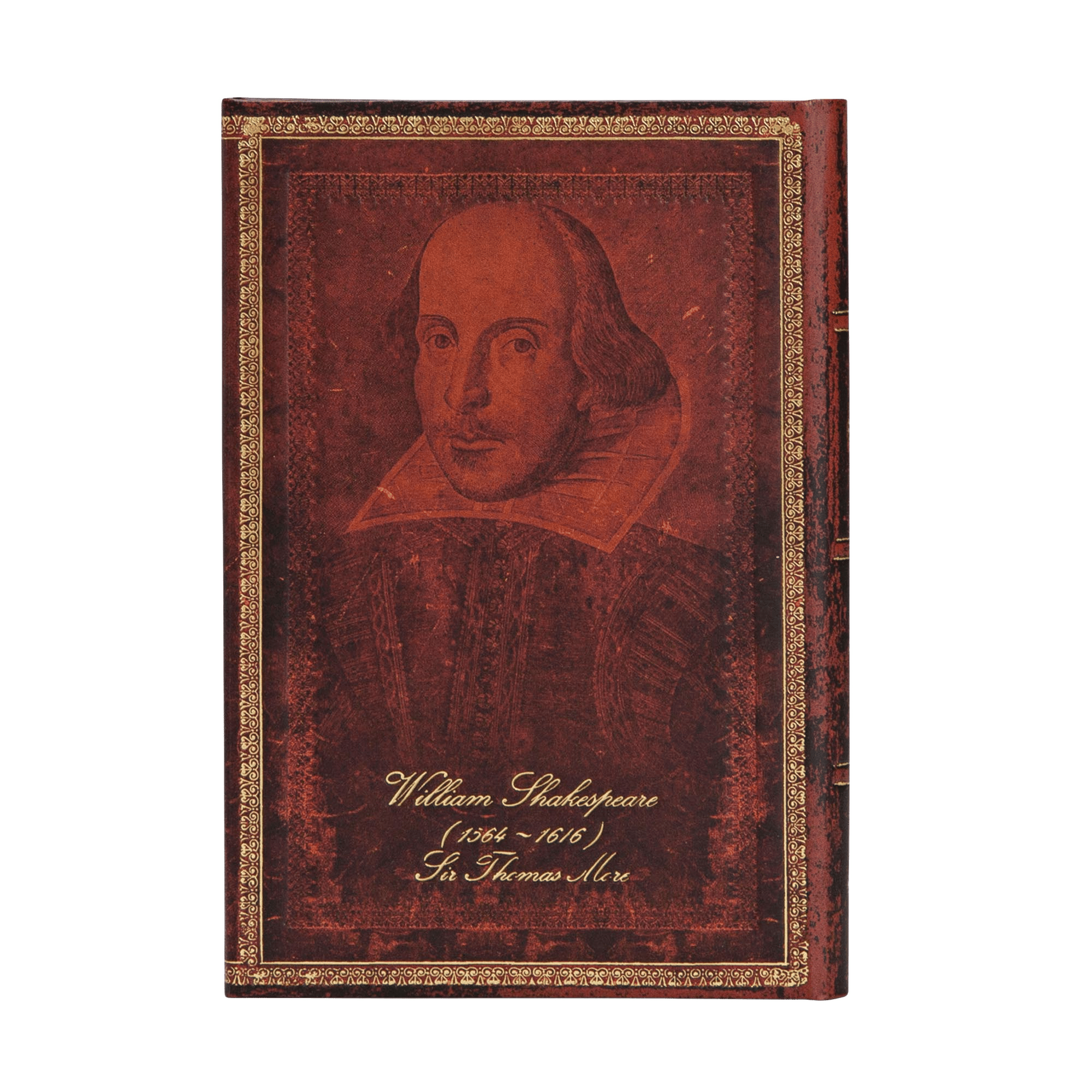
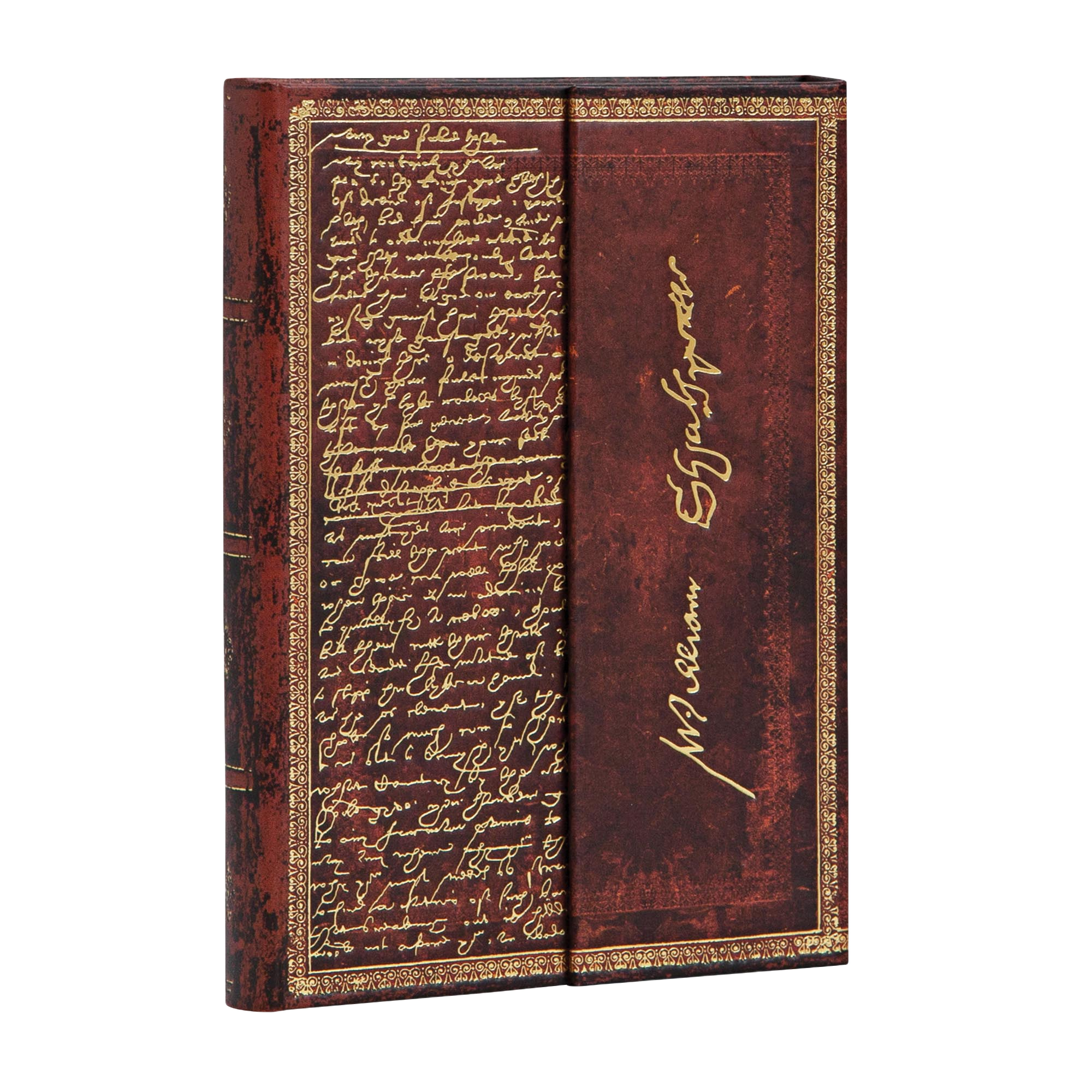
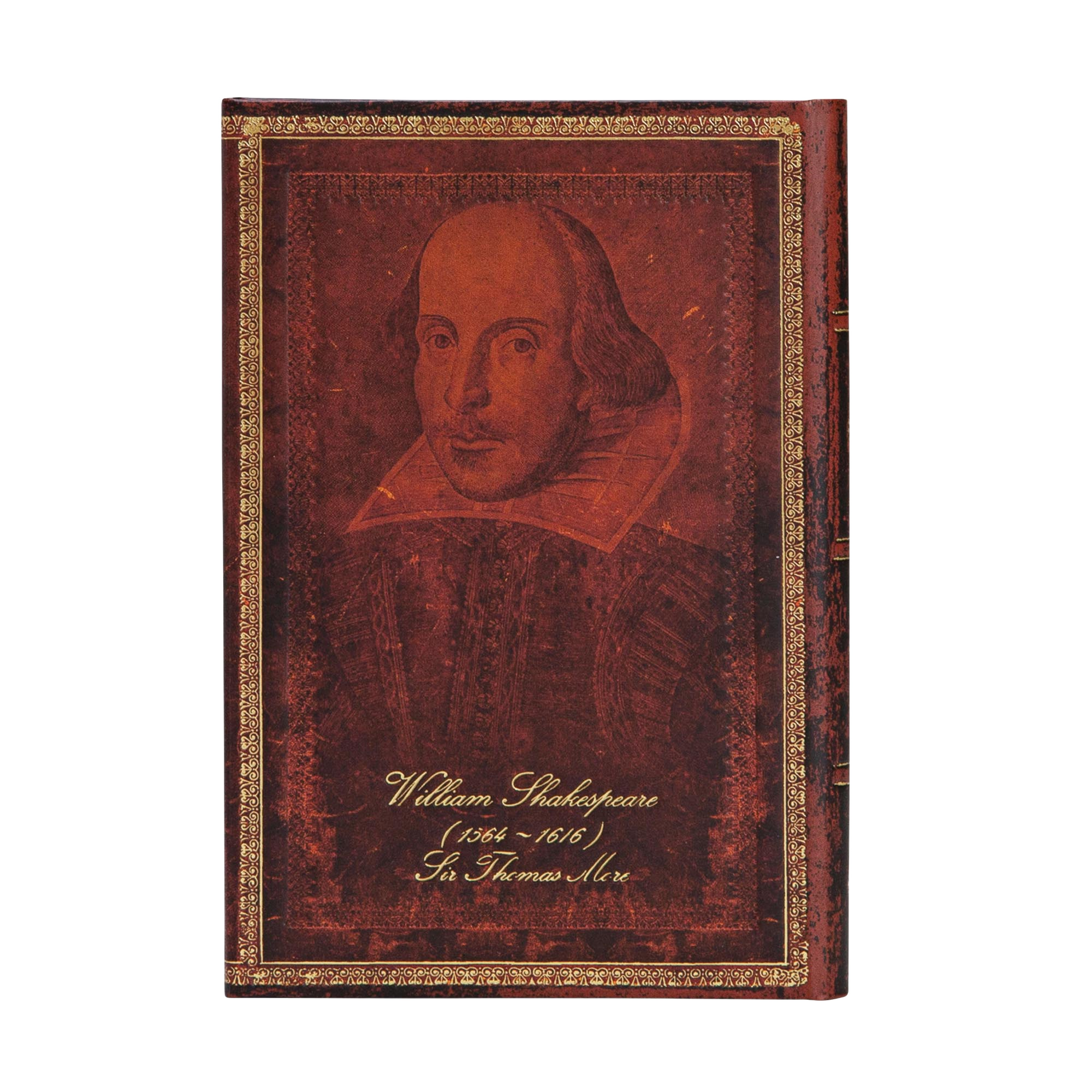
Shakespeare, Sir Thomas More
Embellished Manuscripts Collection
Item no. 9781439729120
- Interior: Unlined
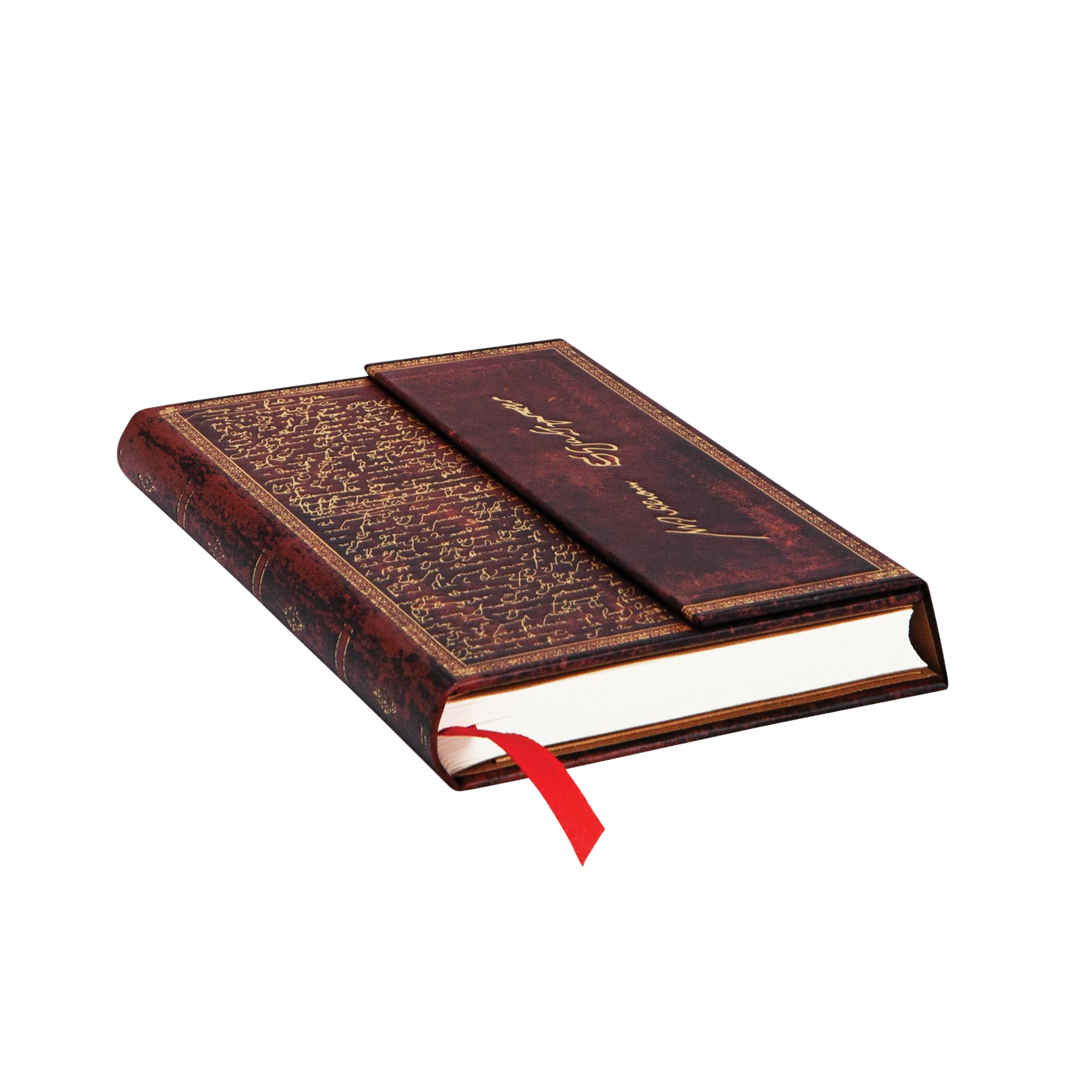
- Closure: Wrap
- GSM (paper weight): 85 gsm
- Edge Printing: No
- Pouch Type: Memento Pouch
- Satin ribbon marker
- 100% recycled binder boards
- Decorative printed cover paper
- Endpaper with credit and copyright information as well as historical background for the original artwork
- Threaded stitching and glue, as needed
- Acid-free sustainable forest paper
- Memento pouch
Considering the environmental impacts of doing business is important to us. That's why all of our paper is derived from sustainable forest pulp, our binder boards are made with 100% recycled materials and our paper is printed on acid-free, sustainable forest paper.
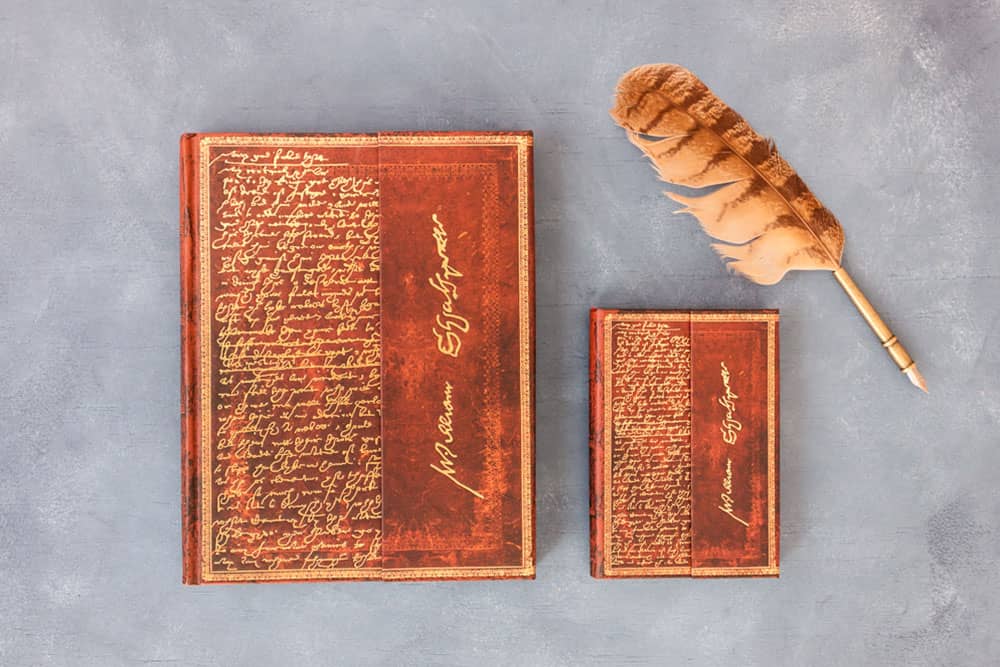
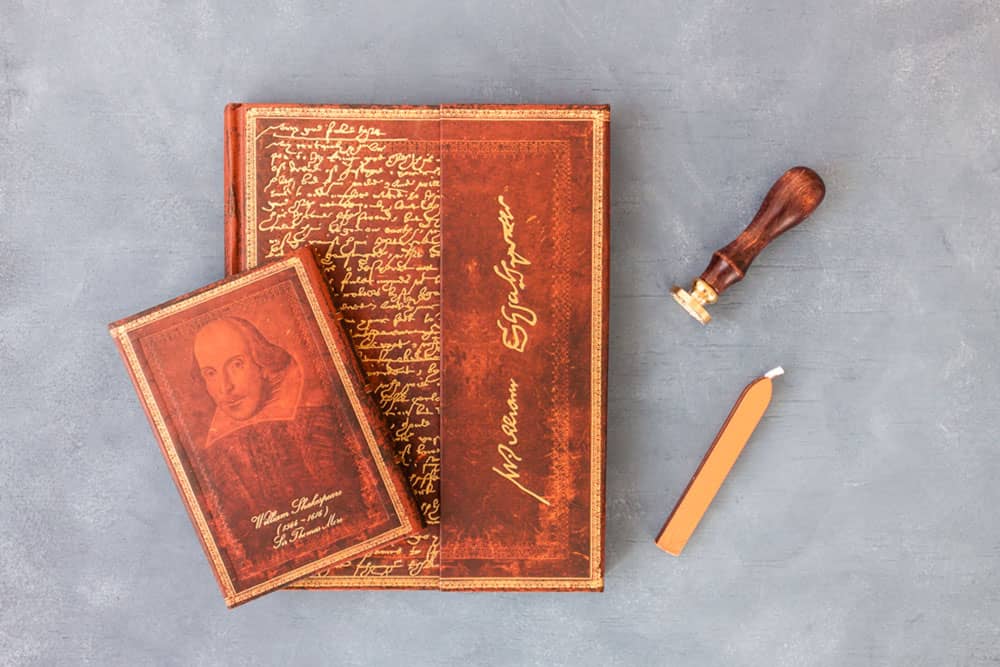
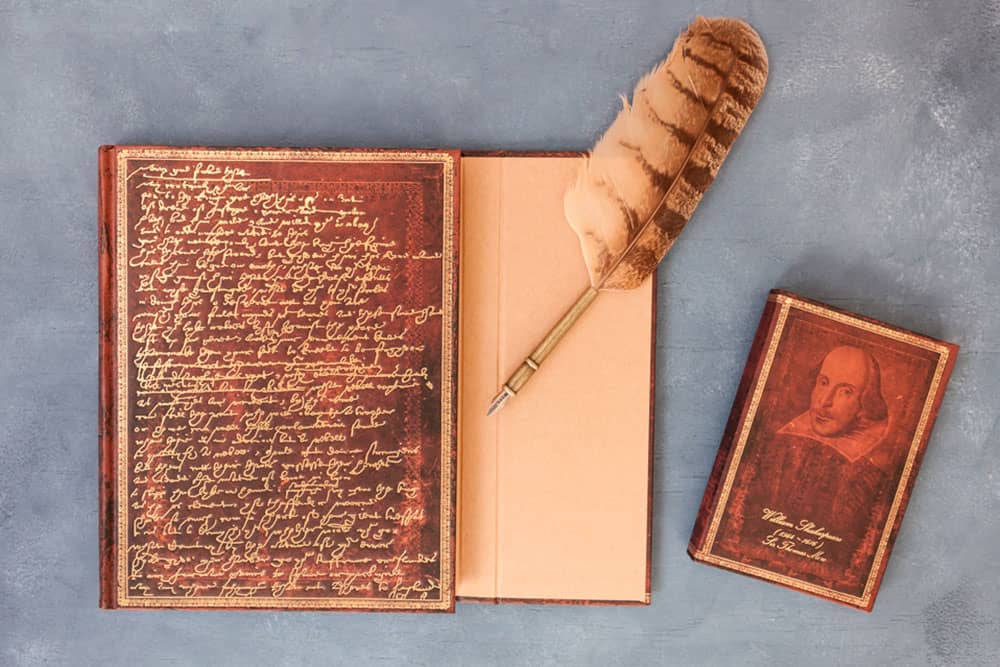
William Shakespeare (1564–1616), long considered the greatest of the English writers, left few traces of his handwriting. Because of this, Shakespeare’s possible contribution to the handwritten manuscript of the play Sir Thomas More has been hotly debated over the centuries since it was written in 1595. Believed to have been scripted and revised by five different playwrights, the play was heavily censored and even banned when it was released and is believed to have never been performed during its time. However, in later years the scene depicting More quieting a riot has become quite notable for its possible connection to Shakespeare, leading to a resurgence of interest in the collaborative Elizabethan play.
Sir Thomas More tells the story of the life and death of More, a Catholic martyr. Originally only credited to Anthony Munday, the discovery of the original manuscript in the 1700s has led handwriting scholars to note the contribution of at least five distinct authors. With no other significant pieces of writing in Shakespeare’s own hand left behind, the process of connecting the great playwright to the work has been arduous and contested, at best. Evidence such as Shakespeare’s characteristic choices of spelling, turns of phrase and other stylistic elements has been studied and today it is generally accepted that the three pages written by “Hand D” did indeed come from Shakespeare himself.
In today’s geopolitical landscape it is especially interesting to note the contents of Shakespeare’s contribution, in which he mounts a passionate defence of refugees and displaced people. The first known performance of the play was in 1964 at the Nottingham Playhouse with the part of Thomas More originated by none other than Sir Ian McKellen.
Despite the persistence of some dissenters, the play has been recognized as part of the Shakespearean canon since the mid-twentieth century and was first performed by the Royal Shakespeare Company in 2005 with the actor Nigel Cooke playing the role of More. We are thrilled to be able to present this legendary dramatic piece, in the hand of one of the greatest writers of all time, as part of our Embellished Manuscripts Collection.
Need Help?
In case of any questions, check out our FAQs here. If you still can't find your answer, you can contact us at the link below.
Contact Us