



Journals
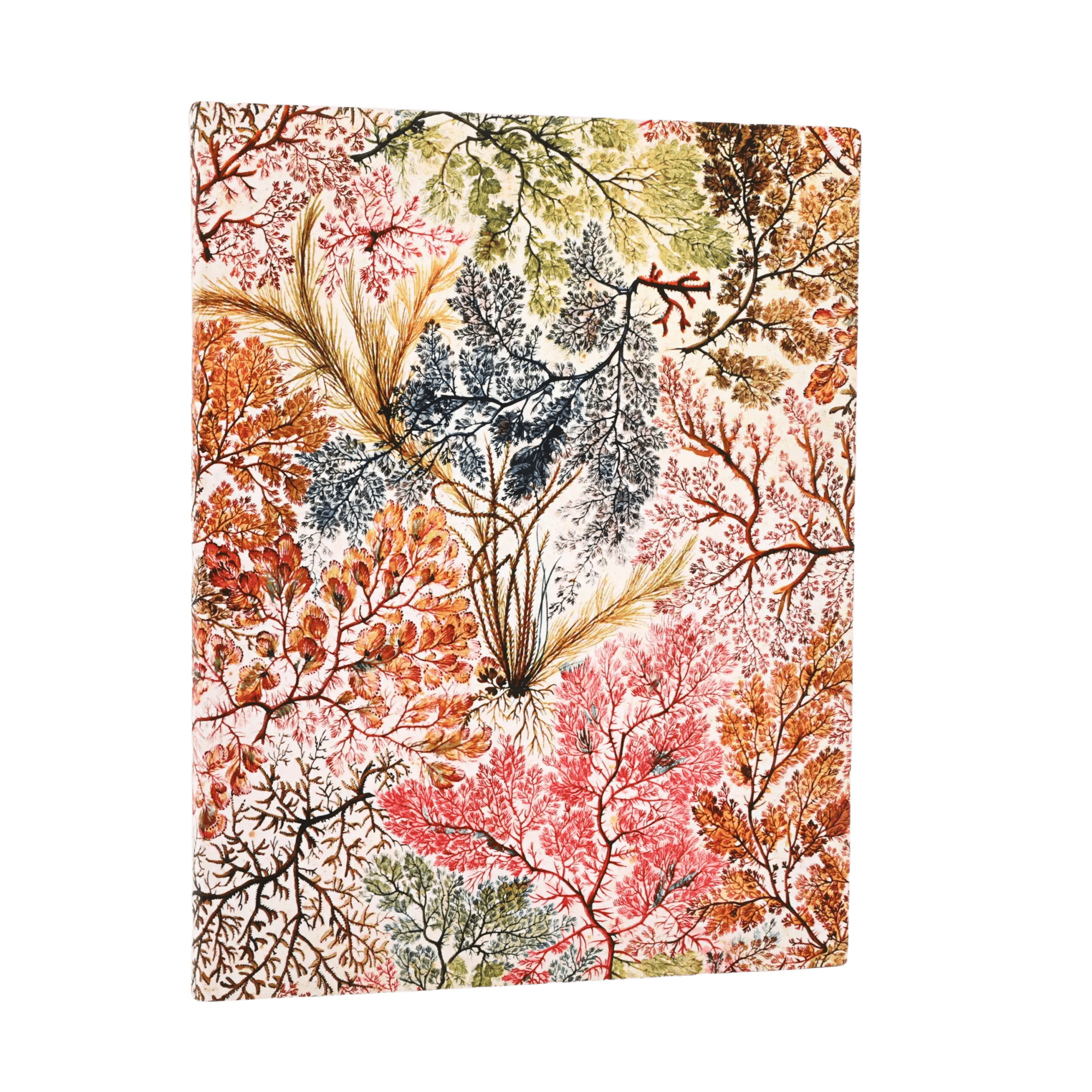
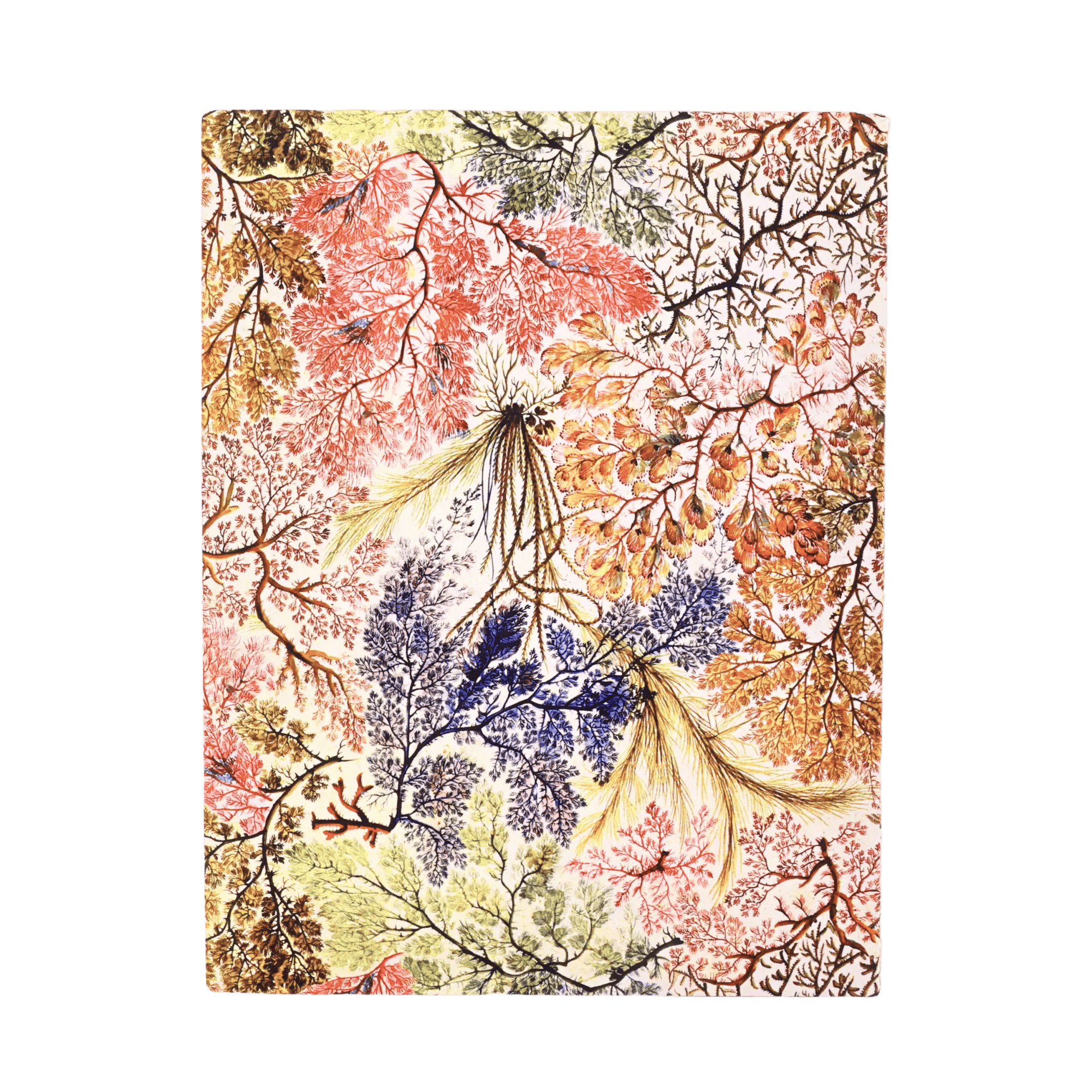
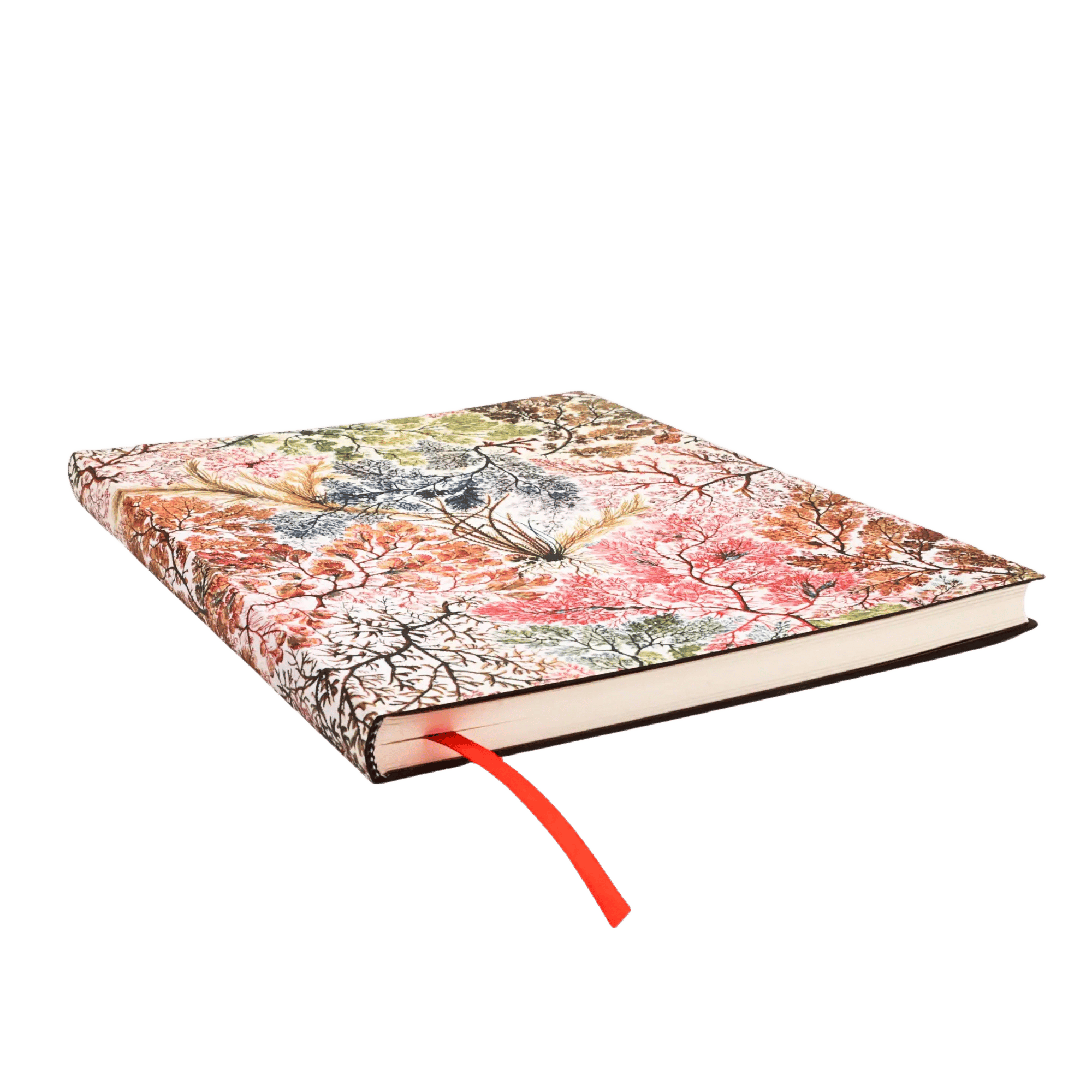
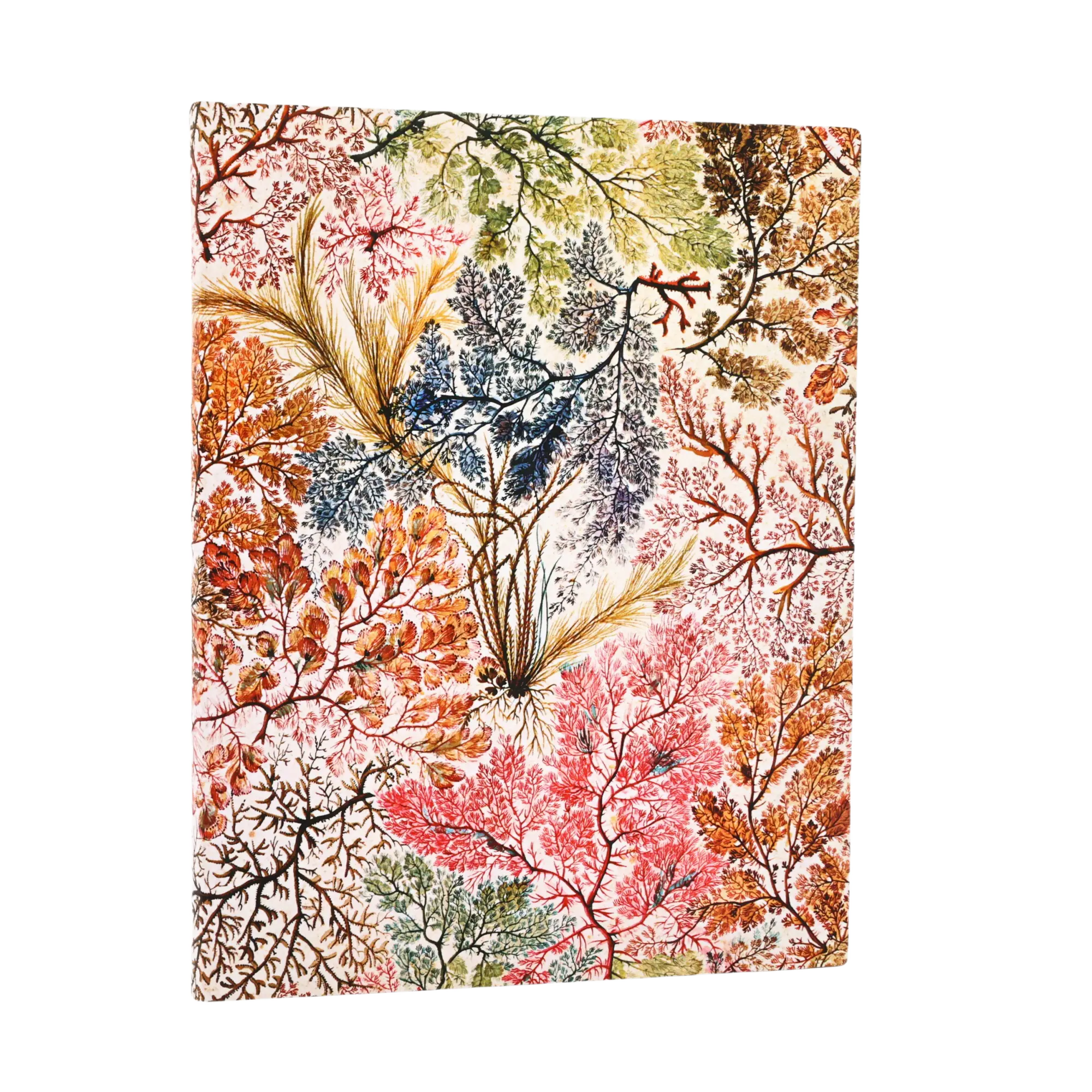
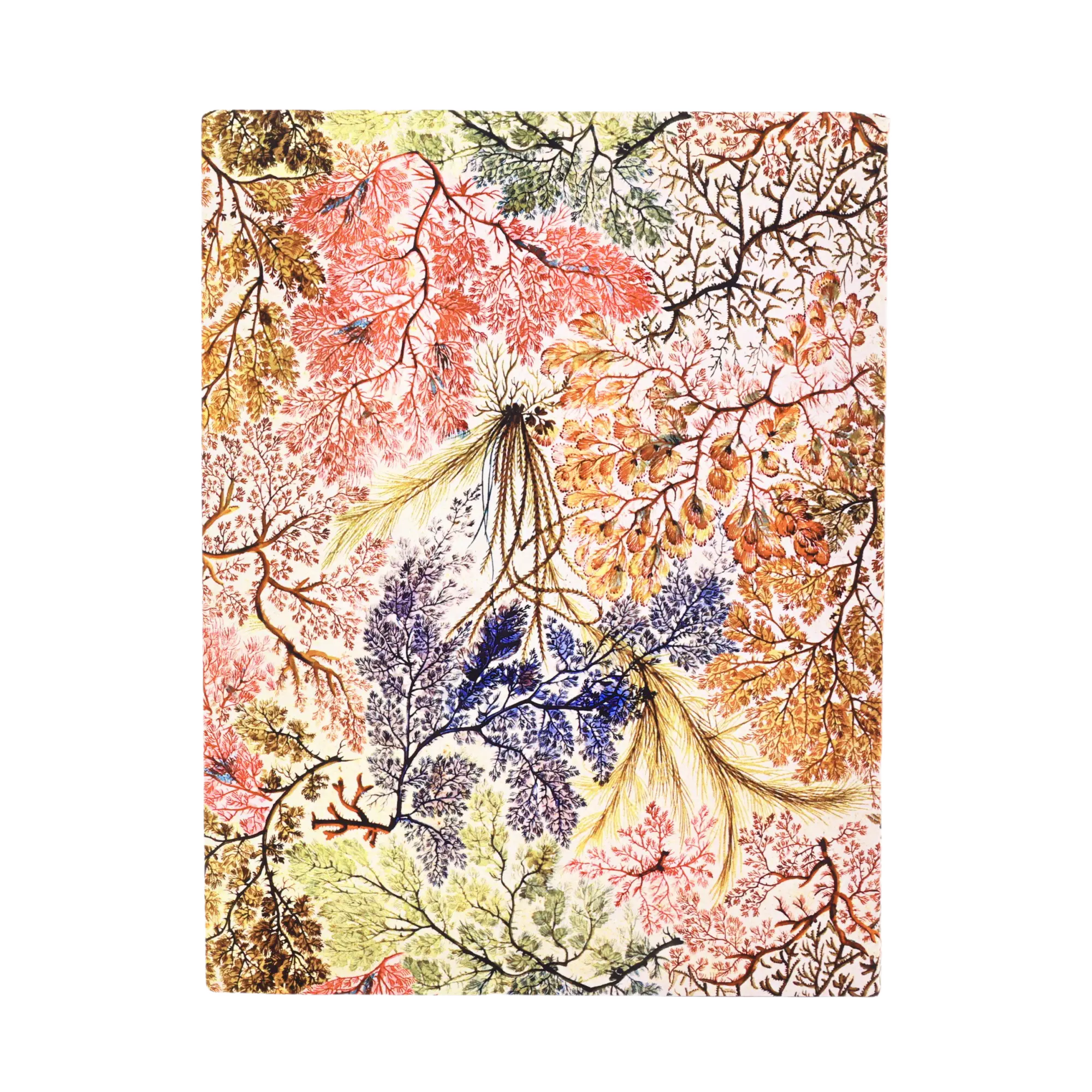
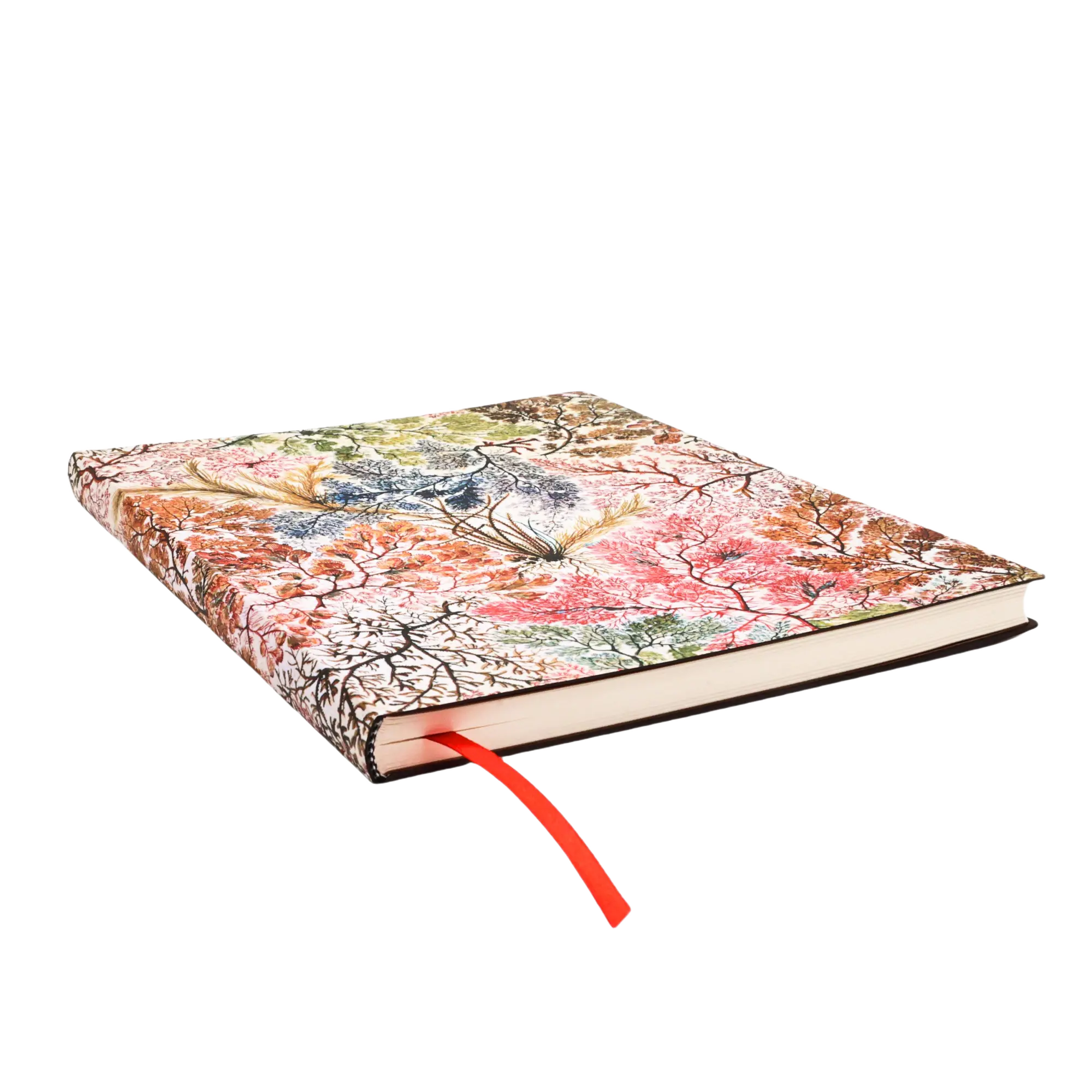
Anemone
William Kilburn
Item no. 9781439799031
- Interior: Unlined
- Closure: Elastic Band
- GSM (paper weight): 100 gsm
- Edge Printing: Yes
- Pouch Type: Back Cover Pouch
- Satin ribbon marker
- 100% recycled binder boards
- Decorative printed cover paper
- Endpaper with credit and copyright information as well as historical background for the original artwork
- Threaded stitching and glue, as needed
- Acid-free sustainable forest paper
- Memento pouch
Considering the environmental impacts of doing business is important to us. That's why all of our paper is derived from sustainable forest pulp, our binder boards are made with 100% recycled materials and our paper is printed on acid-free, sustainable forest paper.
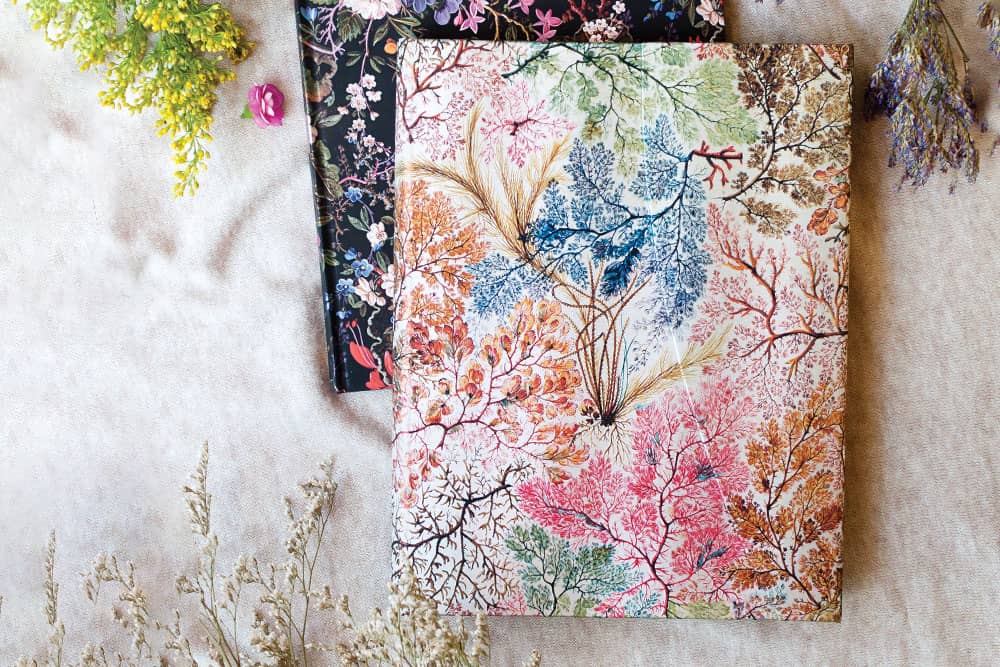
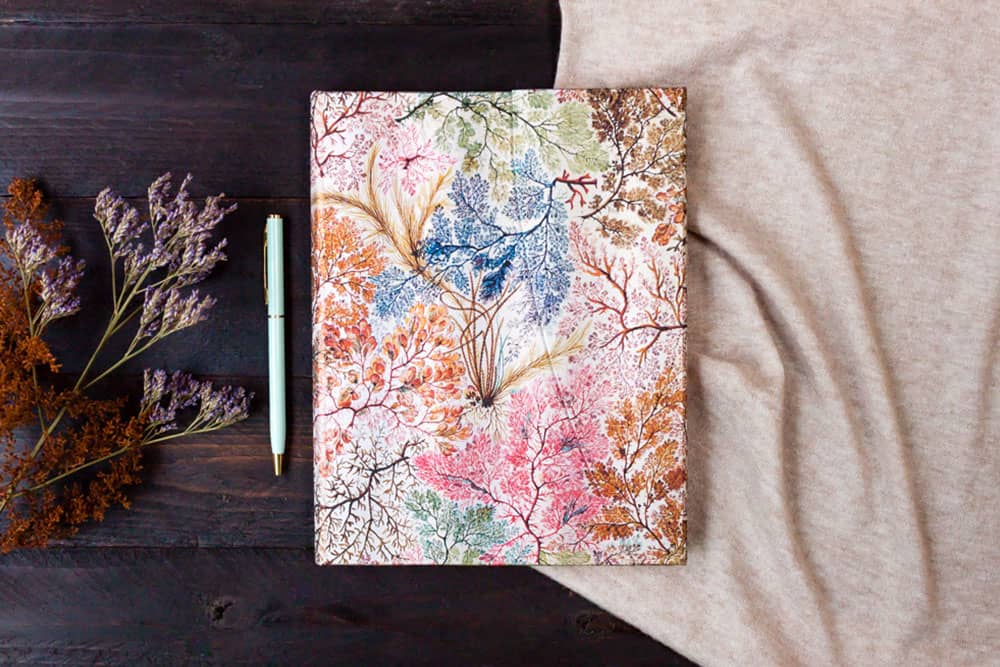
The eternal appeal of a floral design is captured in the botanical art of Irish illustrator William Kilburn. Kilburn (1745–1818) was the artist behind the life-sized watercolours and signed etchings in William Curtis’ 18th-century book on botany Flora Londinensis and also a leading calico designer and printer in his own right.
Similar in style to the work of Arts & Crafts promoter William Morris, Kilburn’s patterns predate Morris’ by nearly a century. Kilburn’s sense of freedom and play is contrasted by Morris’ sharply stylized and closely repeated patterns. His most delicate and revered designs are those that use a seaweed motif, and his unique mix of sea anemone, coral and mosses is on display here. In fact, his seaweed patterns were so desired that after becoming a partner at a textile factory, Kilburn had the opportunity to present one such pattern to Queen Charlotte herself.
Like Morris, Kilburn and his work played a significant role in influencing the decorative artists who followed, even during his own lifetime. As his art became more popular it began to be knocked off by lesser artisans and mass production facilities. When he found that his work was being so widely replicated, Kilburn sought to protect his artistic intellectual property. He became an activist for artists’ rights, going to court to protect copyright in the textile industry, paving the way for future textile artists to flourish.
Sadly, despite his best efforts, Kilburn was unsuccessful in stopping the pirates. His designs continued to be imitated and he died bankrupt in 1818. It is our honour to bring this William Kilburn print back to life. The world may not know his name, but we see his influence through modern wallpaper designs, the Arts & Crafts movement and the contemporary copyright laws that protect artists today.
Need Help?
In case of any questions, check out our FAQs here. If you still can't find your answer, you can contact us at the link below.
Contact Us