




Journals
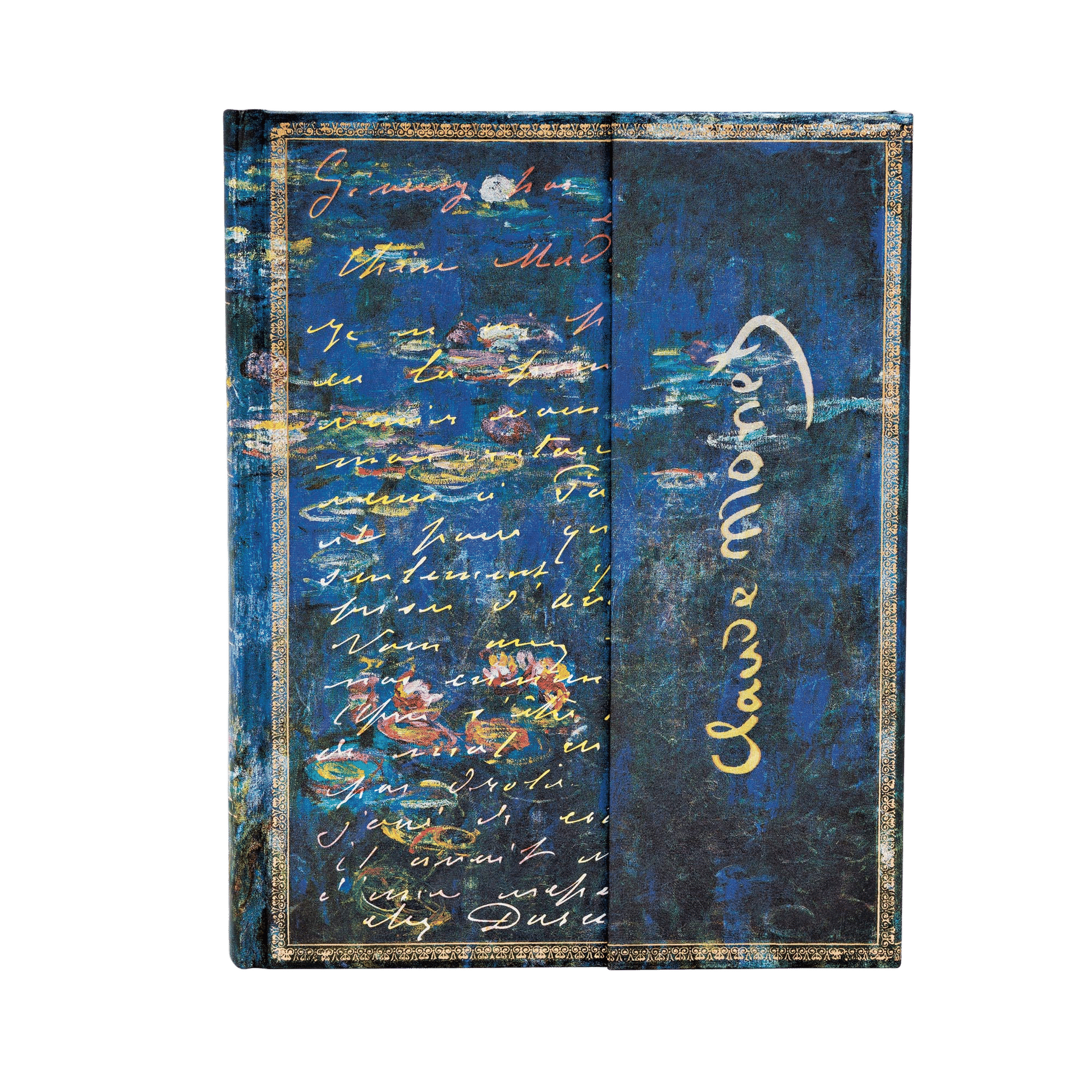
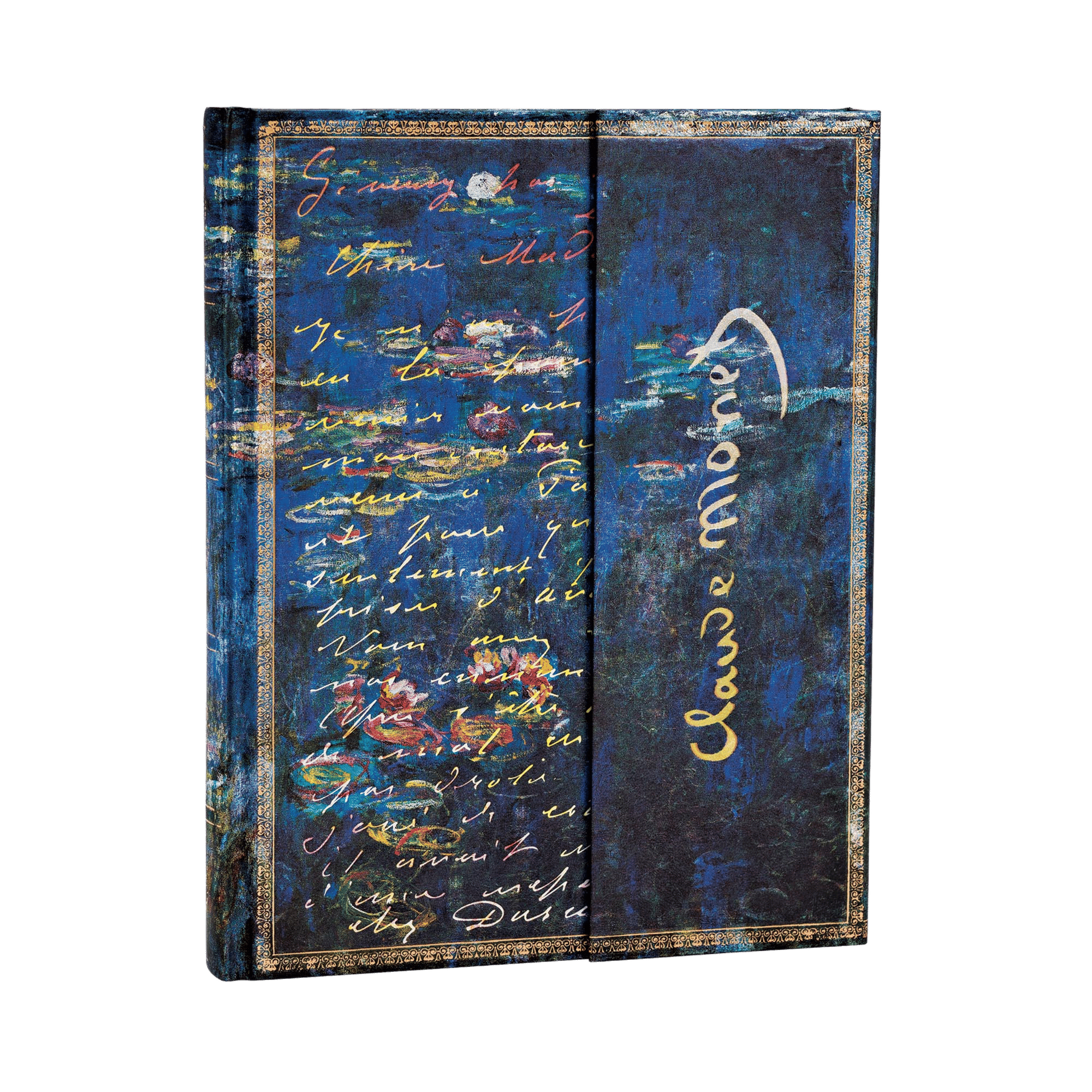
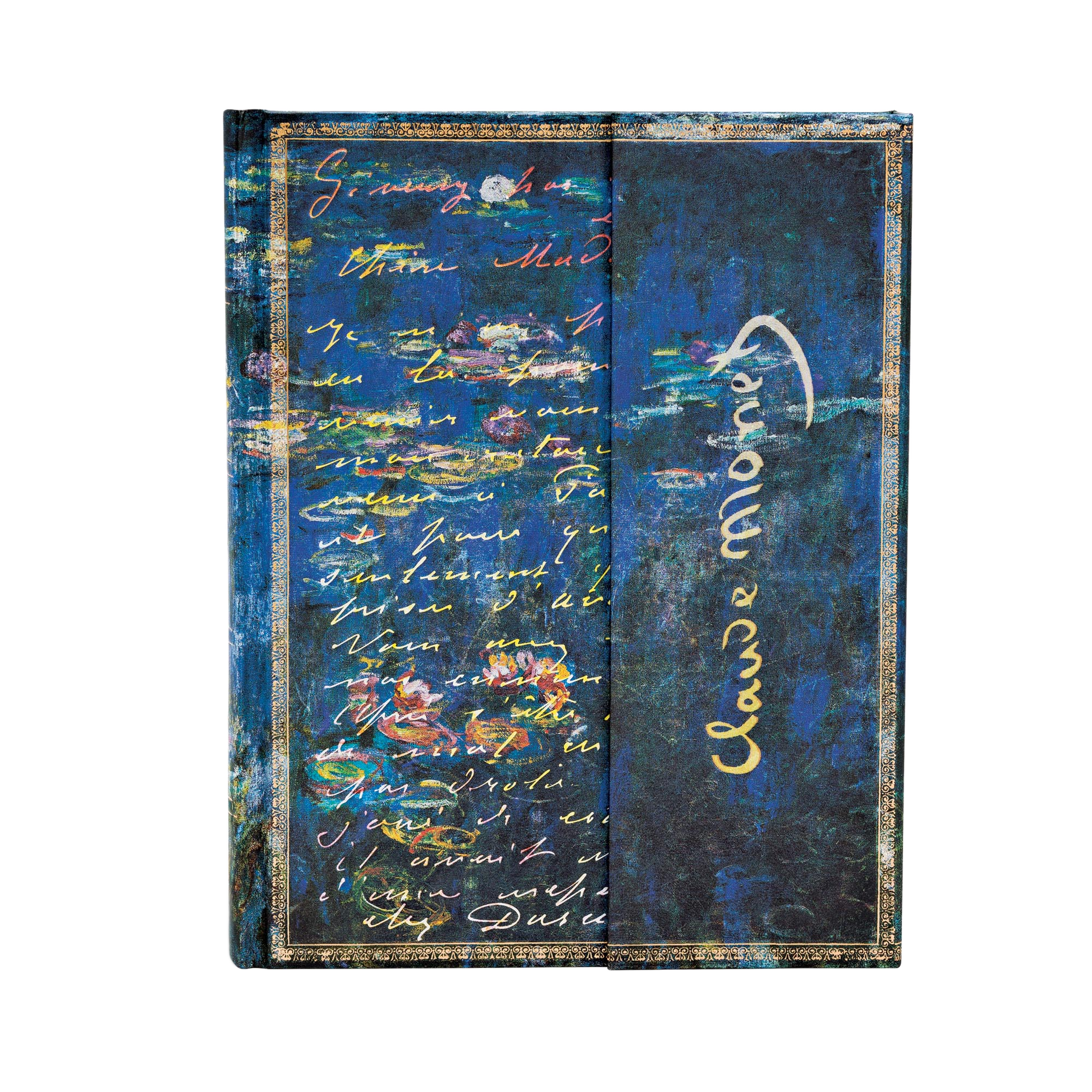
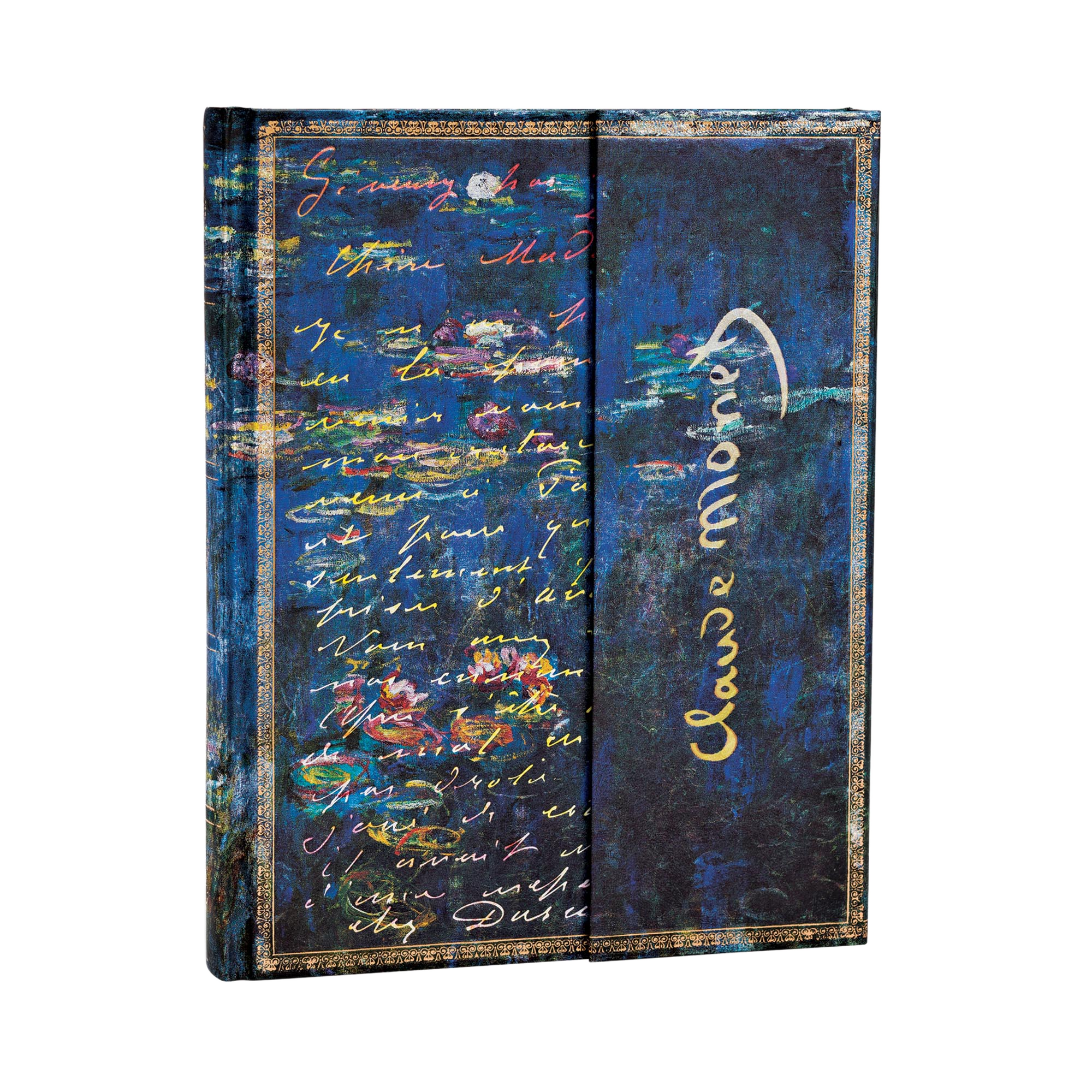
Monet (Water Lilies), Letter to Morisot
Embellished Manuscripts Collection
Item no. 9781439722268
- Interior: Unlined
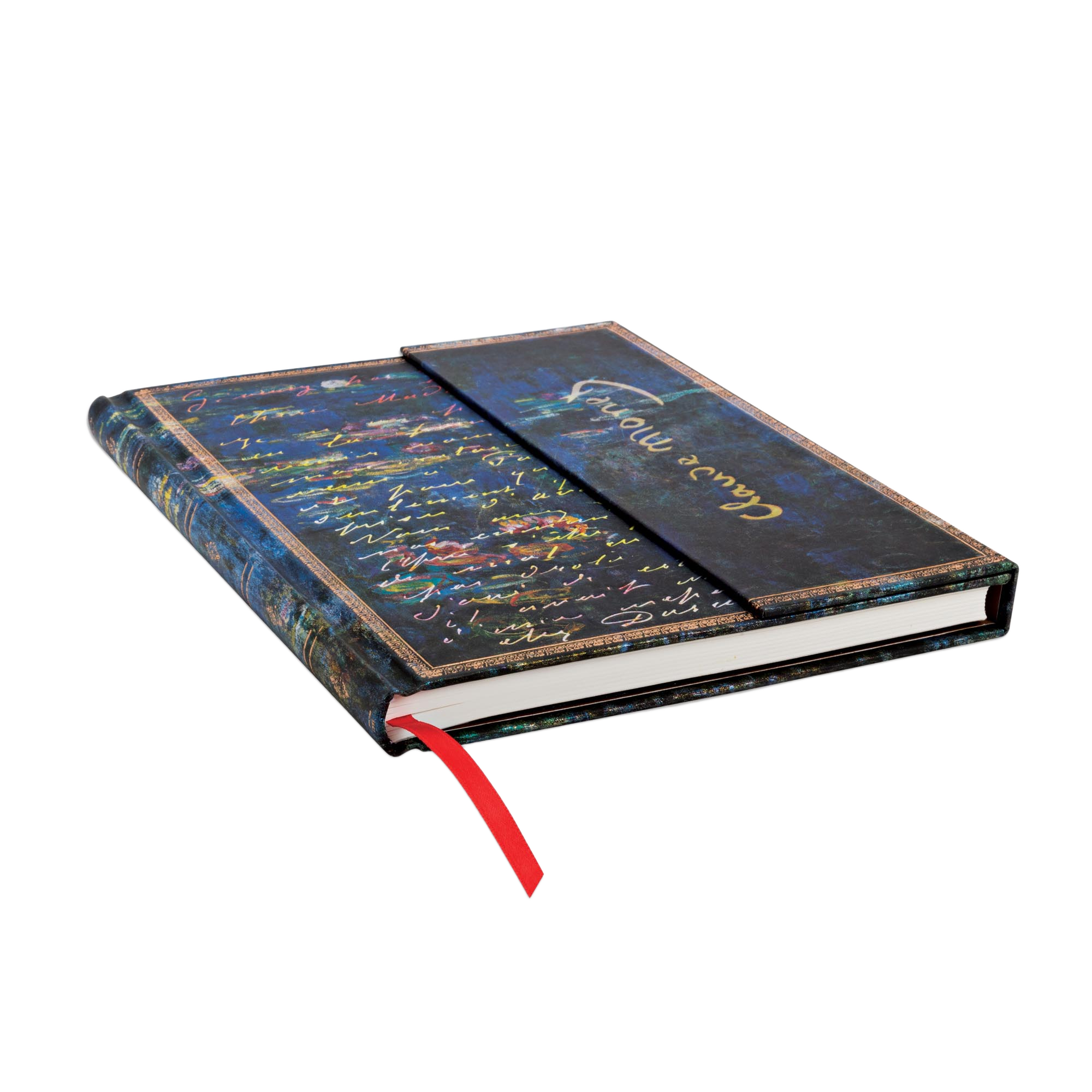
- Closure: Wrap
- GSM (paper weight): 120 gsm
- Edge Printing: No
- Pouch Type: Memento Pouch
- Satin ribbon marker
- 100% recycled binder boards
- Decorative printed cover paper
- Endpaper with credit and copyright information as well as historical background for the original artwork
- Threaded stitching and glue, as needed
- Acid-free sustainable forest paper
- Memento pouch
Considering the environmental impacts of doing business is important to us. That's why all of our paper is derived from sustainable forest pulp, our binder boards are made with 100% recycled materials and our paper is printed on acid-free, sustainable forest paper.
,%20Letter%20to%20Morisot_Design2.jpg)
Claude Monet (1840–1926) belonged to the group of artists who gave birth to the influential Impressionist art movement. In fact, the very name of the movement comes from the title of Monet’s oil painting Impression, soleil levant (Impression, Sunrise). When a less-than-impressed critic attended an 1874 art show featuring the subversive art of Monet and his associates, the critic coined this term and used it as a gibe at Monet’s manner of painting. Of course, the rogue artists were only too happy to embrace it as the name for their movement.
The term “Impressionism” reflects these artists’ focus on the effect that light has on colours and the transient quality of the visuals surrounding us. Monet was especially eager to capture and communicate this on his canvas. After he purchased a property in Giverny, a town just outside of Paris, Monet blended his artistry with another one of his passions, botany.
His new property boasted a fabulous garden and Monet took to painting in this natural setting. In the middle of the 19th century, at the time when few artists could fathom painting outside of a studio space, his “en plein air” style marked him as a maverick. Given the hundreds of works Monet composed in his Japanese garden at Giverny, it remains one of the most prolifically captured outdoor spaces in contemporary art.
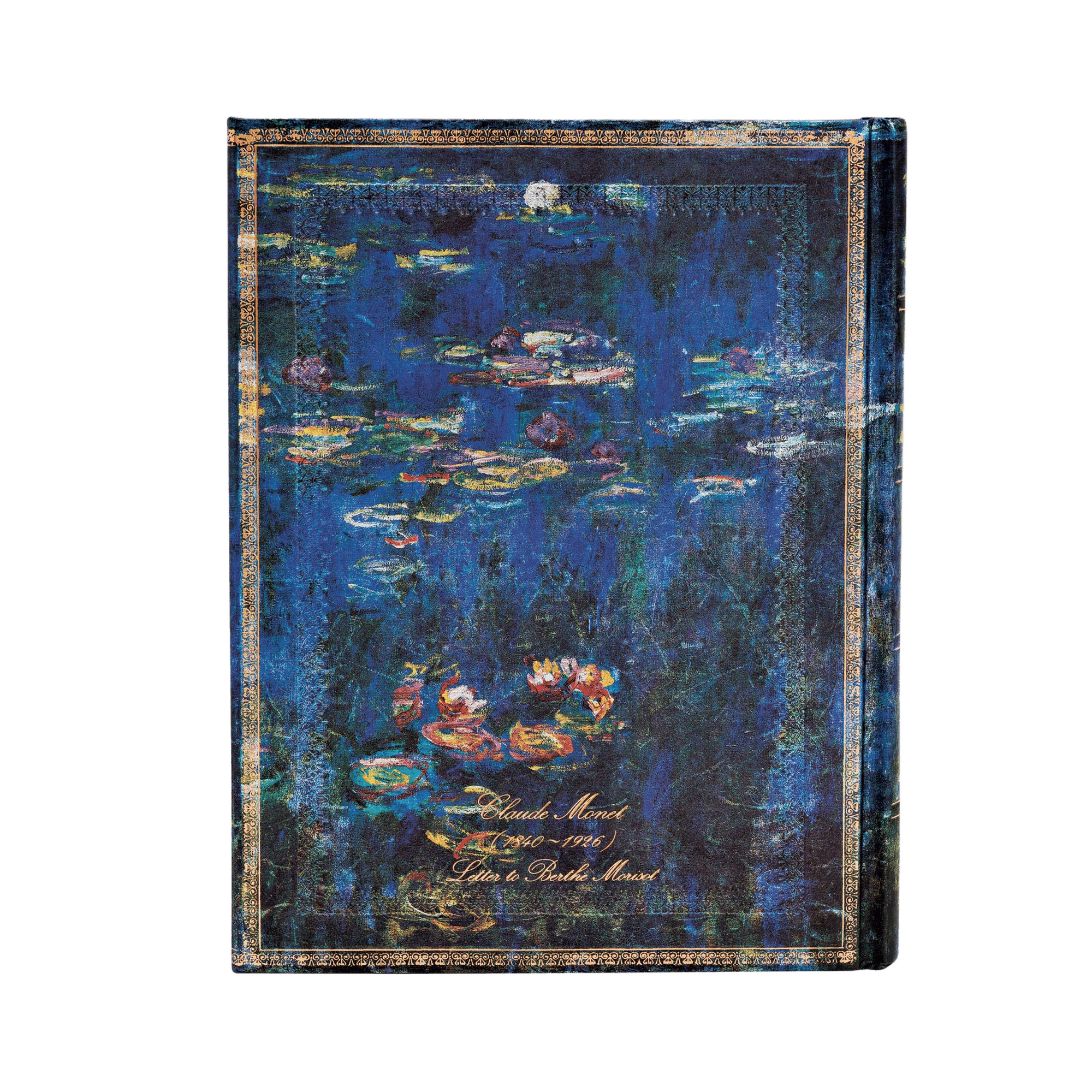
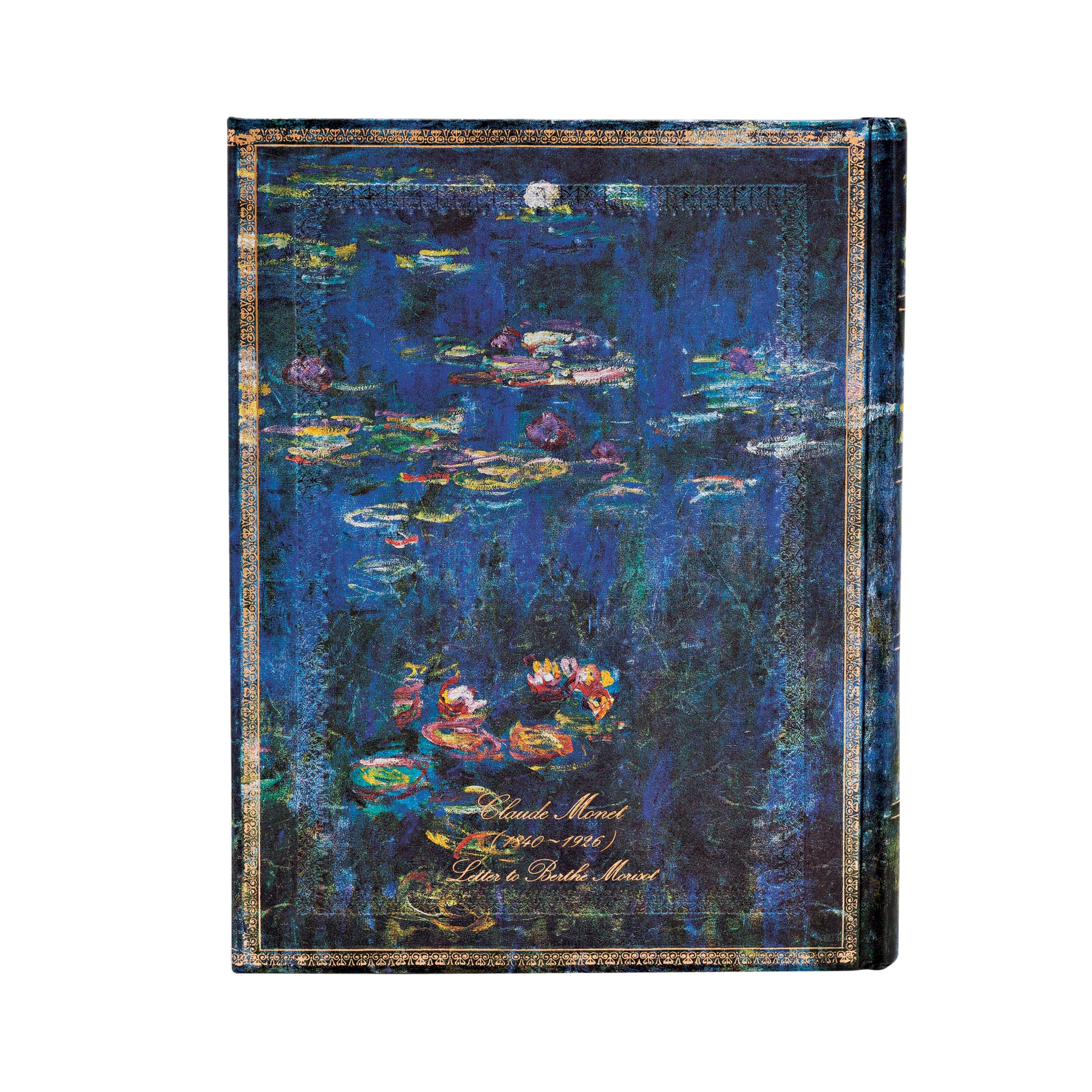
The pond in his garden soon became the subject of a Monet painting, and thus began his famous cycle of lily paintings that continued until his last days. A reproduction of one of these images provides the background for this cover, which also features a handwritten letter addressed to Monet’s fellow Impressionist Berthe Morisot.
In his quest to convey the immediate mood of the scene, Monet used a technique where his patchy brushstrokes downplayed objects’ outlines. In this cover image, the deeper blue provides a dramatic contrast to the bright splotches of lilies. While many of his lily paintings effuse serenity, here we have an example of a more vibrant, emotive interplay of colours.
Today, the many painted versions of Claude Monet’s water lilies are among the most celebrated and reproduced nature studies.
Need Help?
In case of any questions, check out our FAQs here. If you still can't find your answer, you can contact us at the link below.
Contact Us