

Journals
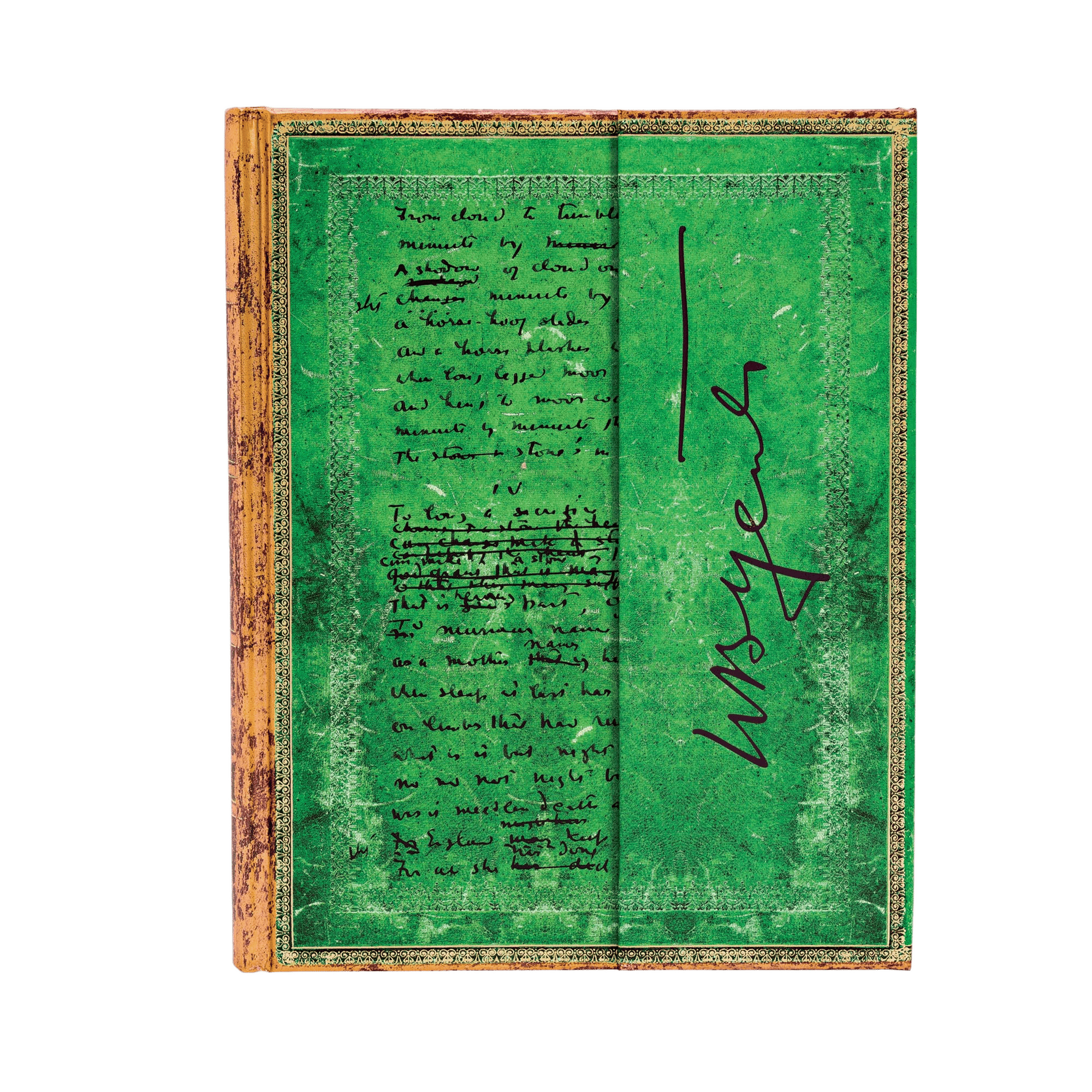
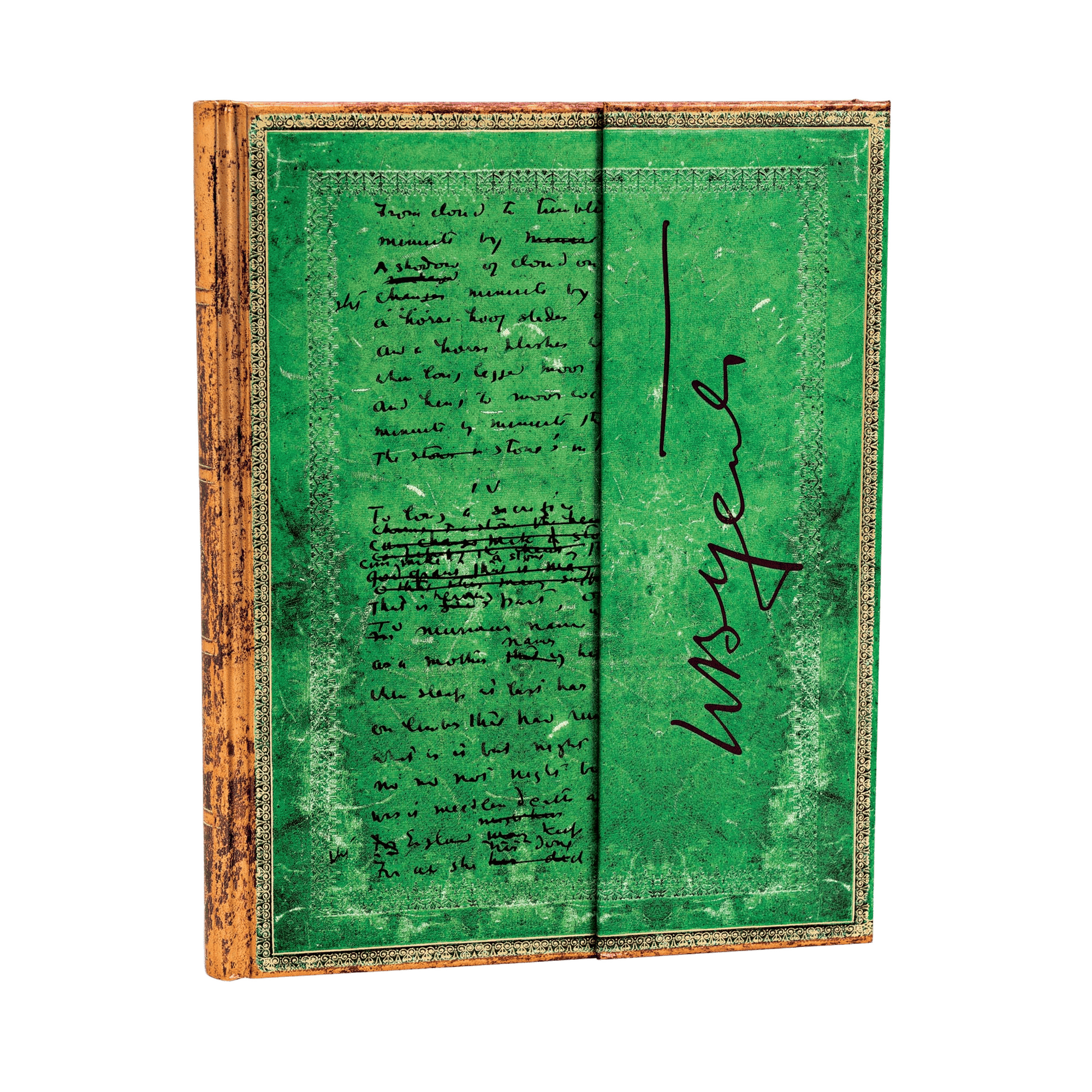
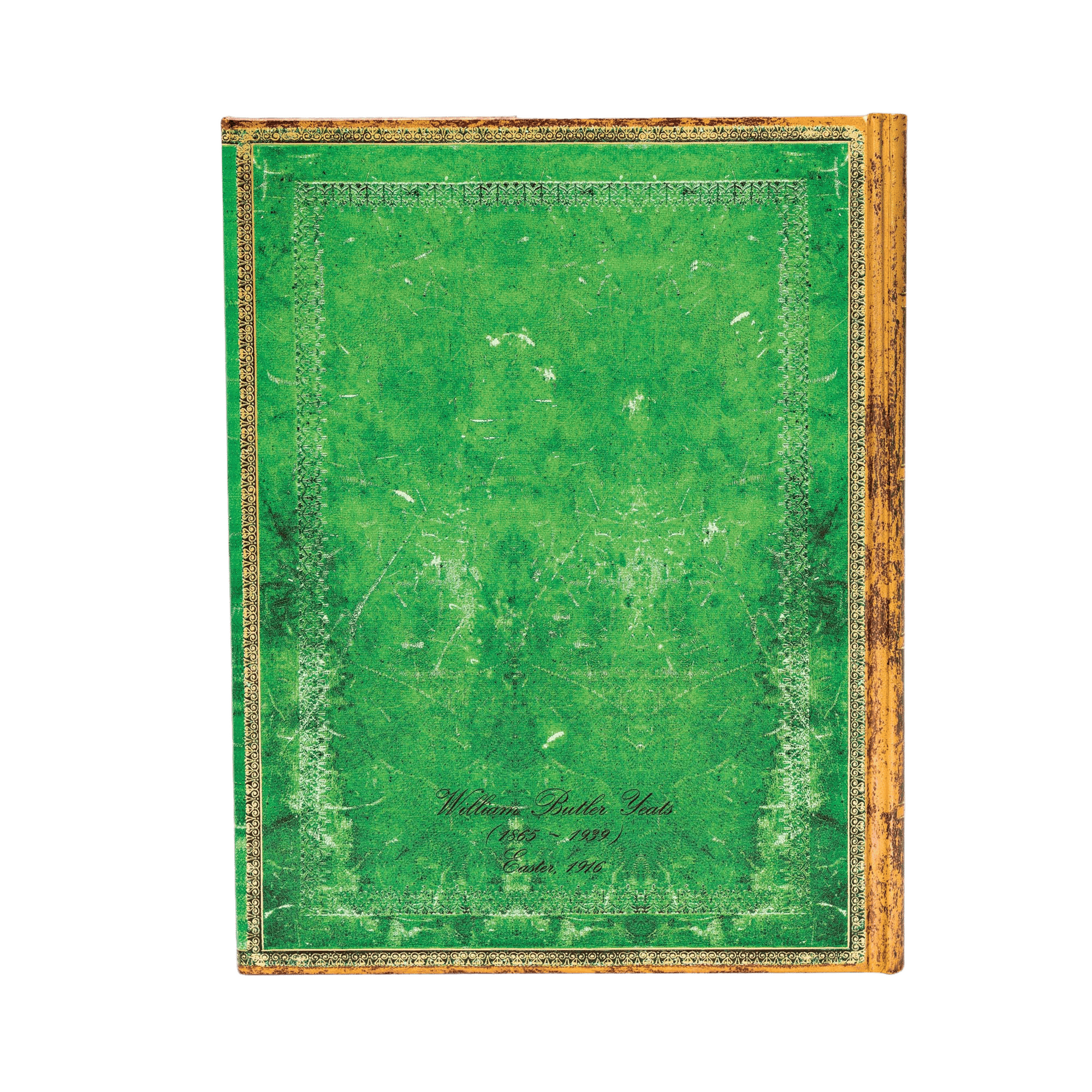
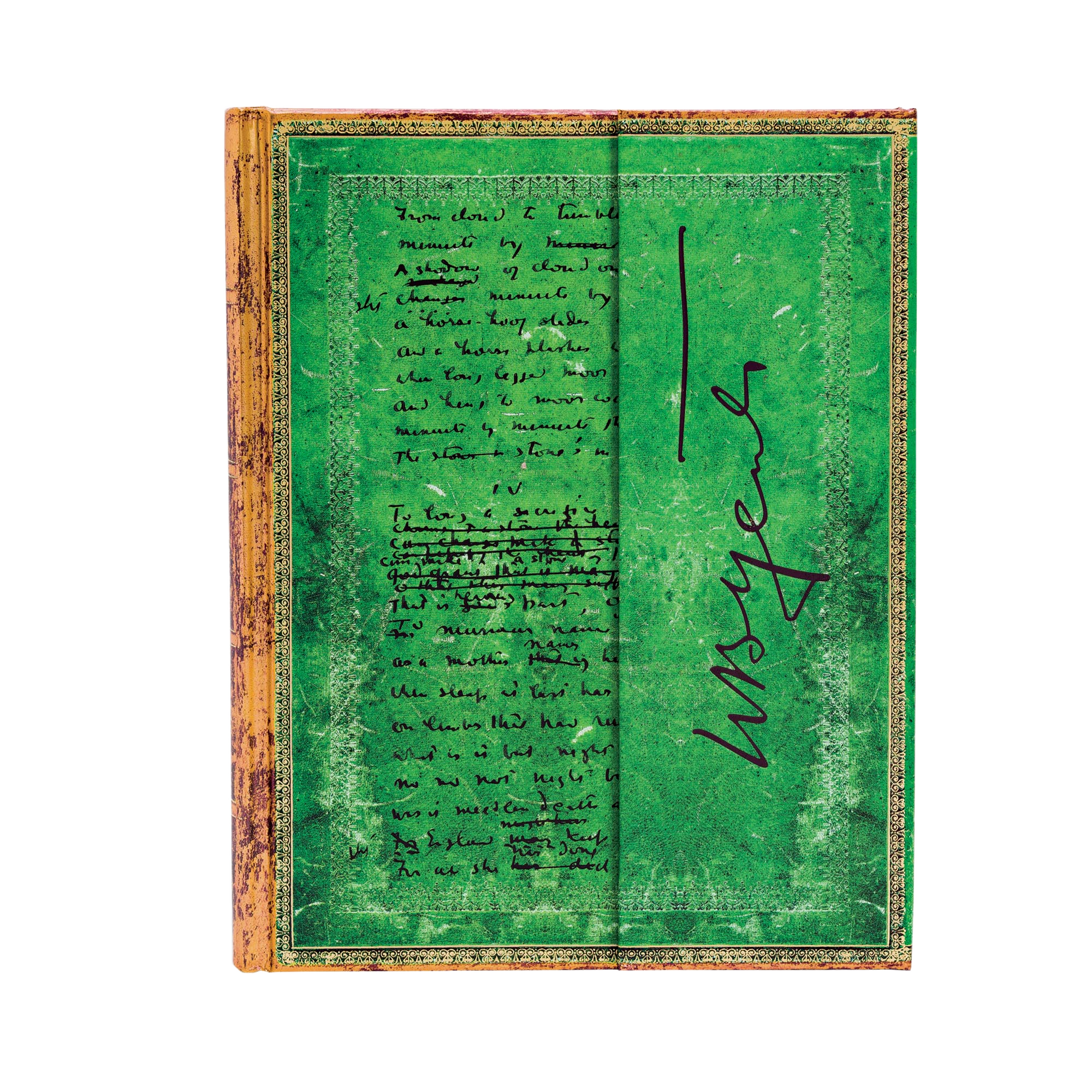
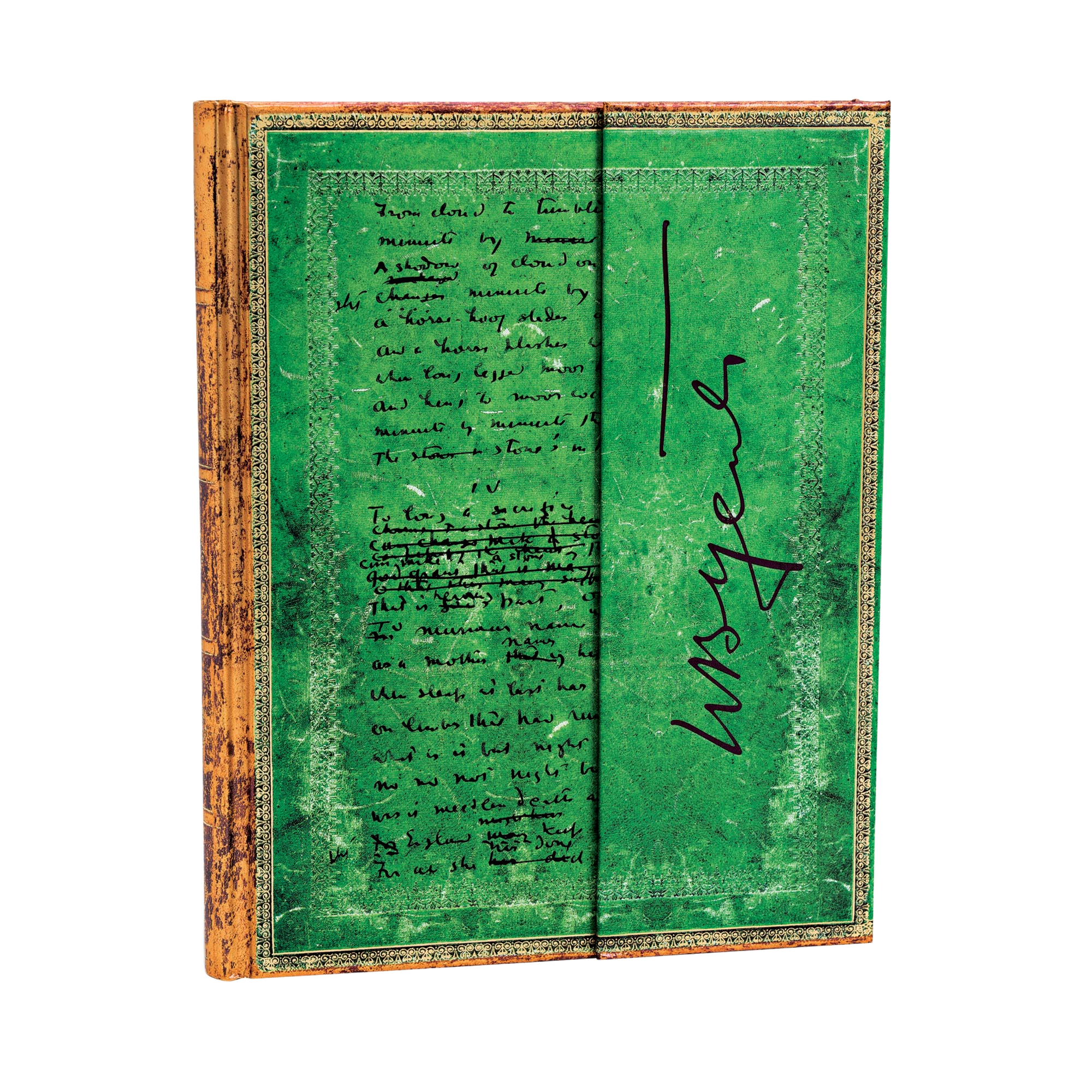
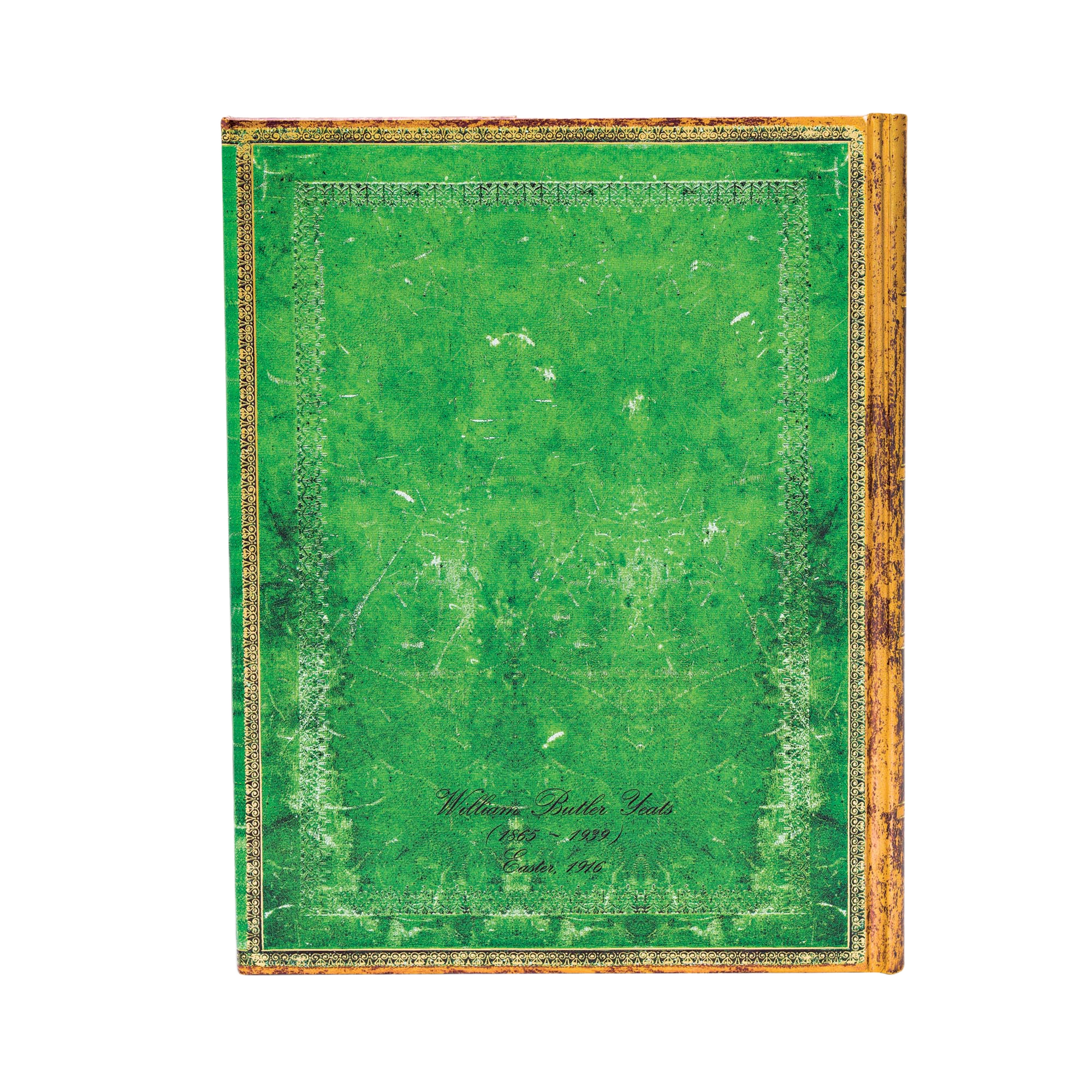
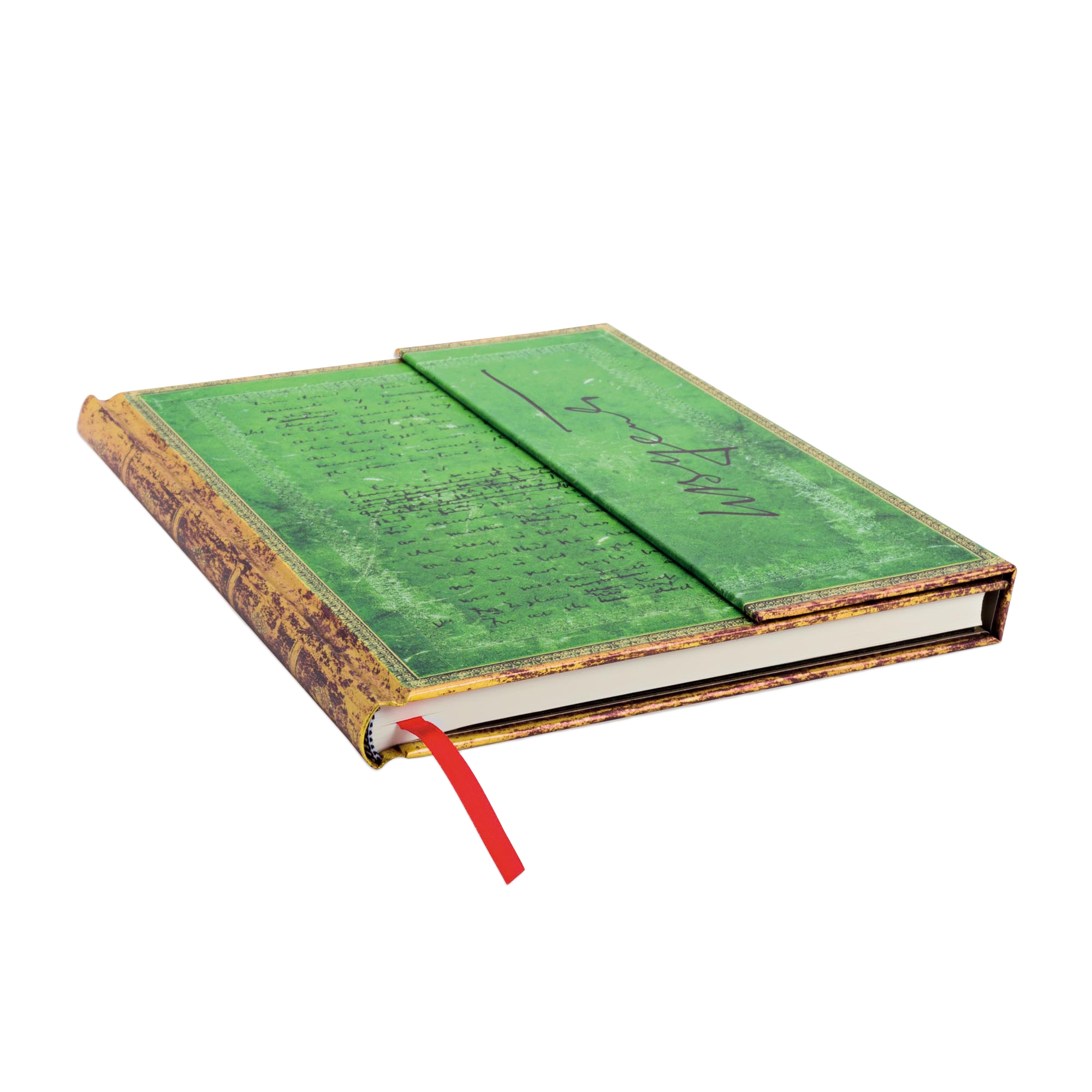
Yeats, Easter 1916
Embellished Manuscripts Collection
Item no. 9781439734803
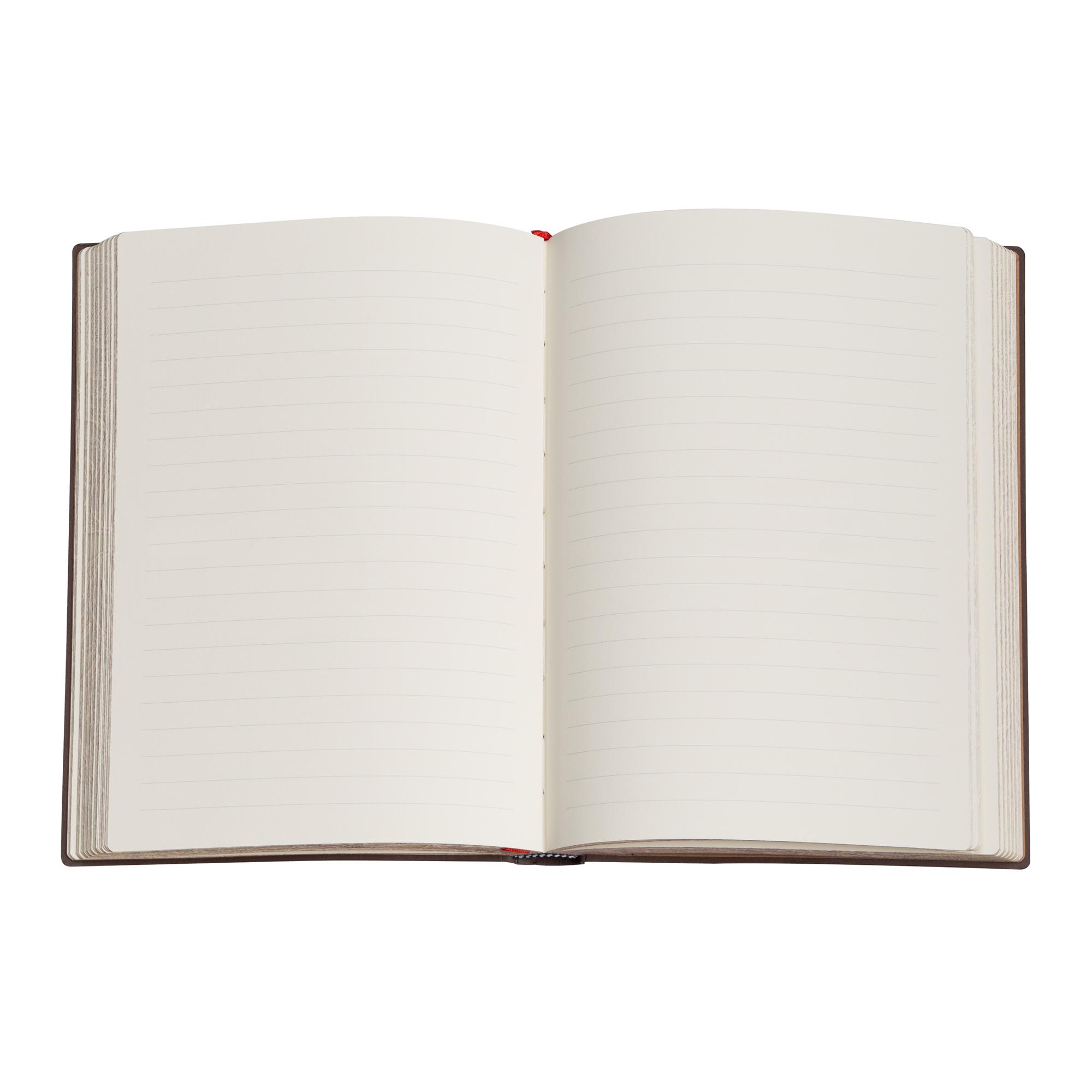
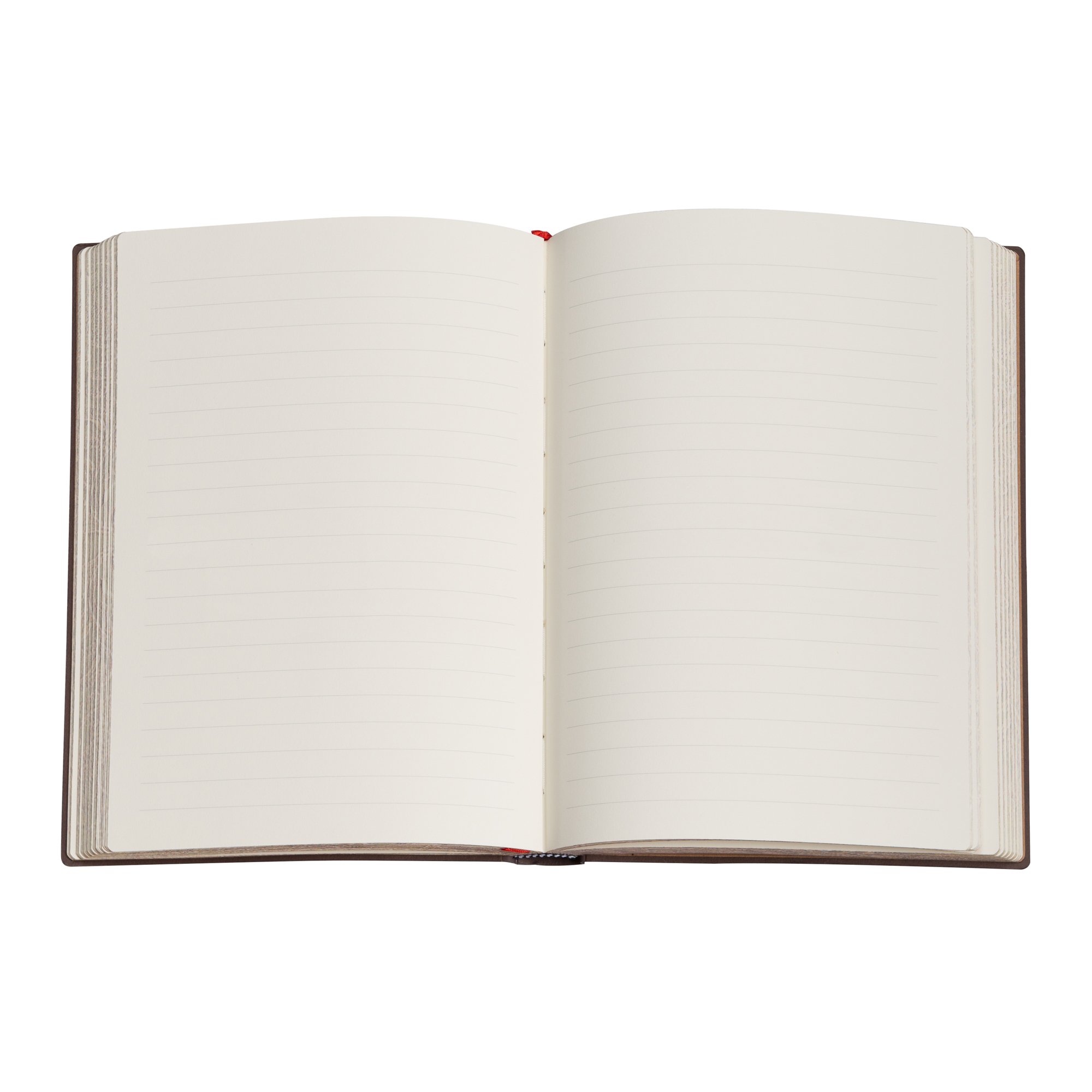
- Interior: Lined
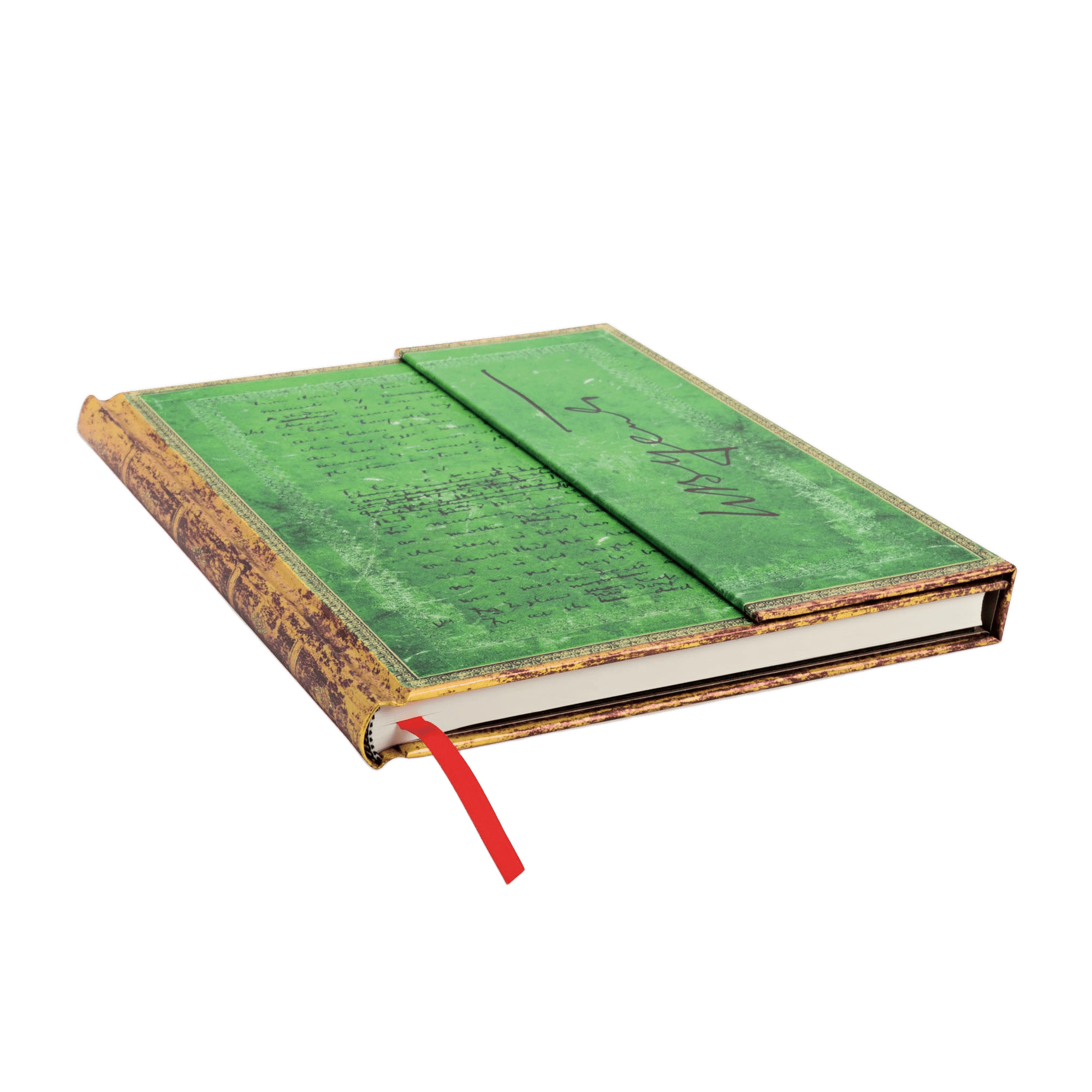
- Closure: Wrap
- GSM (paper weight): 120 gsm
- Edge Printing: No
- Pouch Type: Memento Pouch
- Satin ribbon marker
- 100% recycled binder boards
- Decorative printed cover paper
- Endpaper with credit and copyright information as well as historical background for the original artwork
- Threaded stitching and glue, as needed
- Acid-free sustainable forest paper
- Memento pouch
Considering the environmental impacts of doing business is important to us. That's why all of our paper is derived from sustainable forest pulp, our binder boards are made with 100% recycled materials and our paper is printed on acid-free, sustainable forest paper.
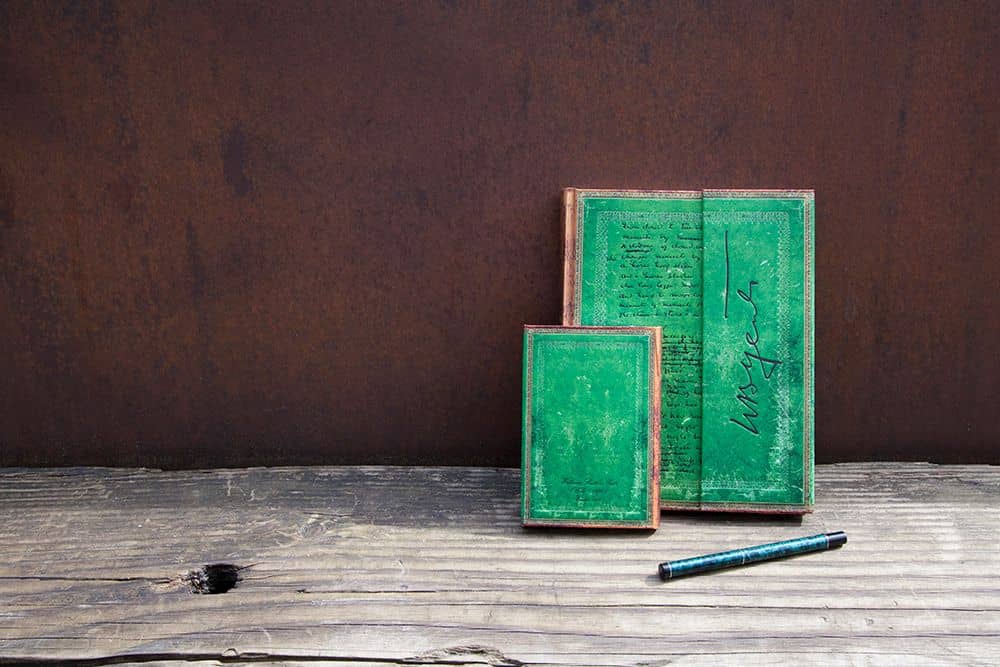
William Butler Yeats (1865–1939) was a pillar of both the Irish and British literary scenes in the 20th century. A driving force behind the Irish Literary Revival, Yeats was a poet, founder of the Abbey Theatre, Nobel Laureate and proud Irishman. With this Embellished Manuscript, we honour the genius of W.B. Yeats and his masterful yet devastating poem “Easter, 1916.”
“Easter, 1916” is a powerful expression of Yeats coming to terms with the tragic events of the Easter Rising rebellion staged in Ireland on Easter Monday, April 24, 1916. When the uprising failed and the leaders were executed for treason, public opinion swung from anger toward the “Volunteers” who led the rebellion, to passionate Irish nationalism. Though he was a committed national, Yeats rejected violence as a means to secure independence and had trouble coming to terms with the events that had transpired.
He began writing the poem almost immediately after the Easter Rising, but it wasn’t published until 1921 when the Irish War of Independence was ending, resulting in the country’s self-rule. In the poem, published in his collection Michael Robartes and the Dancer, Yeats admits that he had maintained a certain distance from the revolutionary movement. Like many in Ireland, he was horrified and forever changed by the event. These feelings are summed up by the lines “All changed, changed utterly: A terrible beauty is born.”
Yeats became the standard-bearer for Ireland’s literary and cultural identity and, when he was awarded the 1923 Nobel Prize in Literature, he sought to highlight the symbolic value of an Irish winner so soon after the country had gained independence. In reply to those congratulating him, Yeats wrote: “I consider that this honour has come to me less as an individual than as a representative of Irish literature, it is part of Europe’s welcome to the Free State.”
Whether one regards him as a hero of Irish culture or simply a magnificent English-language writer, one cannot deny Yeats’ influence as a Symbolist poet. He was a master of traditional and modern poetry forms and his use of symbolism continues to be held as a high standard for contemporary writers.
Need Help?
In case of any questions, check out our FAQs here. If you still can't find your answer, you can contact us at the link below.
Contact Us