



Journals
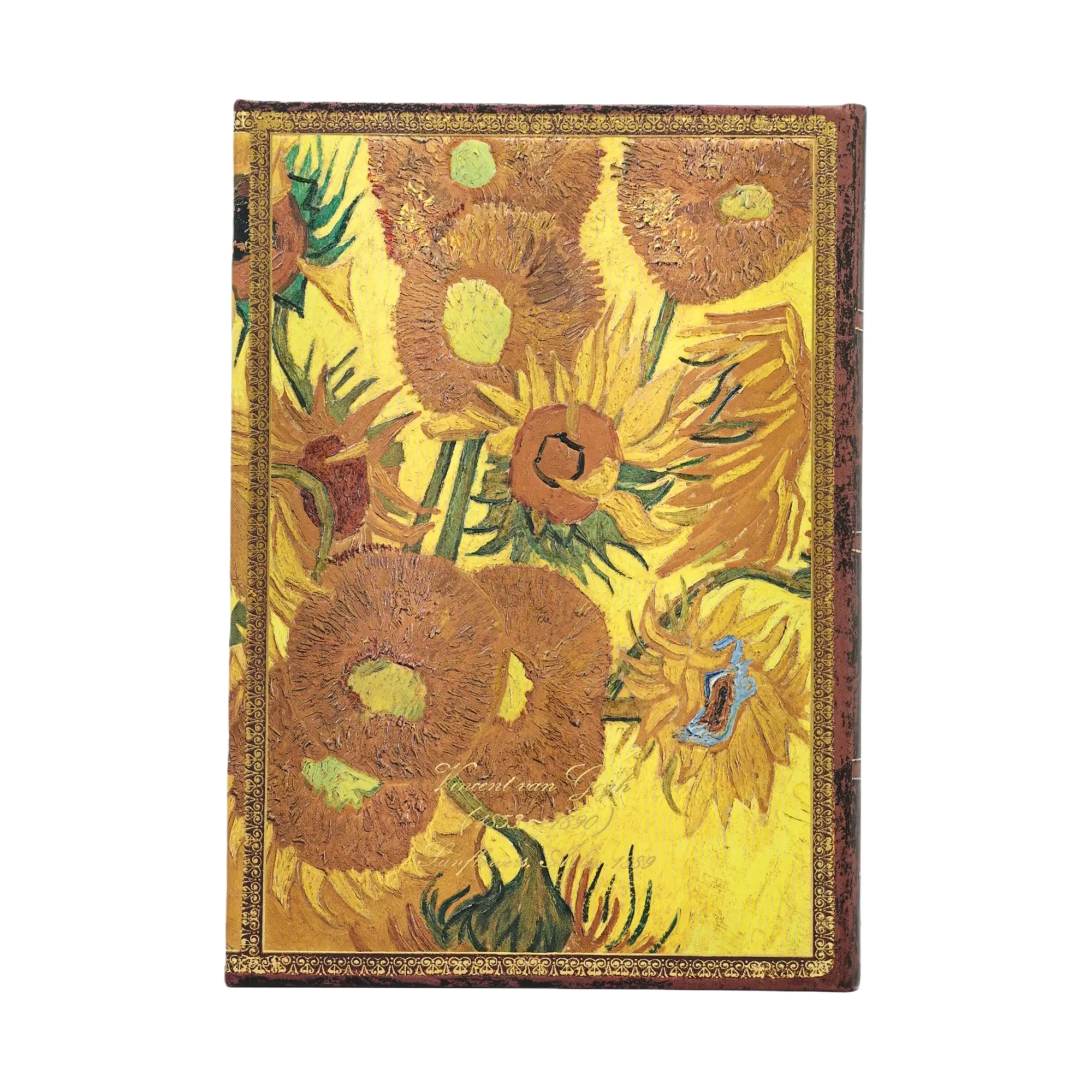
Van Gogh, Sunflowers
Embellished Manuscripts Collection
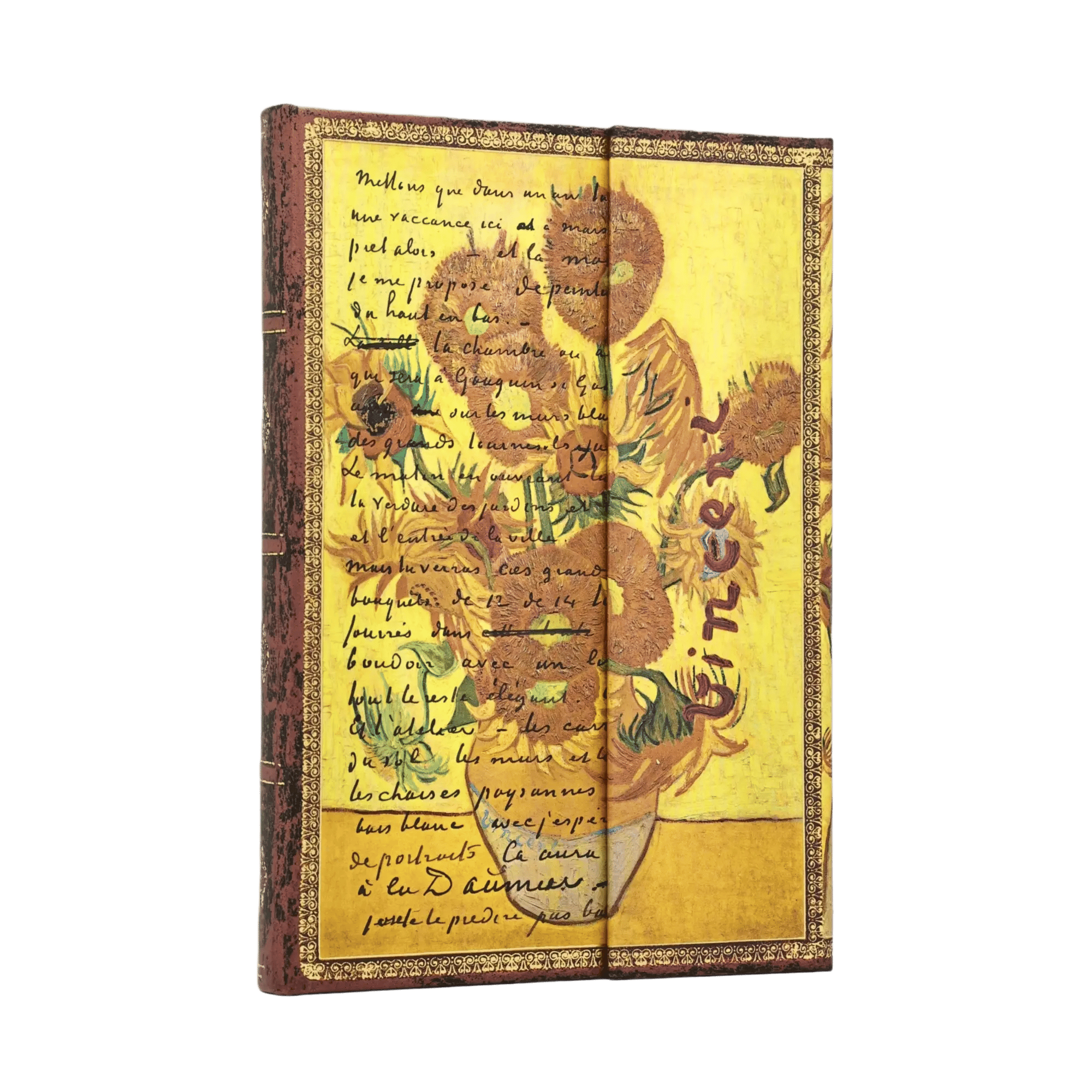
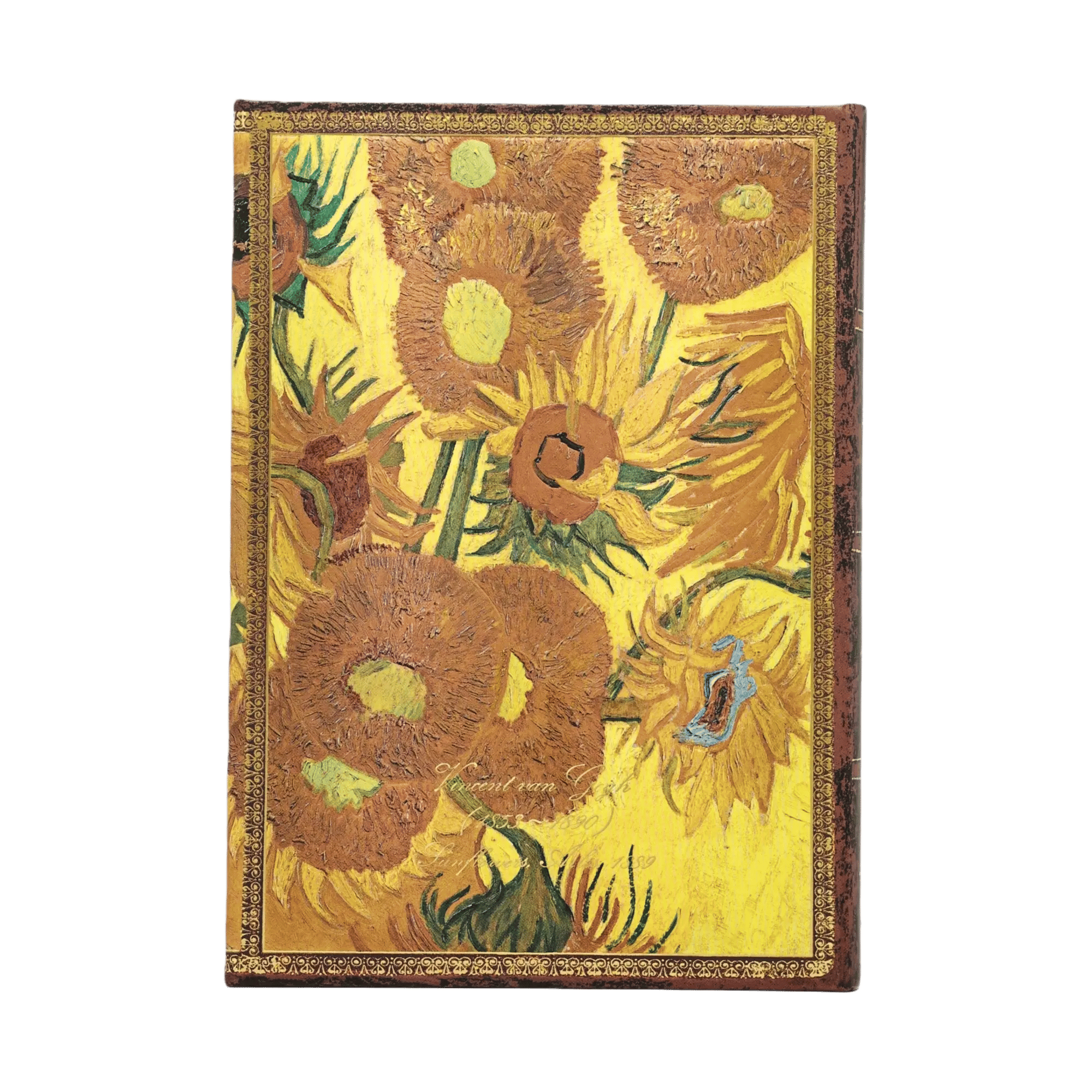
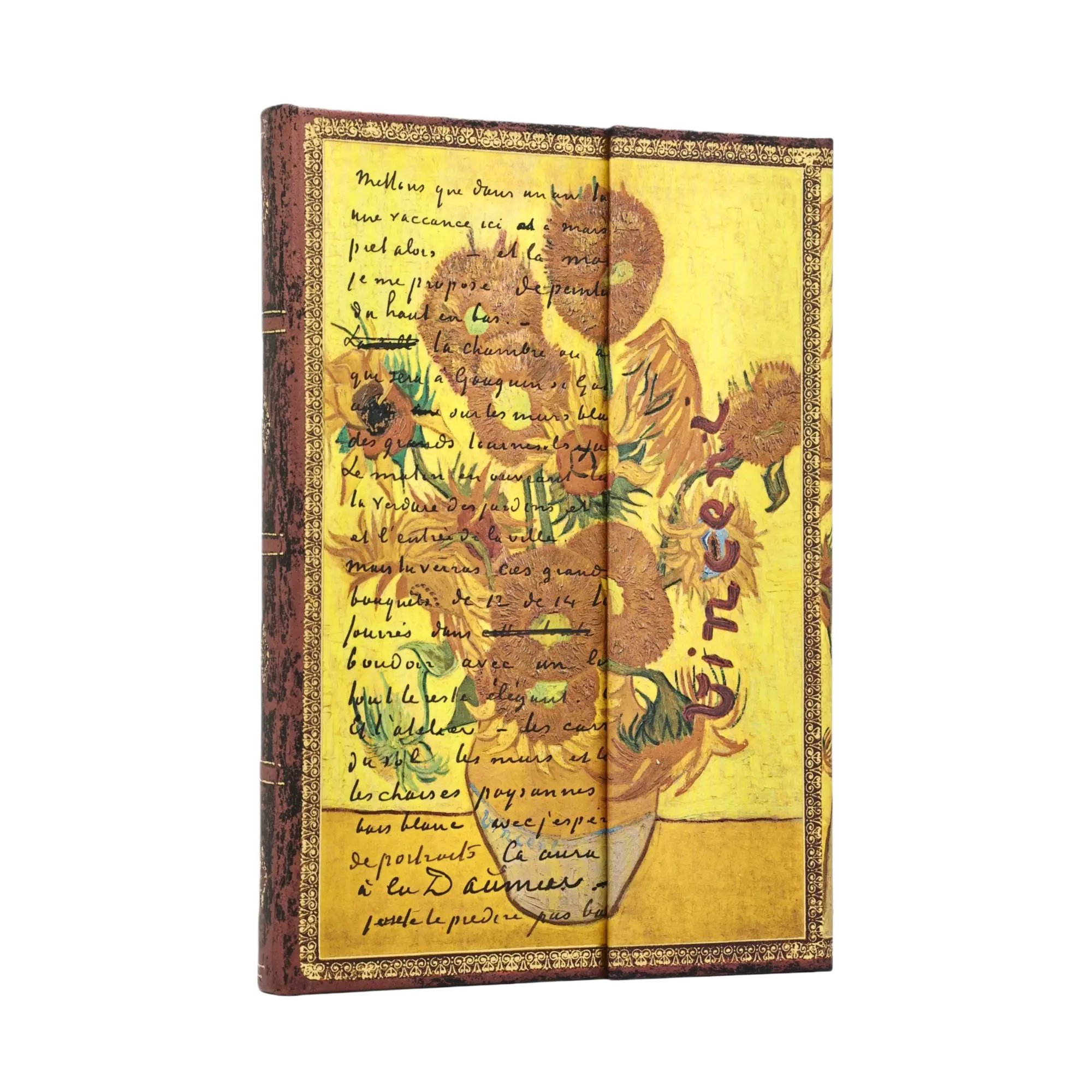
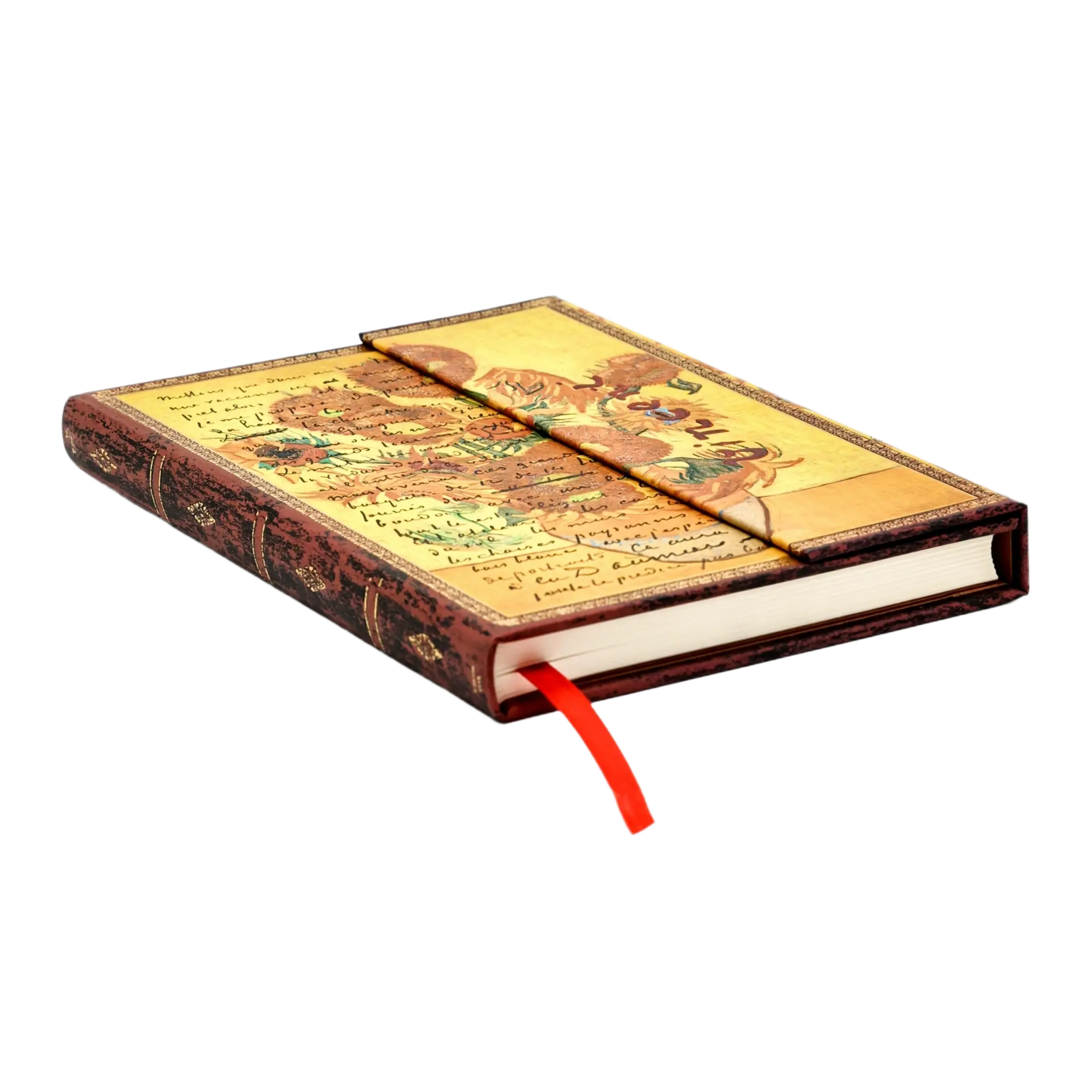
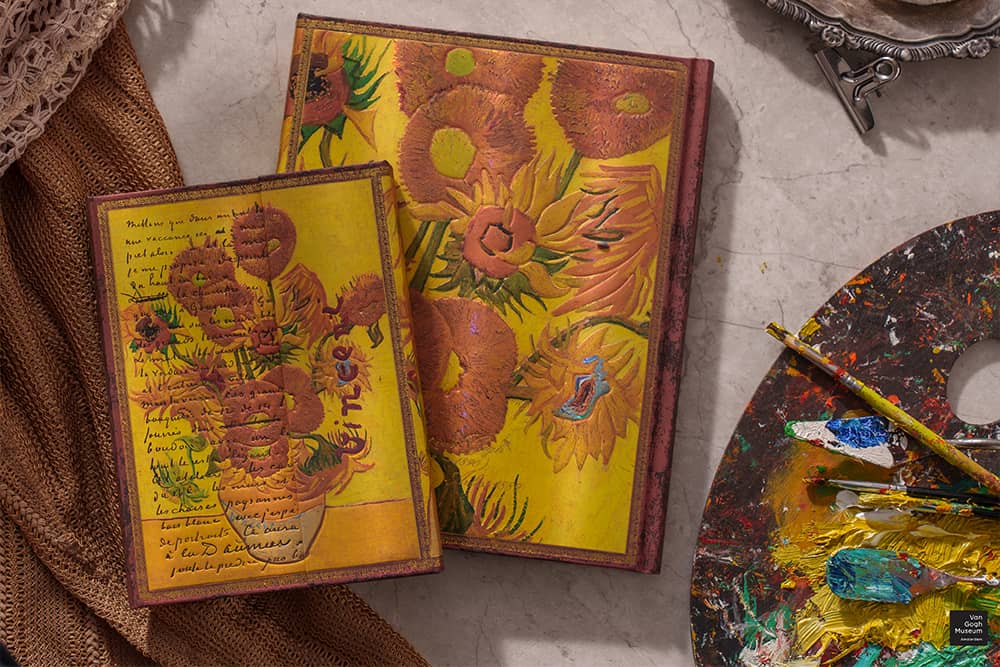
Vincent van Gogh (1853–1890) was one of the most influential artists in the history of Western art. Reproduced here alongside his Sunflowers (1889) painting is a page from one of his letters to his brother, Theo. We are honoured to partner with the Van Gogh Museum on this special Embellished Manuscripts Collection release.
Item no. 9780349715209
- Interior: Lined
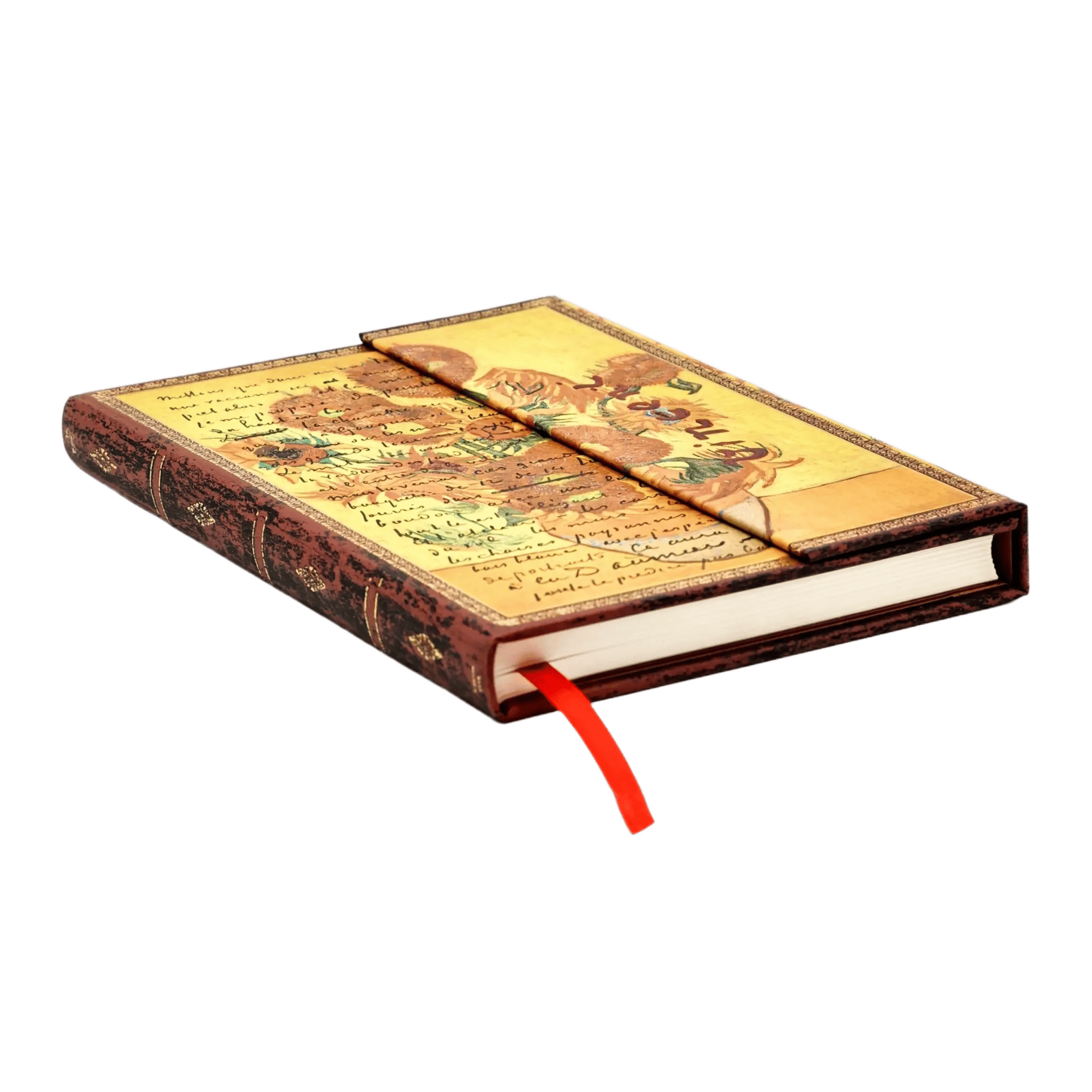
- Closure: Wrap
- GSM (paper weight): 120 gsm
- Edge Printing: Yes
- Pouch Type: Memento Pouch
- Satin ribbon marker
- 100% recycled binder boards
- Decorative printed cover paper
- Endpaper with credit and copyright information as well as historical background for the original artwork
- Threaded stitching and glue, as needed
- Acid-free paper
- Memento pouch
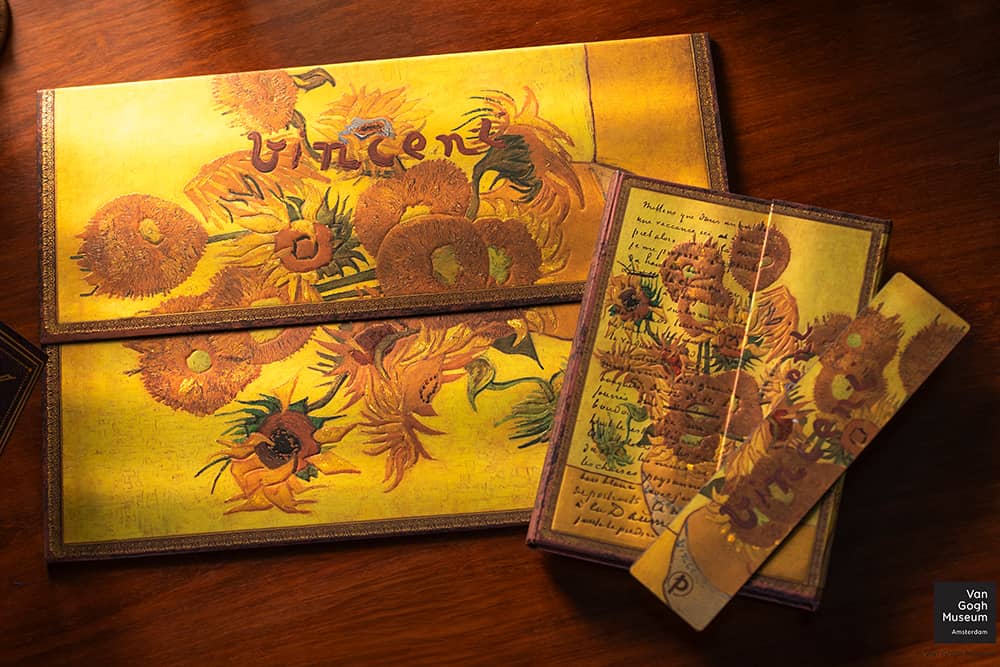
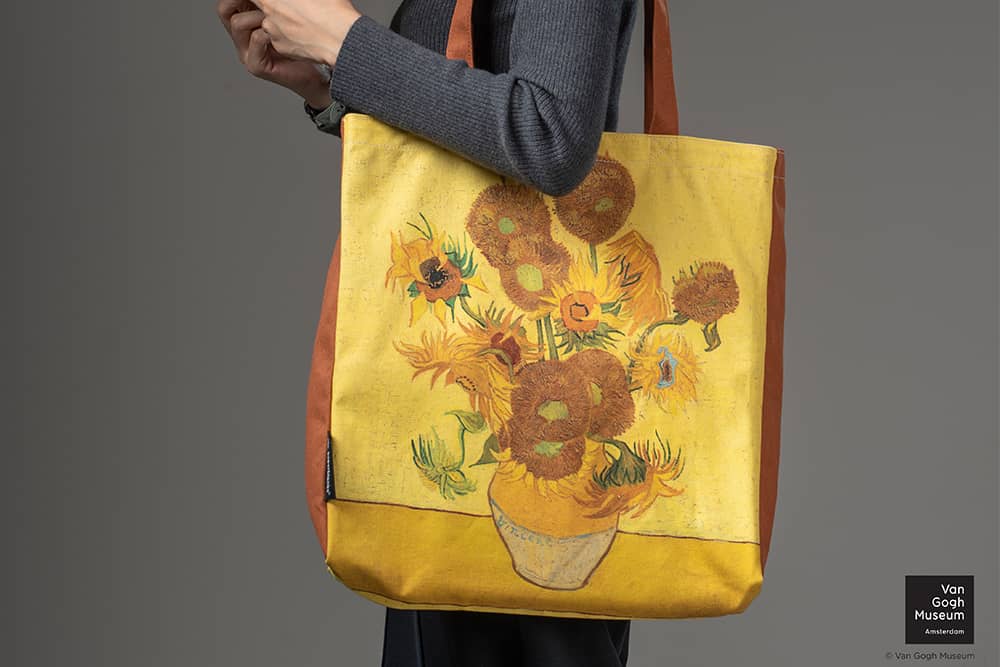
Dutch Post-Impressionist painter Vincent van Gogh (1853–1890) remains one of the most influential artists in the history of Western art, despite his relative obscurity during his lifetime. Known for their emotional intensity, dramatic use of colour, and expressive brushwork, Van Gogh’s works have continued to inspire and captivate generations of artists and art lovers since his death in 1890.
Some of Van Gogh’s most iconic paintings are those depicting sunflowers. Celebrated for their vibrant beauty and emotional depth, these works held a special significance for Van Gogh – communicating "gratitude," according to one of his letters.
In February 1888, having grown tired of city life in Paris, Van Gogh moved to the town of Arles in southern France in hopes of establishing an artistic retreat and commune. It was in Arles where he painted five large canvases depicting sunflowers in a vase, with three shades of yellow and nothing else. Through this approach, he demonstrated that it was possible to create an image using numerous variations of a single colour, without any loss of eloquence.
Van Gogh’s letters to his younger brother Theo are an essential part of understanding his life, thoughts, and artistic vision. Reproduced here alongside his Sunflowers painting (1889) is a page from one those letters, written in September 1888. In it, Van Gogh describes his vision for the house he was renting in Arles, which he called the Yellow House due to the warm, buttery colour of its exterior walls: "But you’ll see these big paintings of bouquets of 12, 14 sunflowers stuffed into this tiny little boudoir with a pretty bed and everything else elegant. It won’t be commonplace."
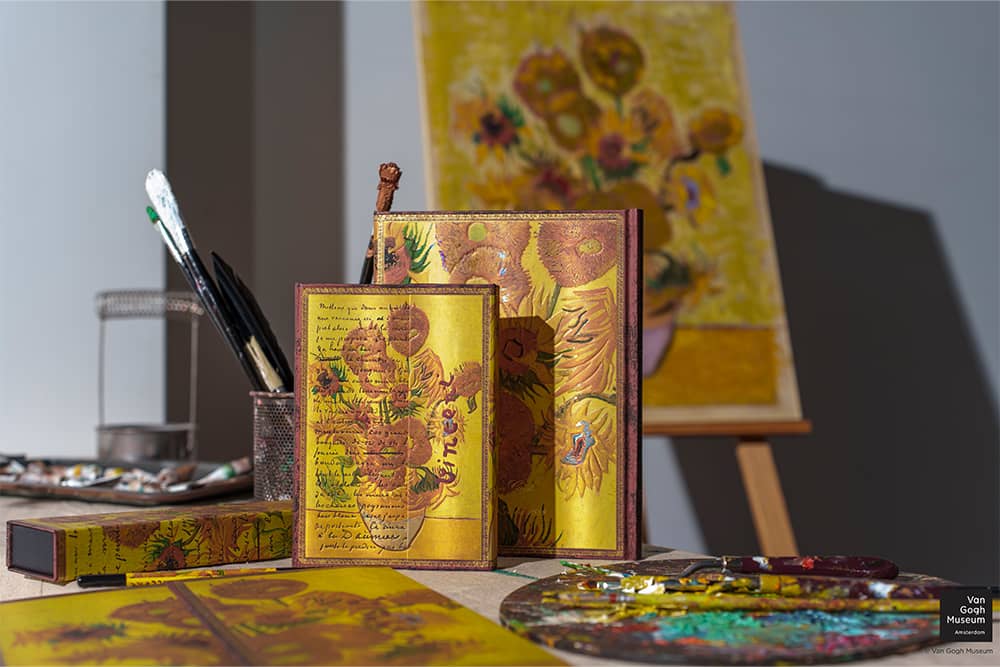
We are honoured to partner with the Van Gogh Museum in Amsterdam to reproduce one of the artist’s most treasured and recognizable works of art alongside such a meaningful piece of correspondence between the Van Gogh brothers.
Vincent van Gogh (1853–1890) was one of the most influential artists in the history of Western art. Reproduced here alongside his Sunflowers (1889) painting is a page from one of his letters to his brother, Theo. We are honoured to partner with the Van Gogh Museum on this special Embellished Manuscripts Collection release.
Need Help?
In case of any questions, check out our FAQs here. If you still can't find your answer, you can contact us at the link below.
Contact Us