



Journals
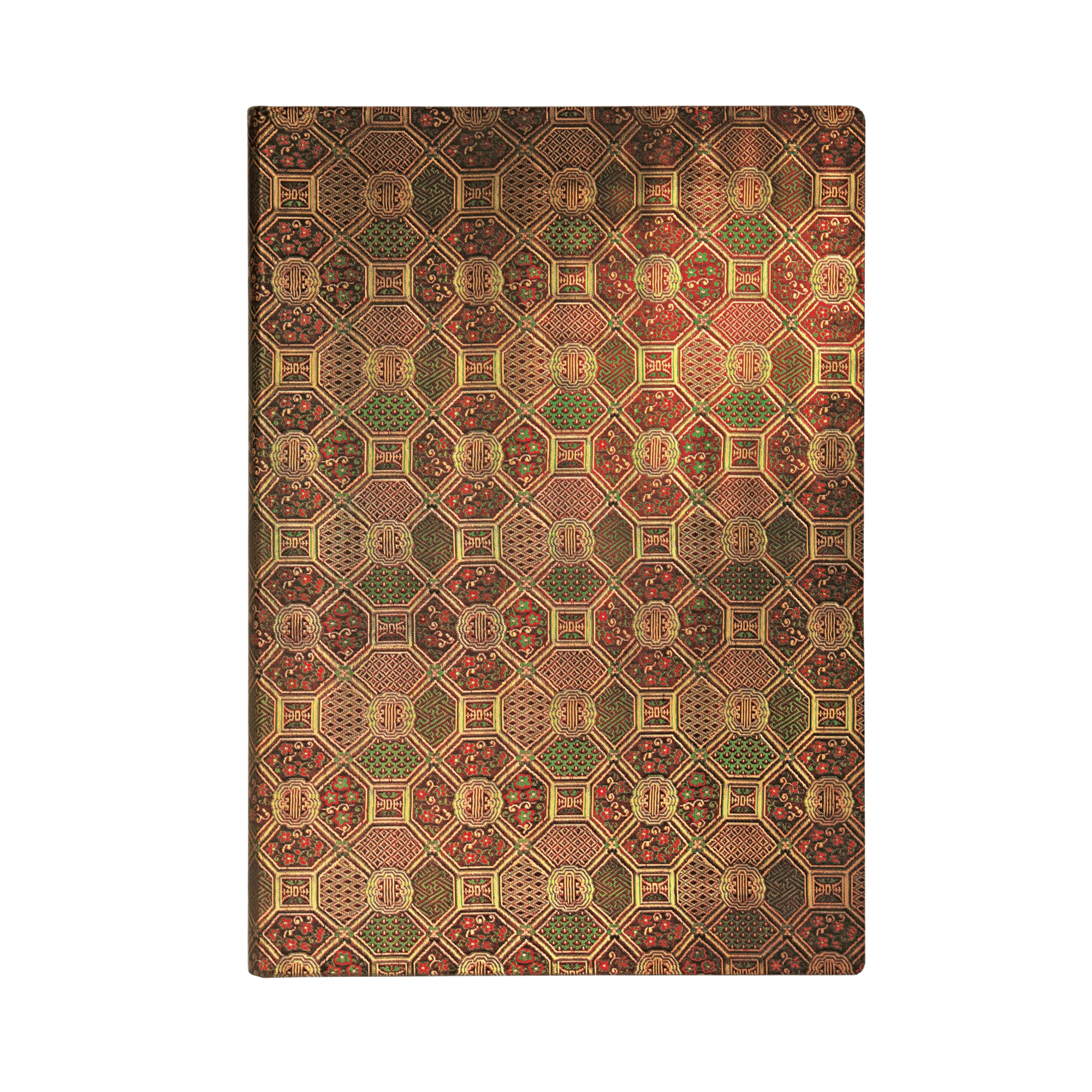
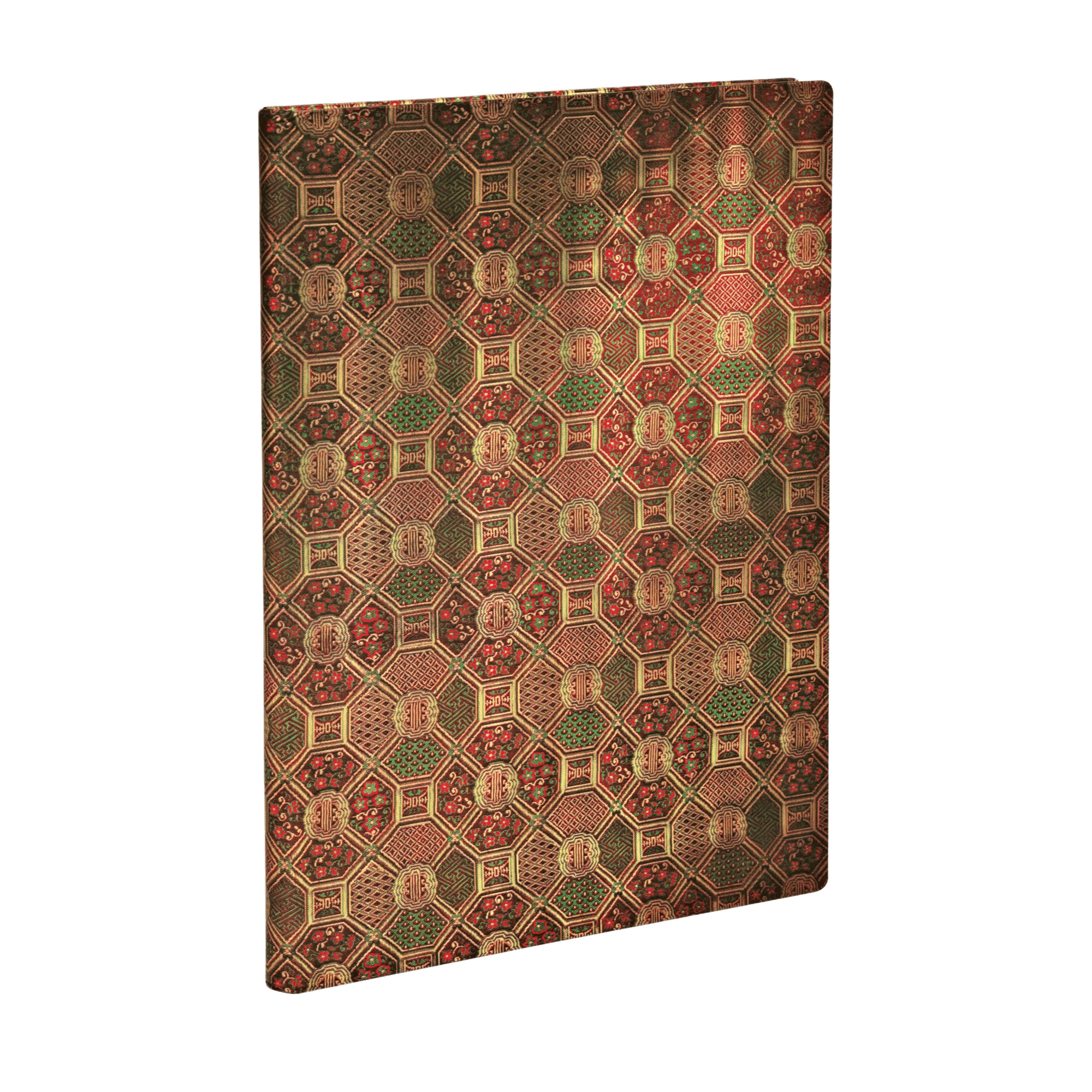
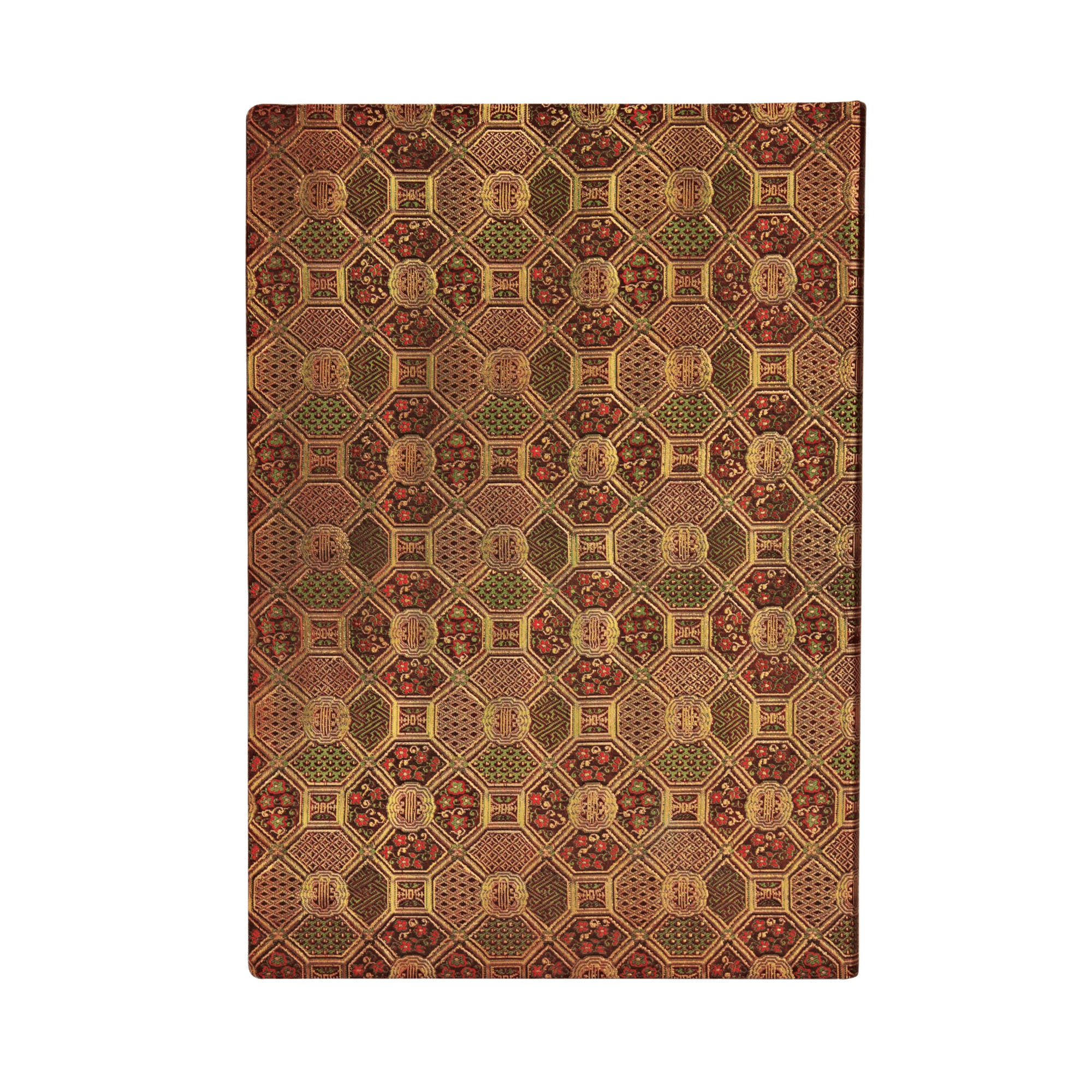
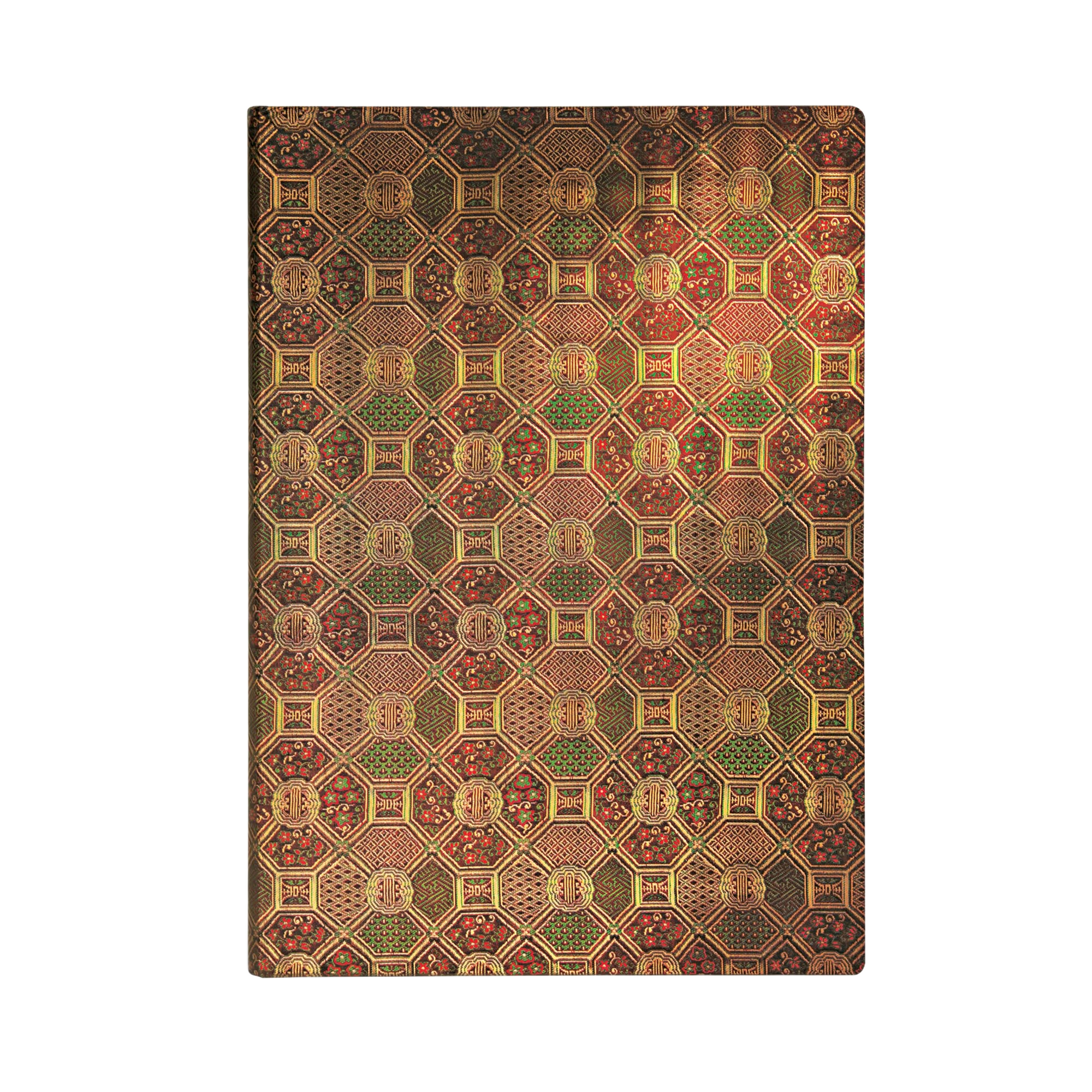
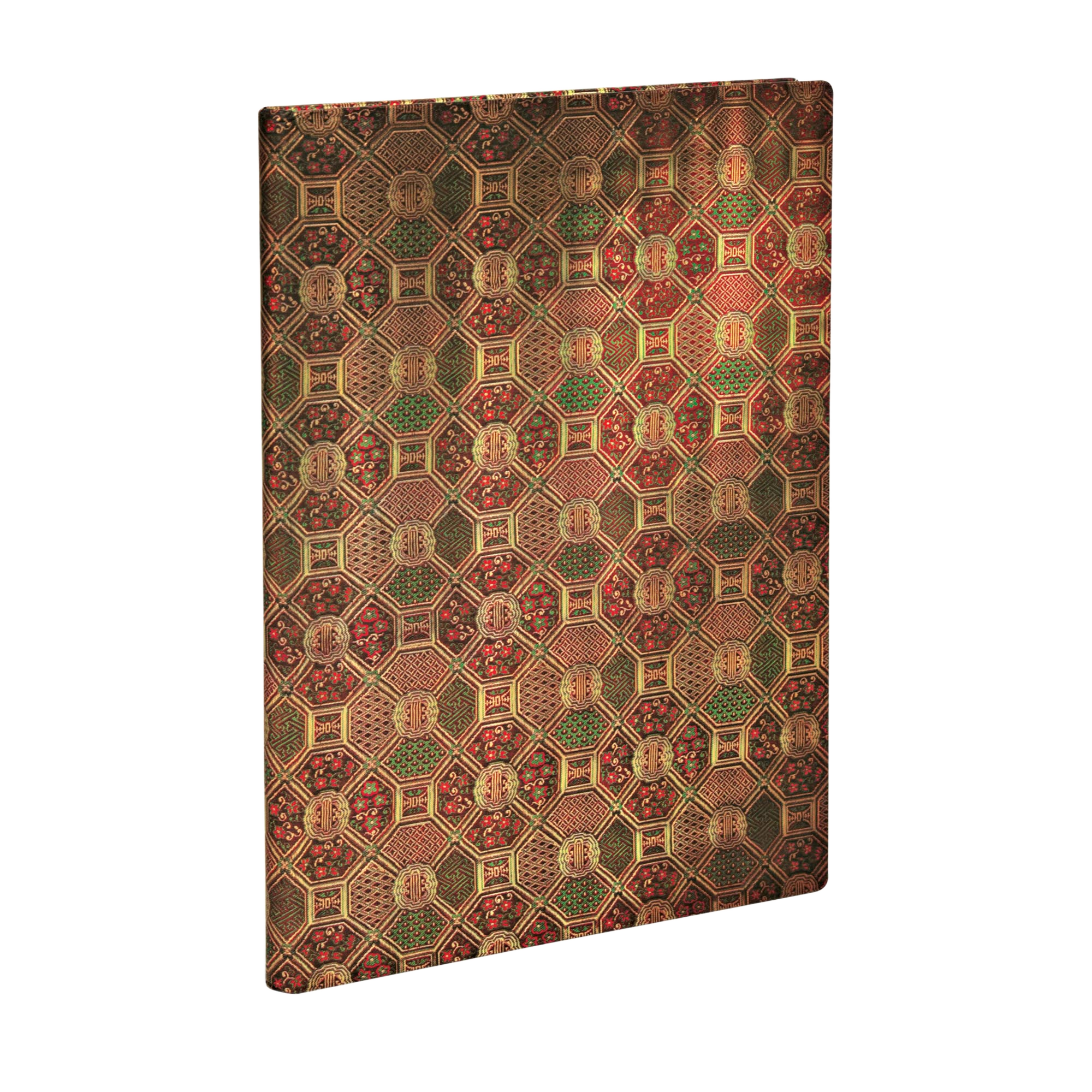
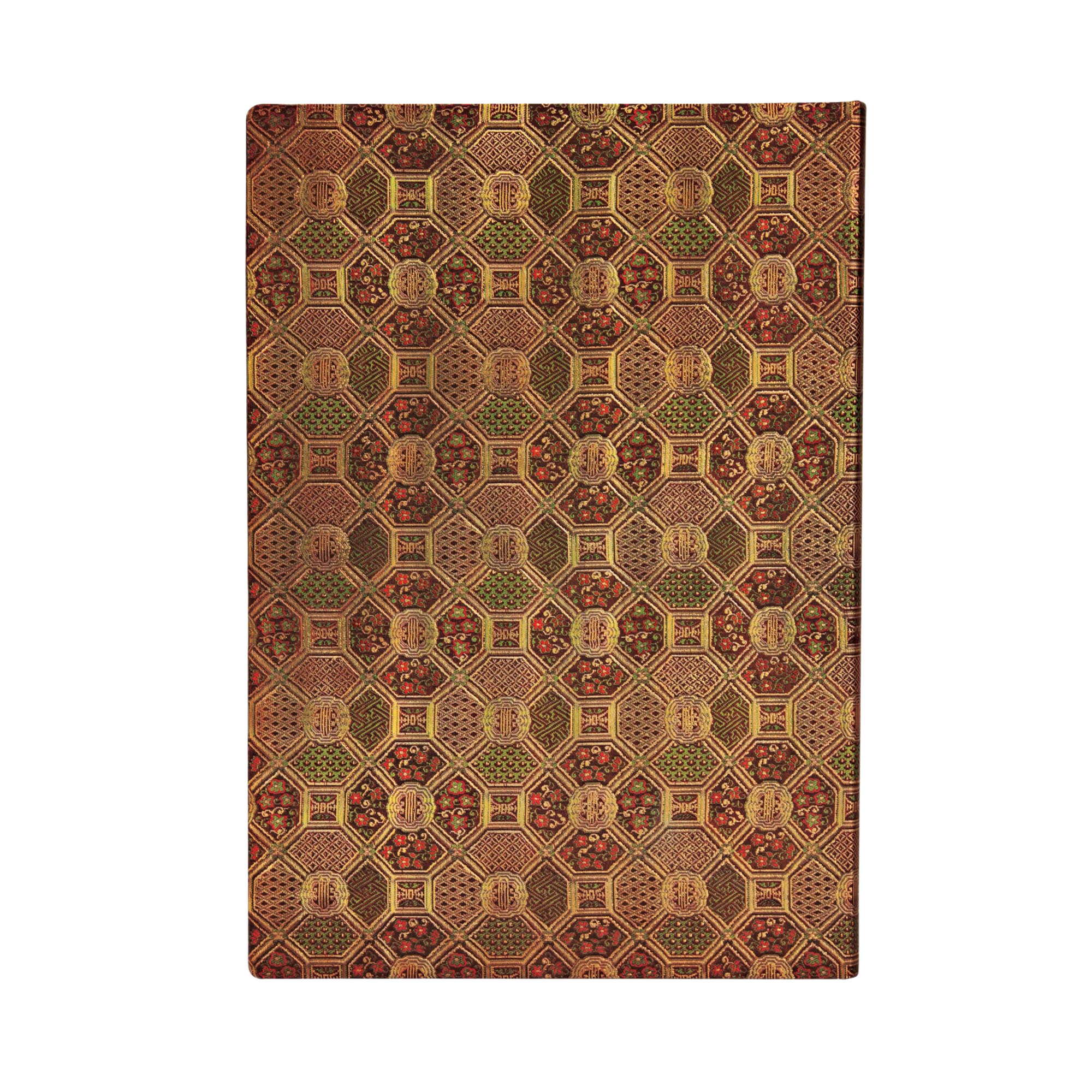
Mandala
Sacred Tibetan Textiles
Item no. 9781439746486
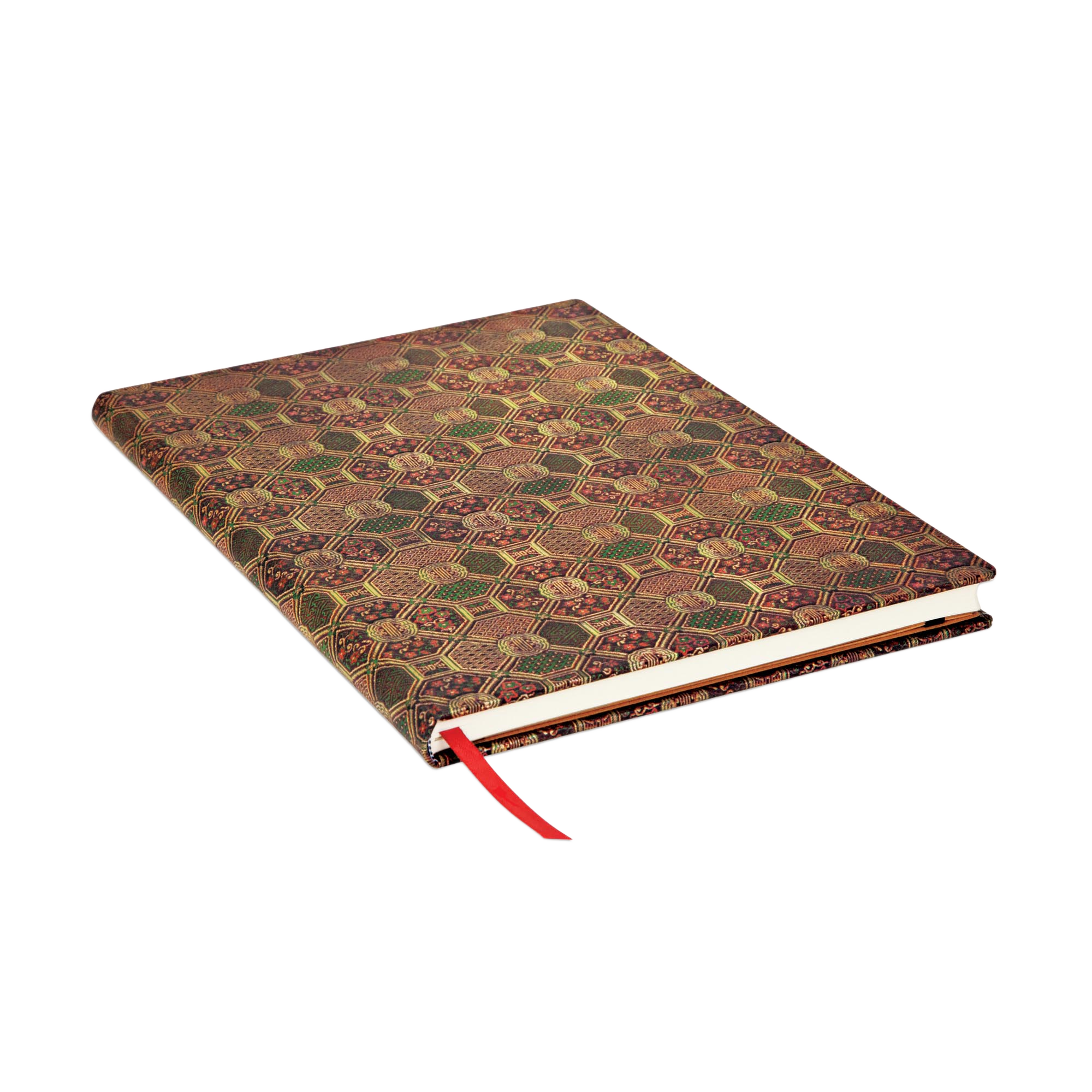
- Interior: Unlined
- Closure: Elastic Band
- GSM (paper weight): 120 gsm
- Edge Printing: No
- Pouch Type: Memento Pouch
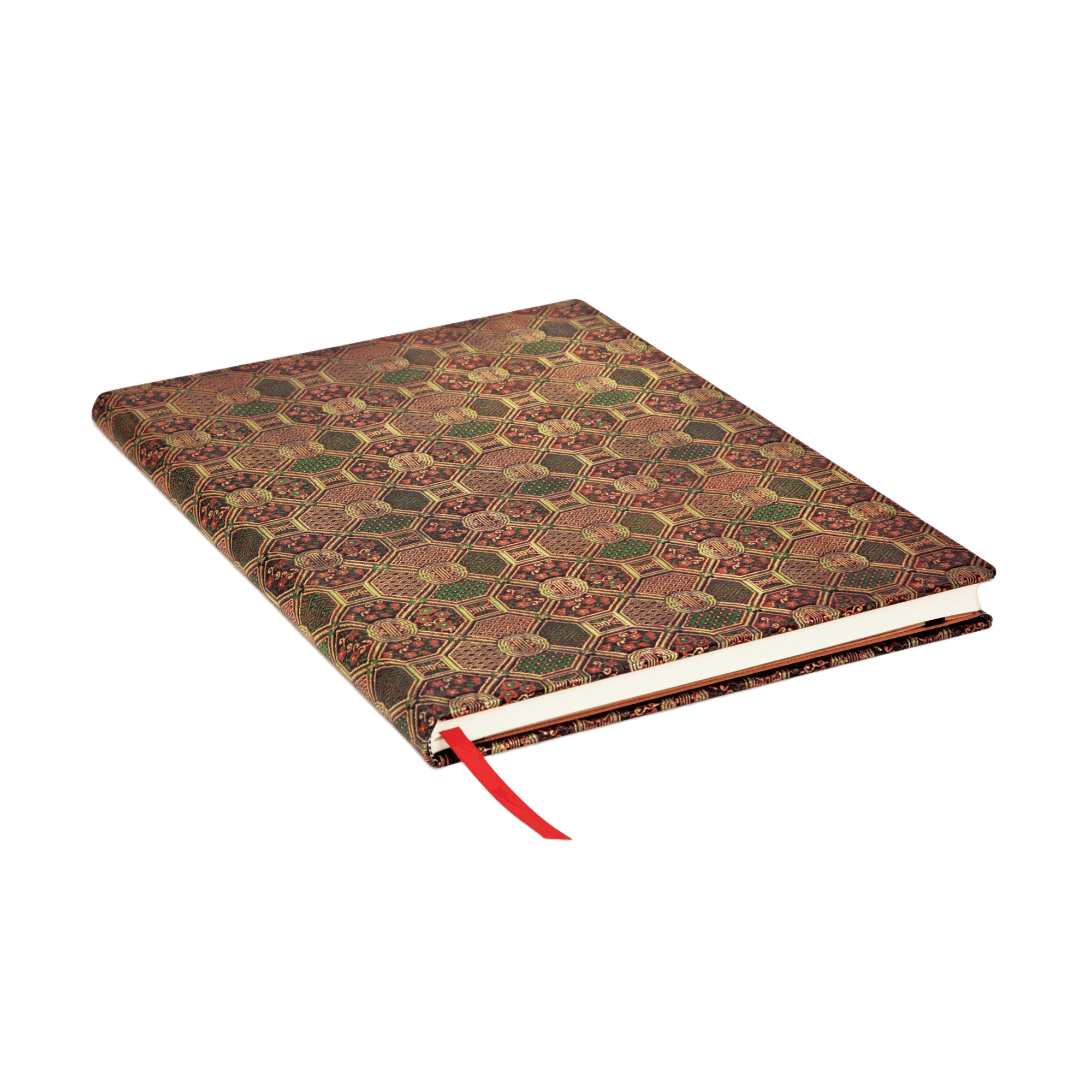
- Satin ribbon marker
- 100% recycled binder boards
- Decorative printed cover paper
- Endpaper with credit and copyright information as well as historical background for the original artwork
- Threaded stitching and glue, as needed
- Acid-free paper
- Memento pouch
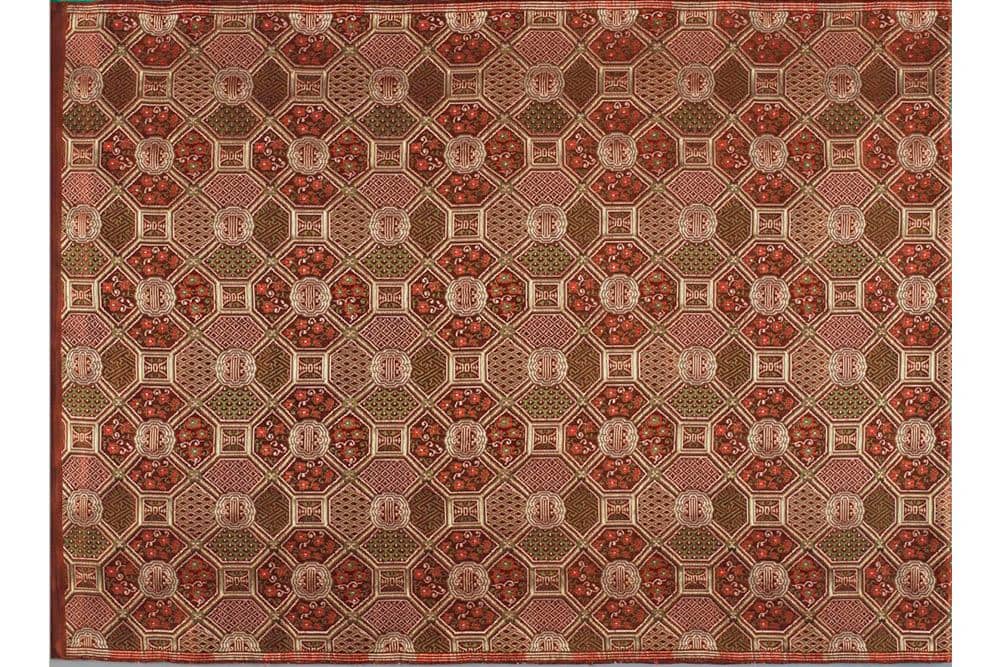
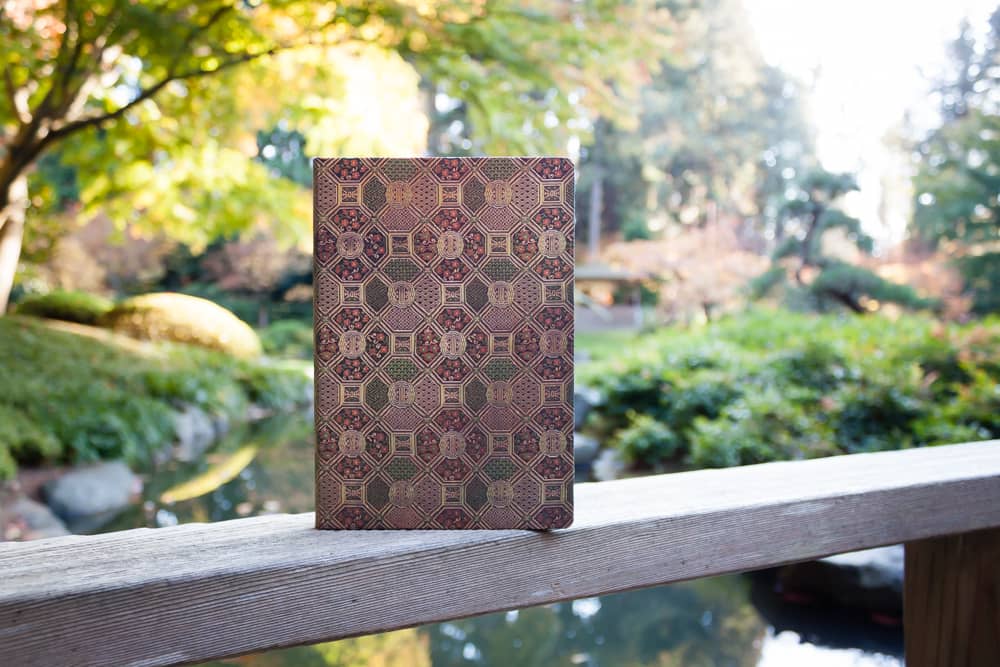
Artistic, religious and cultural traditions unite in the handwoven fabric behind this Sacred Tibetan Textiles design. For centuries, Muslim families in Varanasi, India, have practiced the art of handweaving silks to create cloths and vestments for sacred rituals. The city lies just twelve kilometres from the Buddhist pilgrimage site Sarnath, where the Buddha first gave his sermon upon becoming enlightened. In this place, Islamic, Buddhist and even Hindu practices have become woven together in harmony.
In Varanasi, the Kasim family has been practicing this meditative tradition for generations, passing down the knowledge and reverence of their ancestors. The fabric reproduced on our cover comes straight from the Kasim Silk Emporium and is an authentic expression of the family’s cultural heritage. In this design, created for Buddhist monasteries and the Dalai Lama, the weavers have portrayed the path to enlightenment, both in the Eight Auspicious Symbols of Buddhism represented by the pattern and in the brightness of the colours chosen. As with many such textiles, the symbolism is deep and varied in our Mandala pattern. Most prominent, though, is the repeated shape of the Endless Knot. Representing harmony, the knot is a common mandala and an important Buddhist cultural marker.
An expression of faith and spirituality, this brocade fabric is both beautiful and highly symbolic, and the care that goes into each individual stitch is a visual example of the weaver’s adherence to a sacred ritual. With our Sacred Tibetan Textiles series, we pay tribute to the rich heritage of Indian handweaving and to the craftspeople who continue this devotional practice today.
Need Help?
In case of any questions, check out our FAQs here. If you still can't find your answer, you can contact us at the link below.
Contact Us