



Journals
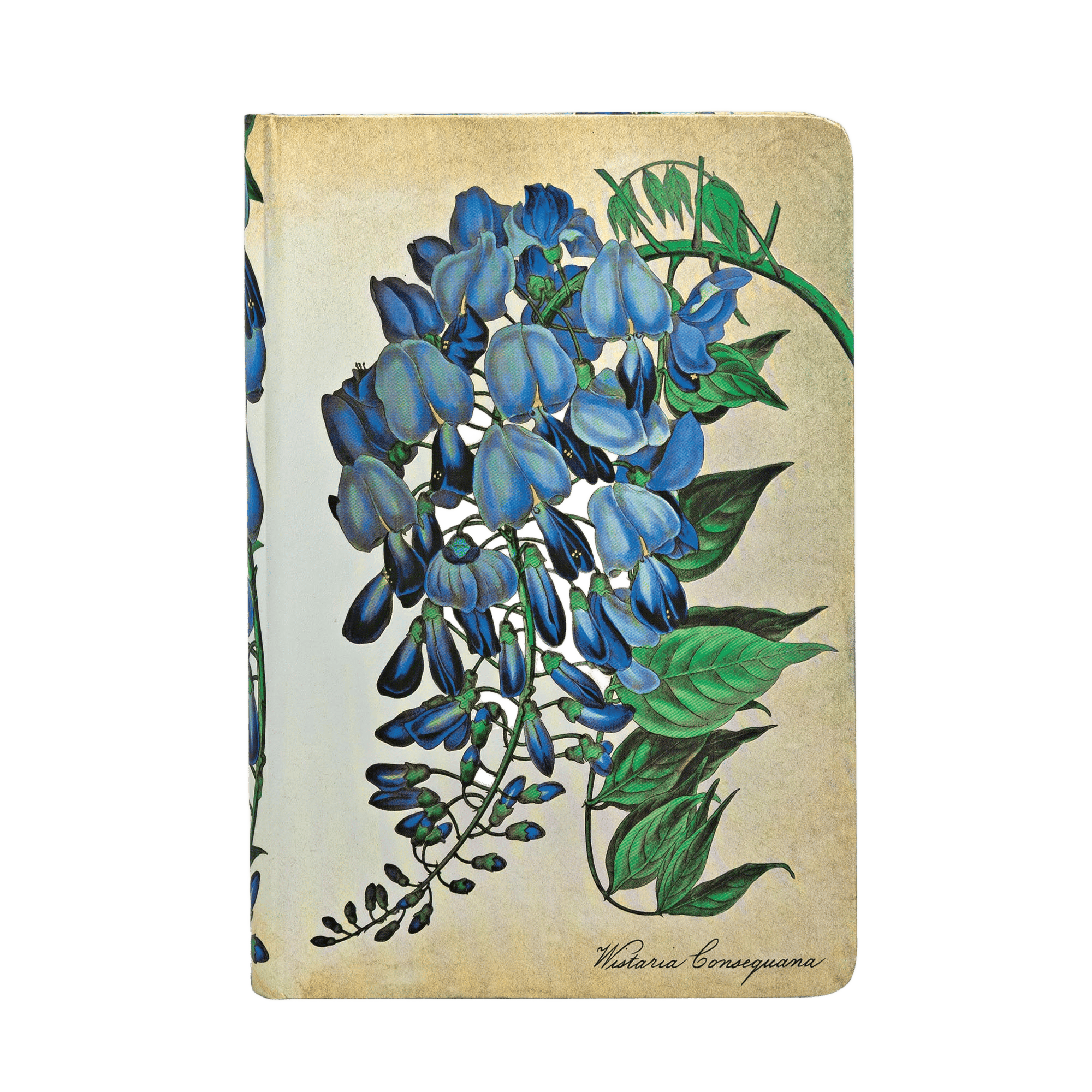
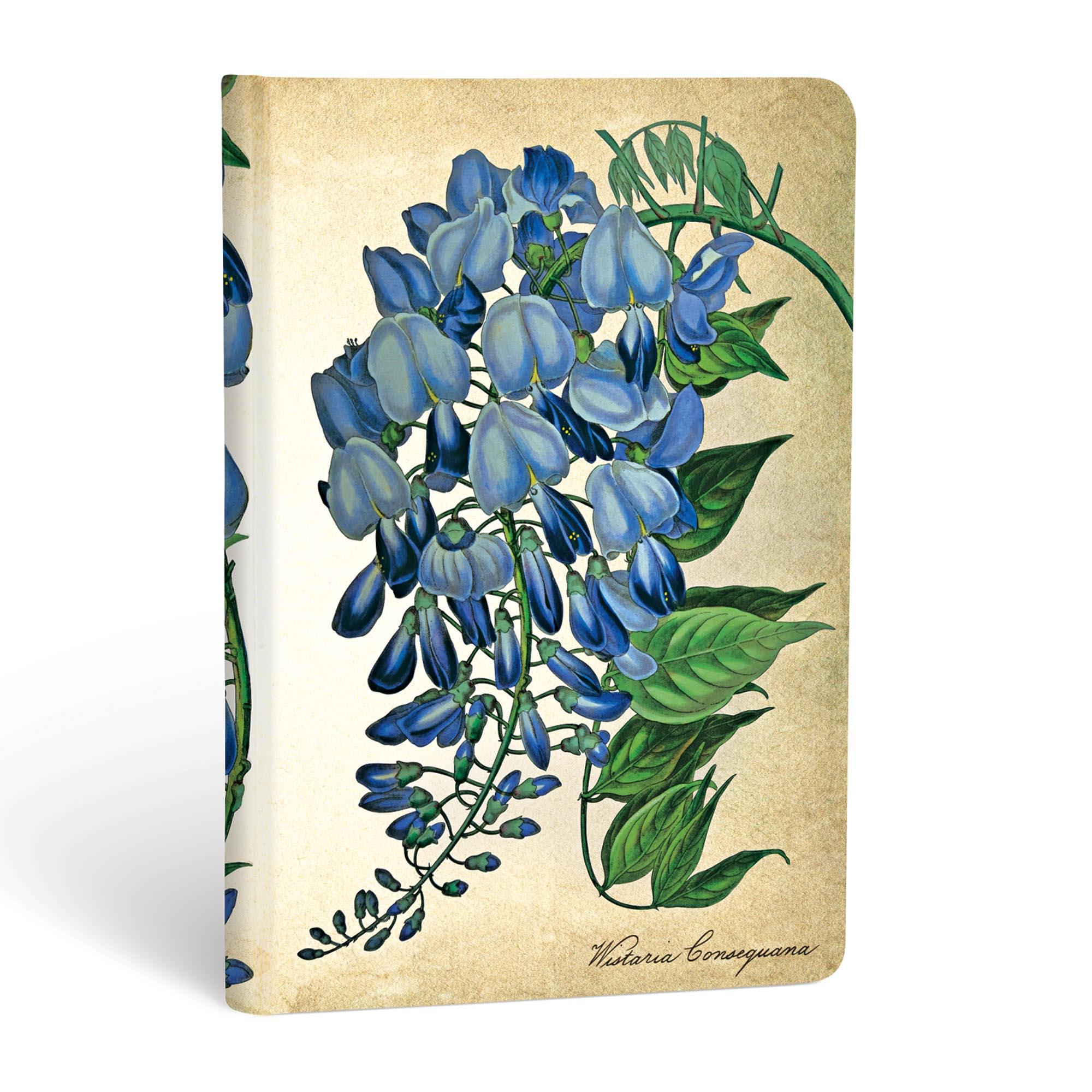
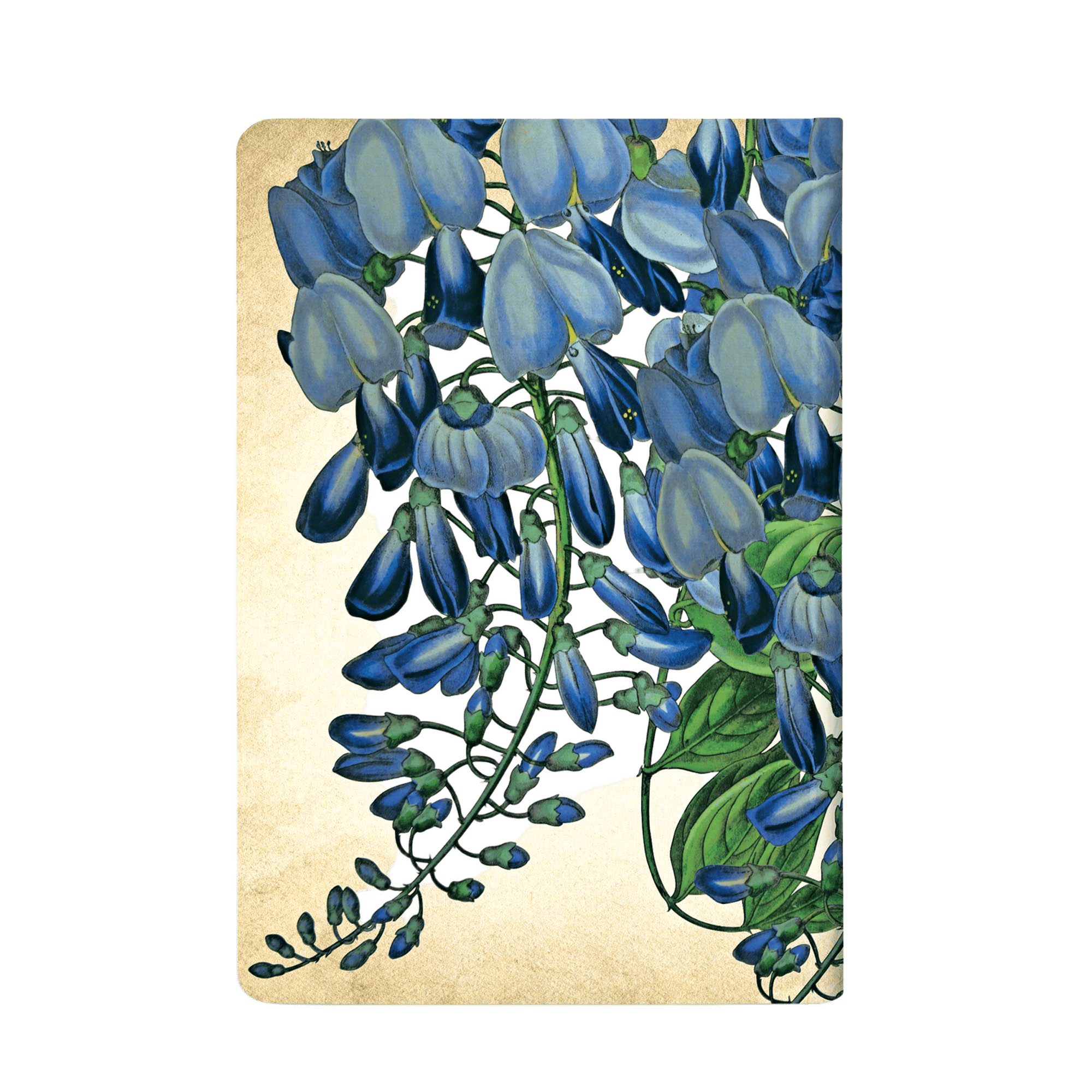
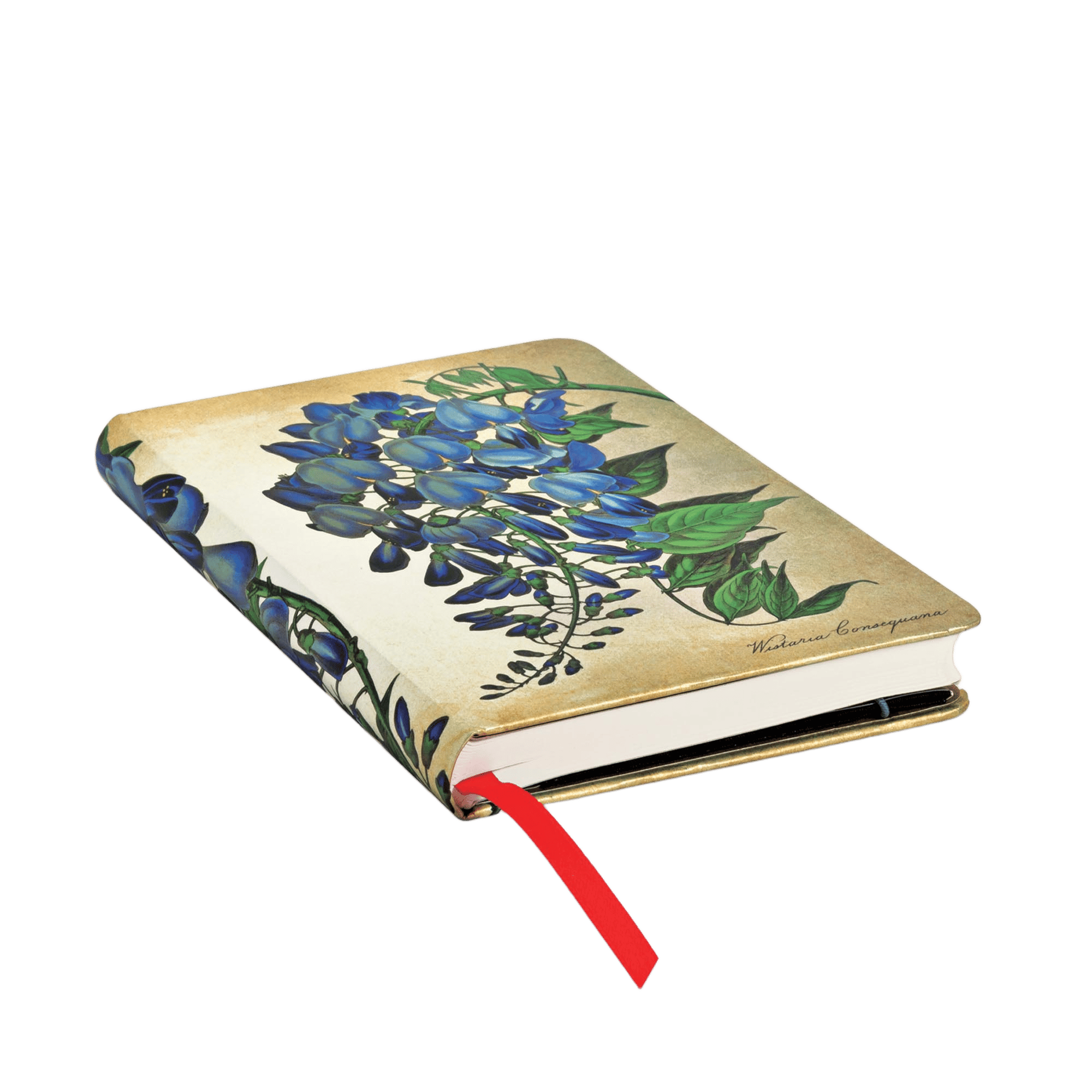
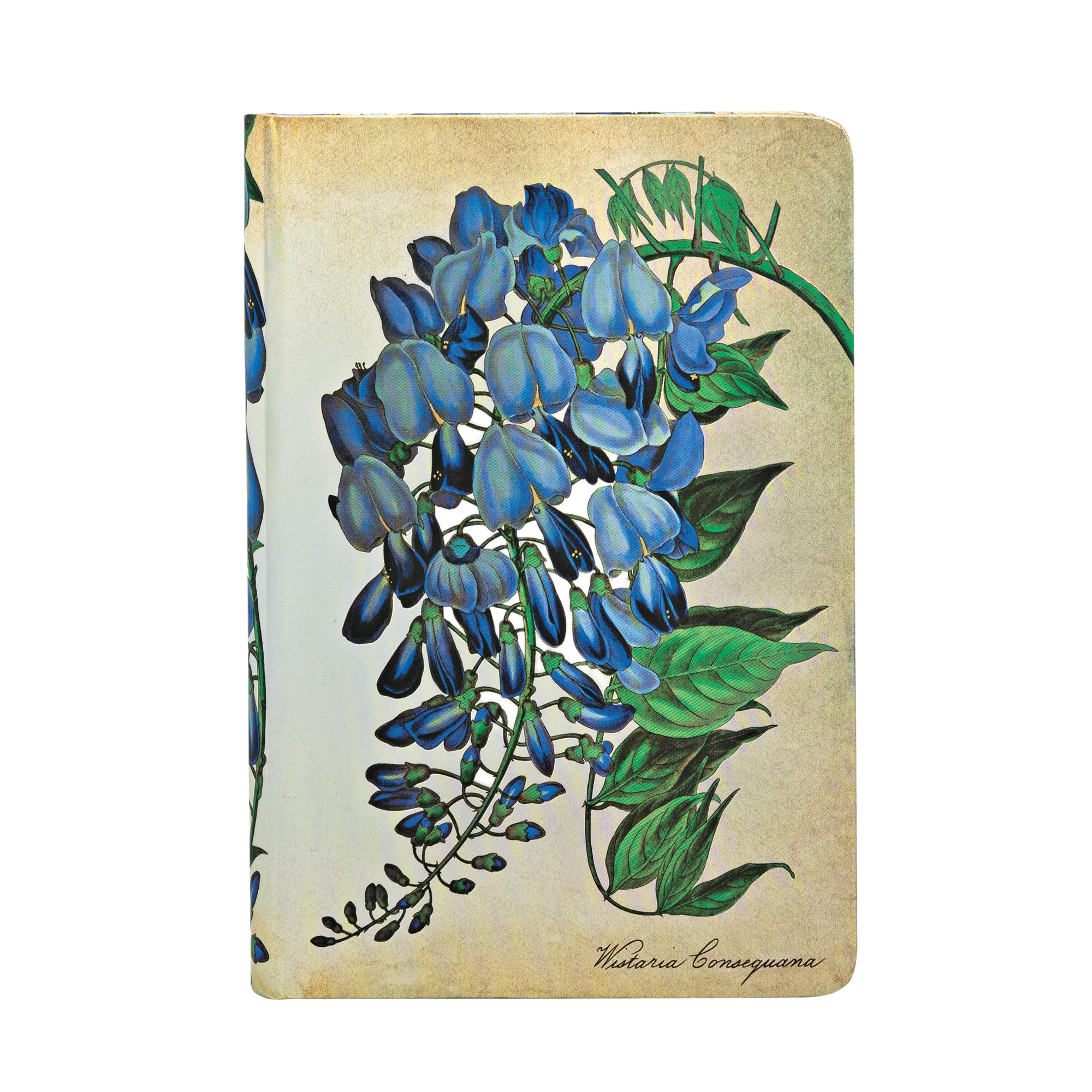
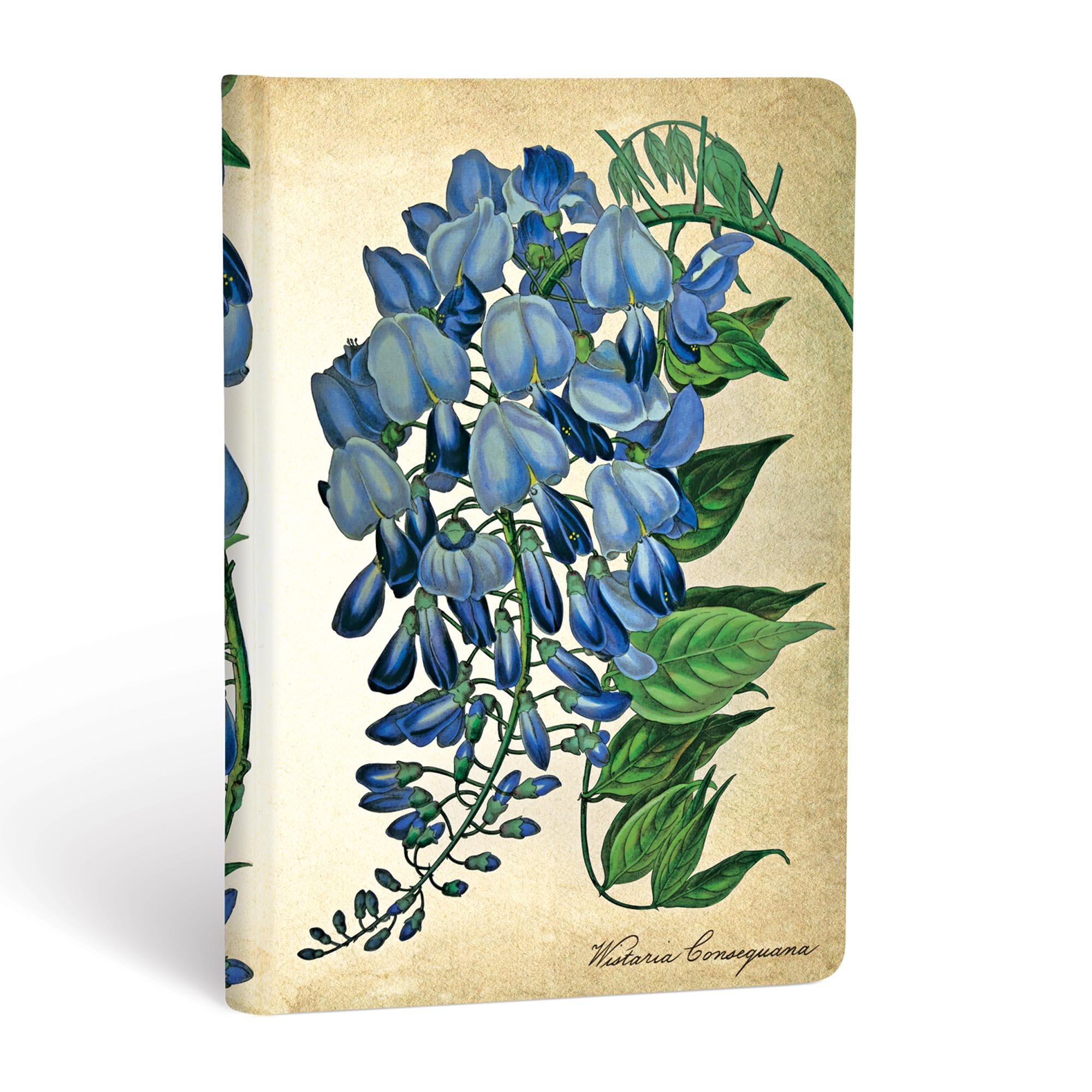
Blooming Wisteria
Painted Botanicals
Item no. 9781439735718
- Interior: Lined
- Closure: Elastic Band
- GSM (paper weight): 85 gsm
- Edge Printing: No
- Pouch Type: Memento Pouch
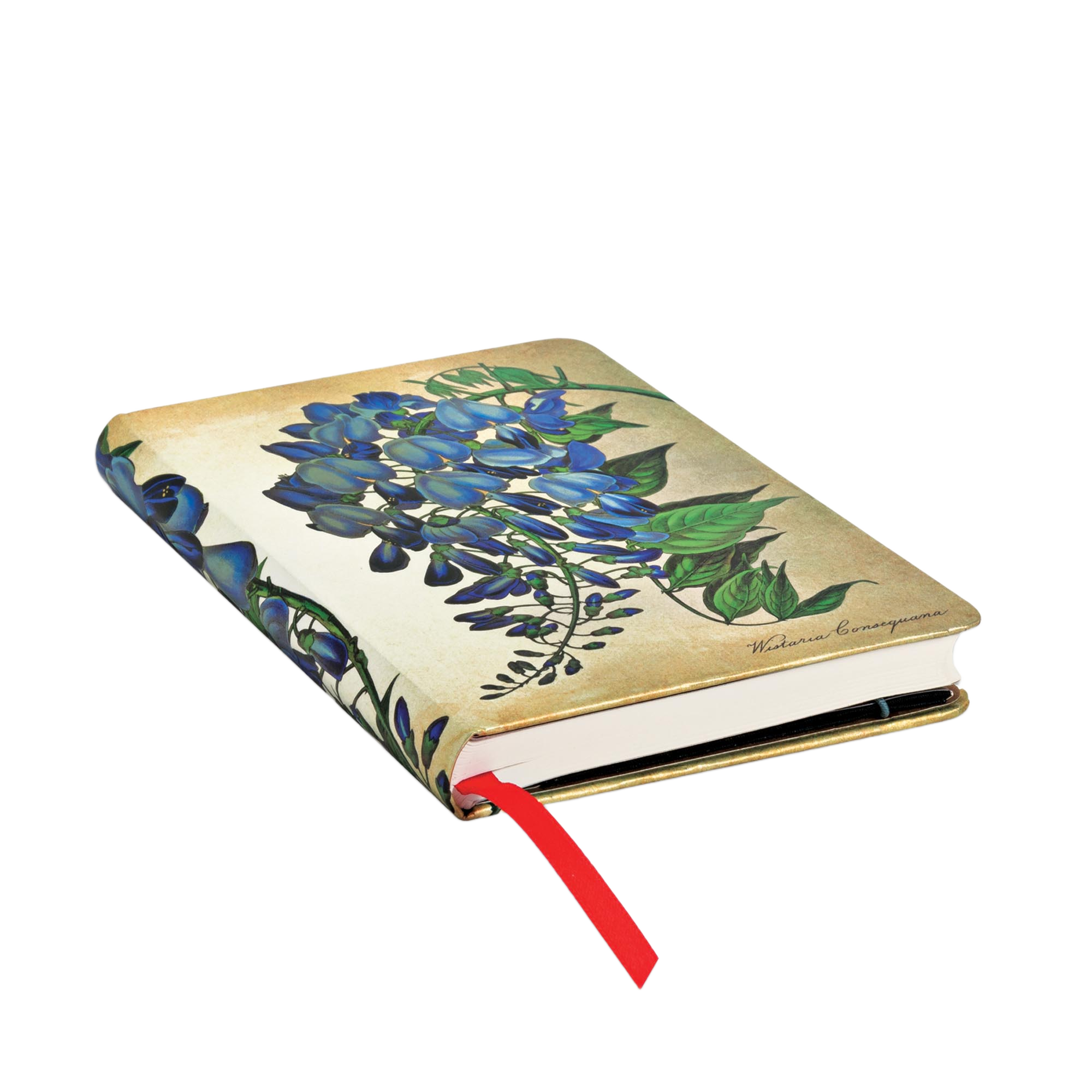
- Satin ribbon marker
- 100% recycled binder boards
- Decorative printed cover paper
- Endpaper with credit and copyright information as well as historical background for the original artwork
- Threaded stitching and glue, as needed
- Acid-free sustainable forest paper
- Memento pouch
Considering the environmental impacts of doing business is important to us. That's why all of our paper is derived from sustainable forest pulp, our binder boards are made with 100% recycled materials and our paper is printed on acid-free, sustainable forest paper.
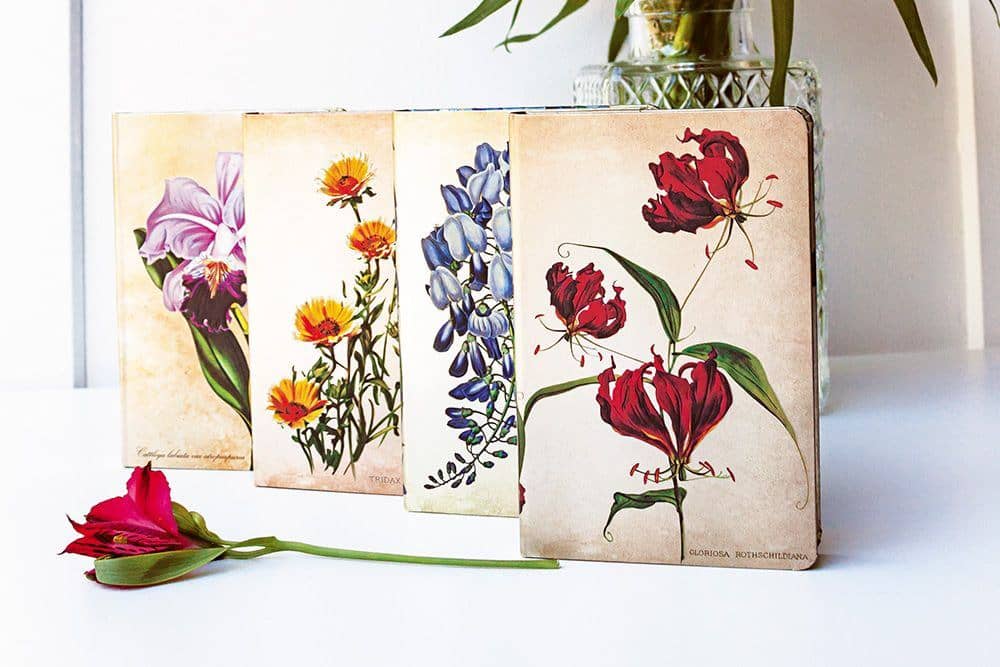
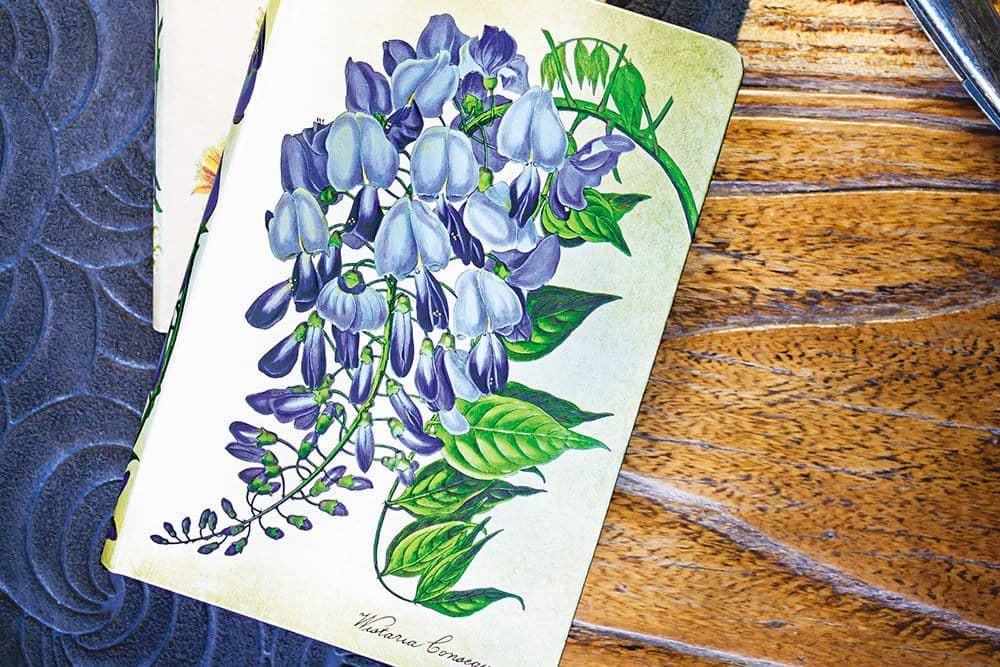
If flowers and foliage can be said to speak, it is surely through the voice of botanical illustrators. For centuries, horticulturalists and illustrators have worked with scientists to document plants species, most often in watercolours.
Botanical paintings have provided modern scientists with the means to identify ancient plant species and have given us a better understanding of early horticulture and medicine. The earliest surviving work is the Codex Vindobonesis, a 512 AD copy of De Materia Medica (On Medical Material) written by Pedanius Dioscorides between 50 and 70 AD. The artwork on our cover is comparatively far more modern, but the hallmark attention to detail remains.
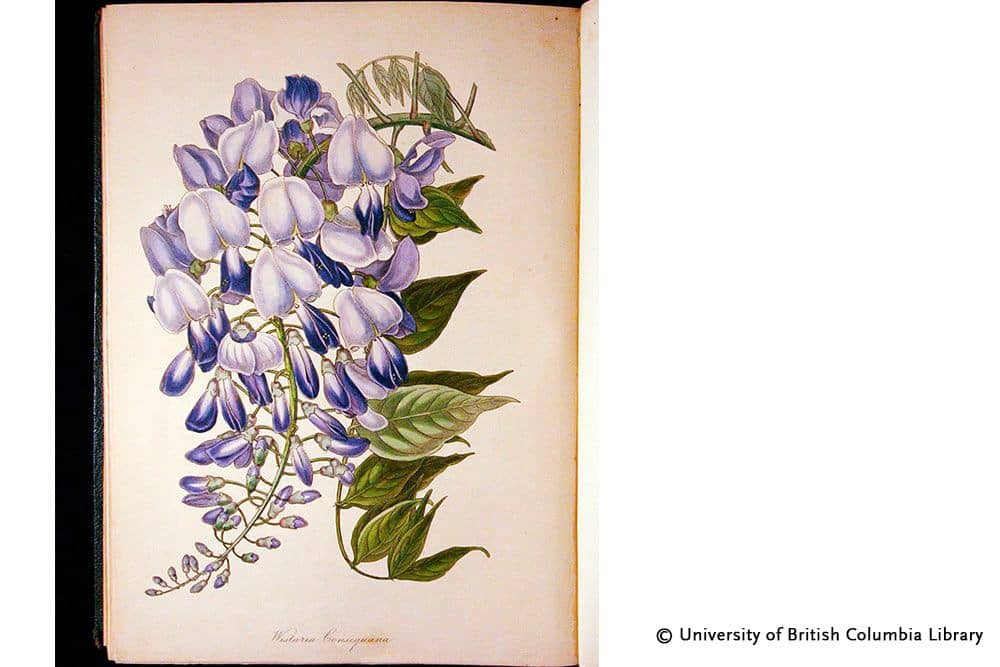
The 18th century saw many advancements in printing processes, allowing botanical artists to recreate their plants and flowers with more accuracy of colour. Paintings from this era and later, like the one on this cover, retain the original colouring so one can see the plant through the artist’s own eyes. In our rendition, the characteristic yellowish tint (a familiar sign of age) of the original painting was transformed by our graphic artists into a beautiful shimmery patina.
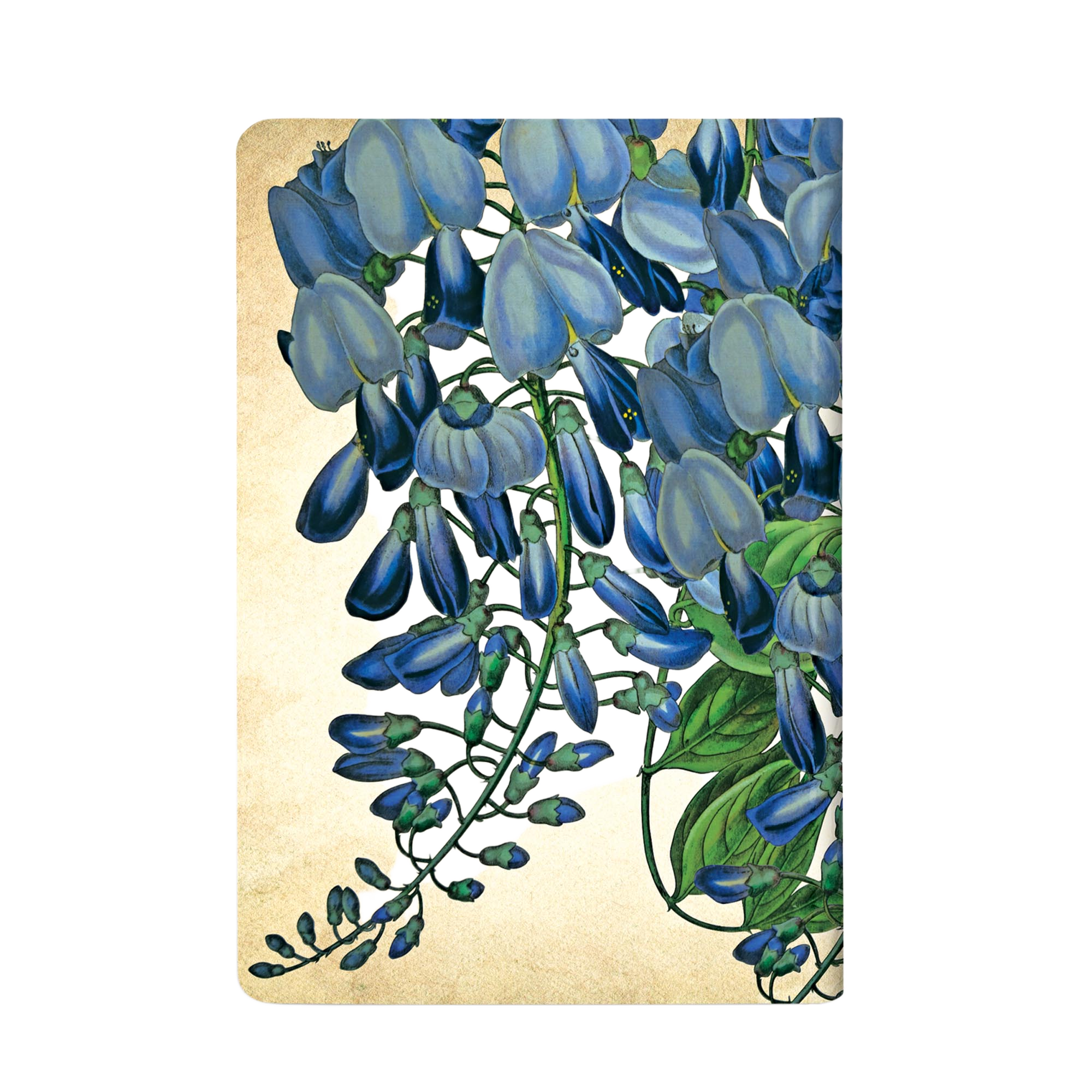
Renowned among these botanical enthusiasts was Sir Joseph Paxton (1803–1865), celebrated horticulturist and publisher of Paxton’s Magazine of Botany and Register of Flowering Plants. His published collections were greatly prized for their remarkable hand colouring and this design, originally an 1840 aquatint by Samuel Holden, is no exception. Holden’s Wisteria Consequana perfectly captures the dangling form of the plant particularly prized by artists of the era for its sense of movement and liveliness.
The engravings and lithographs from Paxton’s publication rank among the highlights of Victorian botanical illustration, a time when new species of plants were being discovered in abundance. Paxton made it a point to include these discoveries in his floricultural monthly, with a focus on the work of British cultivars and artists. If the name Joseph Paxton sounds familiar, you may also know him as the architect of the famed Crystal Palace, created for the 1851 Great Exhibition. Though he is now celebrated as an illustrious horticulturalist, it was his design and creation of the Crystal Palace that is his legacy and led to his knighthood.
Contemporary artists continue to practice this tradition, and their art is judged for scientific accuracy just as much as it is for beauty and personal interpretation. Uniting art and gardening enthusiasts, botanical exhibitions are held around the world for artists to showcase their talents and celebrate the native species of their homeland. As we experience this renaissance in botanical illustration, contemporary practitioners continue to look to the work of the 18th- and 19th-century masters for how best to be a voice for botanicals.
Need Help?
In case of any questions, check out our FAQs here. If you still can't find your answer, you can contact us at the link below.
Contact Us