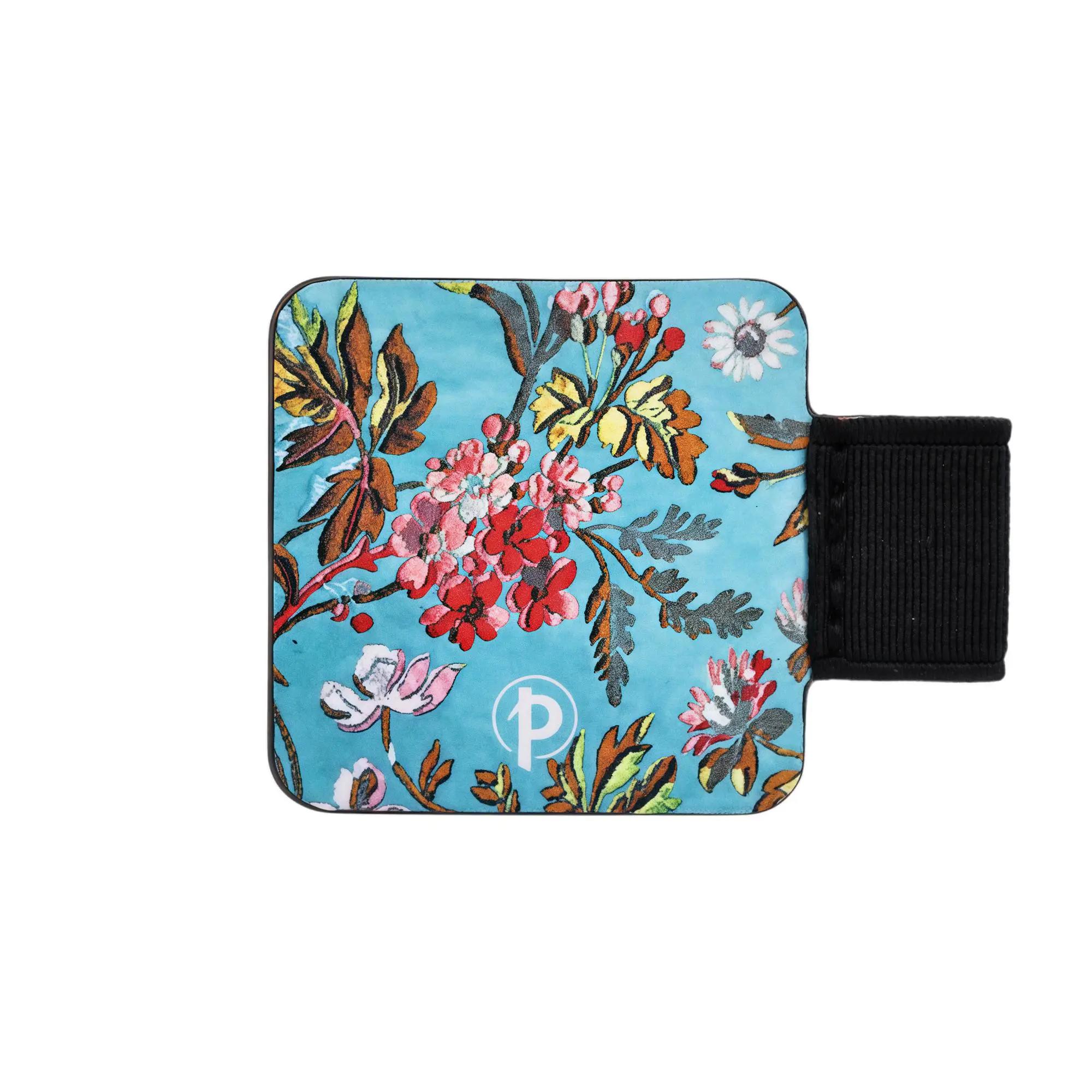
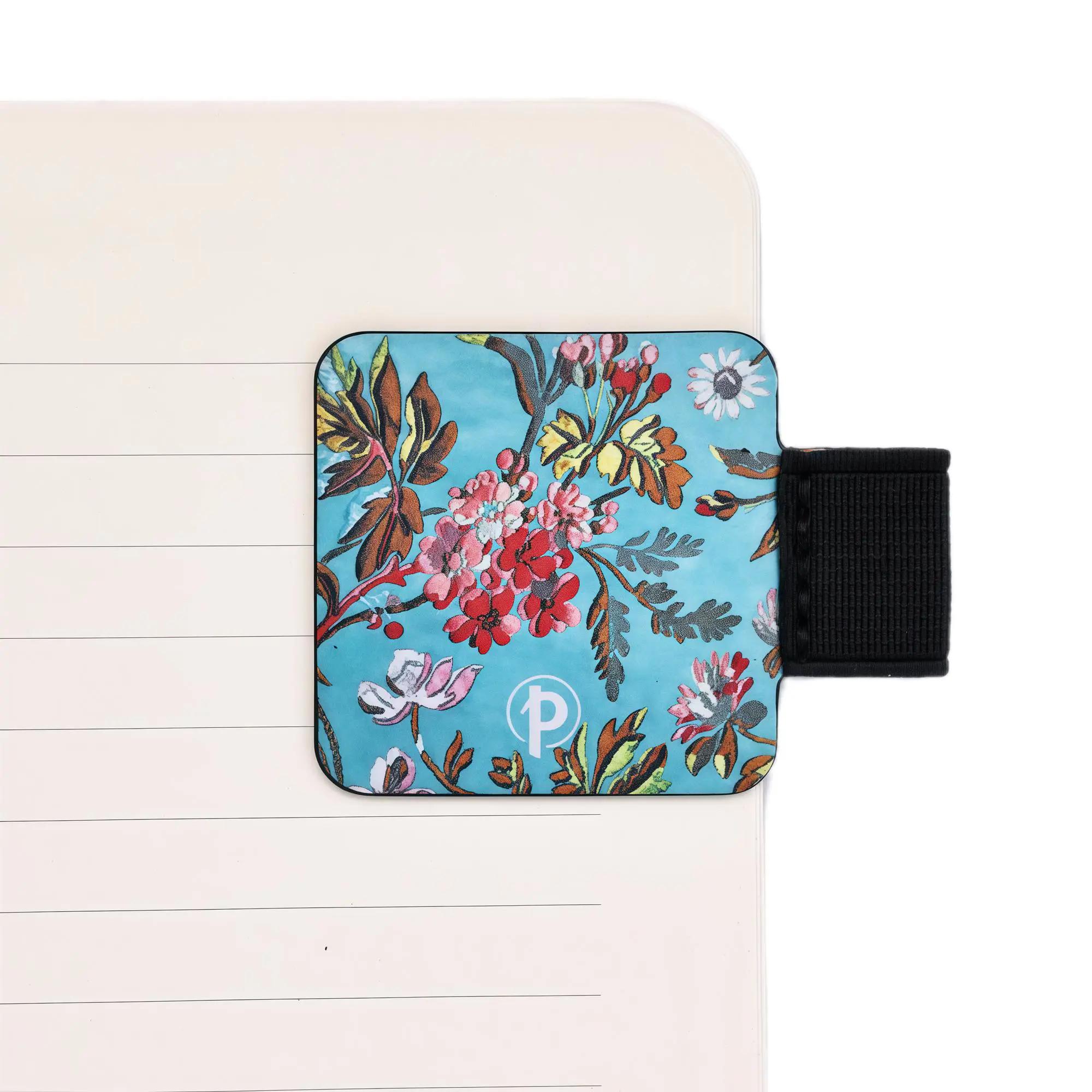
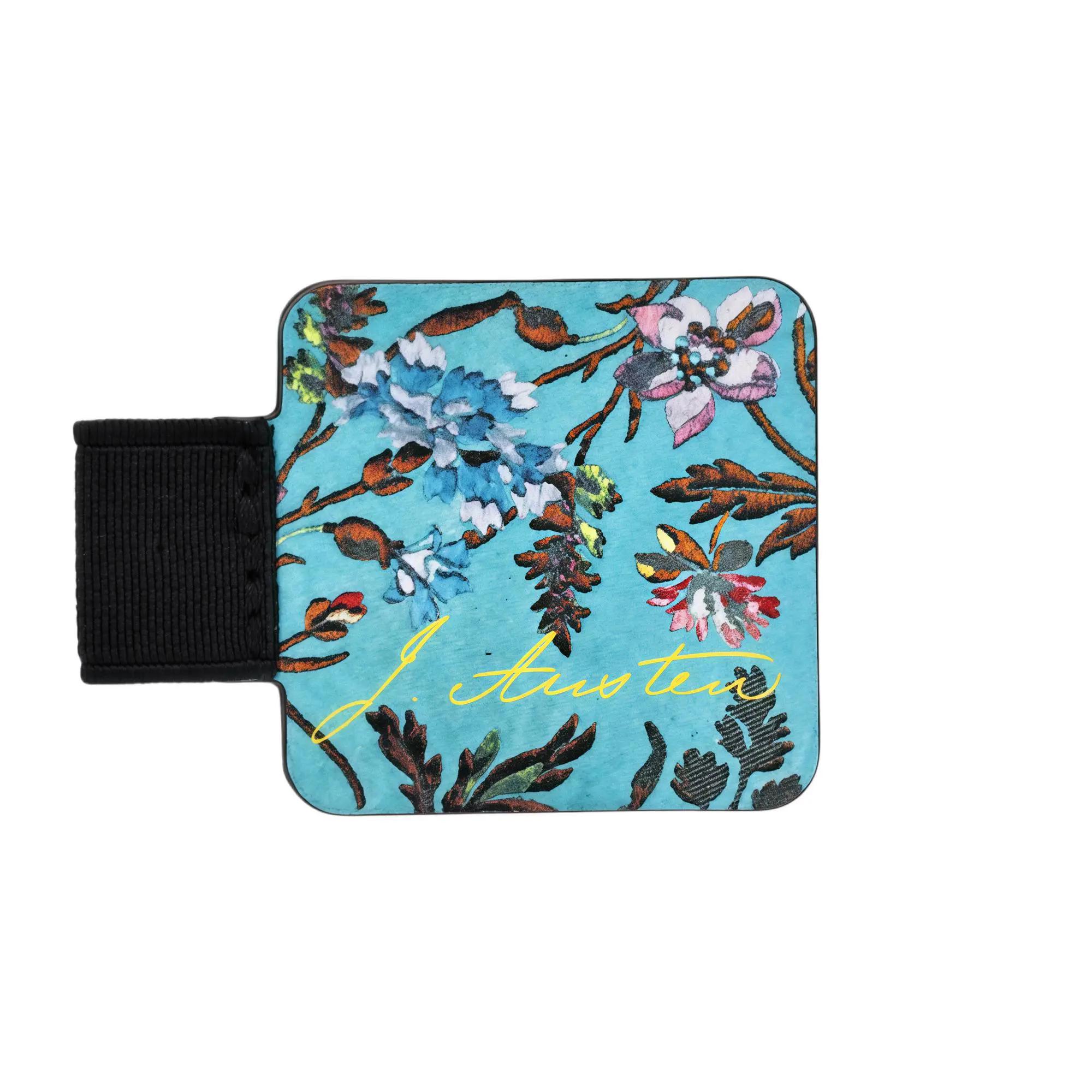
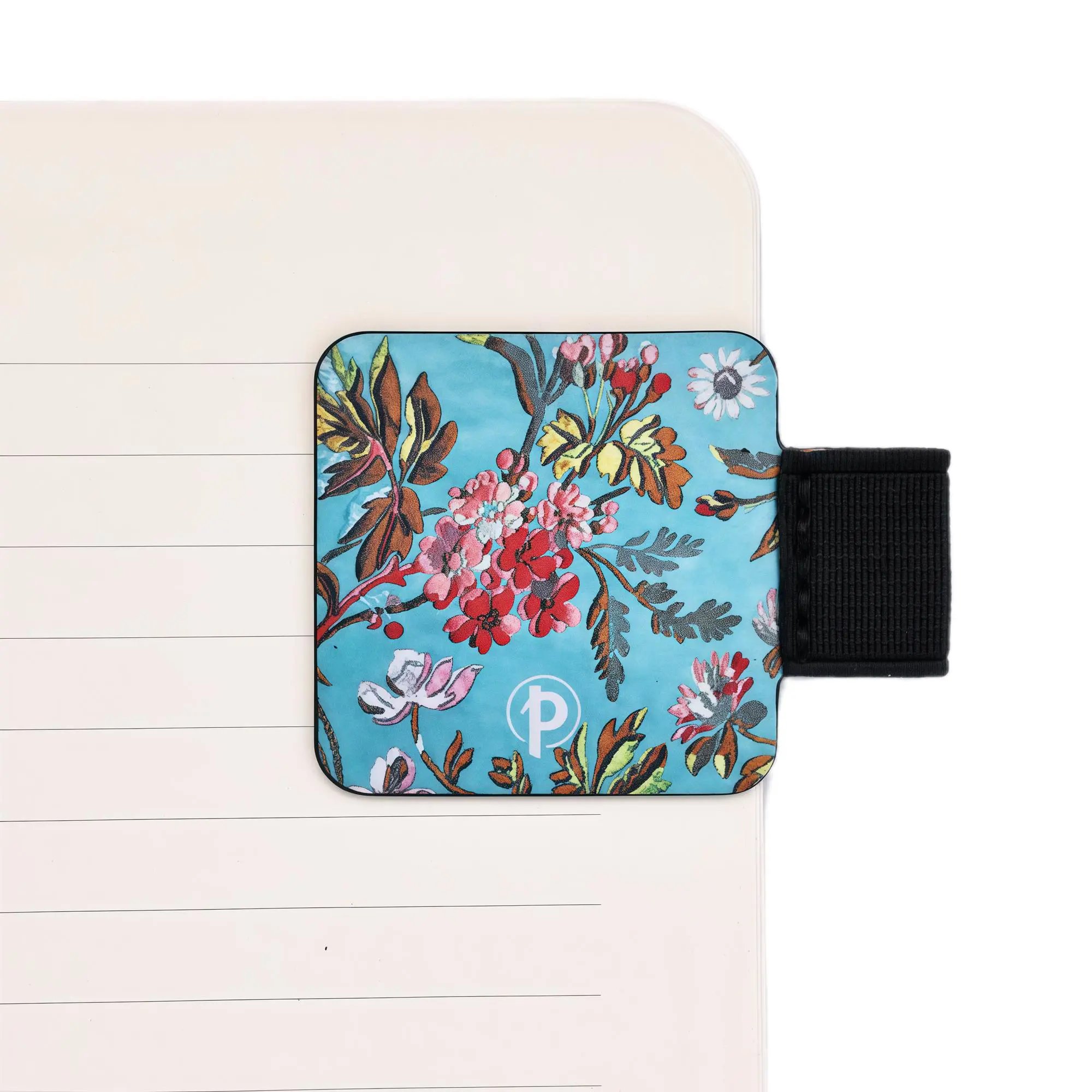
ペンホルダー
アーティストビジョン
品番 9780349724386
- 視覚的に魅力的なデザインが、お気に入りのジャーナルを引き立てます
- ビーガンレザーで作られています
- マグネット式の構造により、取り外しや位置の変更が簡単です
- ページマーカーとしても使えます!
事業活動が環境に与える影響を考慮することは、私たちにとって重要です。だからこそ、私たちの紙はすべて持続可能な森林パルプ由来であり、表紙ボードは100%リサイクル素材で作られていて、紙は酸を含まない持続可能な森林紙に印刷されています。
Anyone with an ambition to write will have heard this advice: Write about the things you know.
For Jane Austen (1775–1817) this meant confining her narratives to a worldview based around what young women of her time were exposed to: the household sitting room. That said, the goings-on in a Georgian-era home provided ample opportunities for inquisitive writers like Austen to study human character and emotions. And so, despite their seemingly limited source of inspiration, Jane Austen’s novels (like Pride and Prejudice, Sense and Sensibility, and Emma) continue to be placed among readers’ all-time favourite book lists because of their superb insights into the dynamics of society and human interaction. Persuasion, the novel featured on this cover, is among her lesser-known works but it benefits from the writer’s more mature outlook as it was composed toward the end of her life.
Born in Hampshire, England, Jane was the second youngest of eight children. According to the custom of the day, her formal education consisted largely of such subjects as needlework, dancing, and music. However, she had access to two large libraries, those of her rector father and a family friend, and her family was always supportive of her intention to succeed as a professional writer. Her novels found readers within her lifetime and she even counted among her admirers George IV, the Prince Regent and eventual King of England!
In most of Austen’s stories we encounter a young female, blessed with natural grace and dignity, yet in danger of compromising herself by yielding to the pressure of social expectations. By contrast, Persuasion, her last novel, centres on a heroine who succumbed to the stifling effects of society and whose perspective on life shows signs of resignation uncharacteristic of Austen’s protagonists. Eventually though, the young woman does come into her own and finds a match with a virtuous man. Thus, there is a conciliatory closing to the story, much the kind that we are accustomed to in Austen’s books.
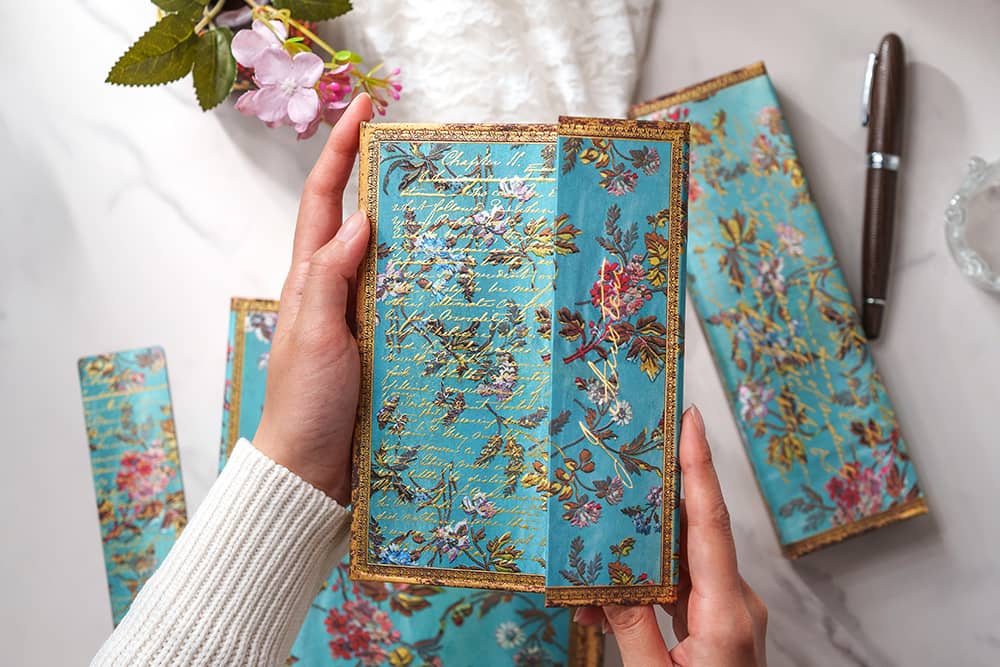
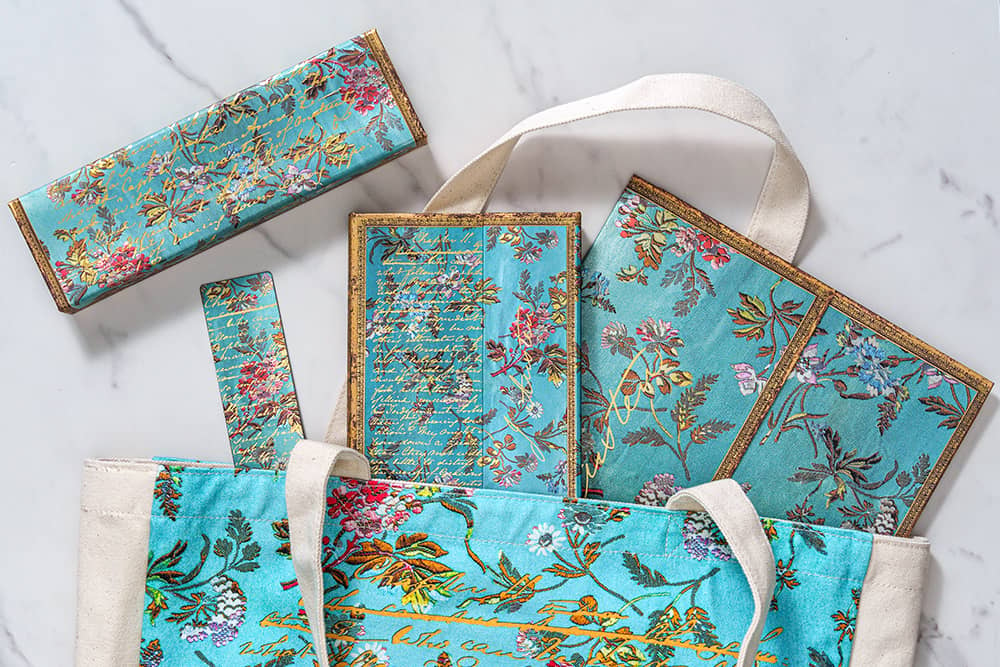
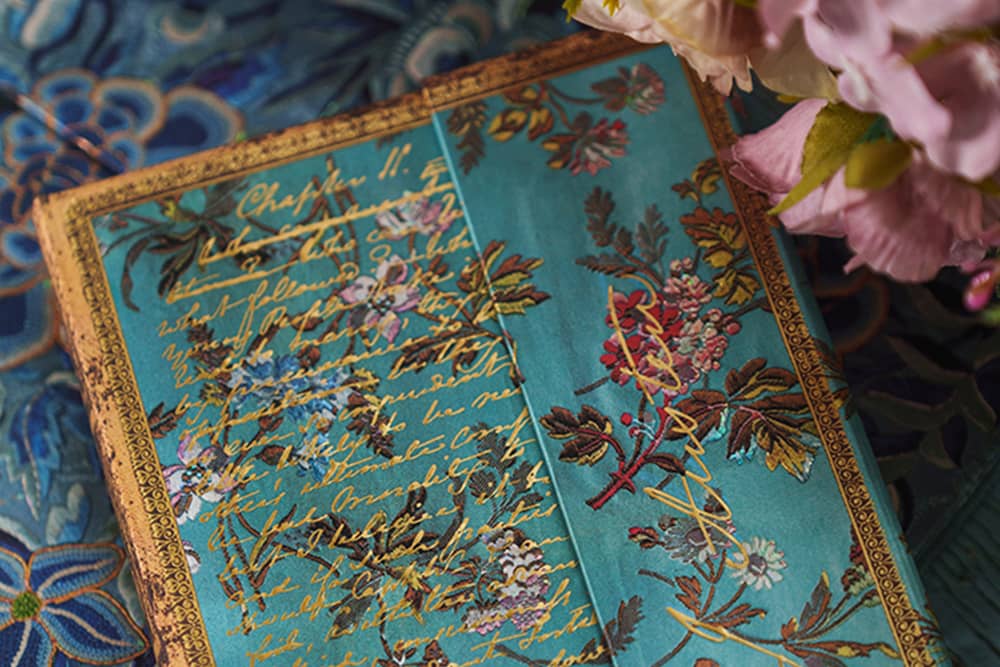
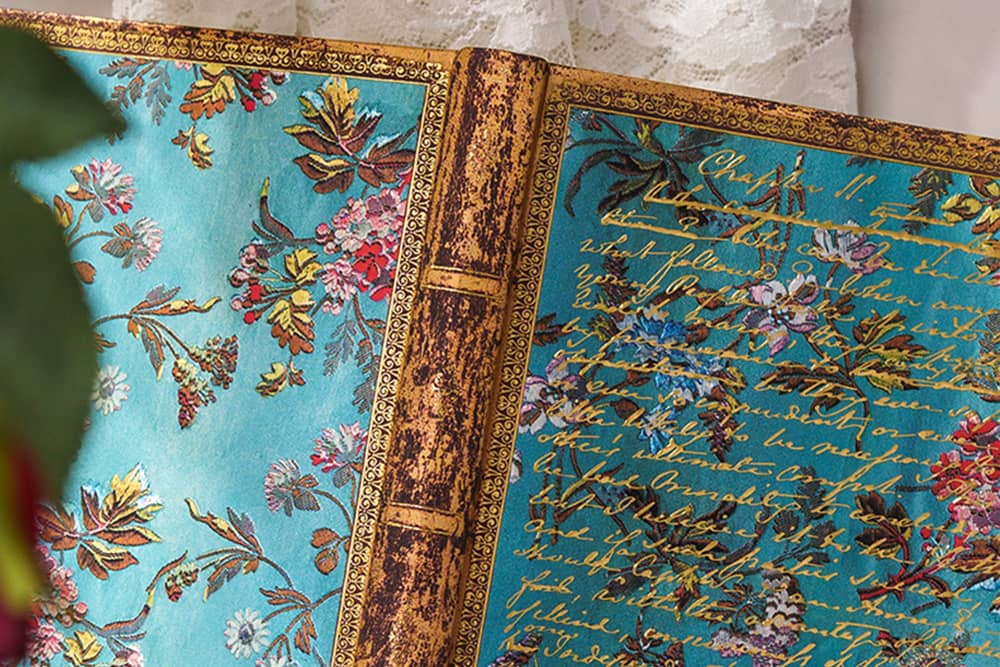
There is comparatively little information about Austen’s life, as her family sanitized the details of her biography after her passing. However, a large number of her literary manuscripts have survived to this day. The handwritten page reproduced on the cover of our journal is a part of the only known manuscript of Persuasion. It comes from a draft of Chapter 11 that was abandoned in favour of the version that eventually went into print. As a reject, this manuscript stayed in the family until 1925, at which point the guardianship went to the British Library.