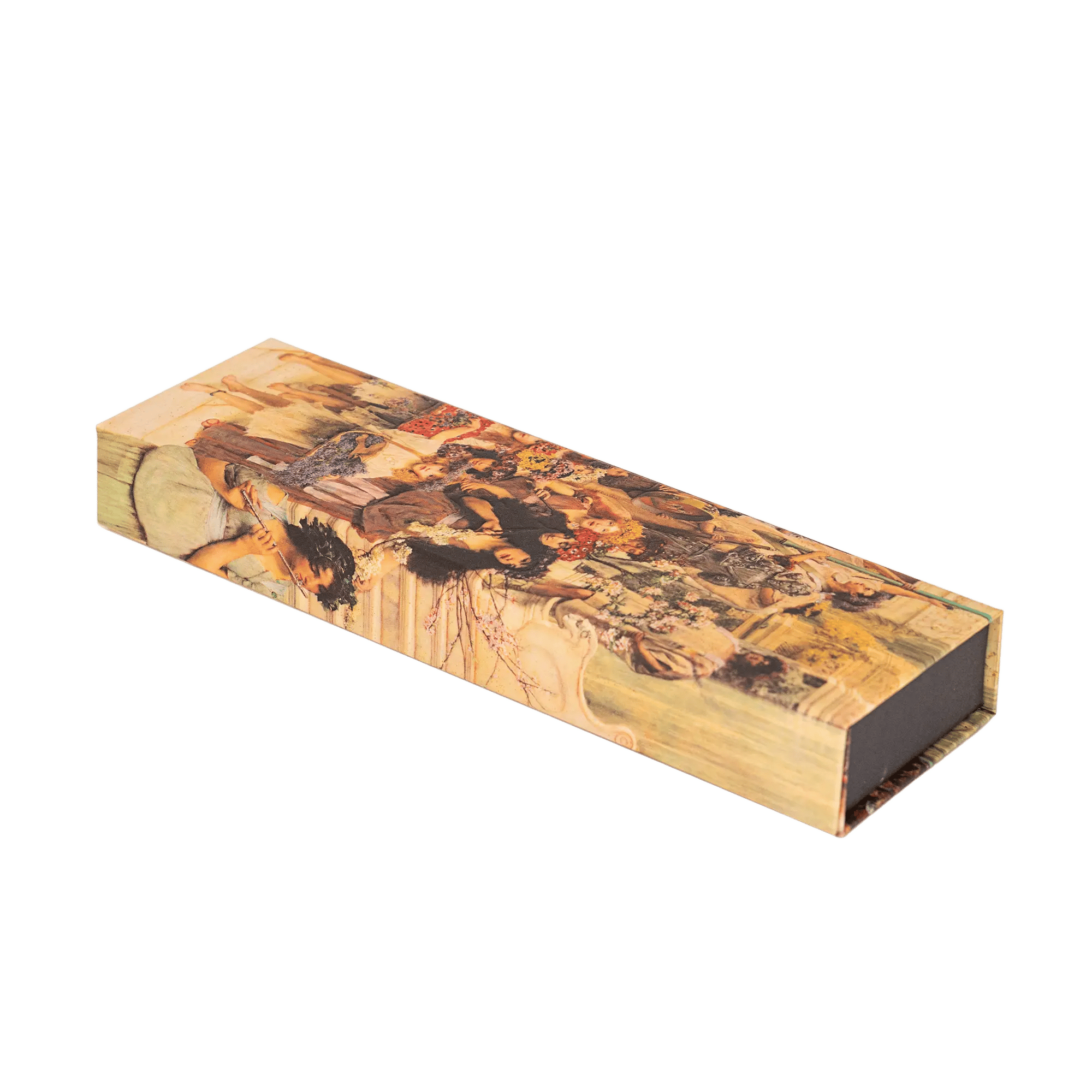
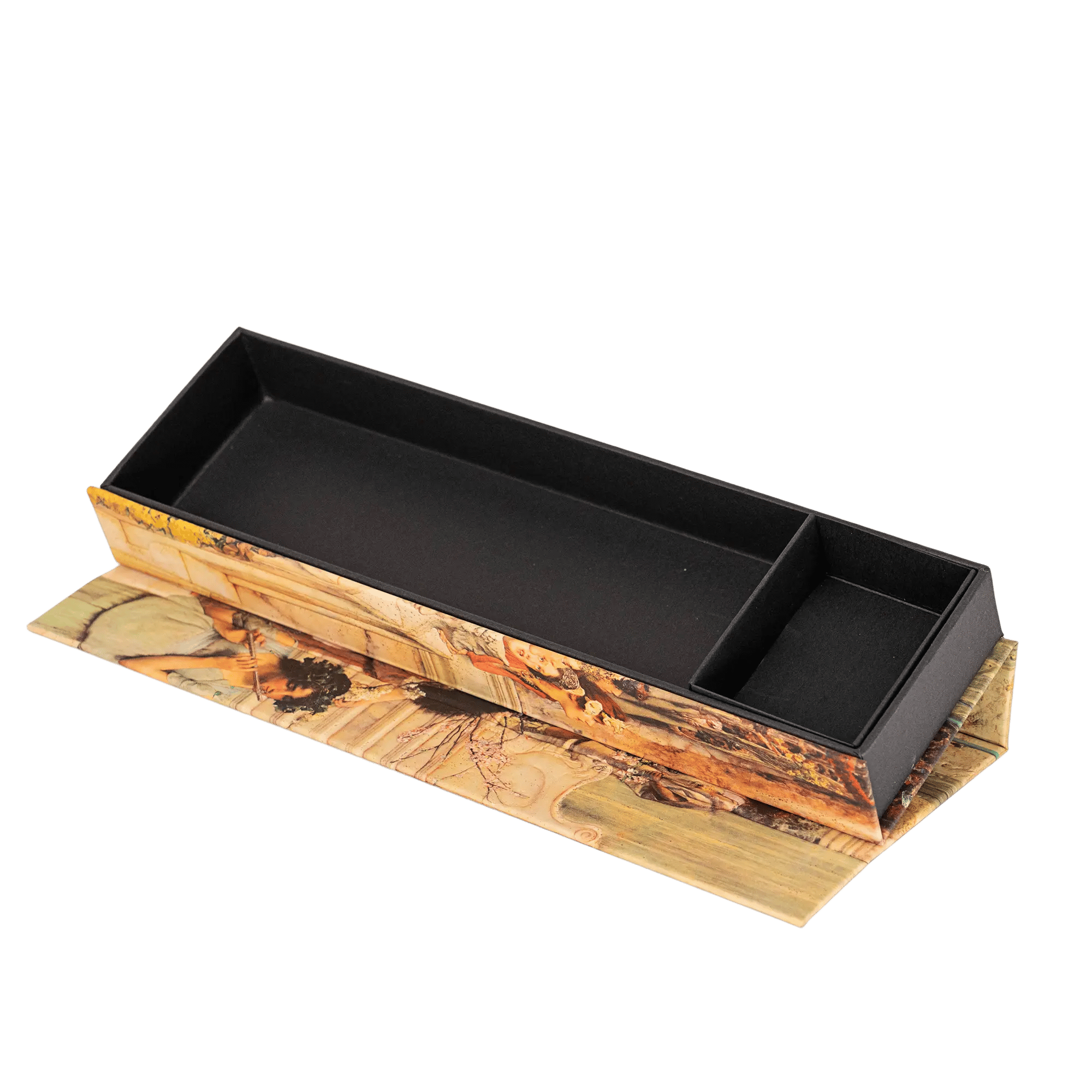
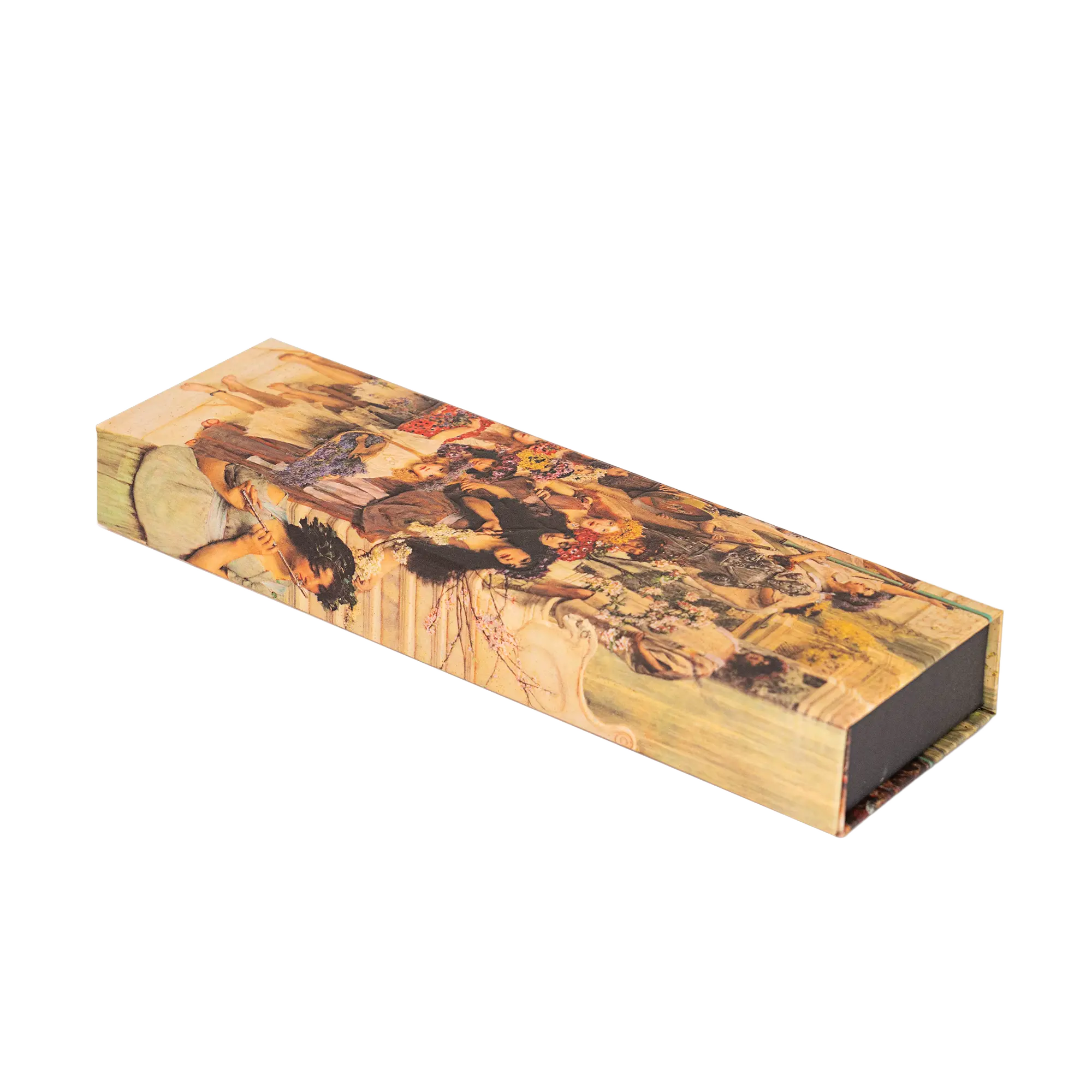
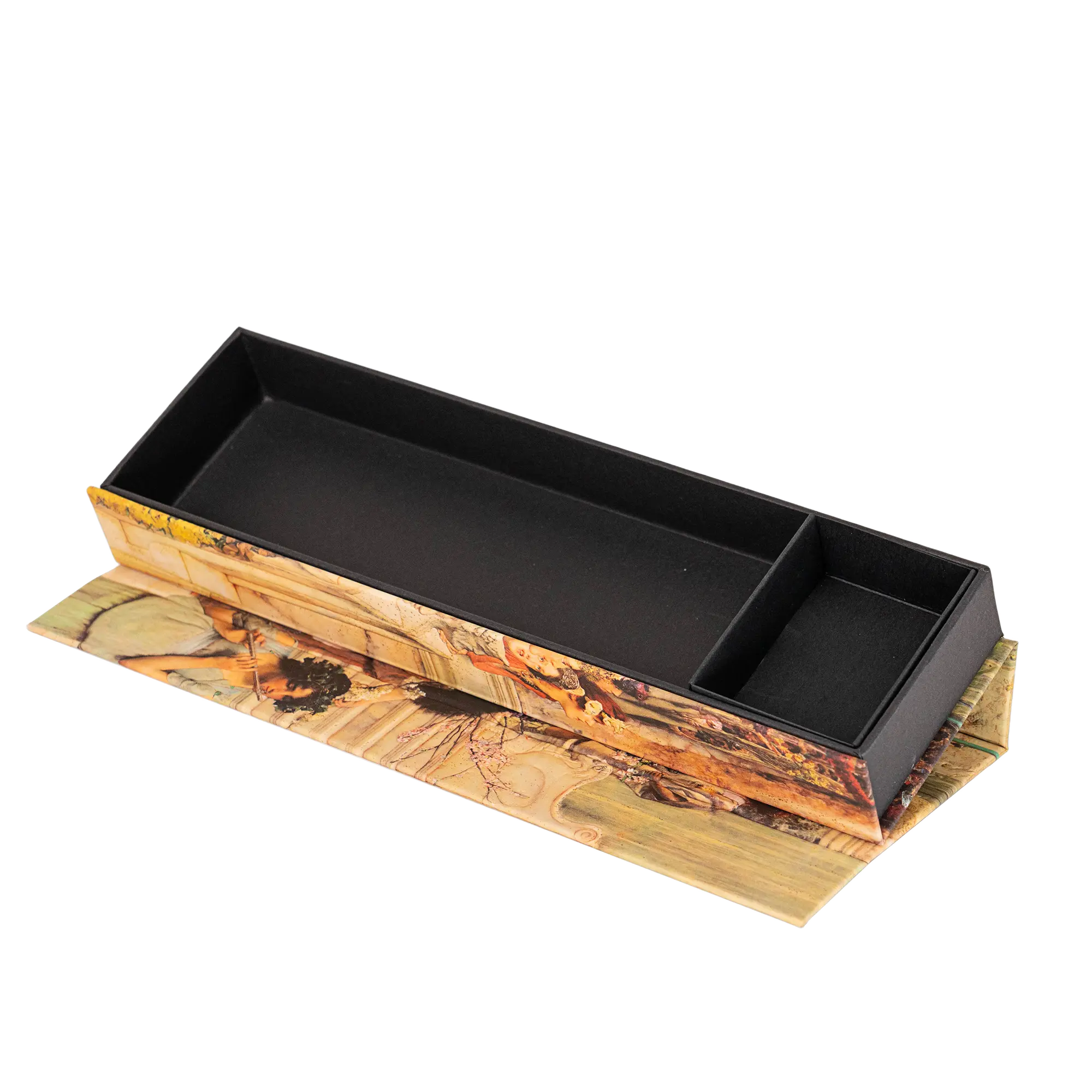
ペンシルケース
Lawrence Alma-Tadema
9781439798386
- しっかり留まるマグネット式の留め具
- 装飾用の印刷紙
- 小物の収納用取り外し可能な内トレイ
- 情報のブックマーク
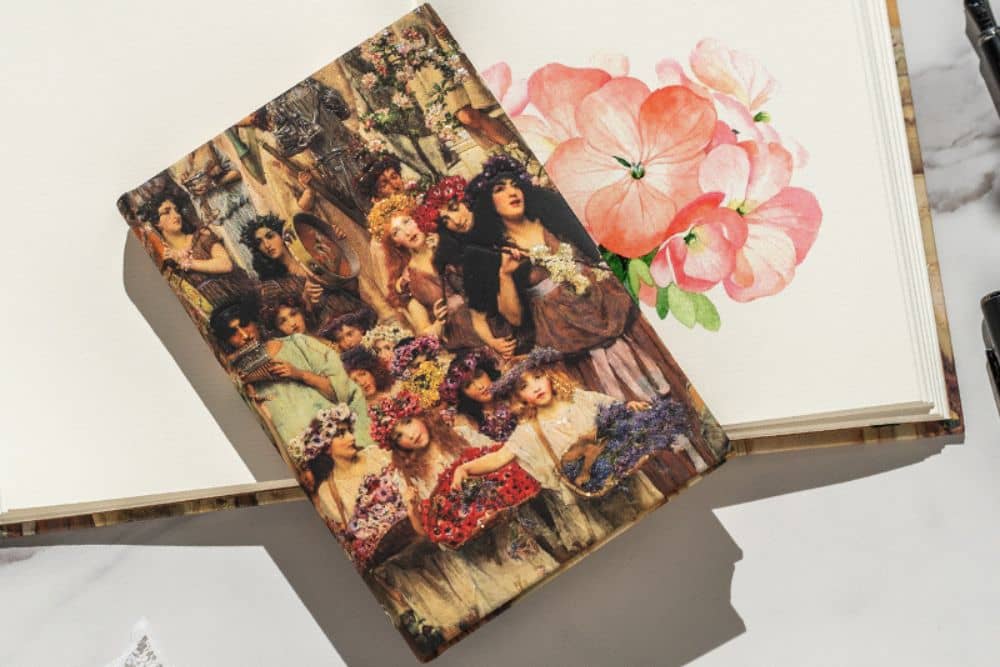
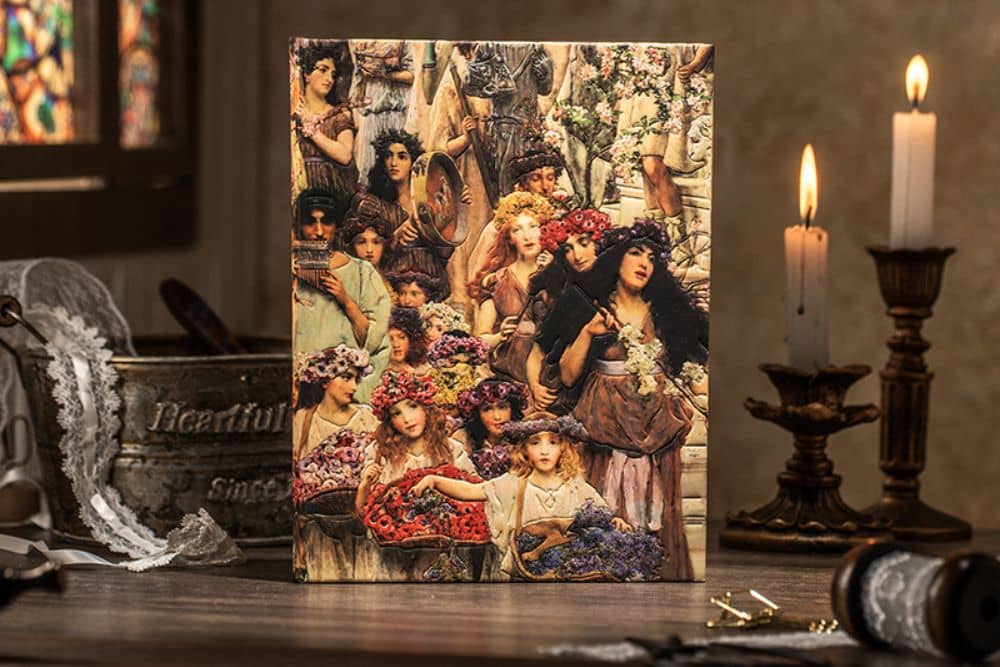
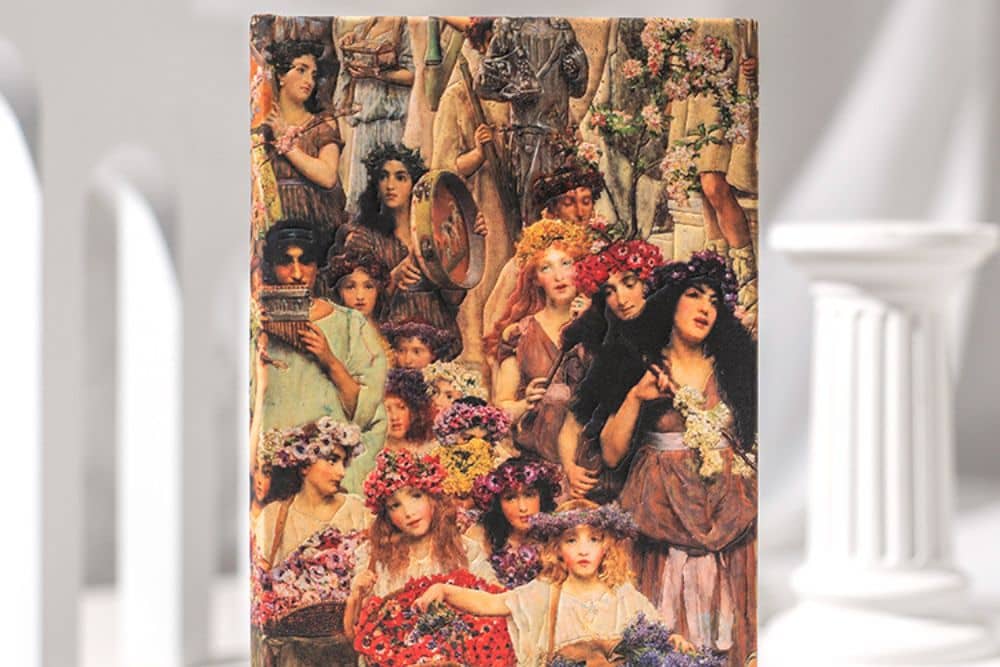
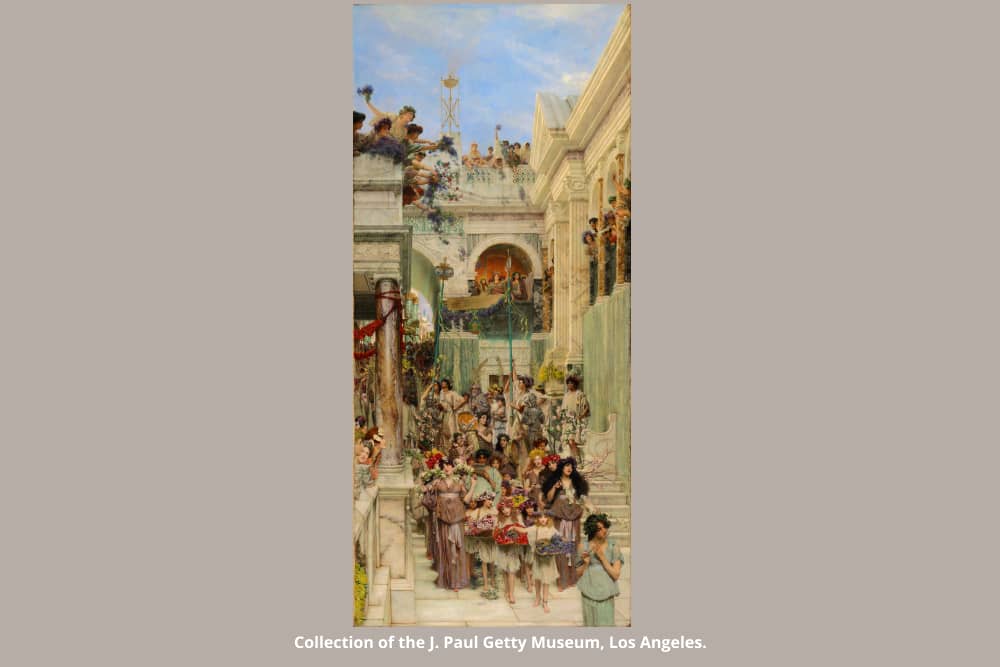
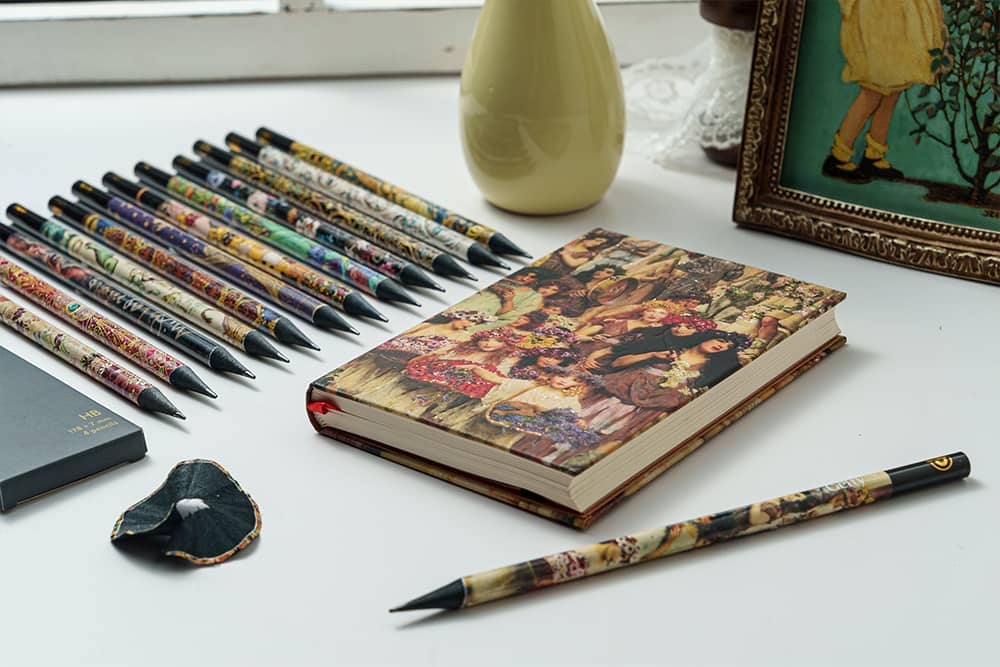
In his painting, Spring (1894), Lawrence Alma-Tadema represented the Victorian custom of sending children to collect flowers on the morning of May 1, or May Day. By placing the scene in ancient Rome, he suggested the festival’s great antiquity through architectural details, dress, sculpture, and musical instruments based on Roman originals.
Sir Lawrence Alma-Tadema (1836–1912) was a Dutch painter of classical subjects who became famous for his depictions of the luxury and decadence of the Roman Empire.
Alma-Tadema’s curiosity about the ancient world was insatiable, and he incorporated his knowledge into over 300 paintings of ancient archeological and architectural design. In later years, his large panoramic depictions of Greek and Roman life caught the attention of Hollywood. Certain scenes in Cecil B. DeMille’s film Cleopatra (1934) were inspired by this painting.
We are honoured to feature a detail from Spring as part of our collaborative partnership with the J. Paul Getty Museum.