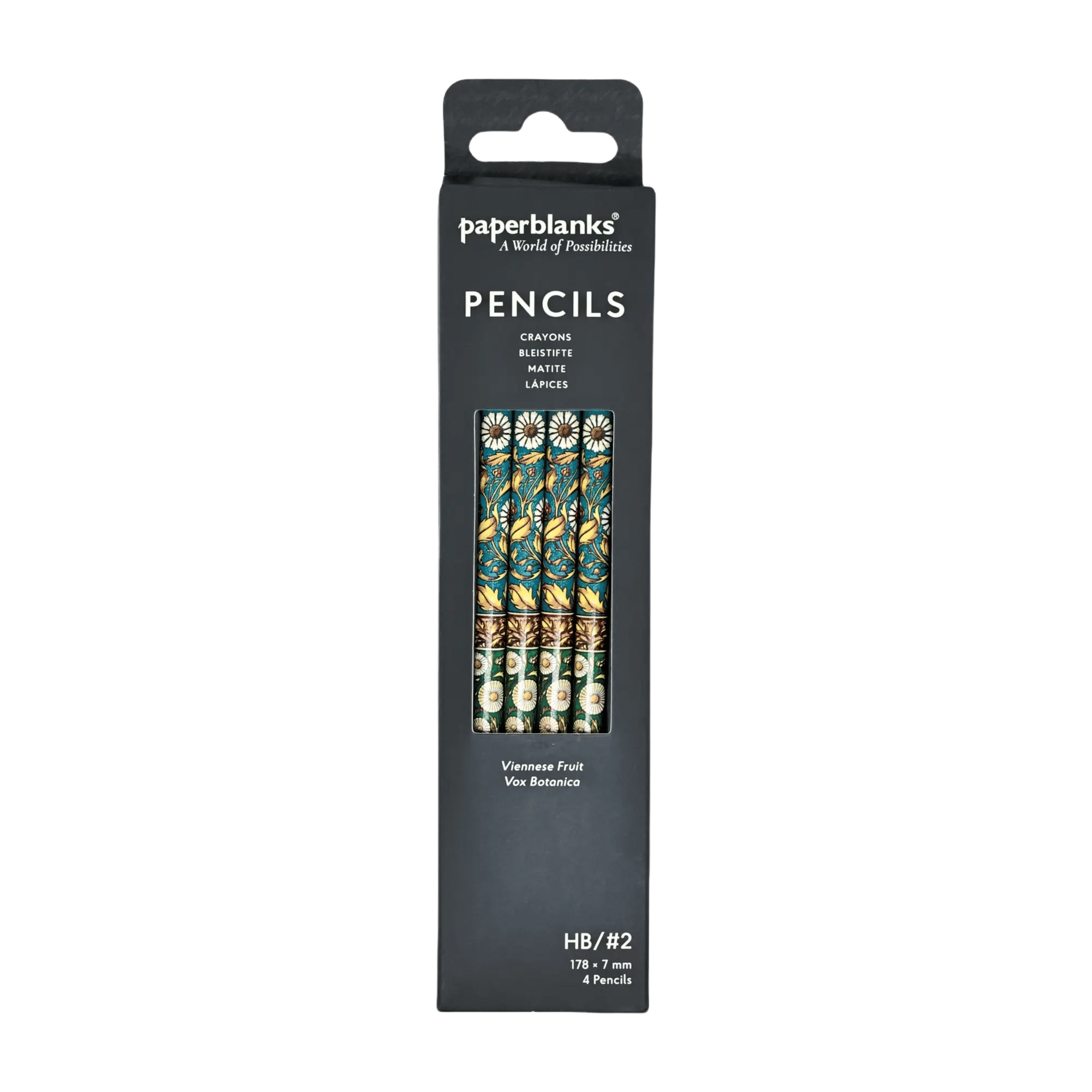
ペンシル
ヴォックス・ボタニカ
品番 9780349714240
- 高品質の#2(HB)未研ぎ鉛筆4本
- 黒色の木材
- Paperblanks「Iconic P」金箔を丸みのある端に
- Paperblanksデザインライブラリからの見事なラップアラウンドアート
- なめらかな円筒形のデザイン
- デザインの鮮やかさをしっかり引き立てるハイグロス仕上げ
事業活動が環境に与える影響を考慮することは、私たちにとって重要です。だからこそ、私たちの紙はすべて持続可能な森林パルプ由来であり、表紙ボードは100%リサイクル素材で作られていて、紙は酸を含まない持続可能な森林紙に印刷されています。
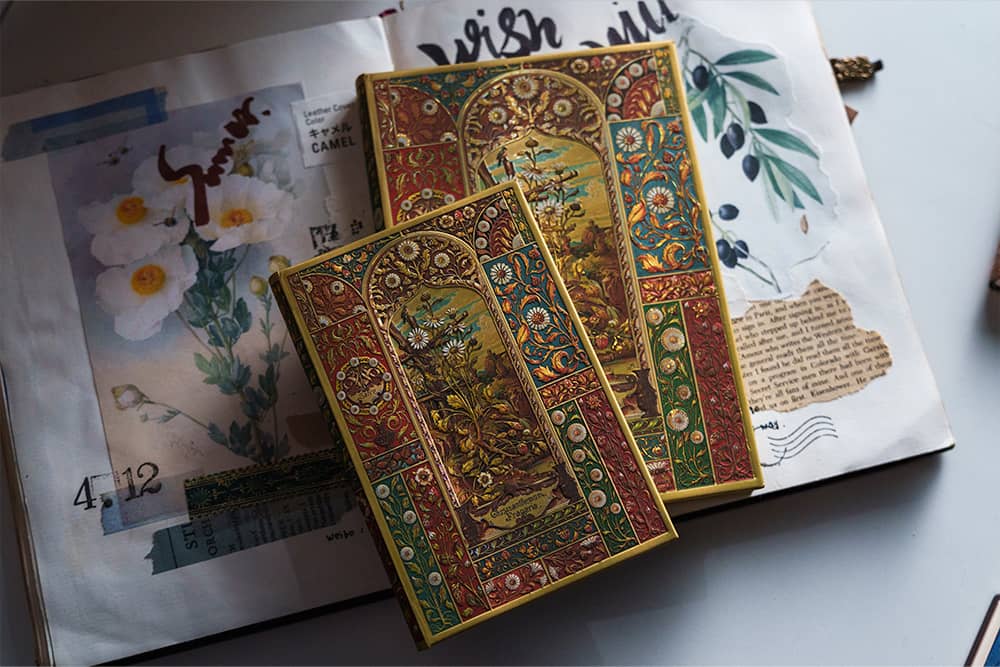
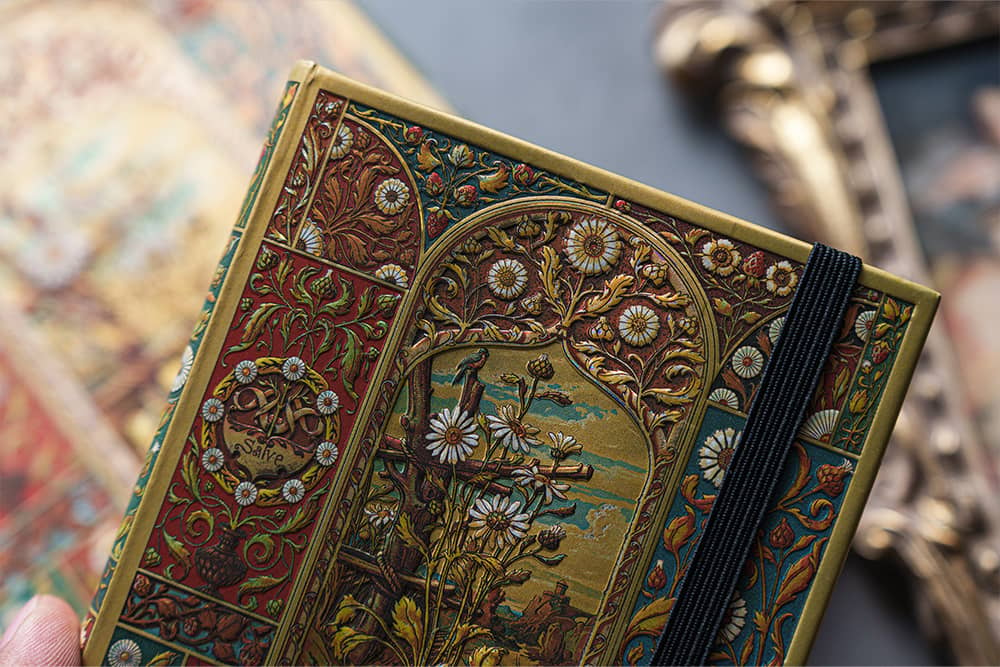
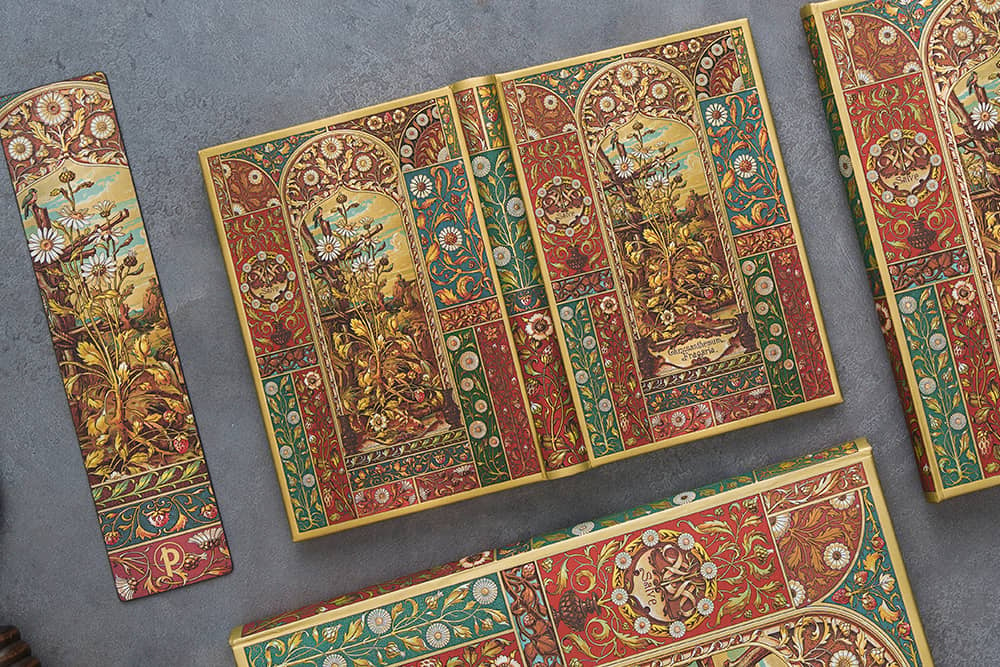
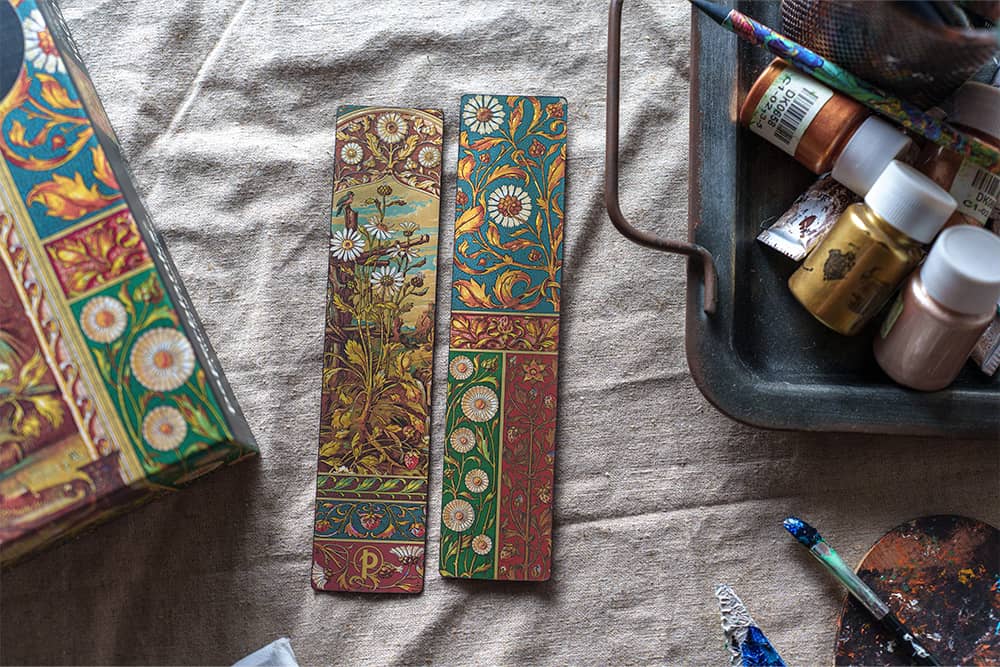
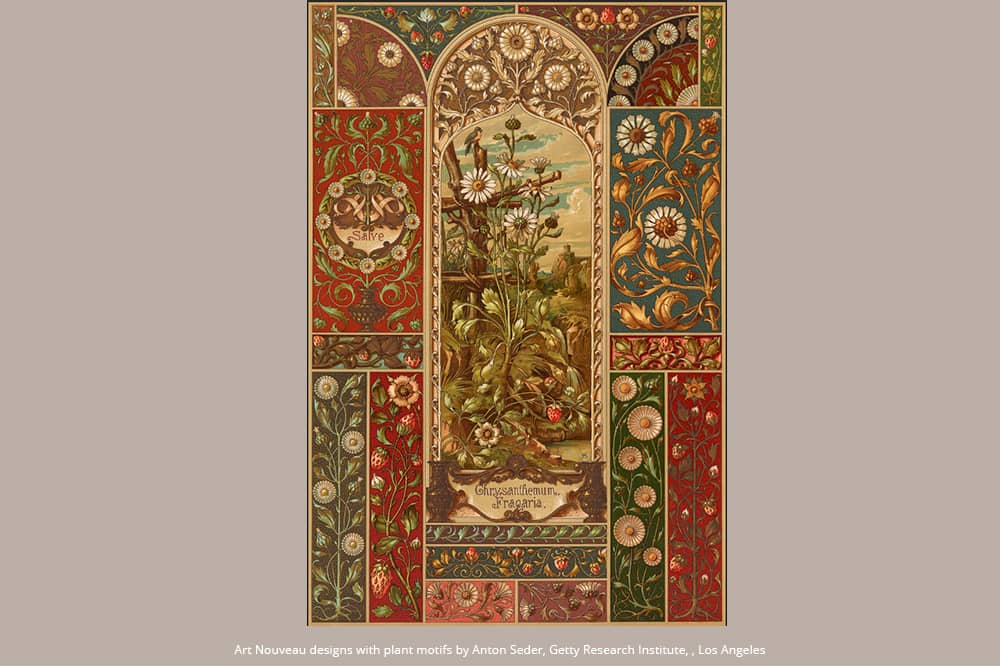
Unheralded wildflowers and weeds are given a voice in our Vox Botanica series, featuring the work of celebrated Art Nouveau illustrator Anton Seder.
The sinuous lines and naturalistic details are a signature of the Art Nouveau style, but Seder (1850–1916) made his own mark on the genre by bringing in Victorian, Baroque and even Japanese woodblock inspirations. This particular piece, originally chromolithograph on paper, comes from one of his best-known works, Die Pflanze in Kunst und Gewerbe (The Plant in Art and Trade). Published in Vienna in 1890, it contains two volumes of stunning prints gracefully depicting elements of nature. With its vibrant colour palettes and neatly compartmentalized structures, it is clear why this became a seminal work of the Art Nouveau moment.
Anton Seder was a painter, craftsman, designer, art professor and Director of the noted Kunstgewerbeschule (Arts and Crafts School) in Strasbourg, Alsace-Lorraine. With the region at that time hotly contested by both France and Germany, the art scene that arose offered a unique marriage of cultures as it was pulled between the two countries. Influences from both can thus be seen in Seder’s work. His harmonious use of space, plethora of details and candid depiction of natural elements drew us to this piece, and with it we hope to herald Seder’s unique voice and vision in a new era of art and trade.