12ヶ月
ペルシャの詩
9780349716411
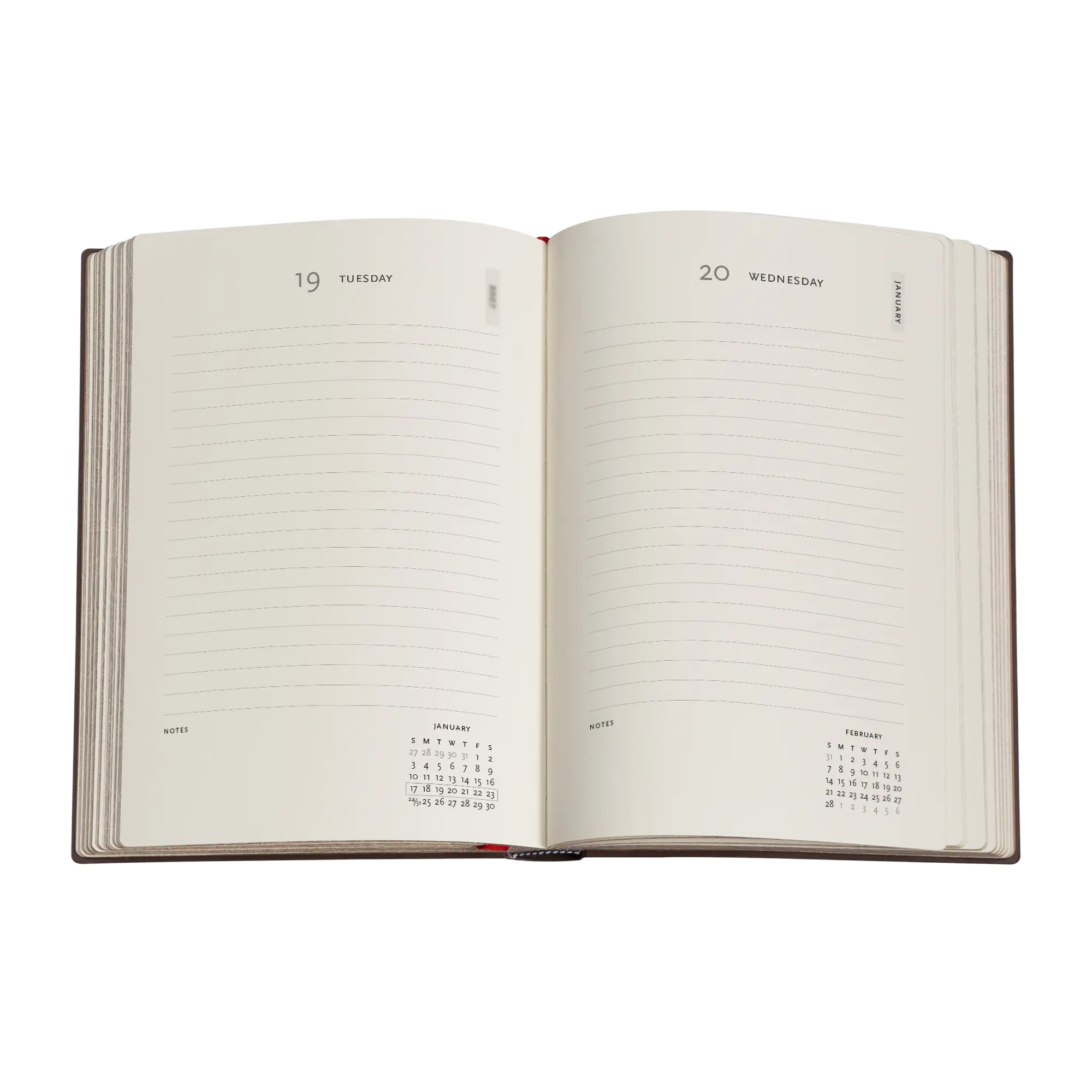
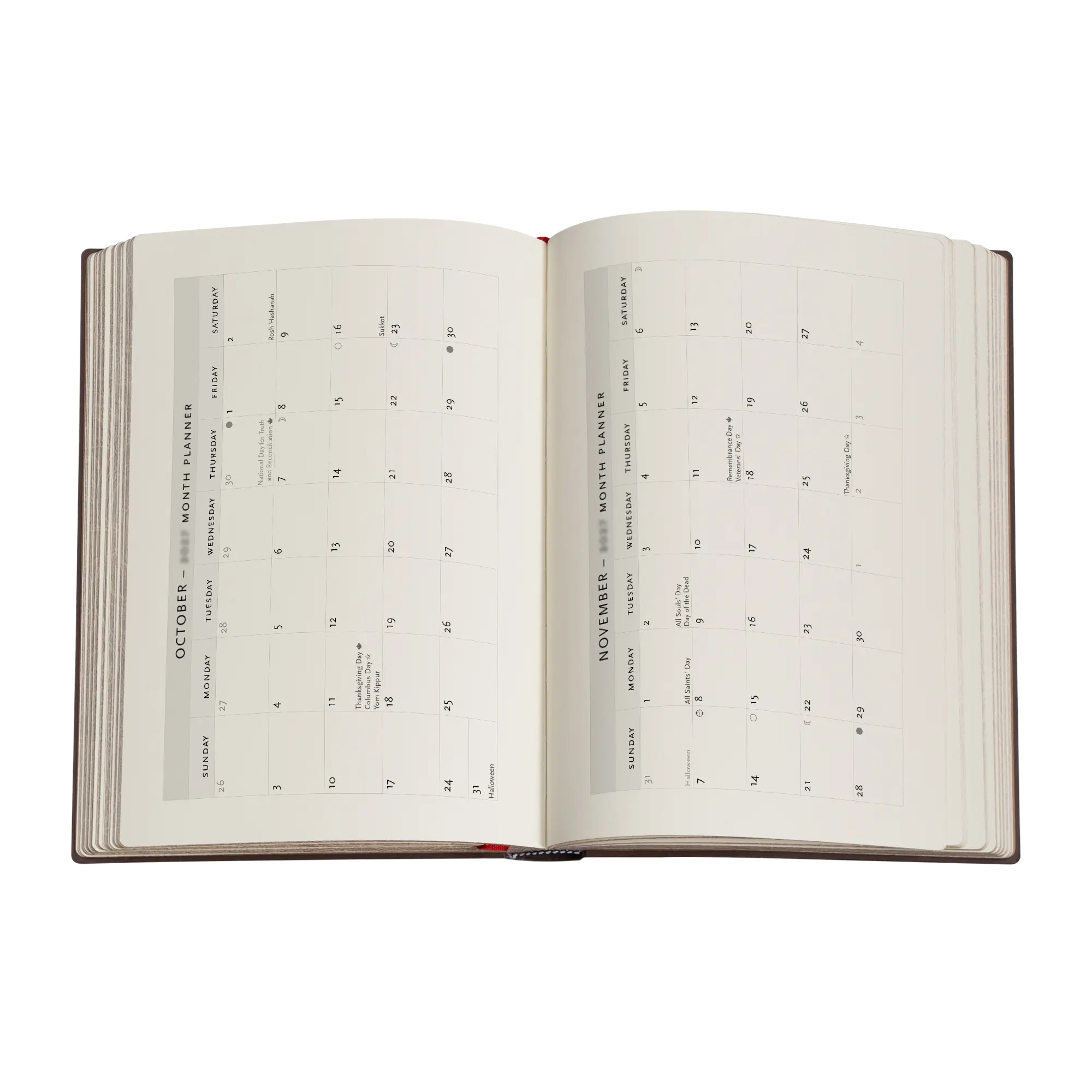
- 掲載期間: 一月 (いちがつ 2027 - 十二月 (じゅうにがつ 2027
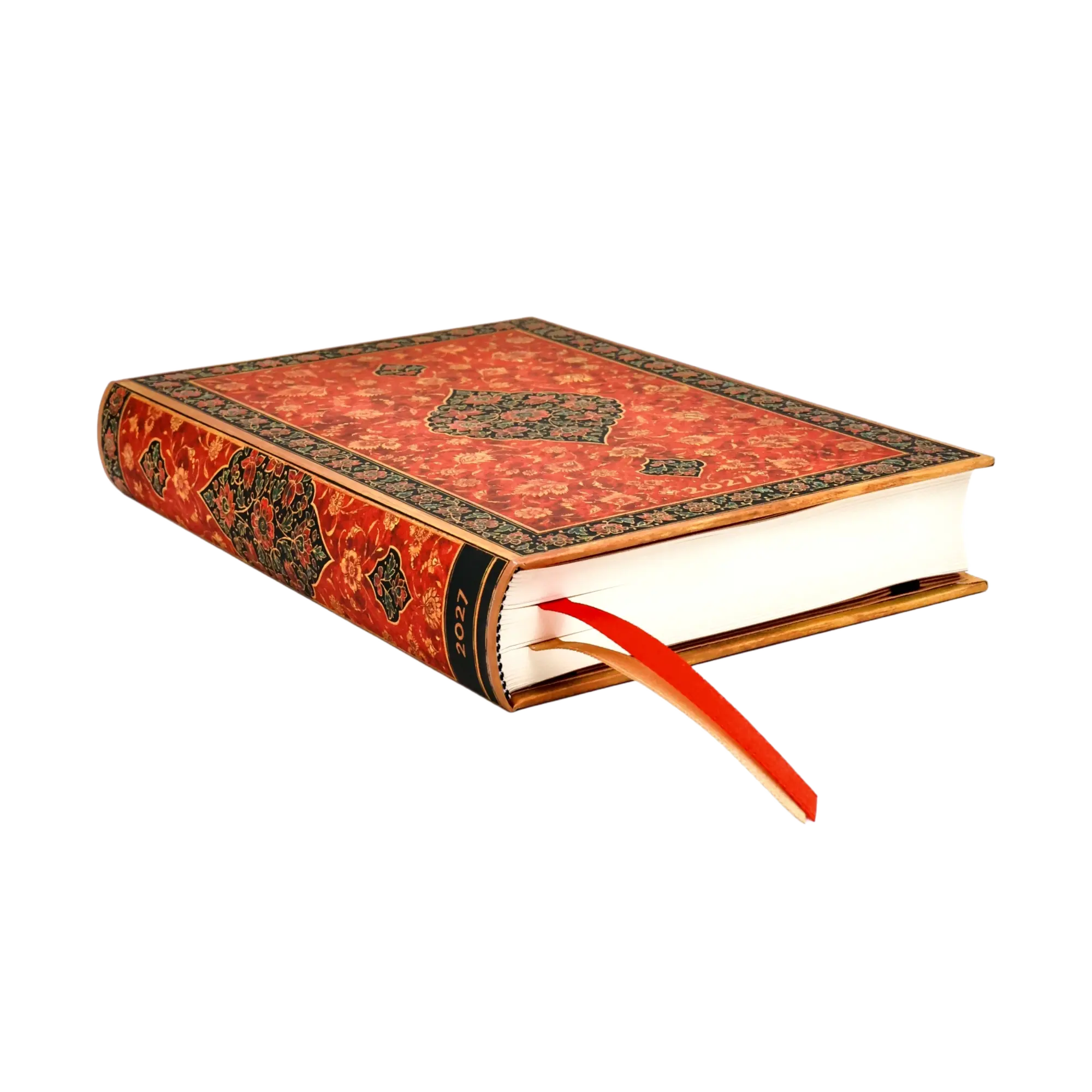
- Closure: ゴムバンド
- GSM (紙の厚み): 80 gsm
- 100%リサイクルされた製本用ボード
- 装飾付きの印刷表紙用紙
- 酸を含まない持続可能な森林紙に印刷
- 必要に応じて、糸による縫い付けと接着剤
- 酸を含まない持続可能な森林紙
- サテンリボンのマーカー2個
- メメントポーチ
- 銘板
- 月間プランナー
- 換算表
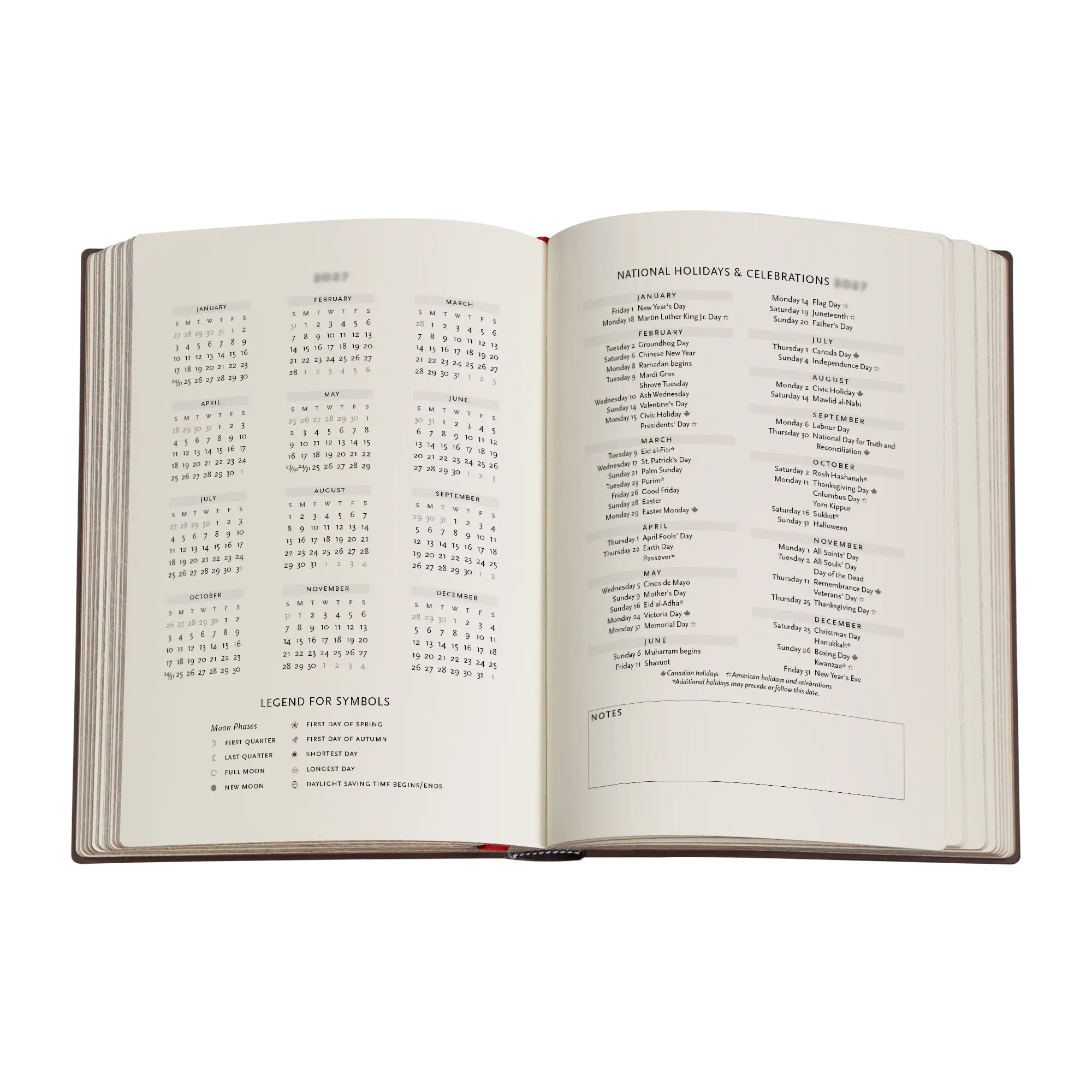
- 年間プランナー
- 国際電話のダイヤルコード
- ミニカレンダー
- 国際的な祝日
- 国民の祝日
- 世界のタイムゾーン
- メモを取るページ
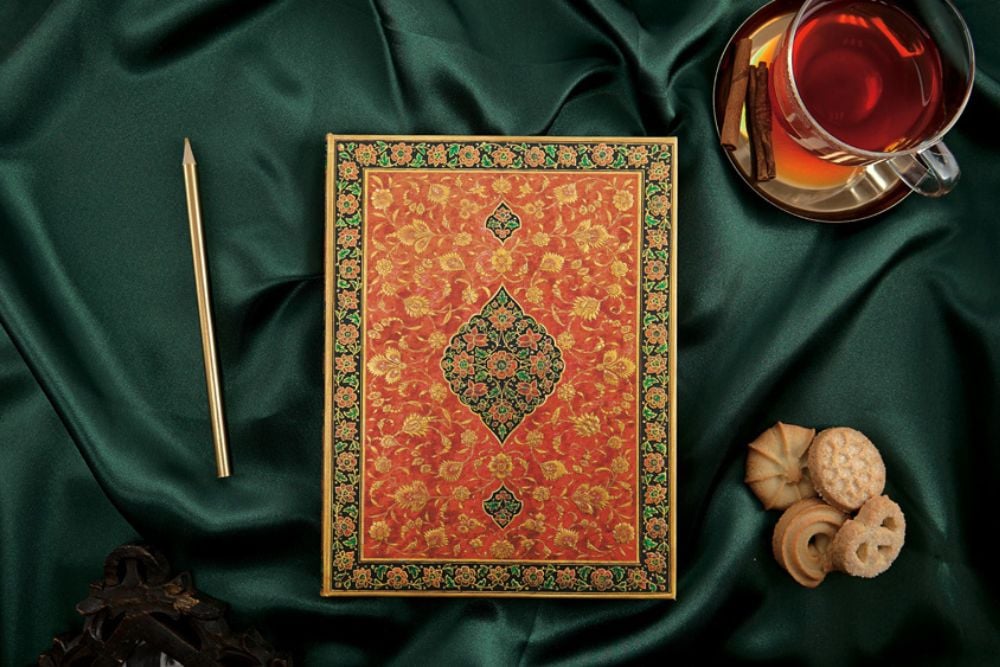
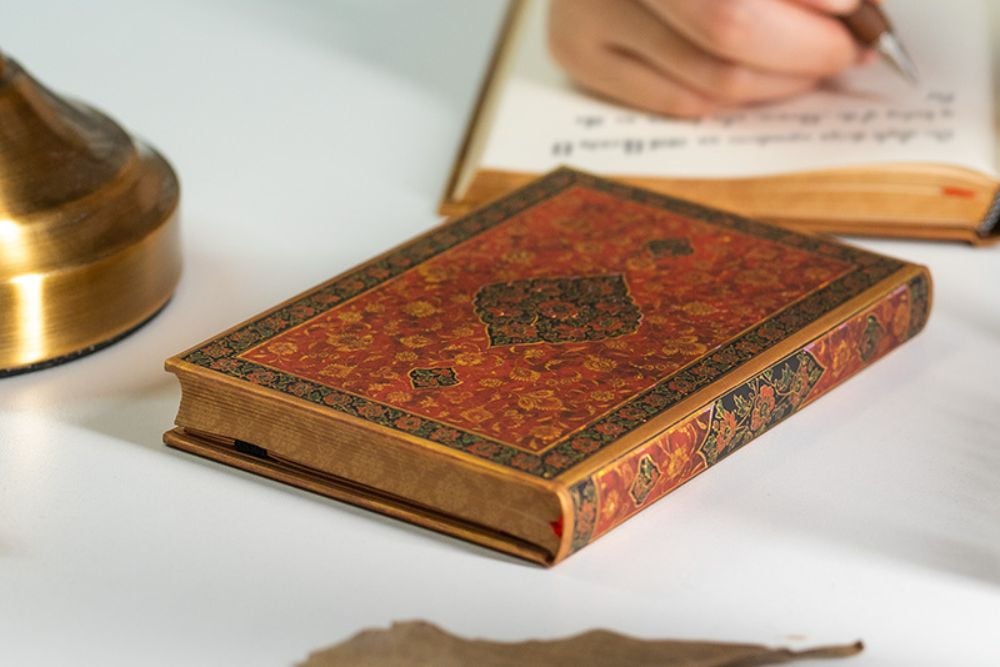
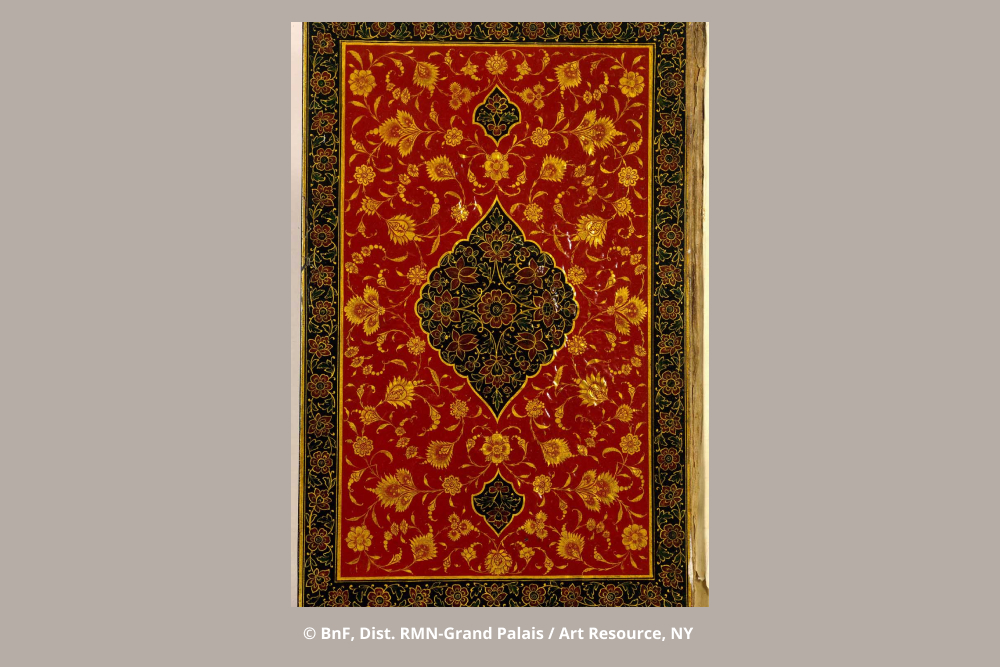
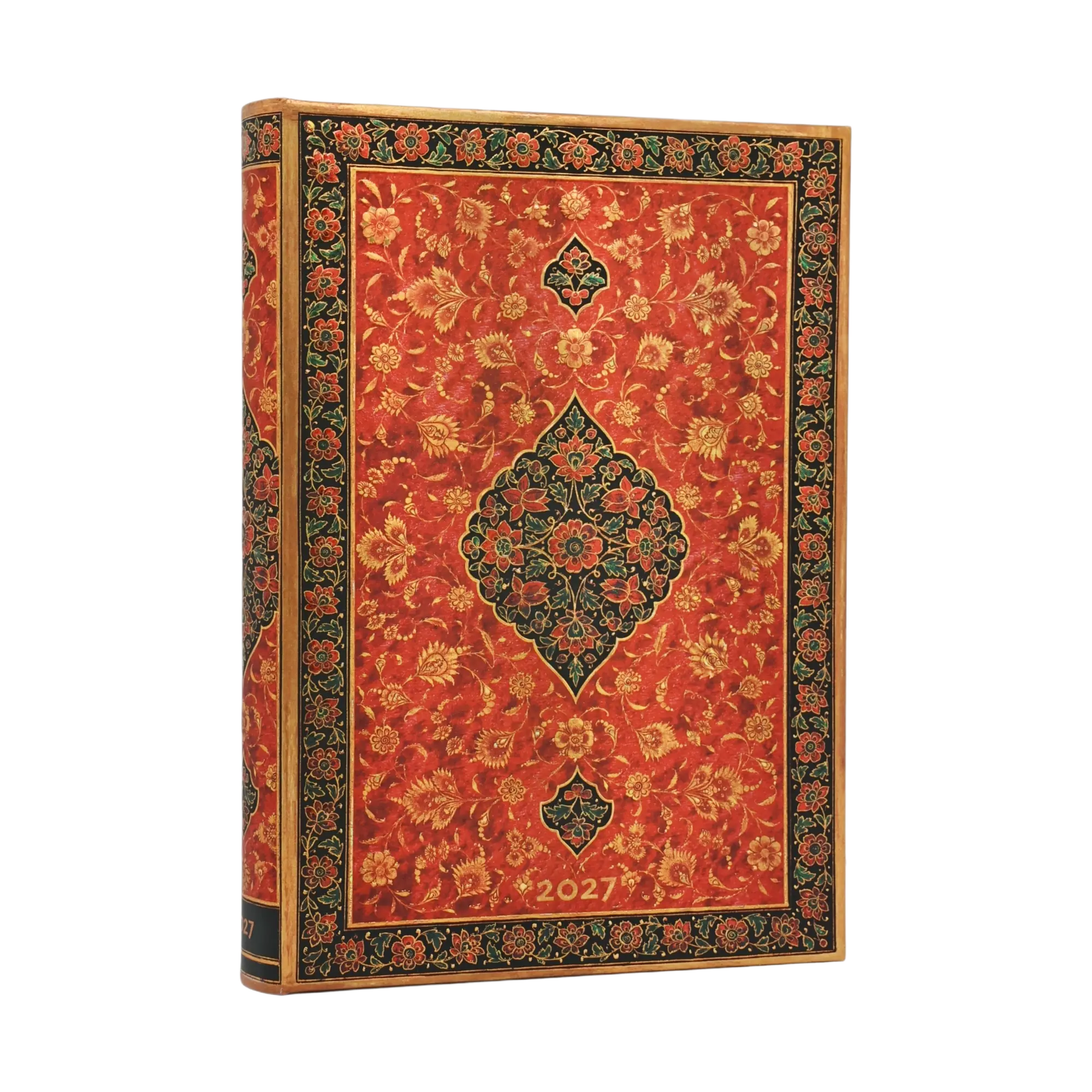
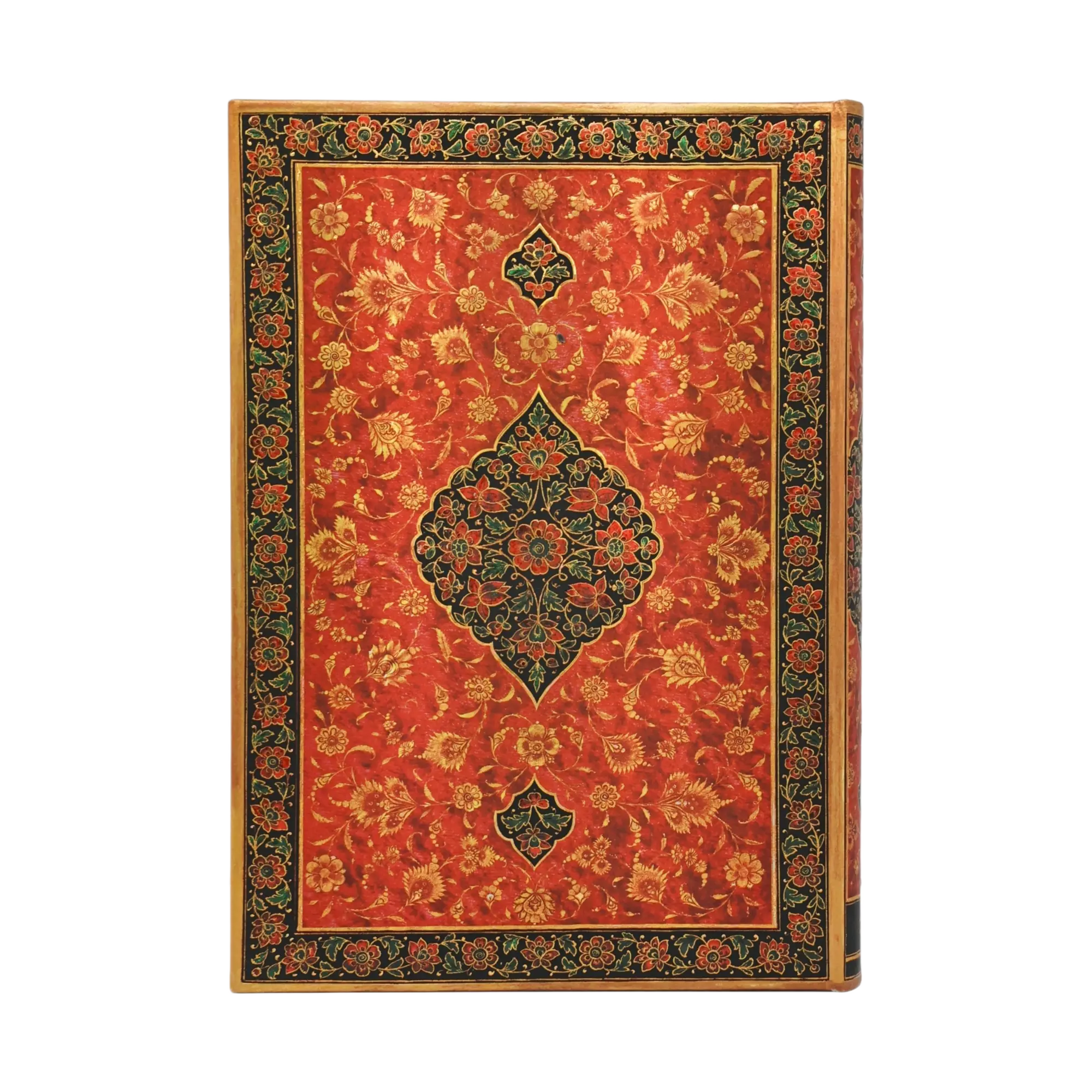
This design pays tribute to an 18th-century binding that housed the Khamsa, a seminal work by Persian Sunni Muslim poet Nizami Ganjavi (c. 1141–1209). Featuring intricate floral detail, our Layla cover design beautifully mirrors the contents of the original volume.
Considered the greatest romantic poet in Persian literature and described as a “creator of poetic scenes,” Nizami brought a colloquial and otherworldly quality to the Persian epic. His best-known work, the Khamsa (also known in English as the Five Treasures), is a series of five long narrative poems. The first of these, Makhzan-ol-Asrâr, was influenced by Sanai Ghaznavi’s The Walled Garden of Truth, an early Sufi book of mystical poetry. The four other poems are medieval romances.
Nizami’s romance story of Layla and Majnun provided the namesake for Eric Clapton’s hit single “Layla,” from the album Layla and Other Assorted Love Songs, which was highly influenced by Nizami and his poetry of unrequited love.
We first introduced our Persian Poetry series in Spring 2024 with The Orchard, a cover reproducing a 17th-century binding of the Bustan by the poet and prose writer Saadi (1210–1291). The delicately adorned cover of this Layla journal, the second title in the series, reflects the beauty of the words held within the original 18th-century book.