12ヶ月
Lawrence Alma-Tadema
9780349717104
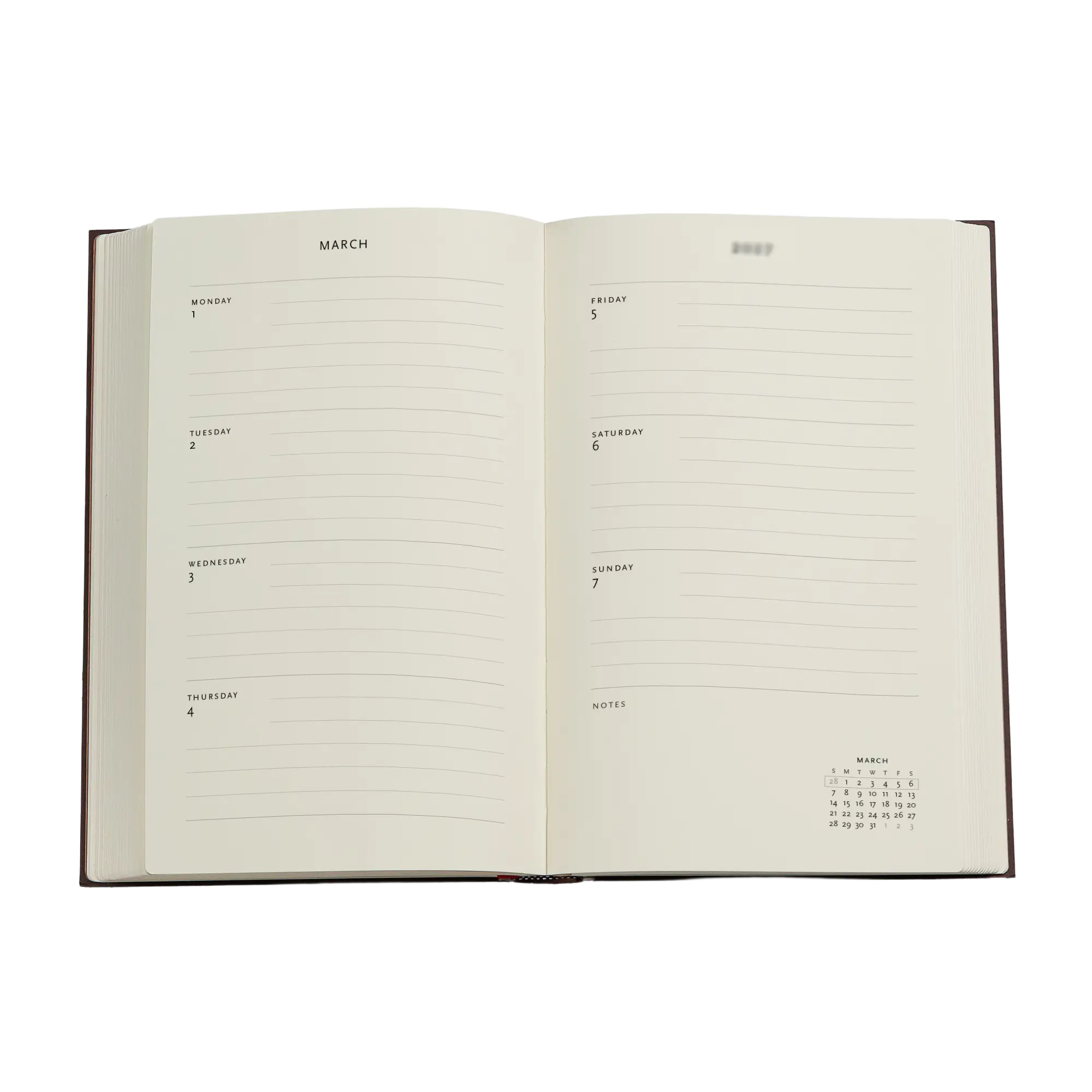
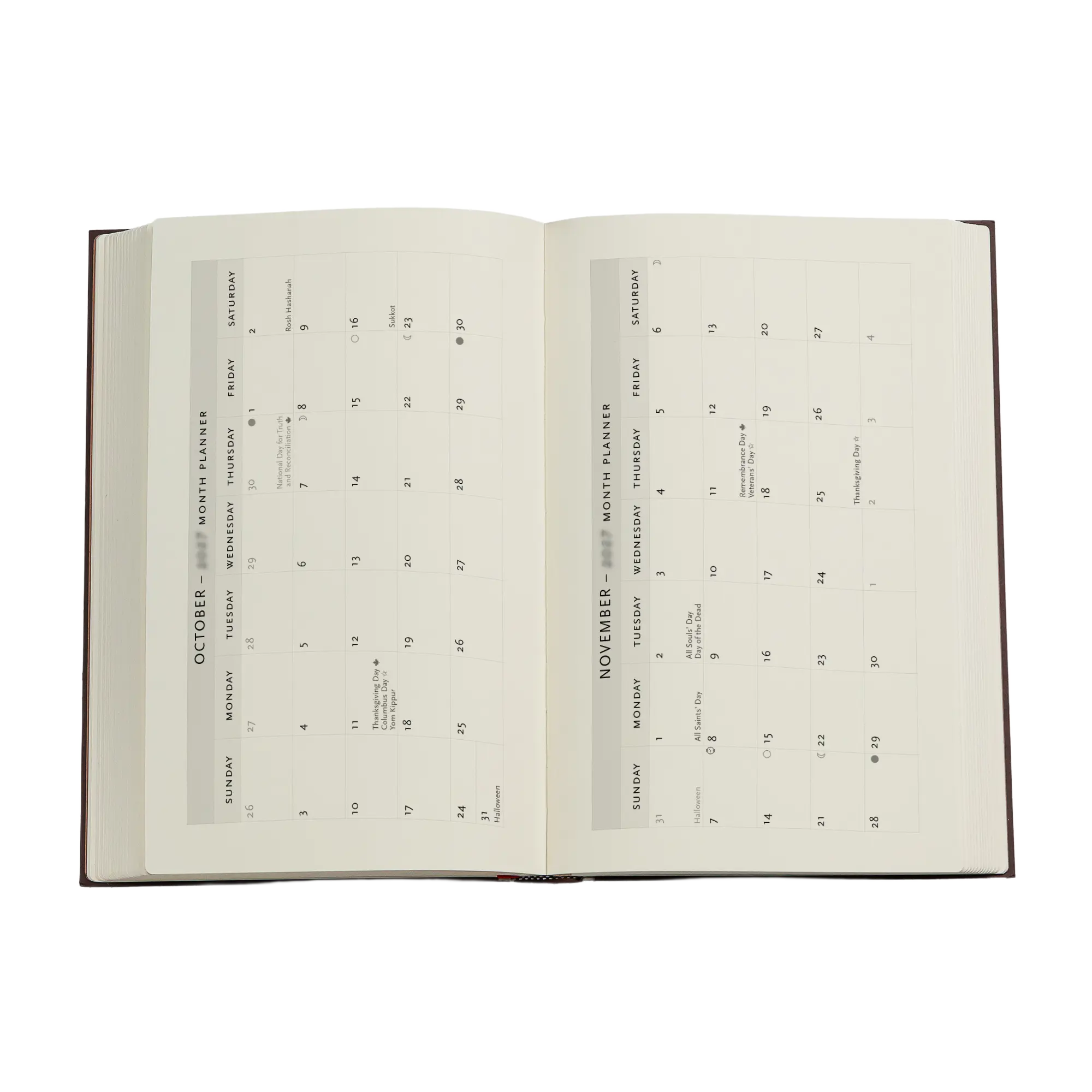
- 掲載期間: 一月 (いちがつ 2027 - 十二月 (じゅうにがつ 2027
- Closure: ゴムバンド
- GSM (紙の厚み): 100 gsm
- 100%リサイクルされた製本用ボード
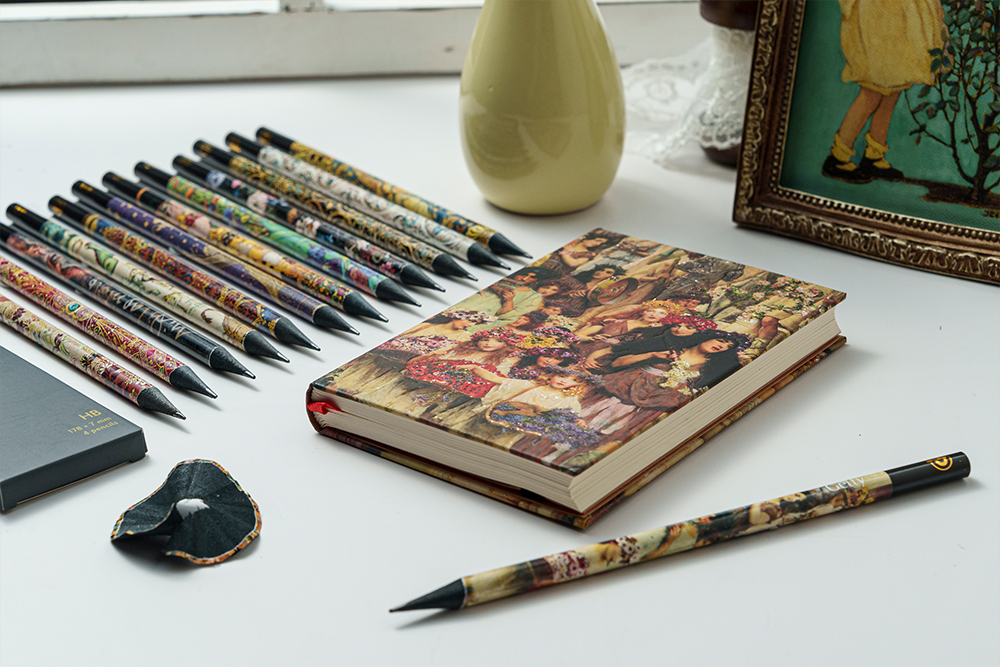
- 装飾付きの印刷表紙用紙
- 酸を含まない持続可能な森林紙に印刷
- 必要に応じて、糸による縫い付けと接着剤
- 酸を含まない持続可能な森林紙
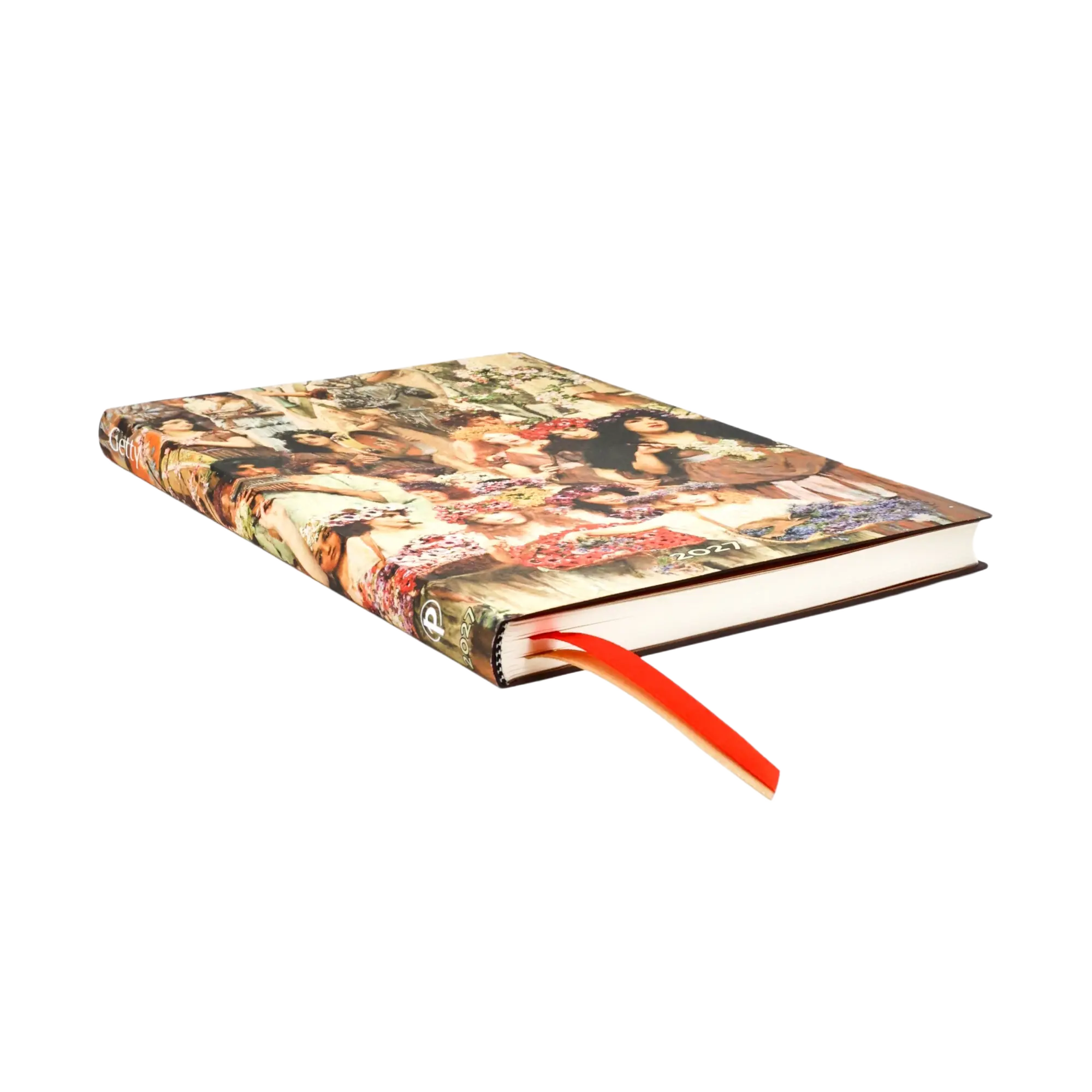
- サテンリボンのマーカー2個
- メメントポーチ
- 銘板
- 月間プランナー
- 換算表
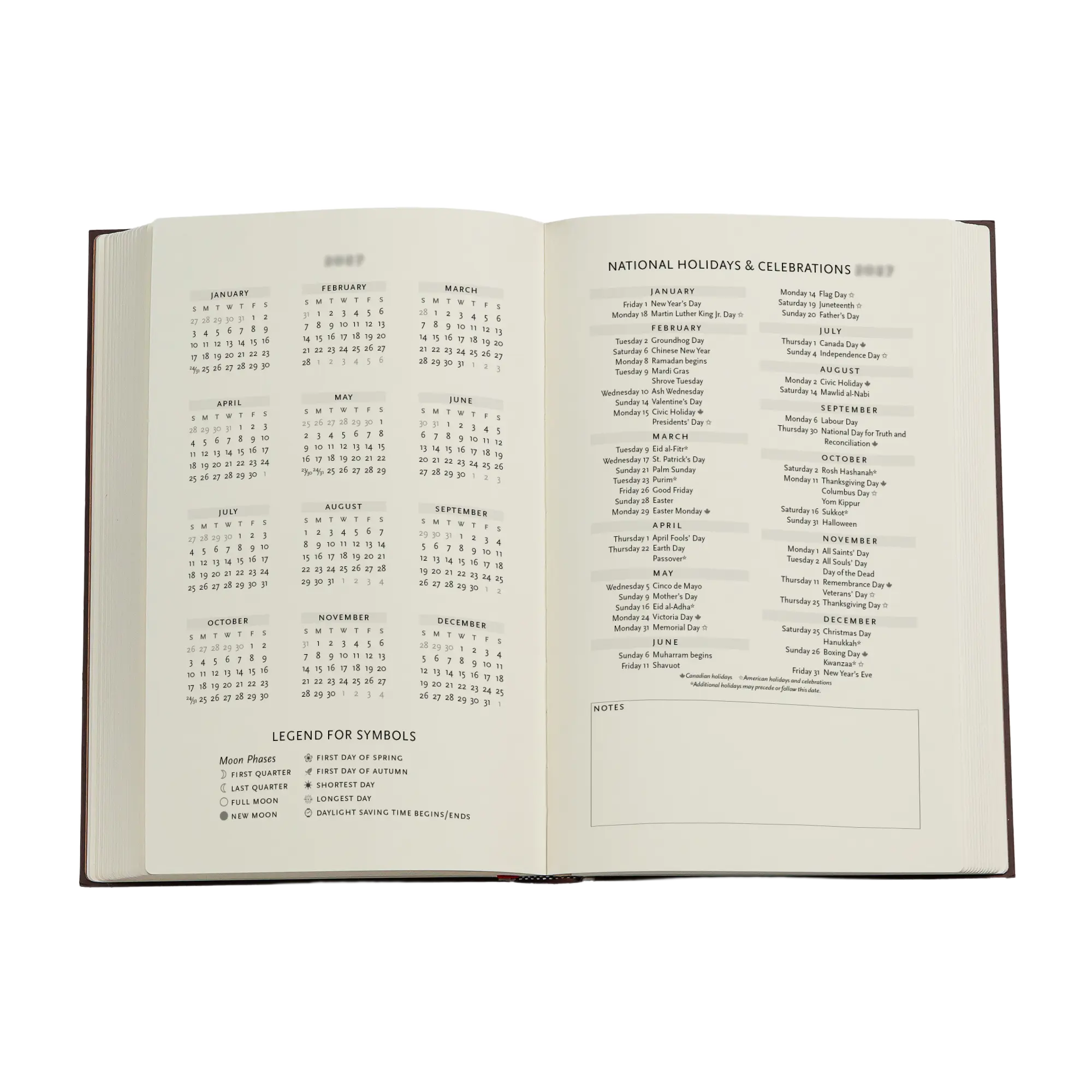
- 年間プランナー
- 国際電話のダイヤルコード
- ミニカレンダー
- 国際的な祝日
- 国民の祝日
- 世界のタイムゾーン
- メモを取るページ
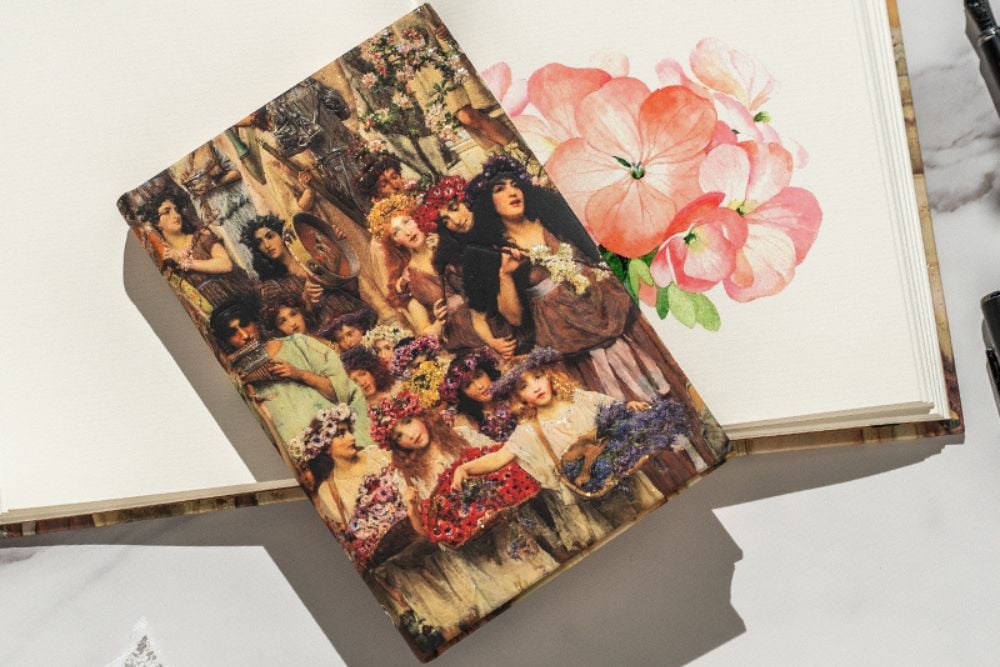
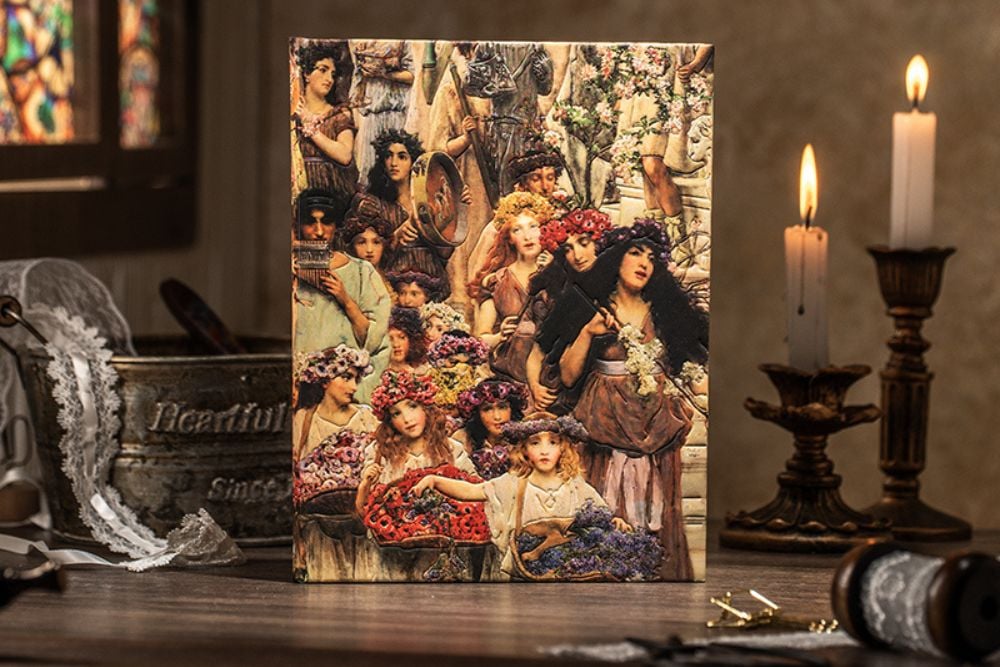
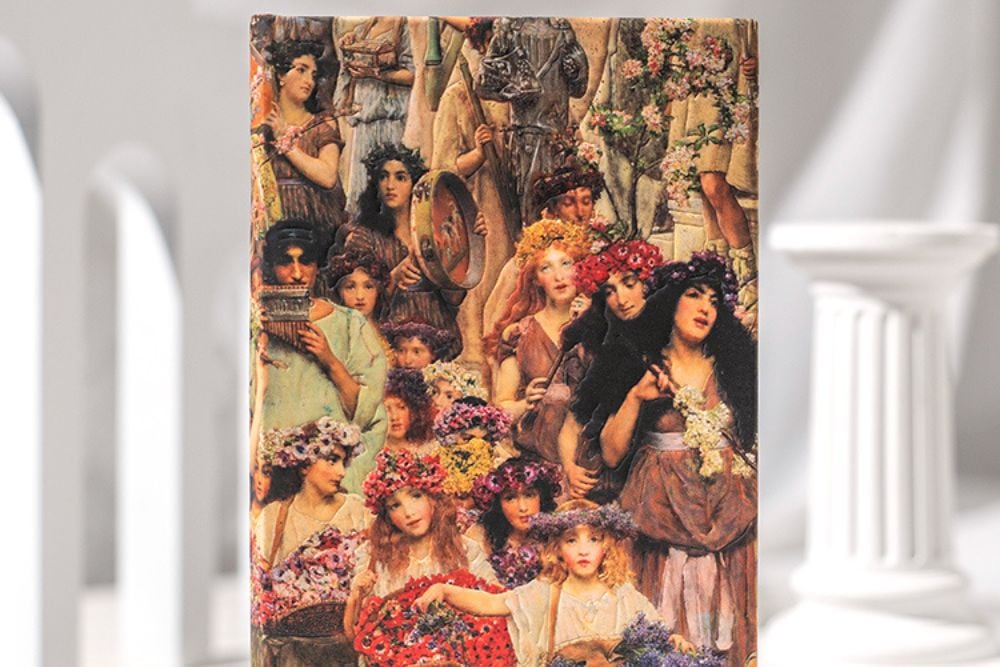
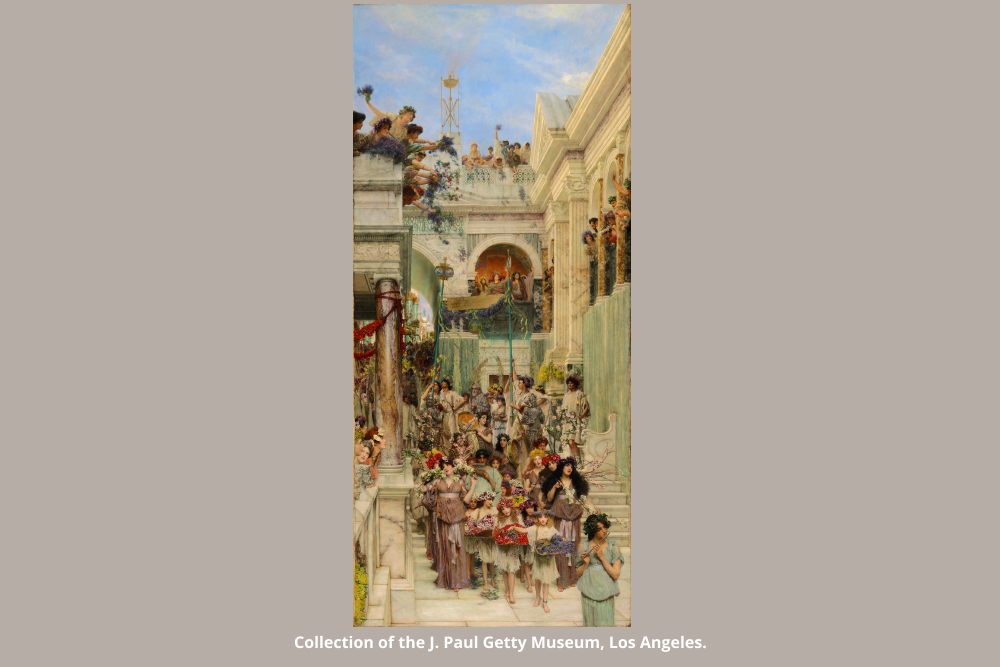
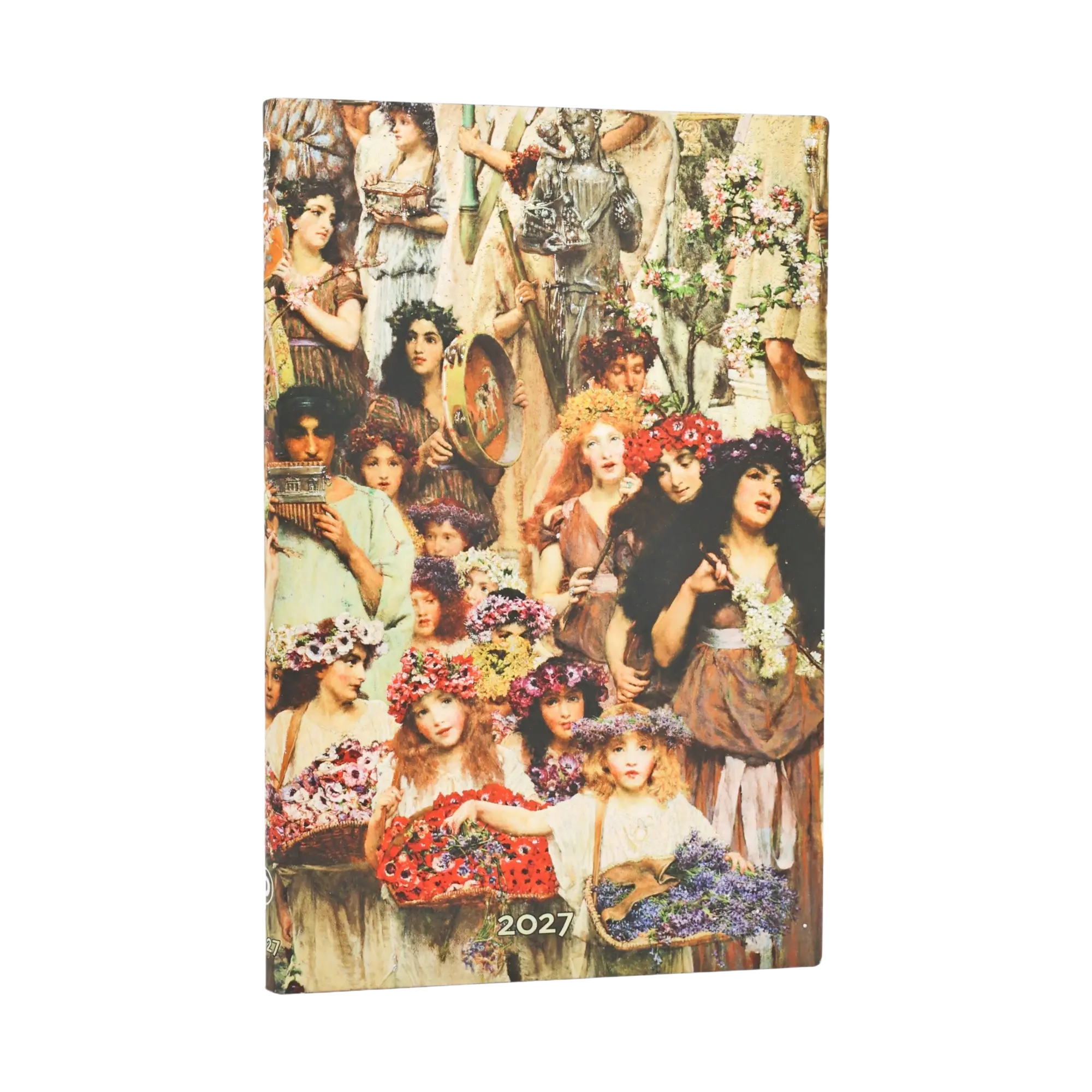
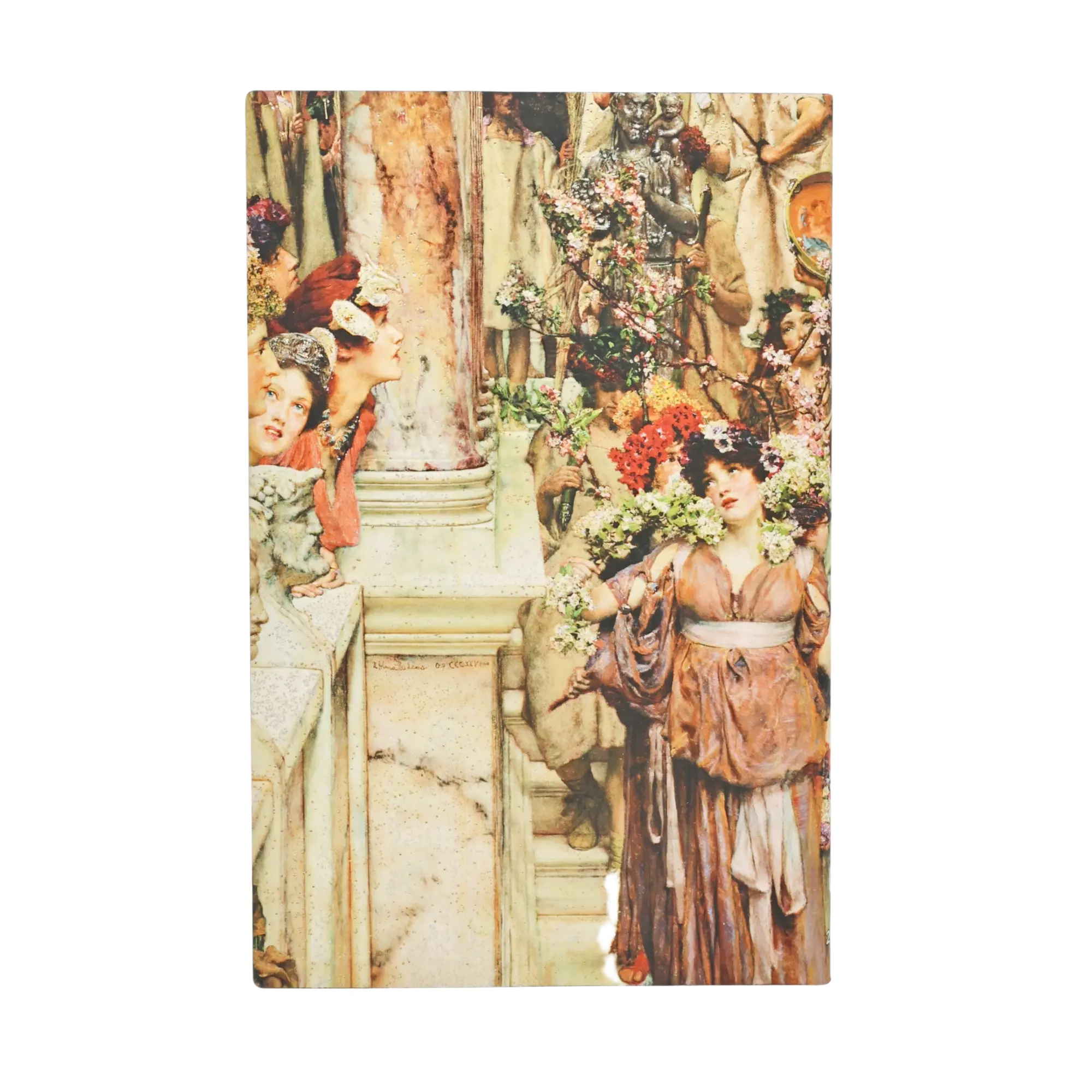
In his painting, Spring (1894), Lawrence Alma-Tadema represented the Victorian custom of sending children to collect flowers on the morning of May 1, or May Day. By placing the scene in ancient Rome, he suggested the festival’s great antiquity through architectural details, dress, sculpture, and musical instruments based on Roman originals.
Sir Lawrence Alma-Tadema (1836–1912) was a Dutch painter of classical subjects who became famous for his depictions of the luxury and decadence of the Roman Empire.
Alma-Tadema’s curiosity about the ancient world was insatiable, and he incorporated his knowledge into over 300 paintings of ancient archeological and architectural design. In later years, his large panoramic depictions of Greek and Roman life caught the attention of Hollywood. Certain scenes in Cecil B. DeMille’s film Cleopatra (1934) were inspired by this painting.
We are honoured to feature a detail from Spring as part of our collaborative partnership with the J. Paul Getty Museum.