

Cahiers
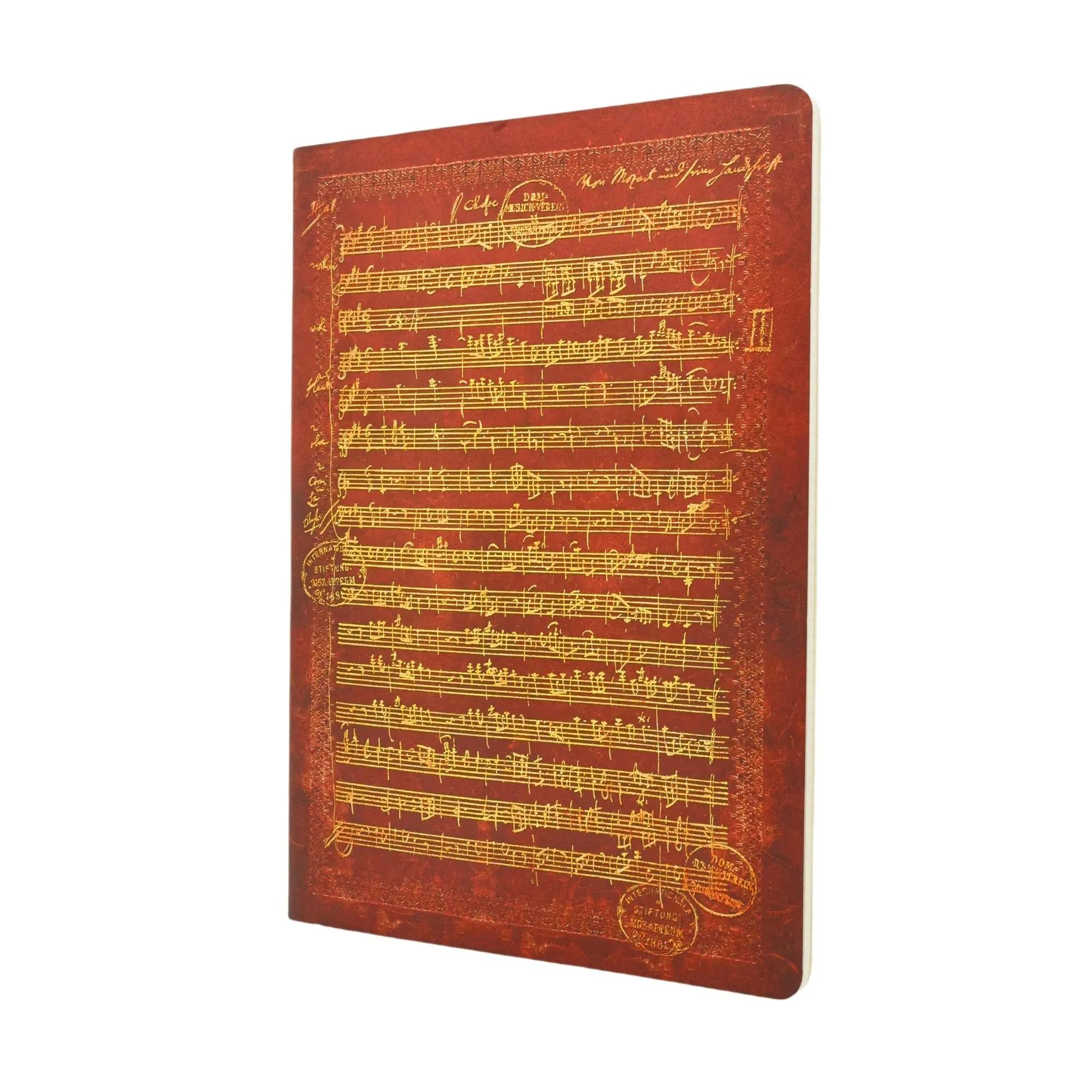
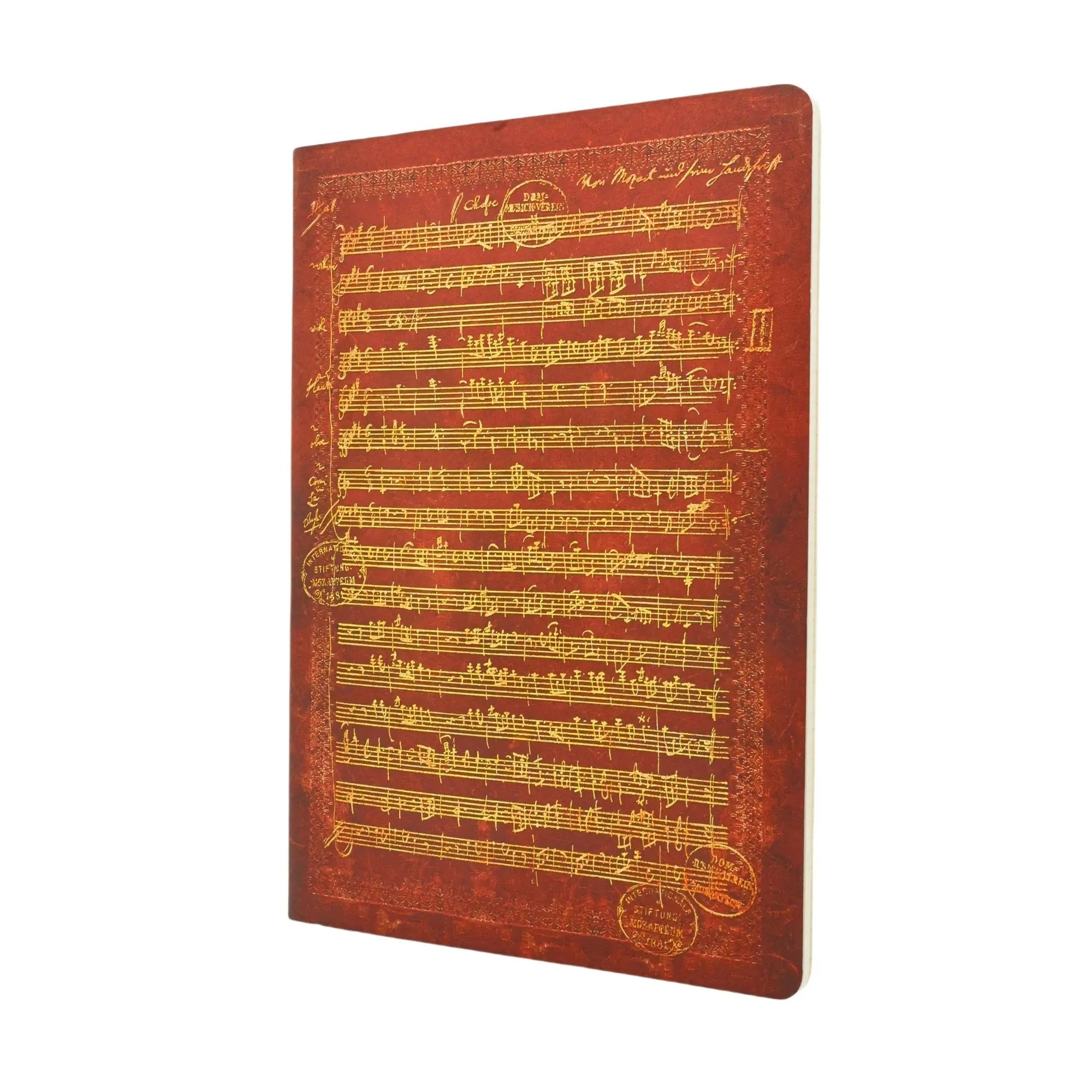
Mozart, The Hunt
Embellished Manuscripts Collection
Item no. 9780349714585
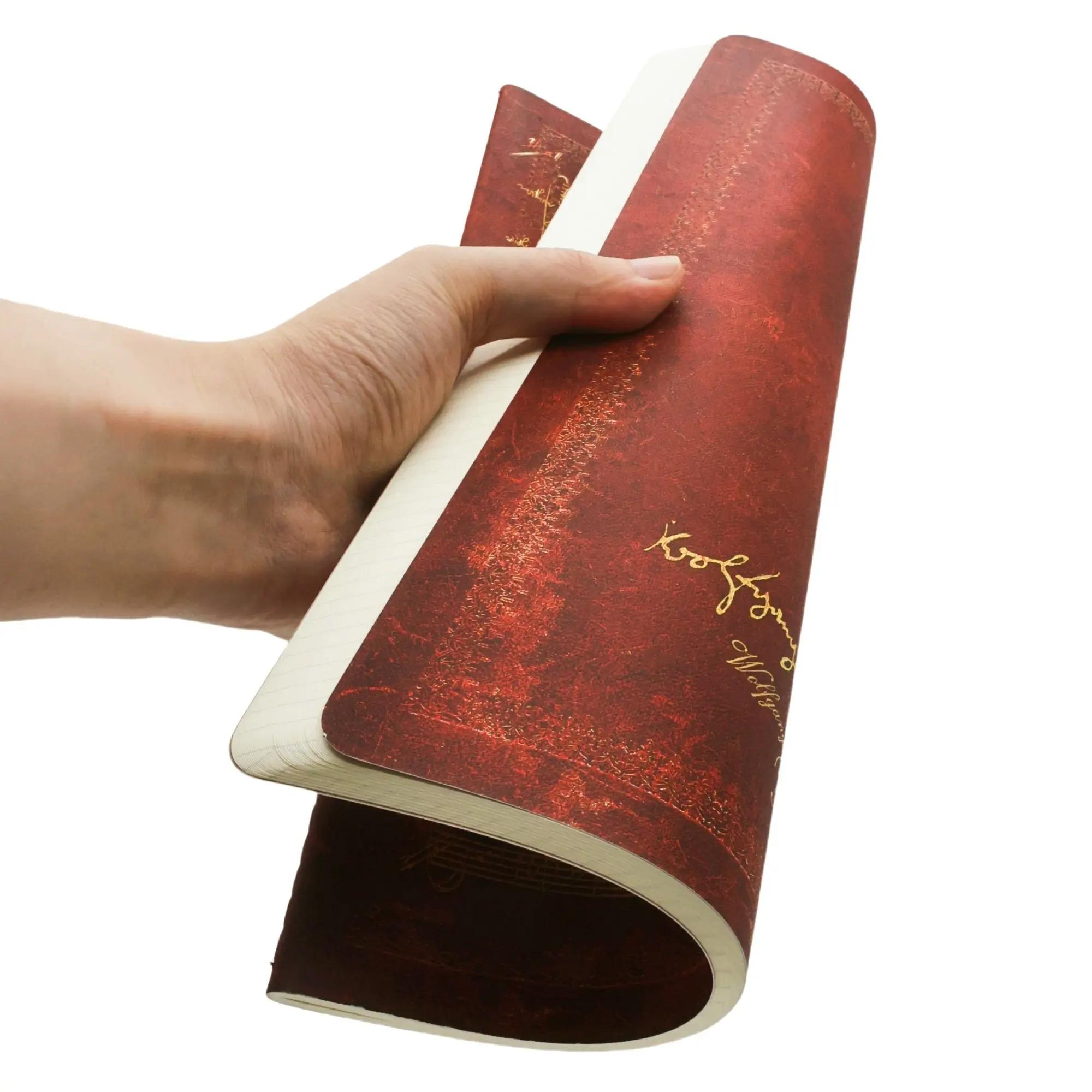
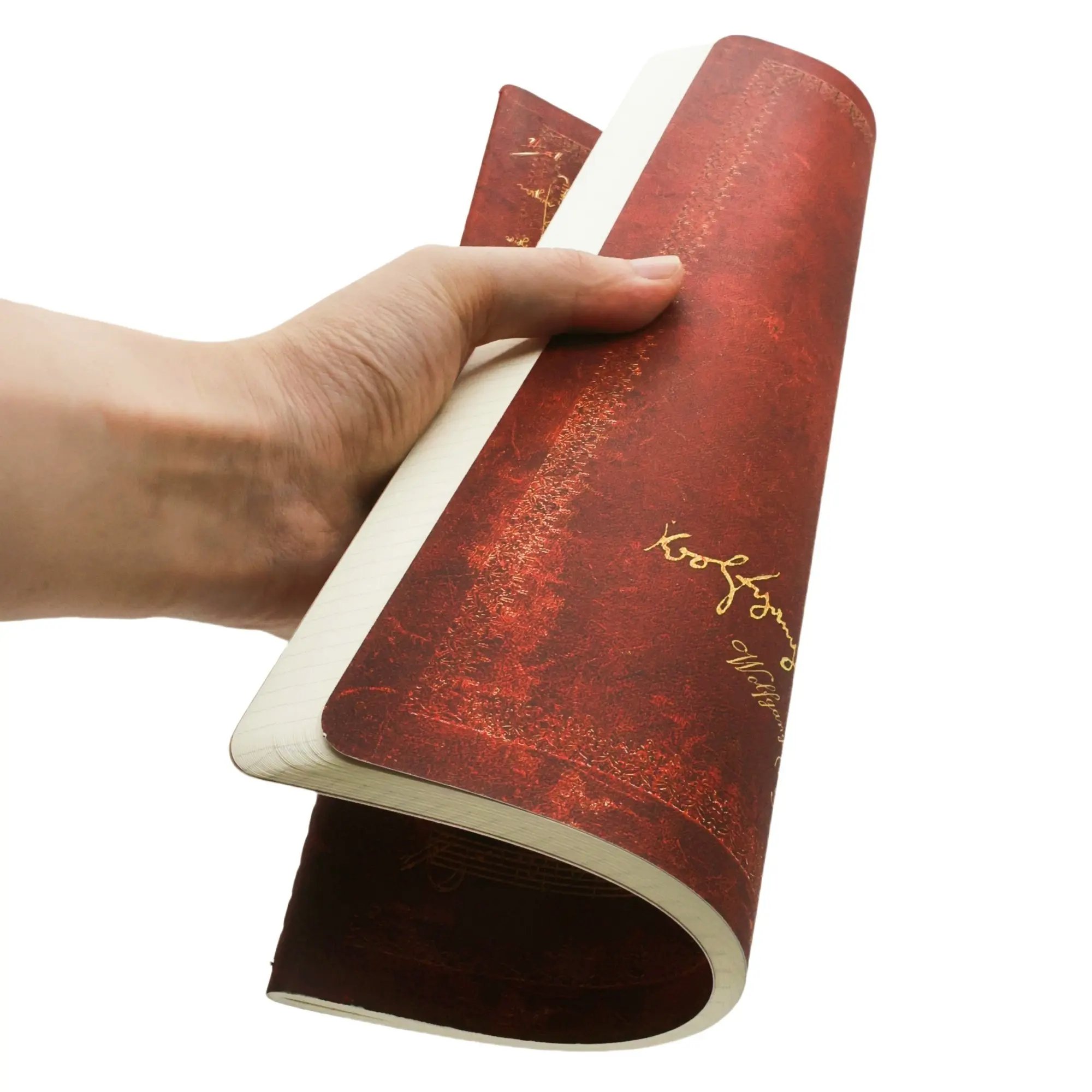
- 300 gsm decorative printed cover
- All pages perforated for easy tear-out
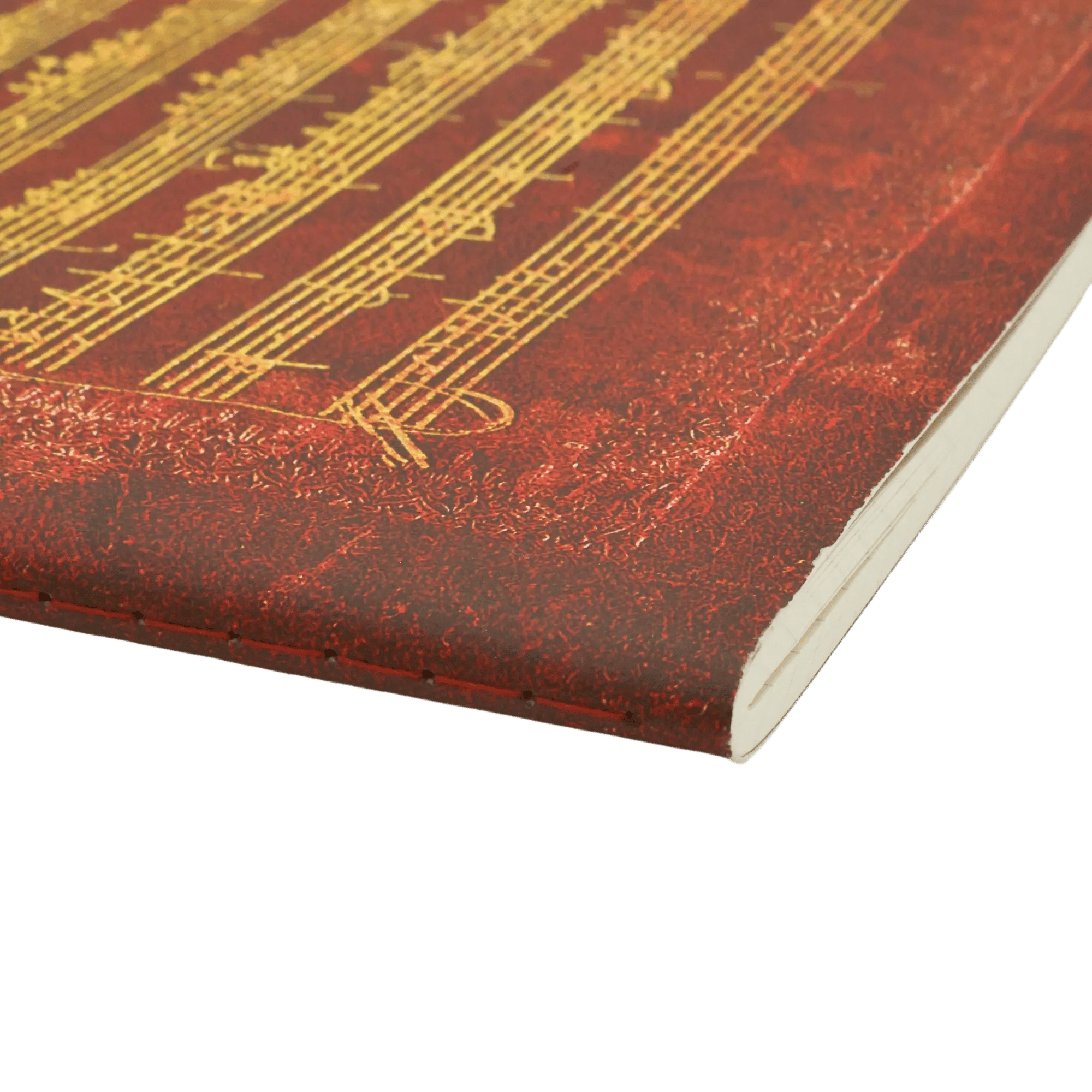
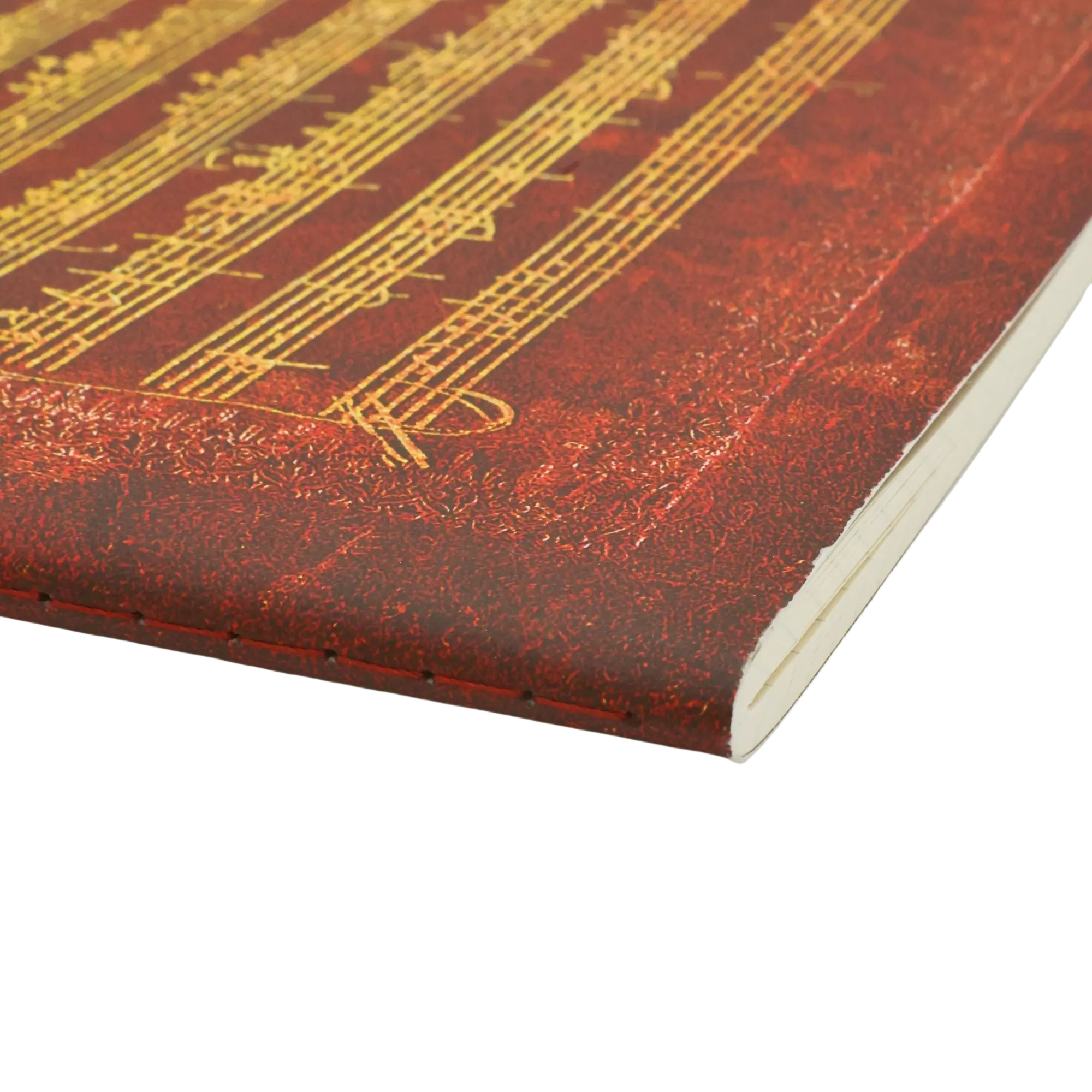
- Saddle-stitch binding in thread colour that matches the cover design
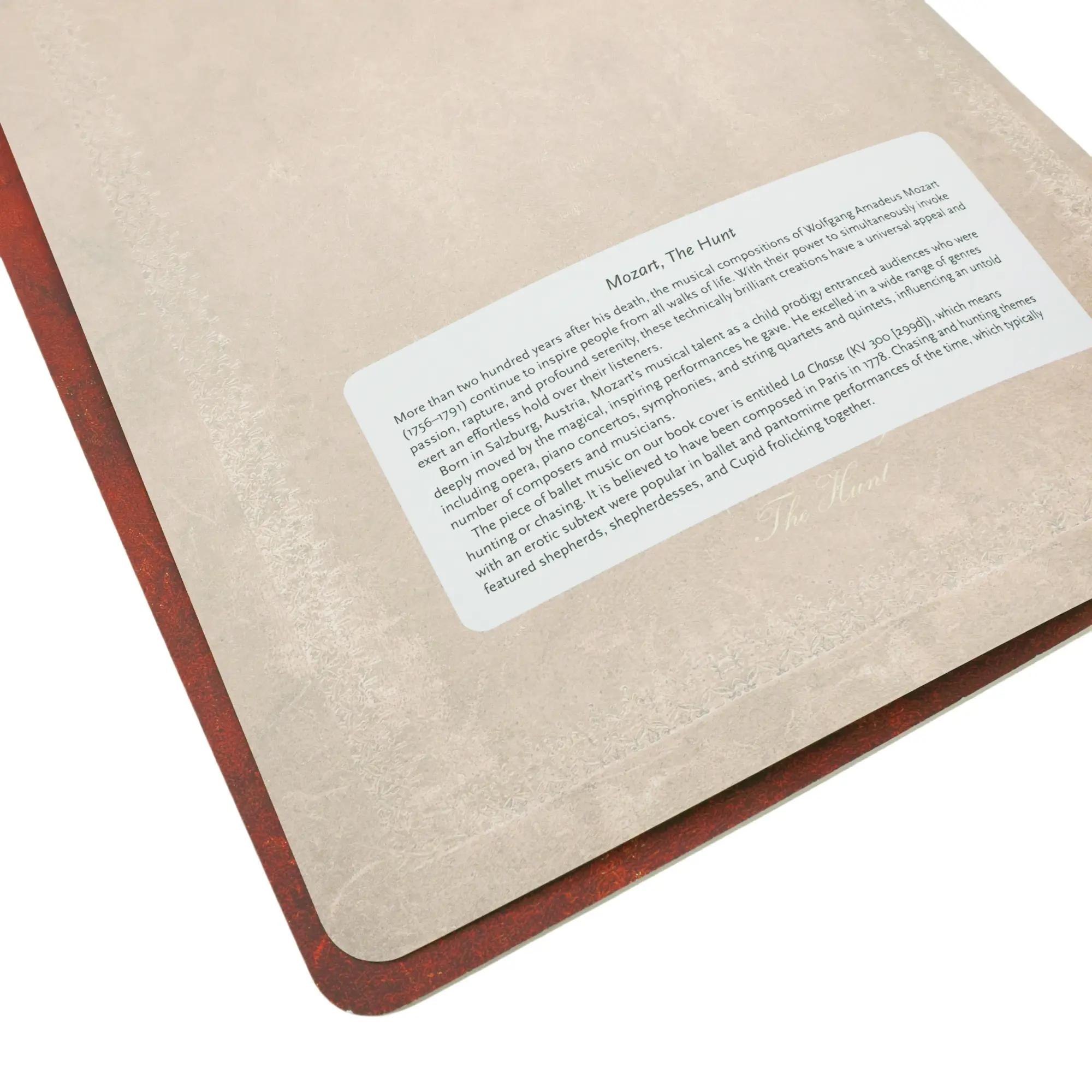
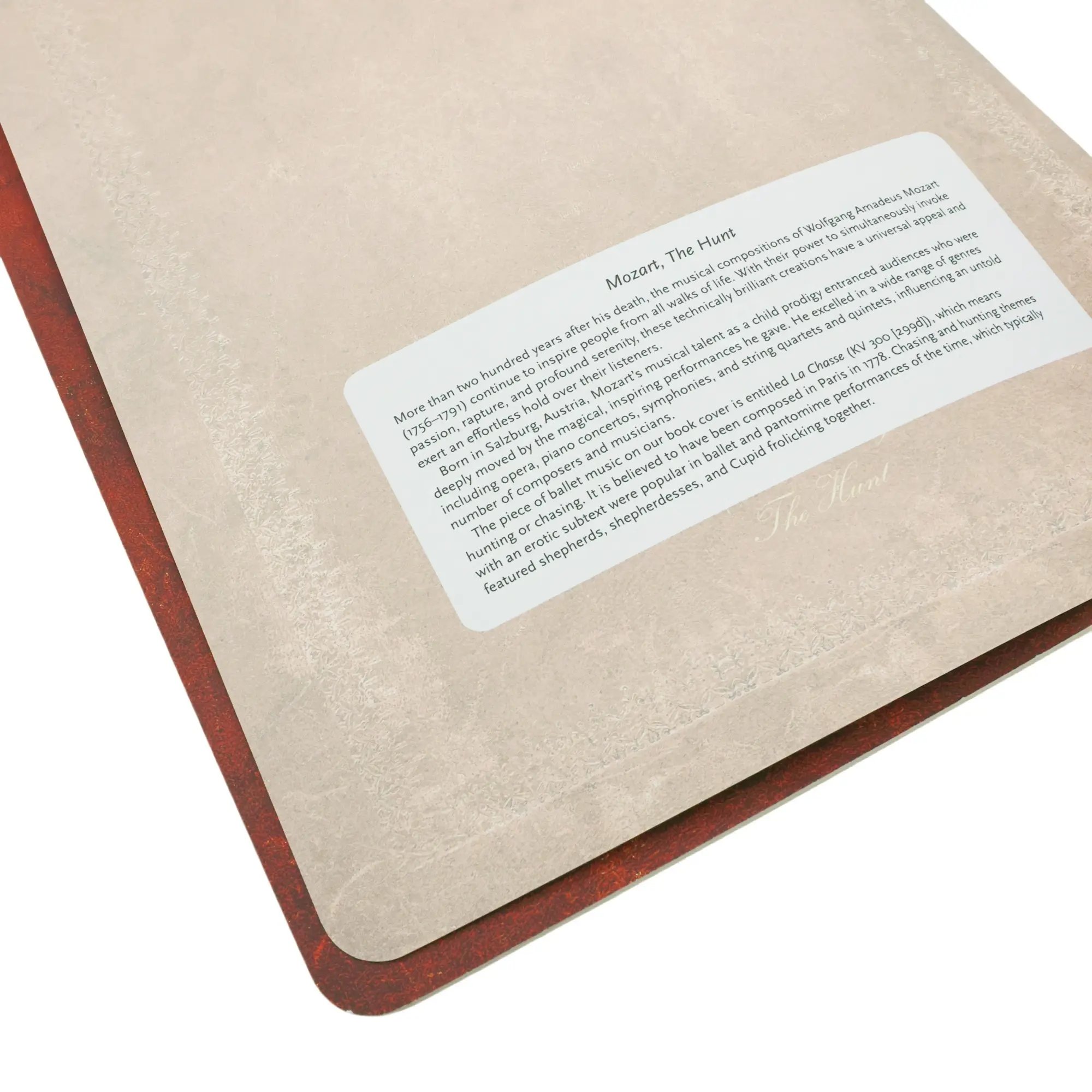
- Decorative front endpapers that showcase the cover design and provide the story behind the cover art
- Name plate
Considering the environmental impacts of doing business is important to us. That's why all of our paper is derived from sustainable forest pulp, our binder boards are made with 100% recycled materials and our paper is printed on acid-free, sustainable forest paper.
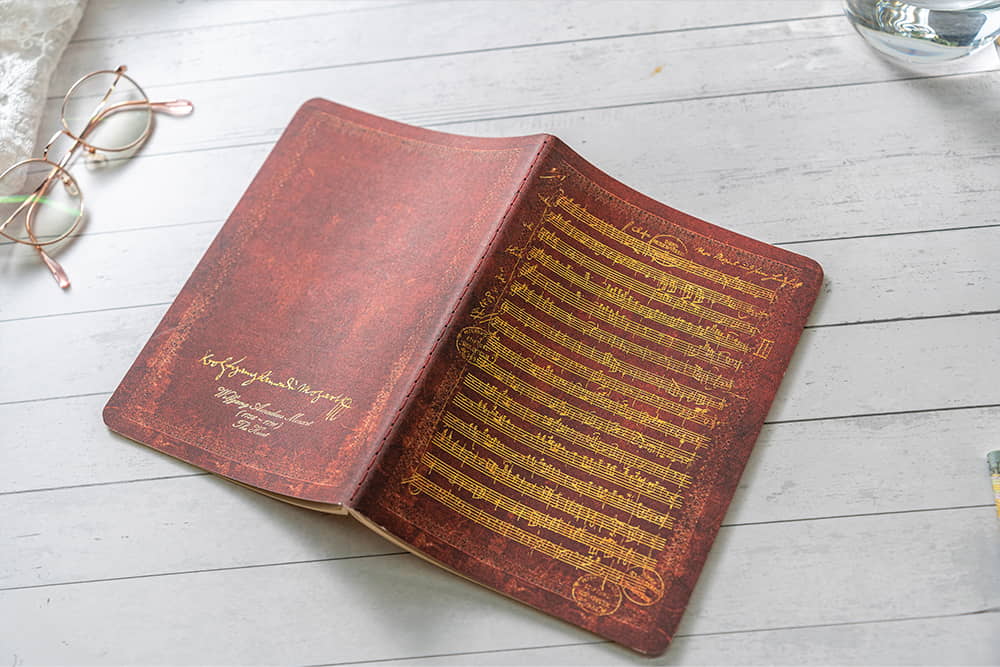

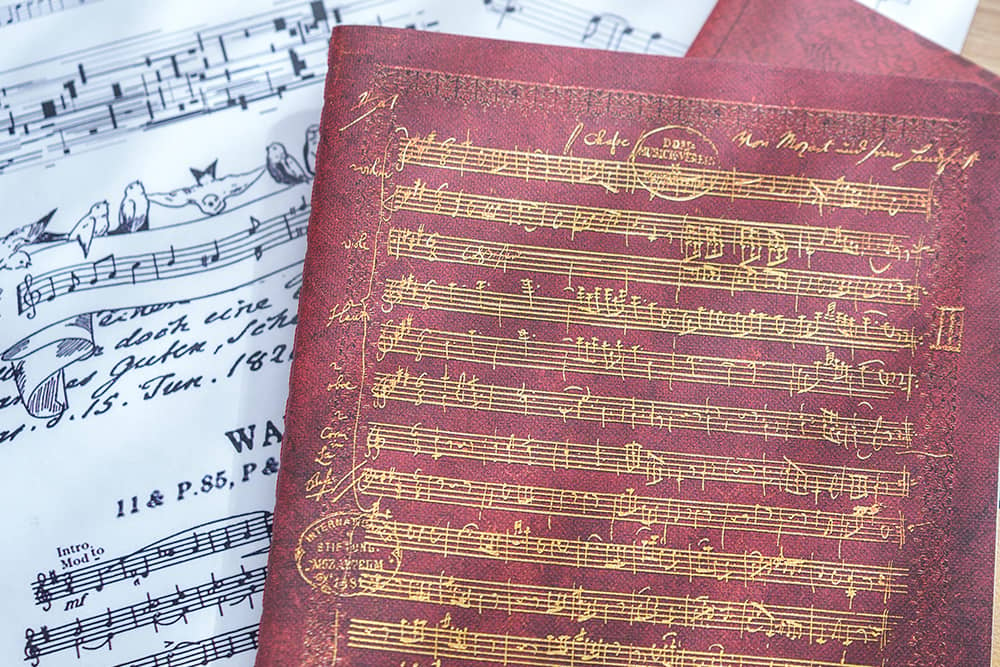
Wolfgang Amadeus Mozart (1756–1791) was one of the most prolific and influential composers to come out of the Classical era. Born in Salzburg, Austria, his musical talent quickly emerged and he became a highly sought after child prodigy. His age captivated audiences but it was truly his music that entranced listeners, who were deeply moved by the magical and inspiring operas, piano concertos, symphonies, string quartets, and string quintets he created.
The piece of music reproduced on our cover is from a ballet score now known as La Chasse (KV 300 [299d]), which Mozart composed in Paris in the autumn of 1778. Themes of chasing and hunting, especially those featuring the mingling of shepherds and shepherdesses with Cupid, were especially well liked during his time, and the erotic subtexts made ballet and pantomime popular with a variety of audiences. So popular, in fact, were these motifs that this version of La Chasse is actually one of two separate compositions by Mozart now known as “The Hunt,” the other being a 1784 string quartet dedicated to Haydn.
Today, all that remains of this work is a scrap of paper ruled with 16 staves, and the world owes a great debt to Ludwig von Köchel for endeavouring to catalogue the works of Mozart following his death in 1791. It wasn’t until 1862 that Köchel succeeded in this undertaking, and his 551-page catalogue is renowned as being the complete musical works of Mozart. Revisions have, of course, been made to the compendium over the years, but the original “K”-based numbering system remains.
More than two hundred years after his death, Mozart’s musical compositions continue to inspire people from all walks of life. With their power to simultaneously invoke passion, rapture and profound serenity, these technically brilliant creations have a universal appeal and exert an effortless hold over their listeners, not to mention their incalculable influence on an untold number of composers and musicians throughout the ages.
Need Help?
In case of any questions, check out our FAQs here. If you still can't find your answer, you can contact us at the link below.
Contact Us