Journals
Ougi
Japanese Lacquer Boxes
Item no. 9781439750421
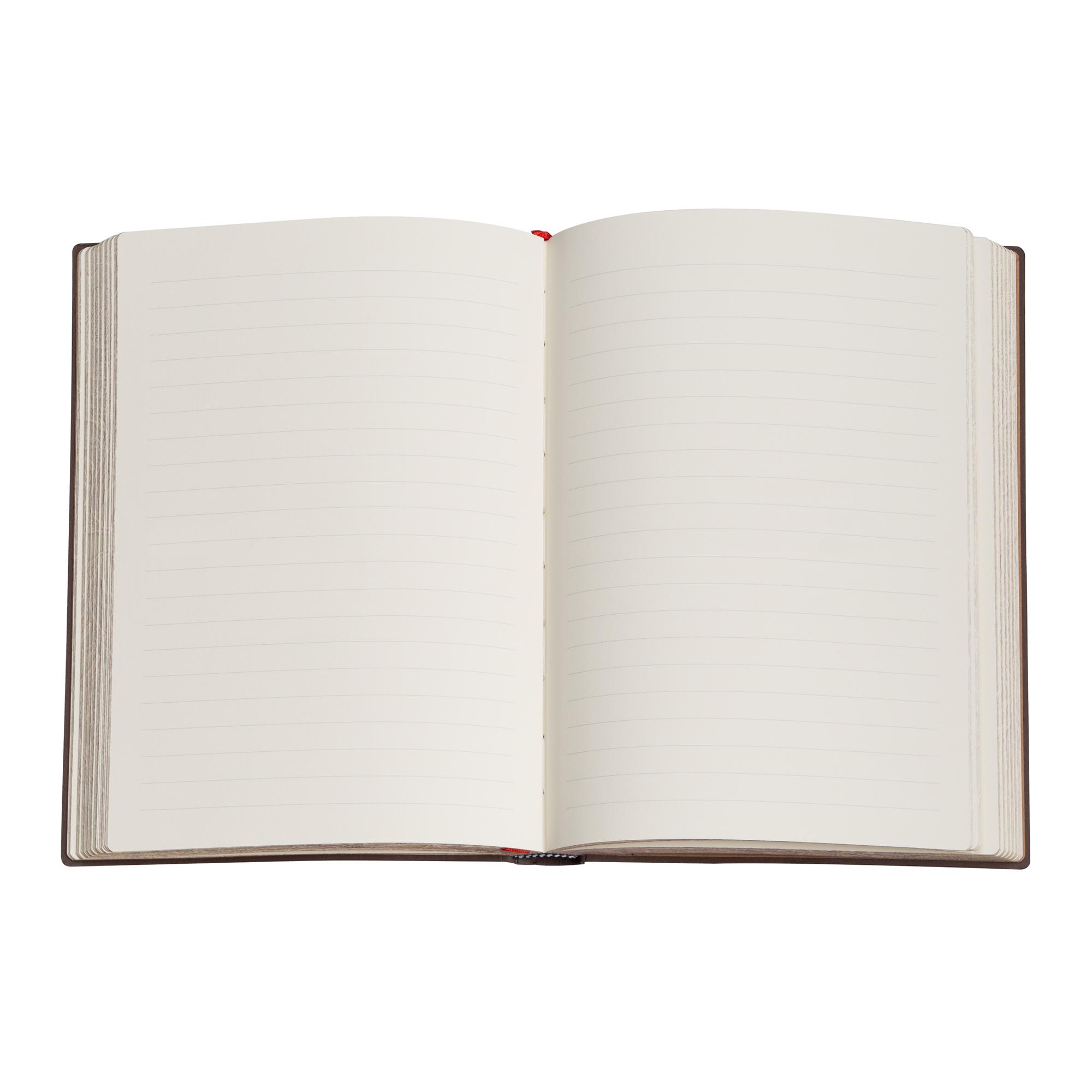
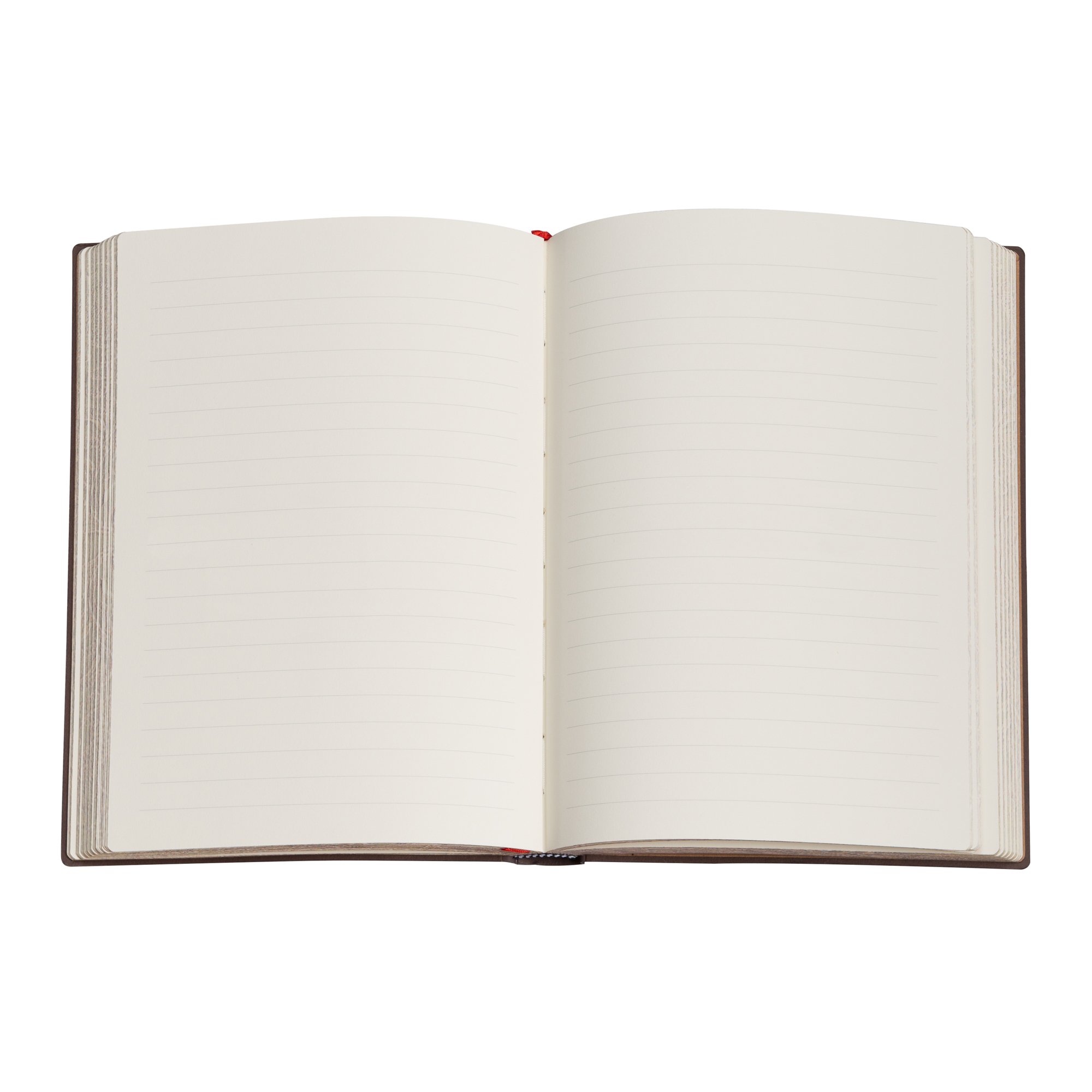
- Interior: Lined
- Closure: Elastic Band
- GSM (paper weight): 85 gsm
- Edge Printing: No
- Pouch Type: Memento Pouch
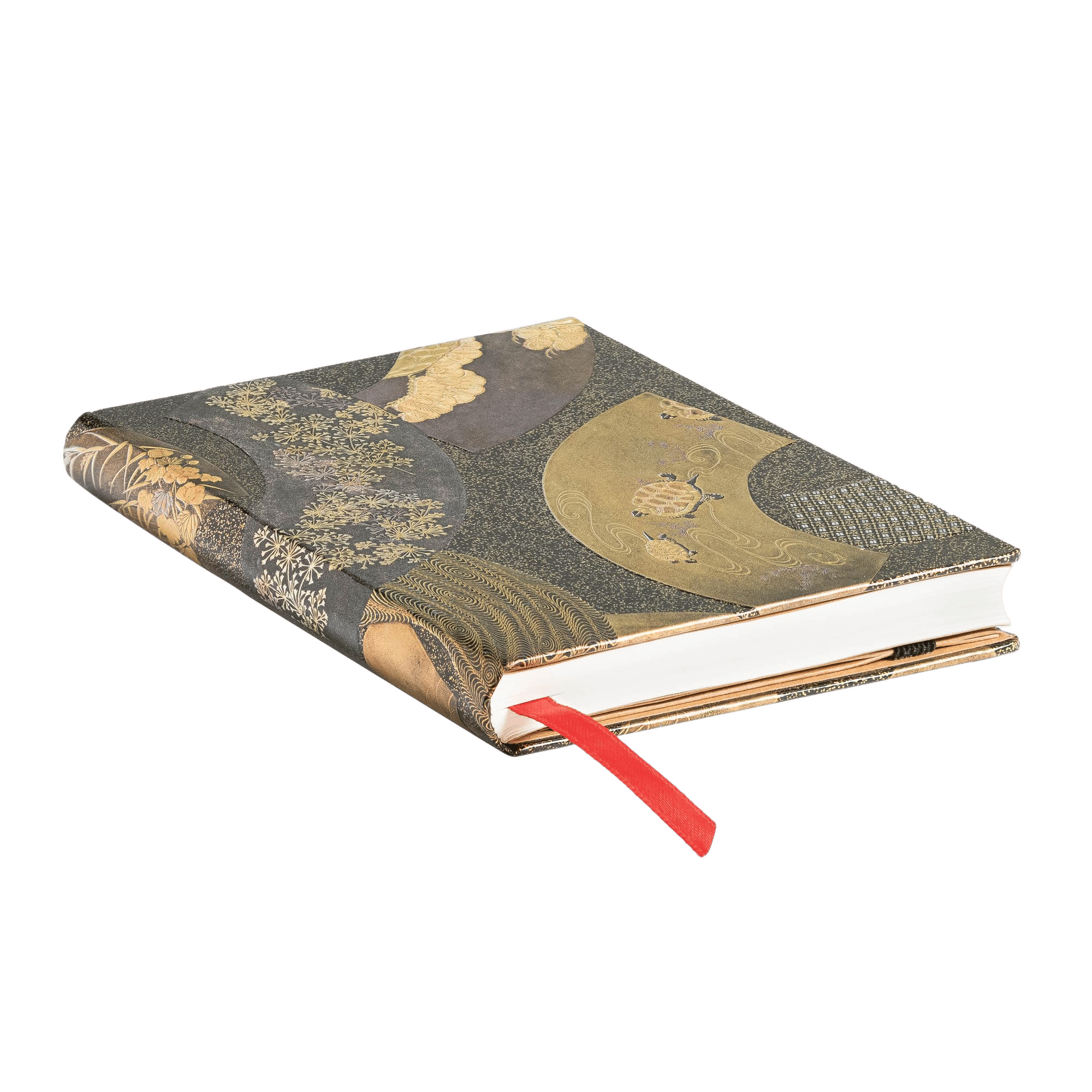
- Satin ribbon marker
- 100% recycled binder boards
- Decorative printed cover paper
- Endpaper with credit and copyright information as well as historical background for the original artwork
- Threaded stitching and glue, as needed
- Acid-free sustainable forest paper
- Memento pouch
Considering the environmental impacts of doing business is important to us. That's why all of our paper is derived from sustainable forest pulp, our binder boards are made with 100% recycled materials and our paper is printed on acid-free, sustainable forest paper.
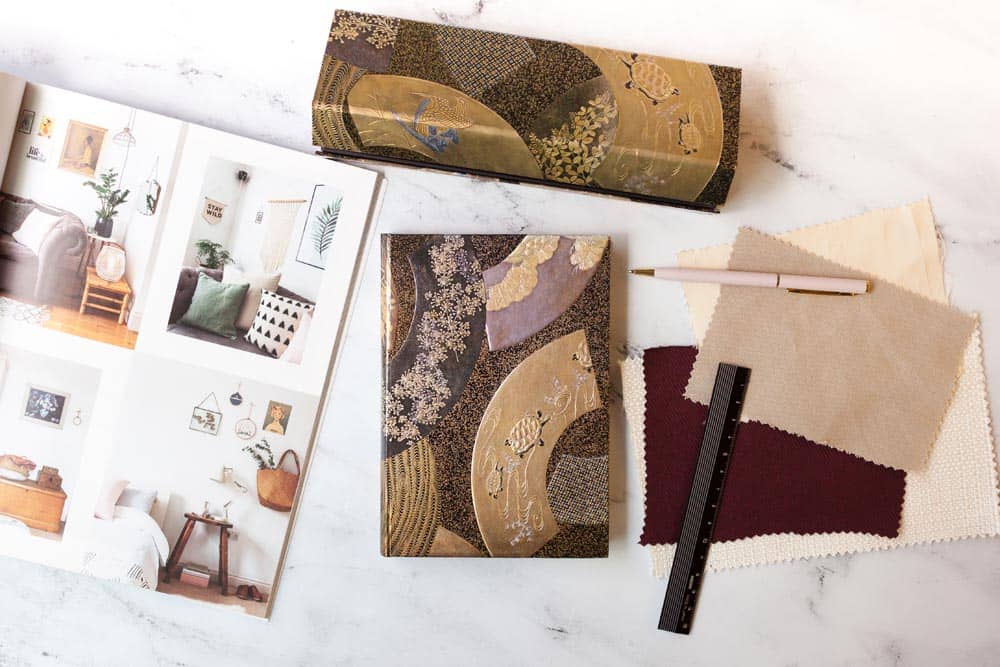
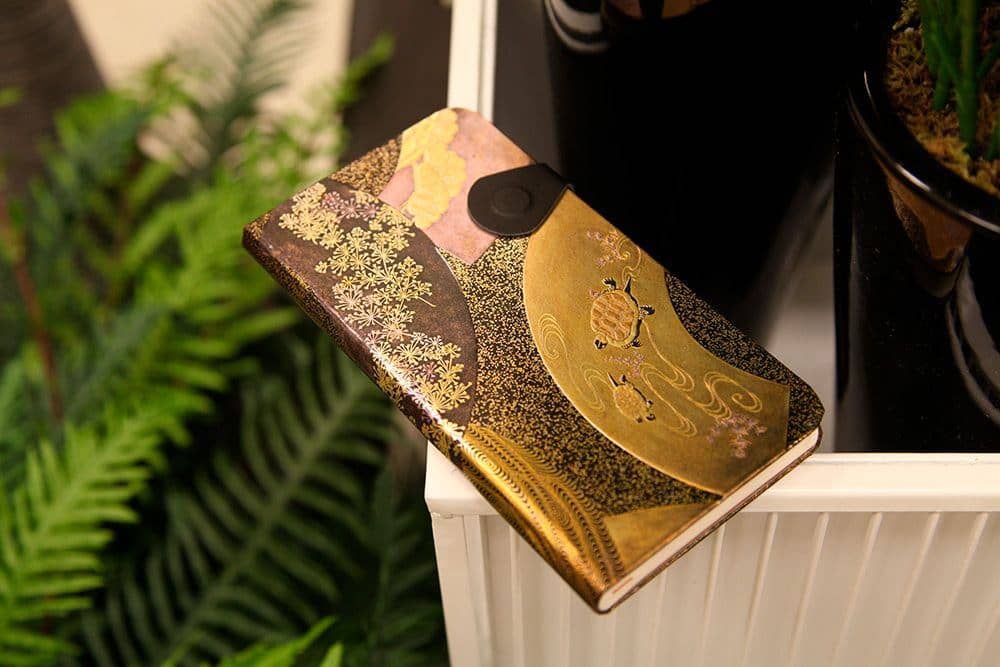
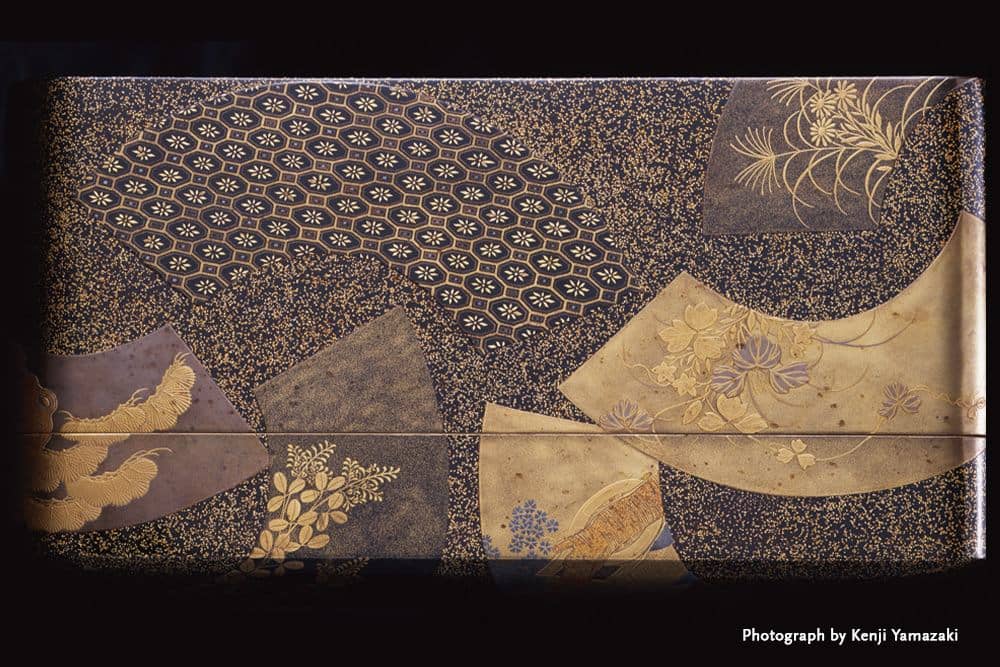
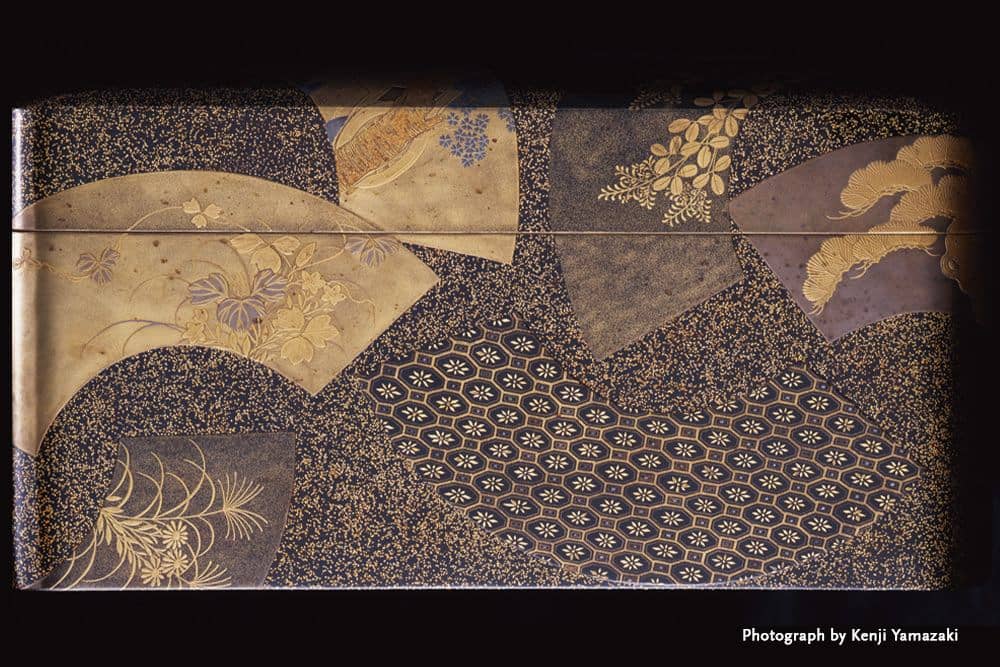
Most countries make a dedicated effort to preserve their cultural legacies, but Japan is a leader in ensuring that traditional forms of art and craft remain not just honoured but widely practiced.
Our Japanese Lacquer Boxes designs feature art that was created centuries ago, as do many Paperblanks journals. What makes this series stand out is that while many techniques celebrated by our journals have been largely relegated to history, the “maki-e” lacquerware tradition adorning these covers still has its adepts.
Maki-e is just one of many Japanese decorative techniques involving the use of lacquer. The name of this method literally means “sprinkled” and refers to the process of applying metallic powders to wood coated with the sap of the lacquer tree. This sap is a highly toxic material requiring extremely careful handling and an inordinate amount of skill – nothing less than you would expect of these devoted Japanese artisans.
It is a marvel how the gloss of the polished lacquered surface and the brilliance of details in metallic colours together create an uncanny sense of depth characterizing each image.
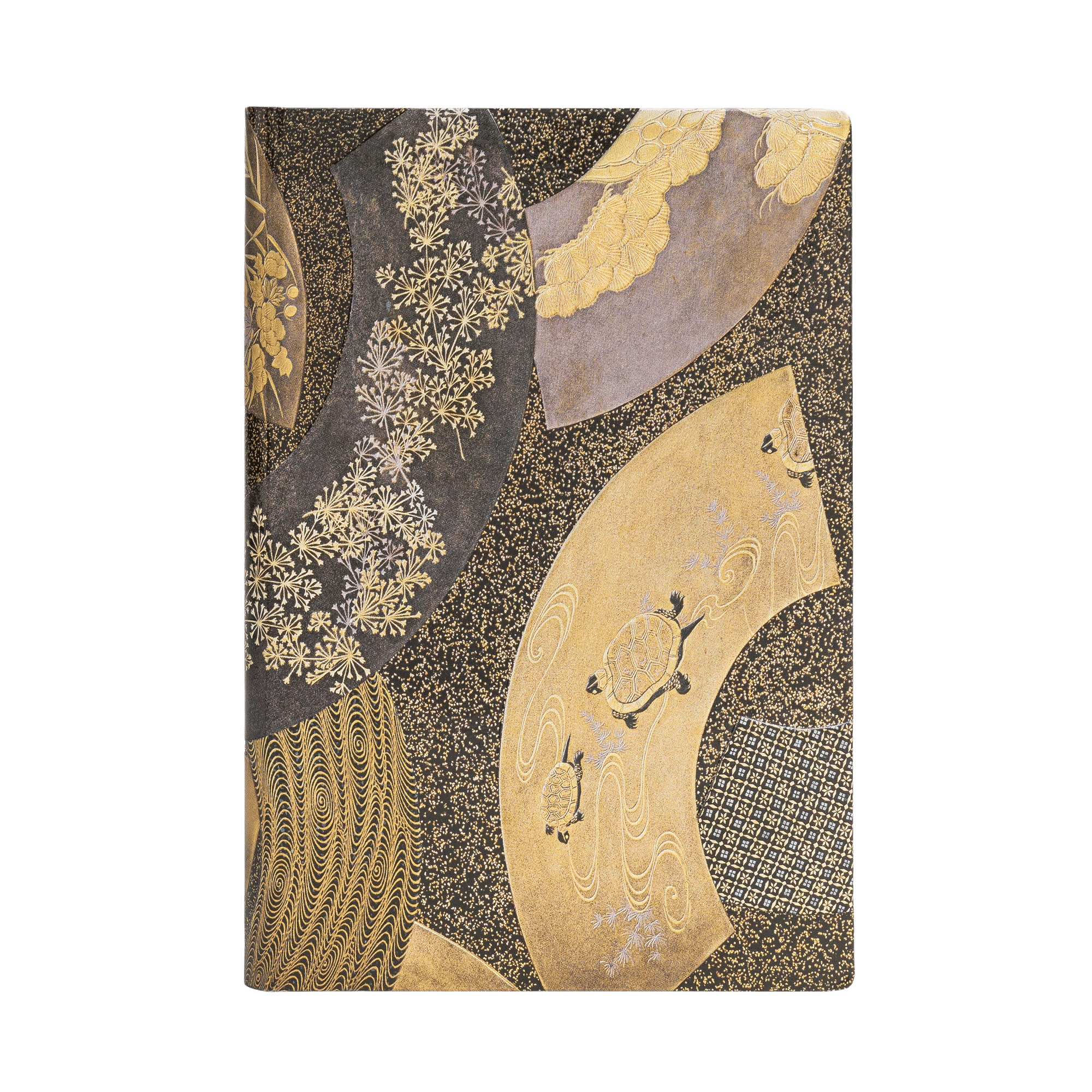
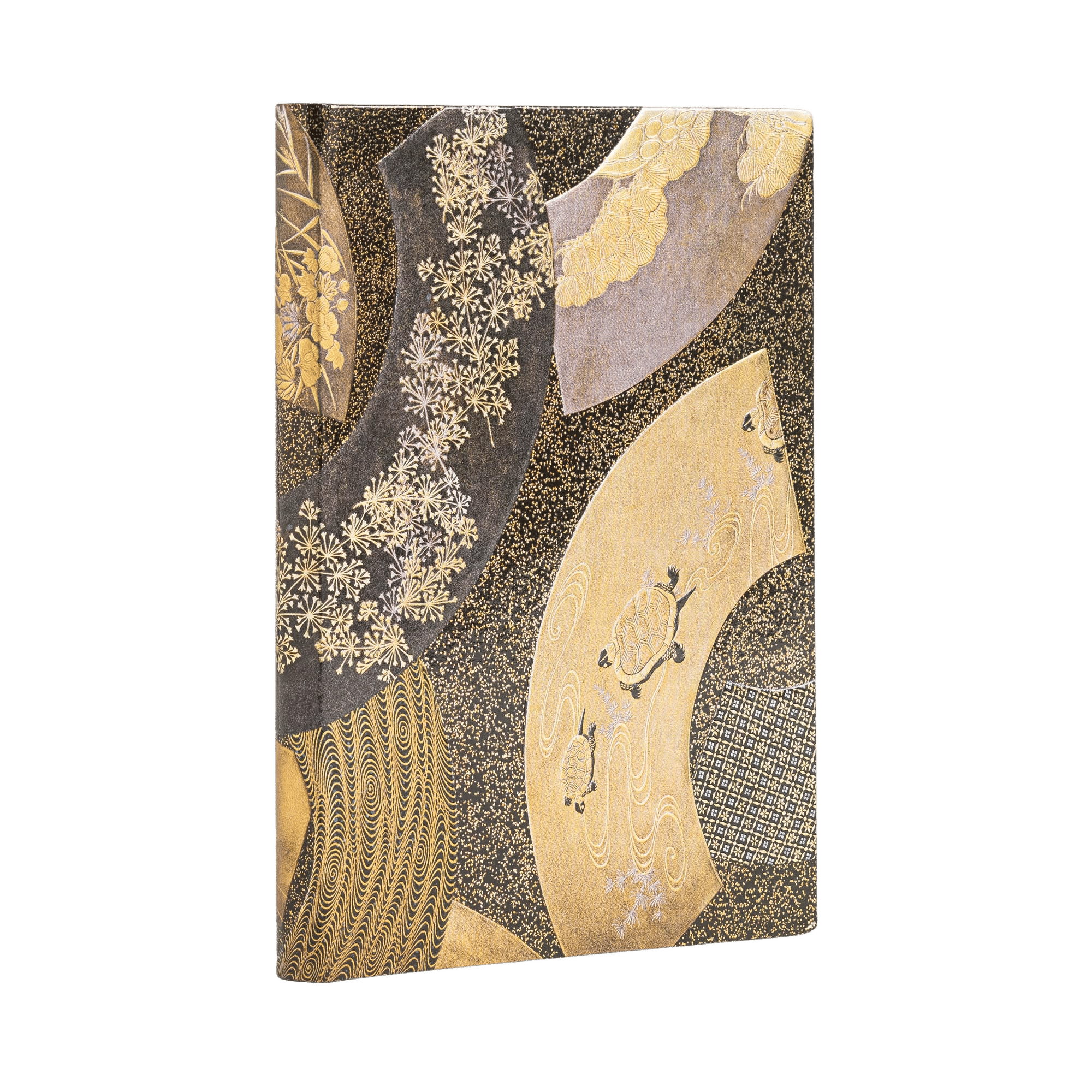
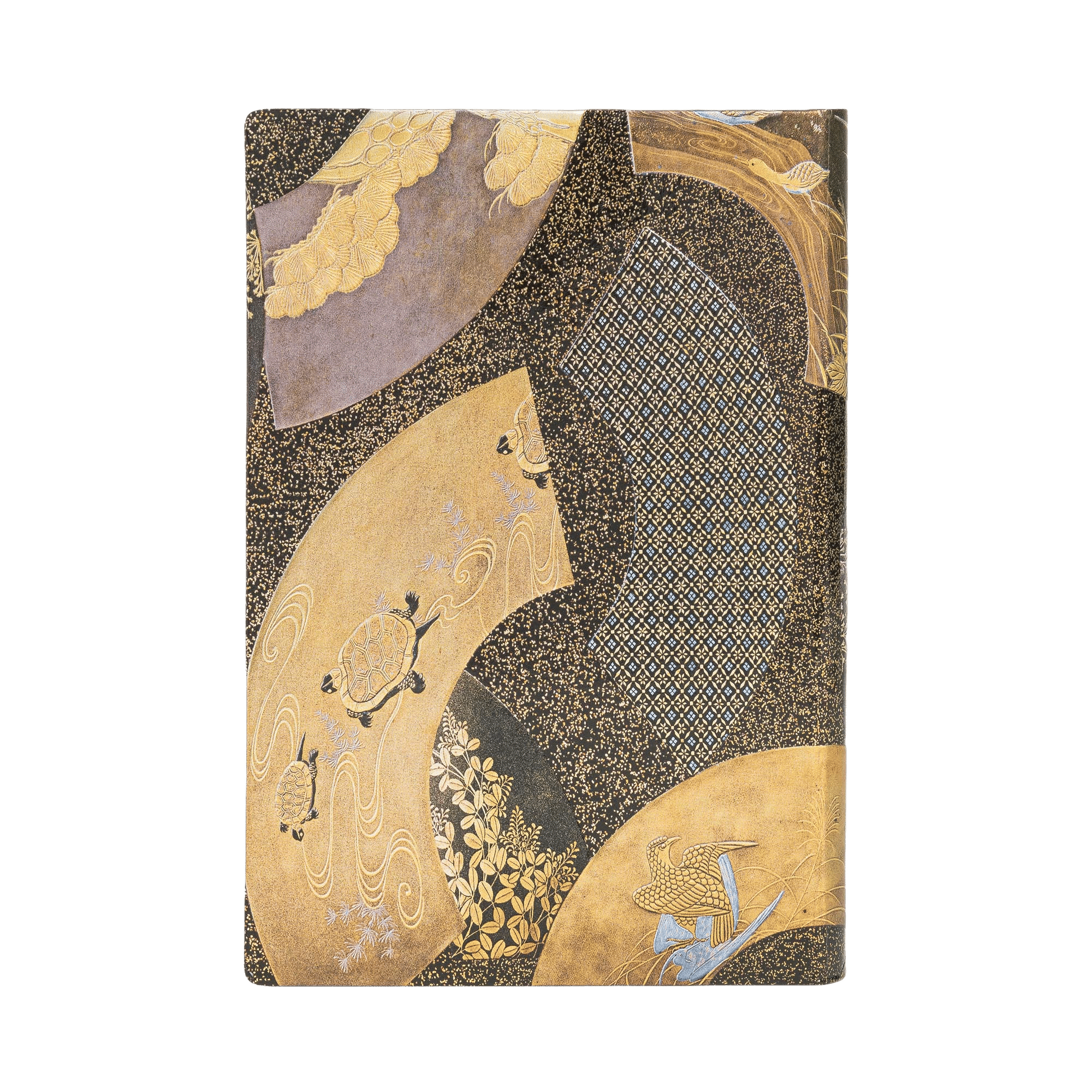
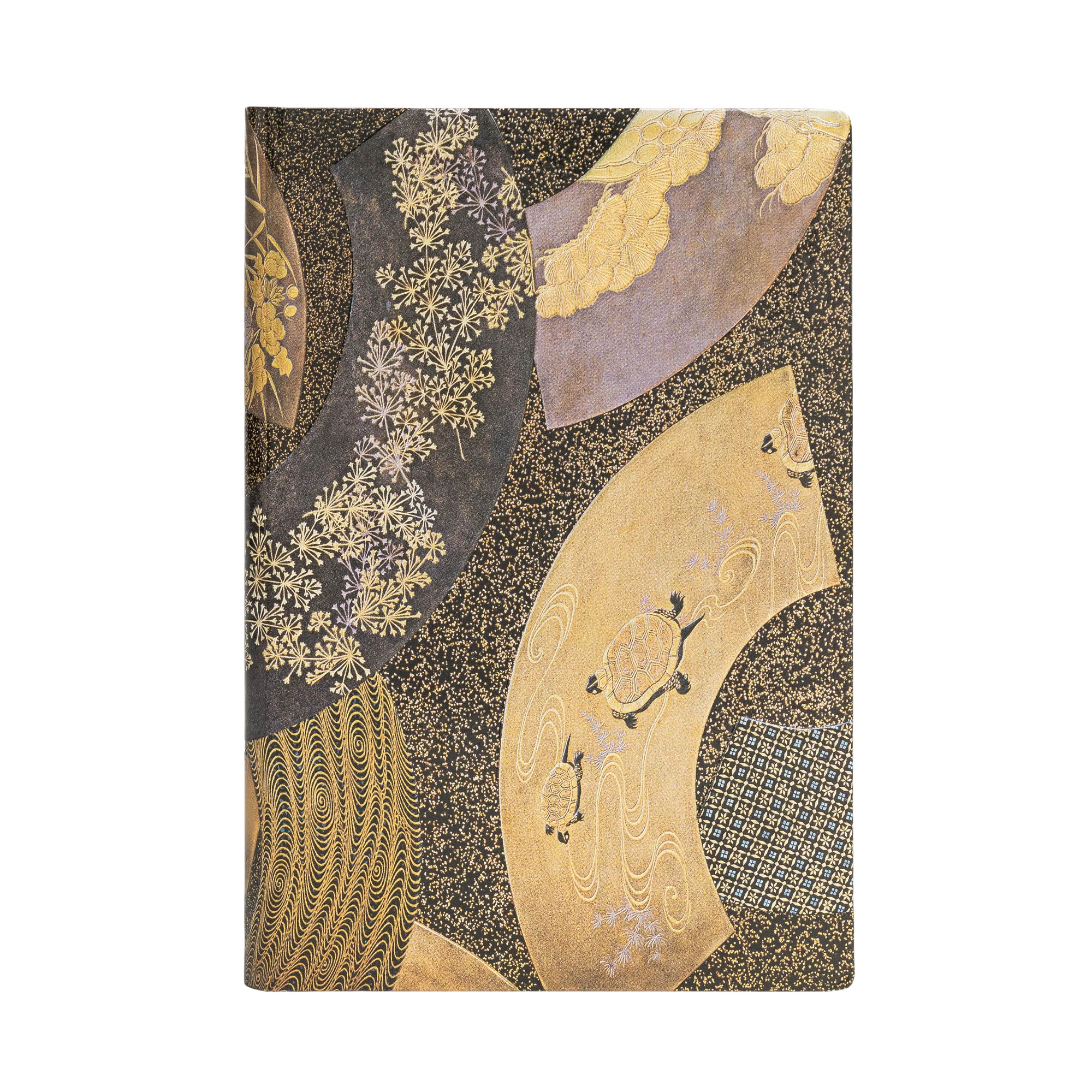
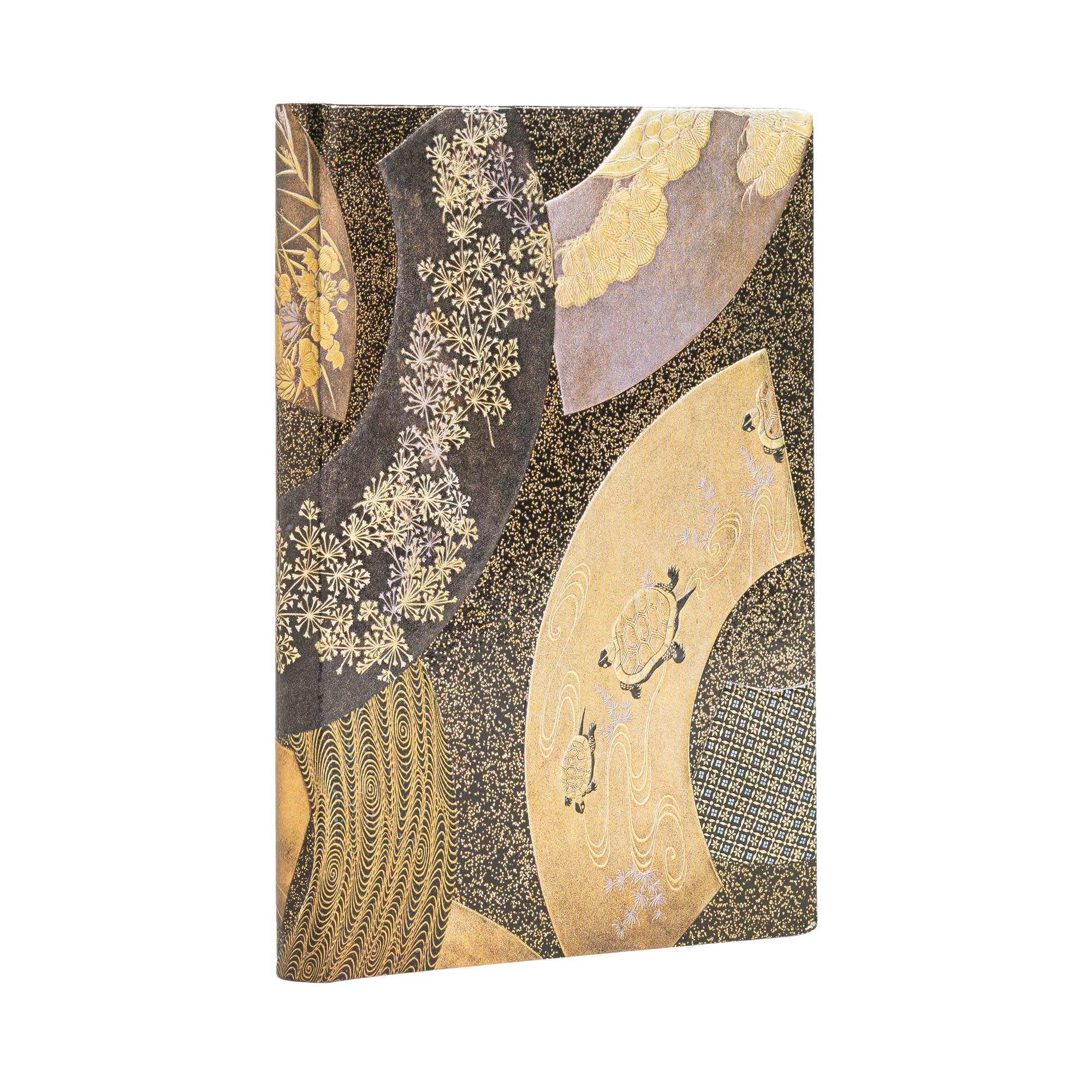
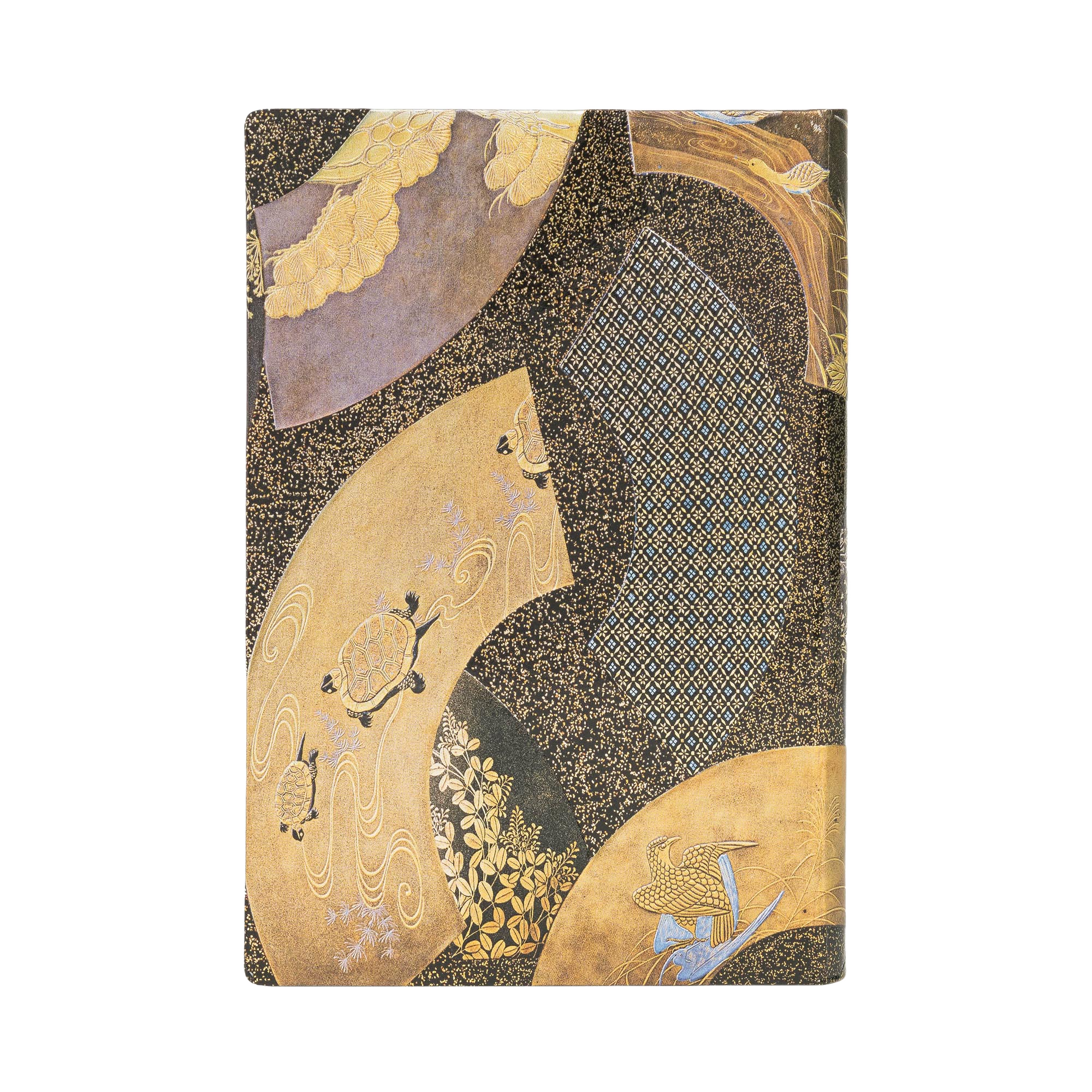
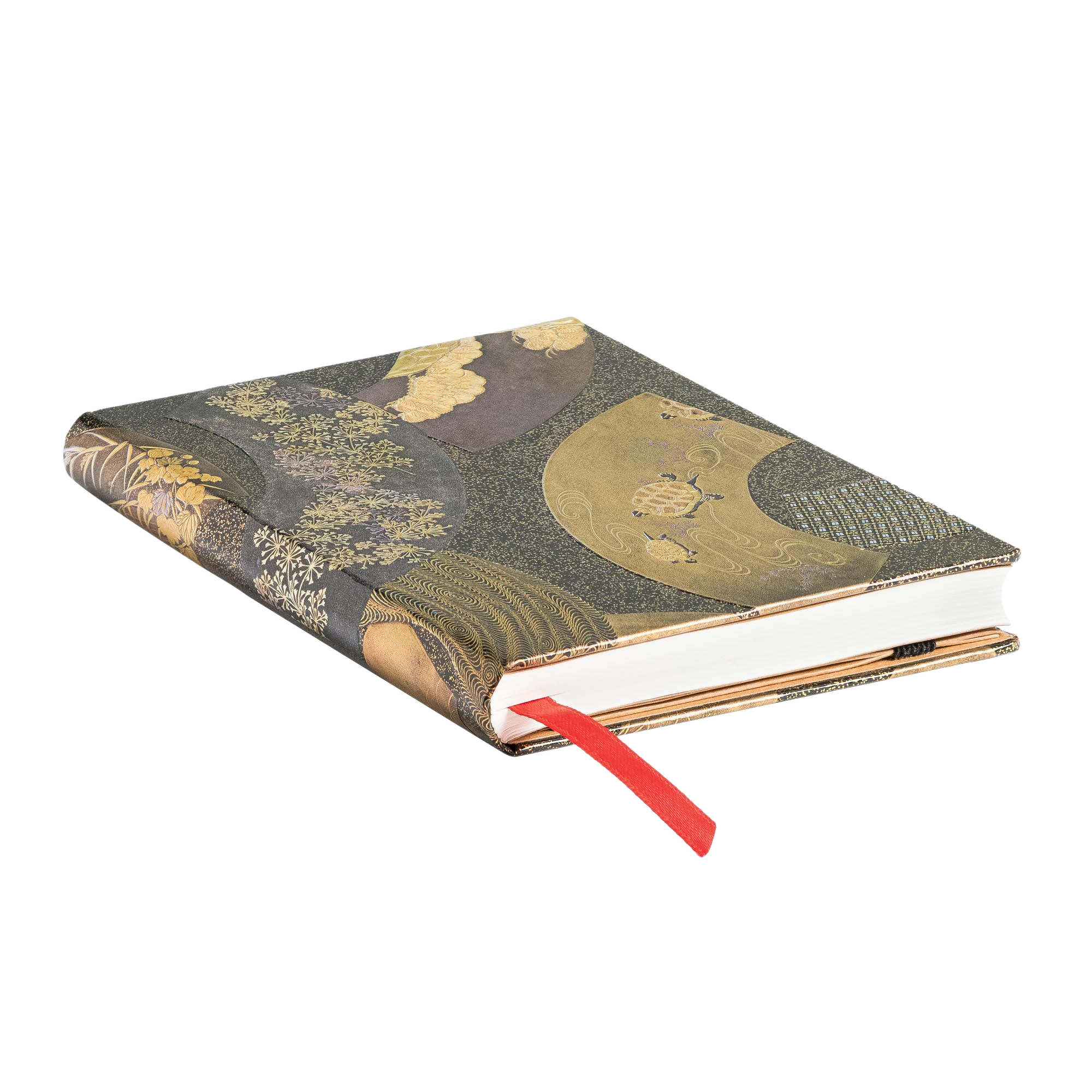
The design that decorates our Ougi cover comes from the paintwork on a Japanese lacquer box dating from the early 19th century and currently held in a private collection. The half-moon shapes covering the width of the journal represent the folding fan, a cultural artifact that most of us will easily associate with traditional Japan. Meaning “fan” in Japanese, the word Ougi seemed the perfect choice for this cover design.
Today, even after more than a thousand years of being in use, the sublime maki-e tradition continues to inspire Japanese artisans to create exceptionally beautiful and desirable objects.
Need Help?
In case of any questions, check out our FAQs here. If you still can't find your answer, you can contact us at the link below.
Contact Us