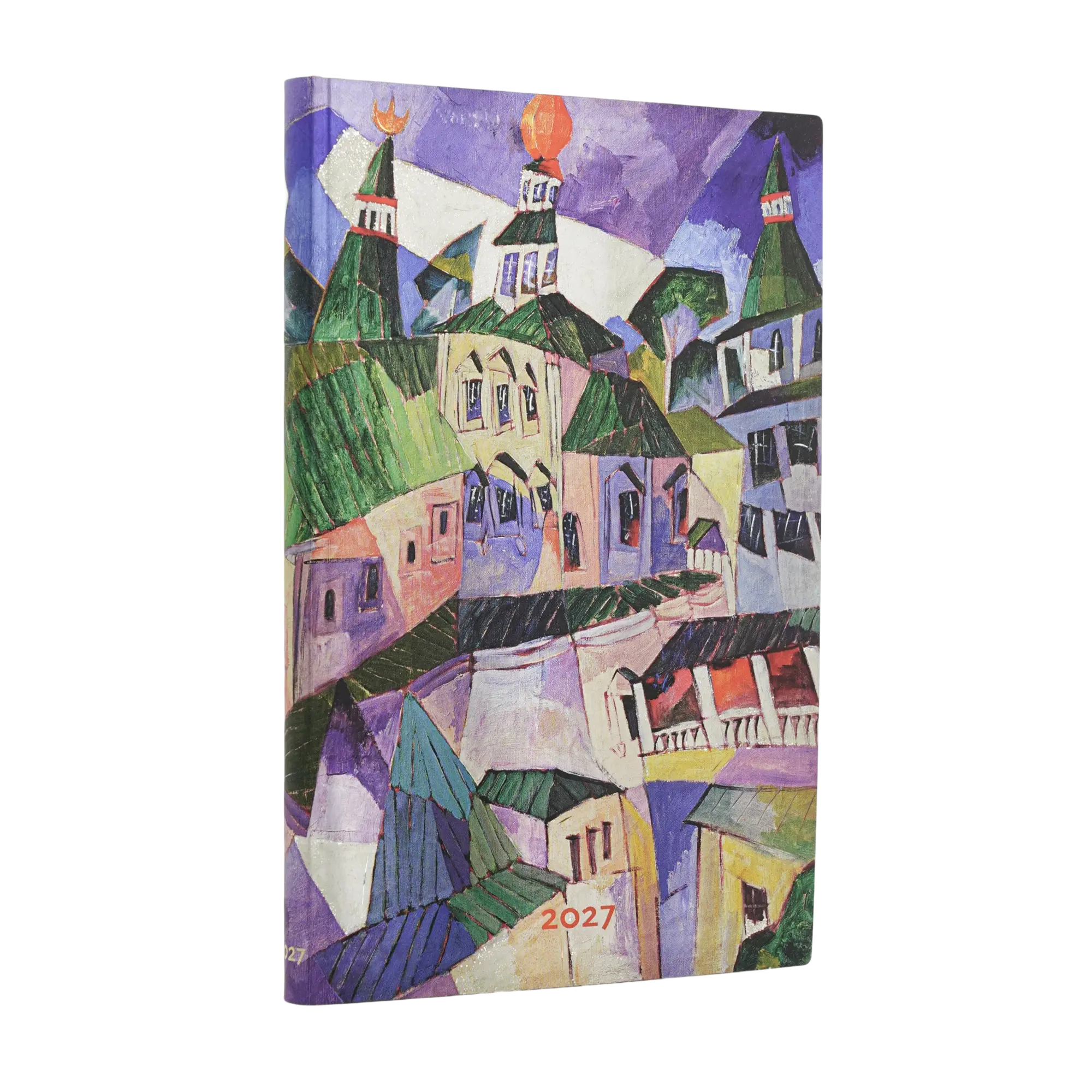

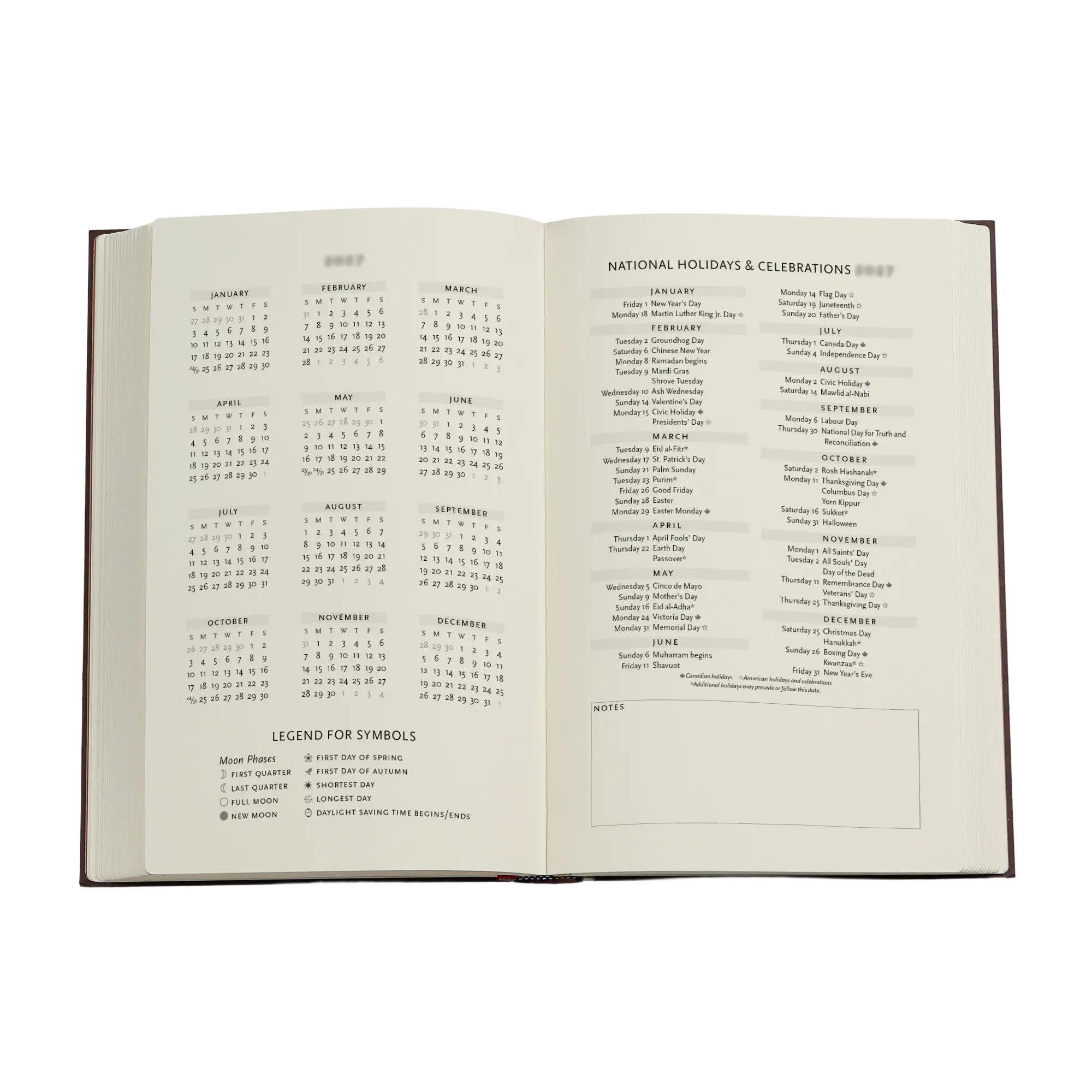
12-Month
2027 St. Petersburg
Lentulov’s Cityscapes
9780349717111
- Date Range: January 2027 - December 2027
- Closure: Elastic Band
- GSM (paper weight): 100 gsm
- 100% recycled binder boards
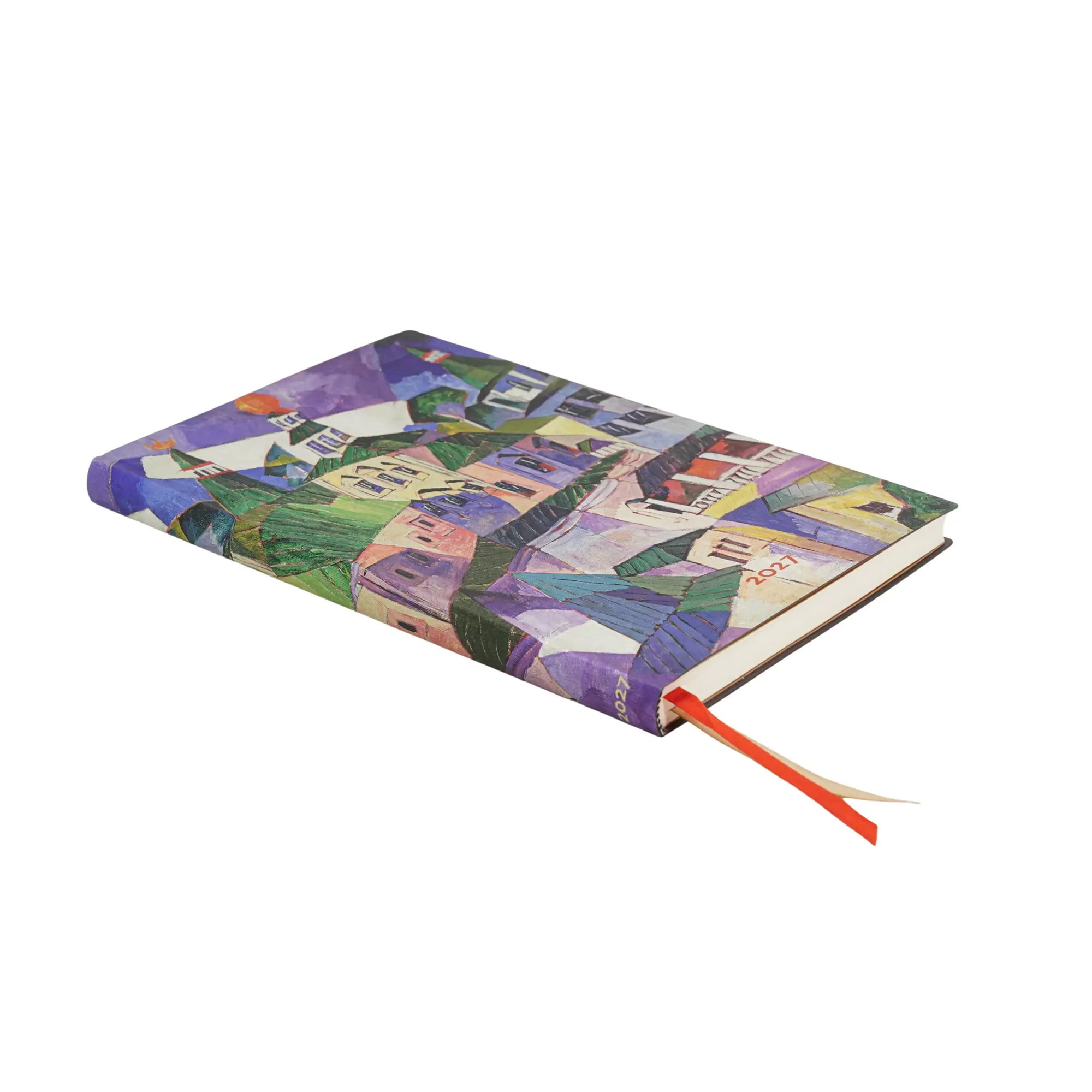
- Decorative printed cover paper
- Printed on acid-free, sustainable forest paper
- Threaded stitching and glue, as needed
- Acid-free sustainable forest paper
- 2 satin ribbon markers
- Memento pouch
- Name plate
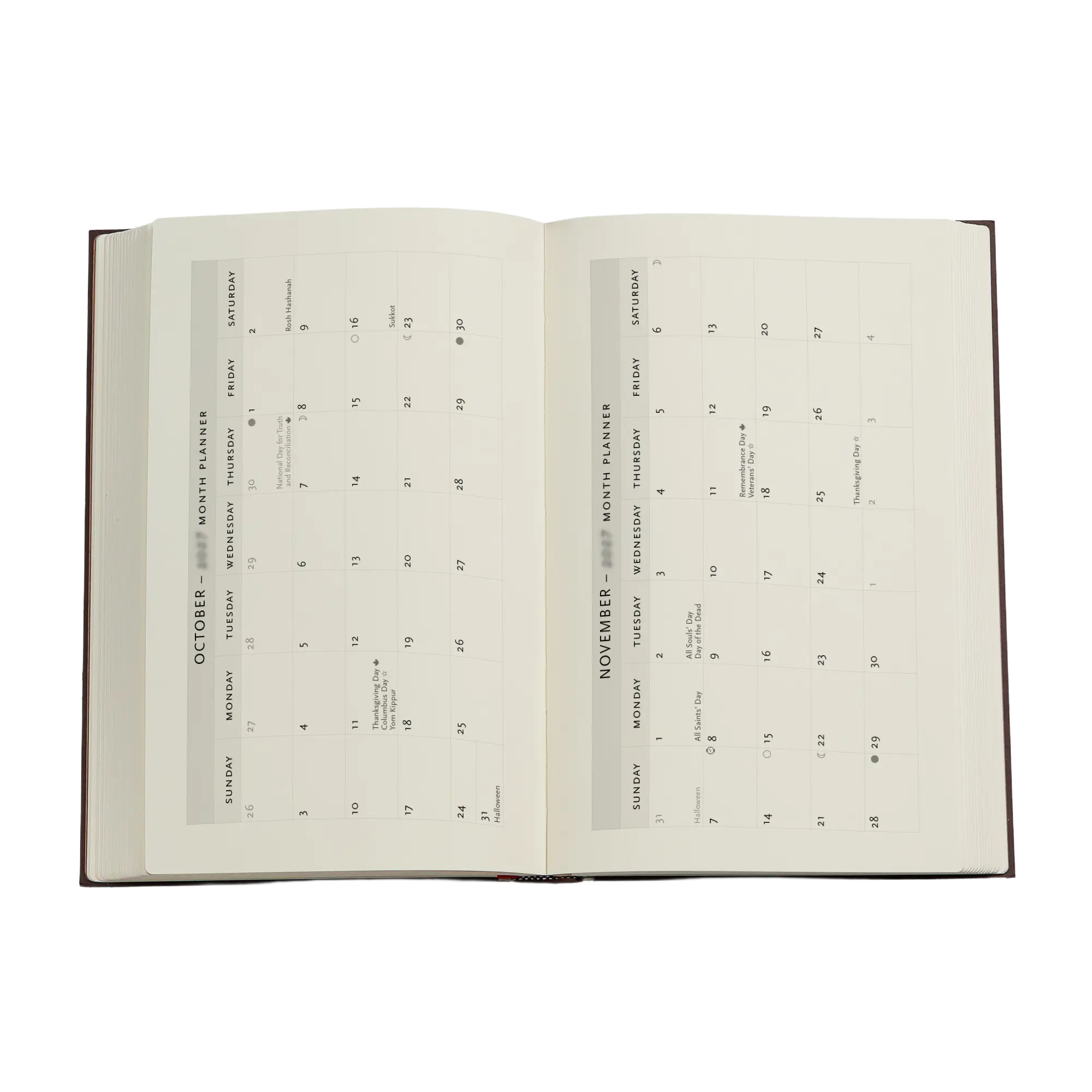
- Monthly planner
- Conversion tables
- Year planner
- International dialling codes
- Mini calendars
- International holidays
- National holidays
- World time zones
- Note-taking pages
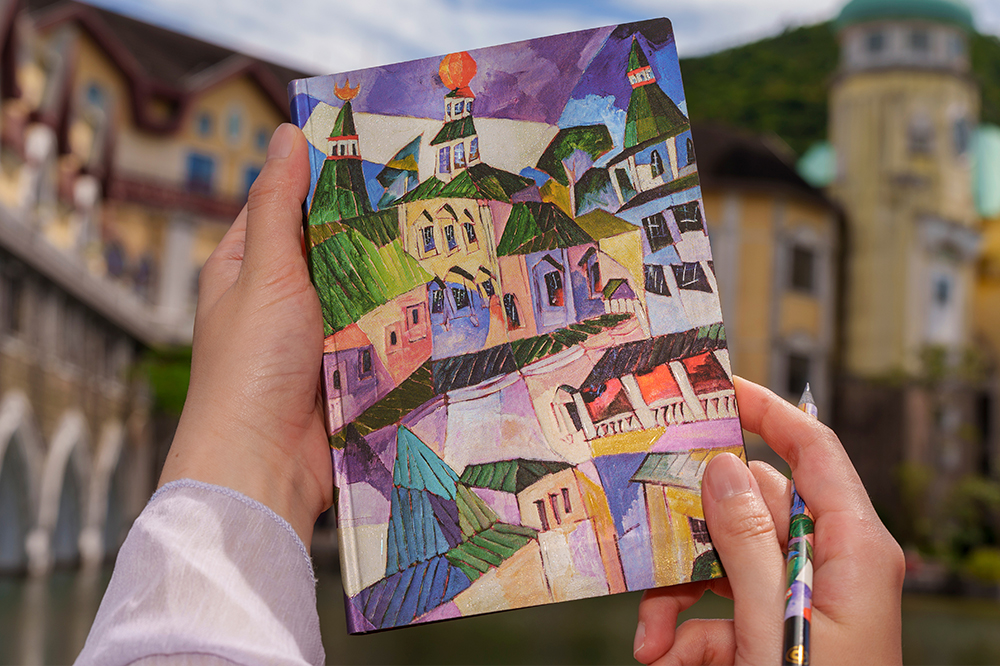
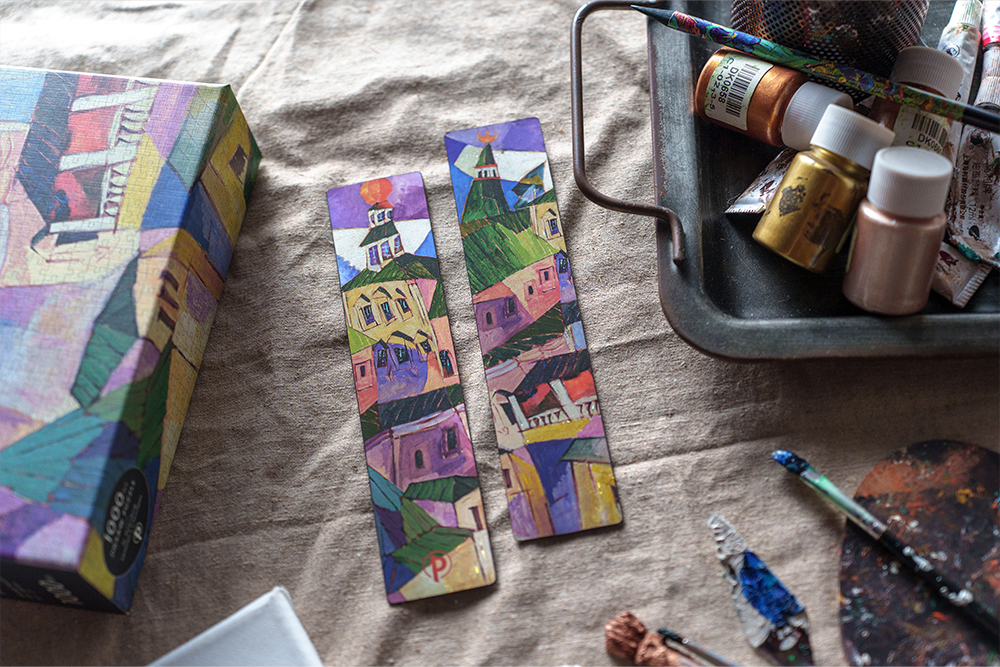
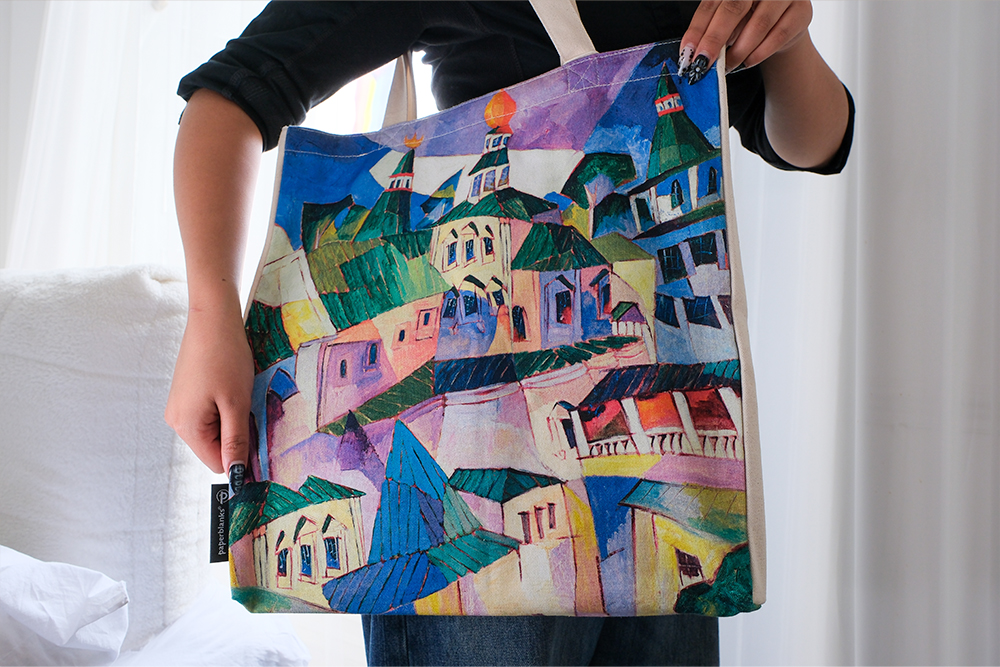
Aristarkh Lentulov (1882–1943) was a major Russian avant-garde artist of Cubist orientation. One of the foremost representatives of the Moscow School of Art, he left a lasting impression on Russian futurism and Cubo-Futurism. His work is characterized by his almost fairytale-like depictions of Russian architecture.
Lentulov was born in the town of Nizhny Lomov in Penza Oblast, Russia, into the impoverished family of a rural priest. His early education was in a religious school, following which he entered a seminary. From 1897 to 1905 he studied art in the Penza and Kiev art schools, and then in the private studio of Dmitry Kardovsky in St. Petersburg in 1906.
Lentulov’s attraction to Cubism coincided with his involvement in the Knave of Diamonds group, which he cofounded in 1909 and whose members were, for the next few years, the leading exponents of avant-garde art in Russia. He participated in the group’s first exhibition in 1910, and it was shortly after this time that Lentulov’s unique personal style started to take shape. By the mid-1910s he began to synthesize the spatial concepts of Cubism, the colour of Fauvism, and the decorative patterning of folk art.
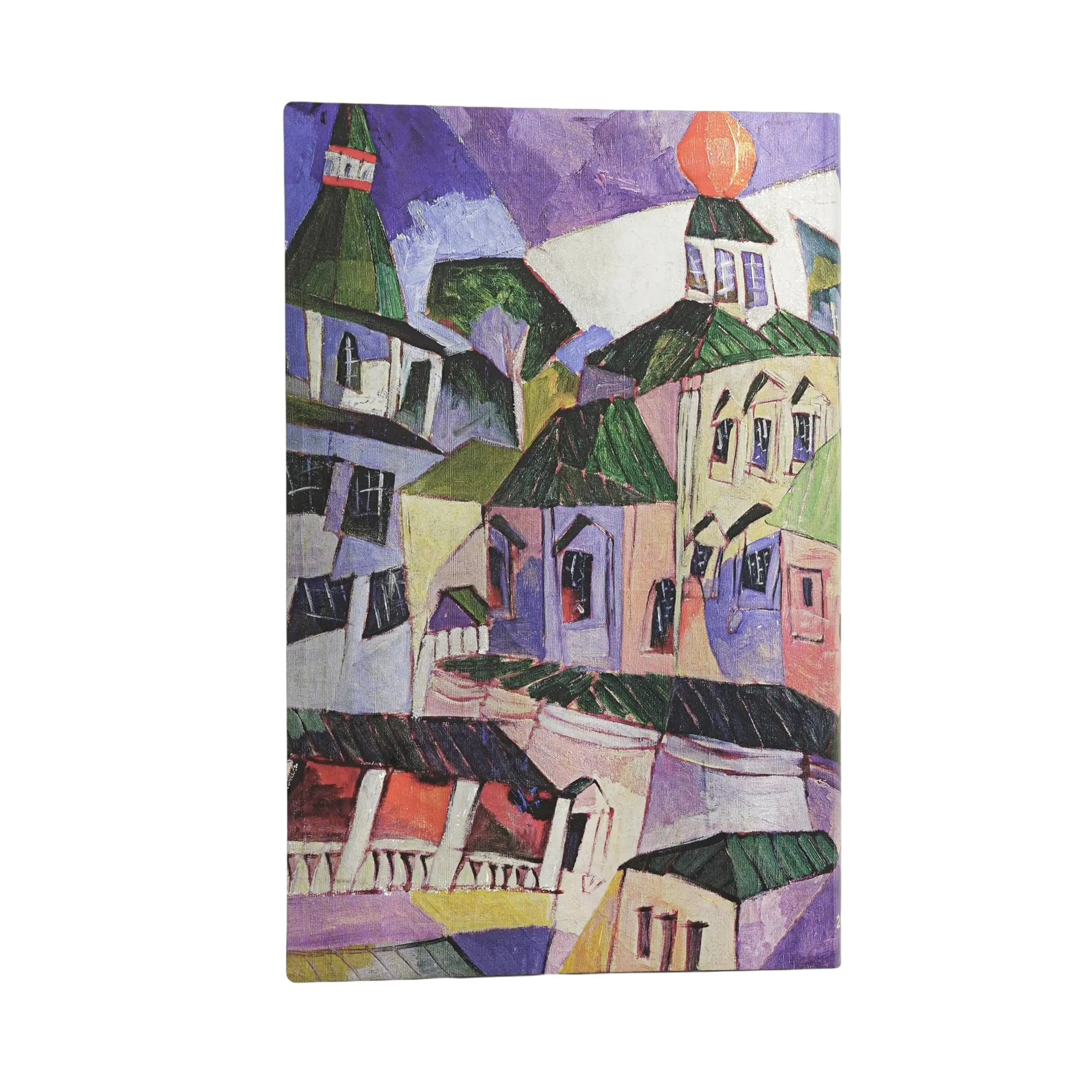
Reproduced here is his work Monastery, 1917. It is an extraordinary and vibrant composition of the bishop’s courtyard in the New Jerusalem monastery in Russia, and a prime example of Lentulov’s work at its peak.